
Singapore’s urban landscape is dominated by high-density housing where every square metre of floor space carries a premium. In modern Built-to-Order (BTO) HDB flats and newly launched condominiums, floor plans have become increasingly streamlined. Homeowners frequently grapple with narrow entryways, compact bedrooms, and open-plan living areas that must serve multiple functions simultaneously. Maximising these layouts requires furniture that does double duty, serving as both a comfortable seat and a high-capacity storage unit.
A multi-functional storage bench, often referred to in compact design as a versatile chair with storage, offers an elegant solution to these spatial constraints. Instead of occupying precious floor area with separate accent chairs and storage cabinets, a single integrated piece provides a dedicated spot to sit while keeping household items out of sight. This consolidation is particularly valuable in high-traffic zones where visual clutter can make a room feel significantly smaller than its actual dimensions.
By replacing traditional single-purpose furniture with dual-purpose benches, you can maintain clear walkways and improve the overall traffic flow within your home. In a narrow foyer, for example, a bench prevents shoes from spilling across the floor while offering a stable platform for putting on footwear. In the living room or bedroom, it acts as a clean visual anchor that conceals seasonal items, extra linens, or daily essentials, preserving the clean lines and airy feel essential for modern Singaporean interiors.
Products mentioned in this guide
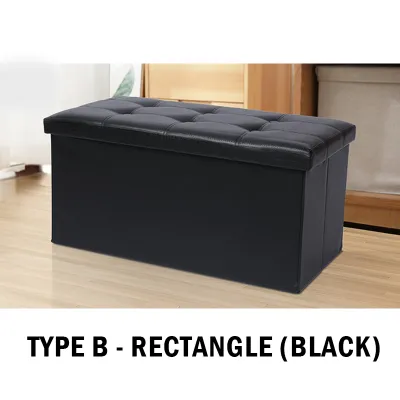
![[Buy 2 or more get gift] Homy Storage Stool Folding Linen Cotton Box Storage Box Clothes Storage Stool Organiser Bag Sofa Seat Stool Toy Storage Stool for Clothes Toys Snack](https://img.lazcdn.com/g/p/a8314ccf923a8d7be9249a1e8e21415e.jpg_400x400q80.jpg_.webp)
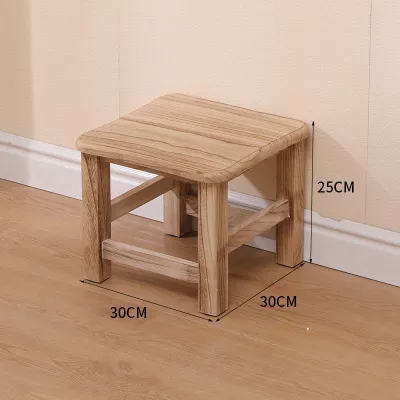

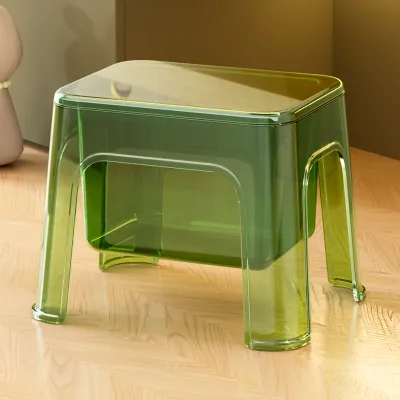
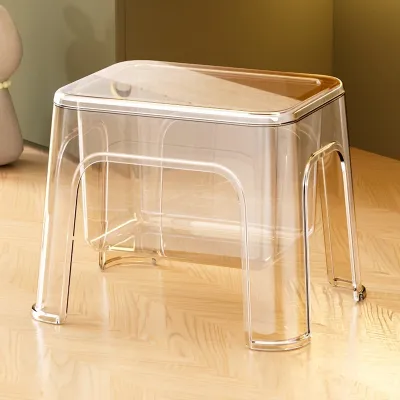
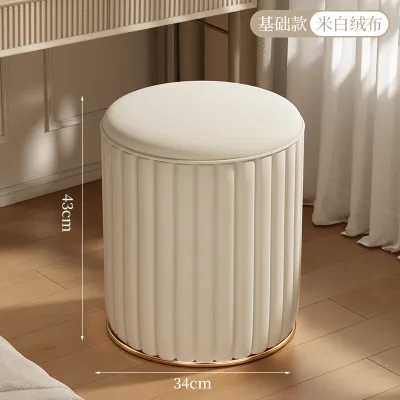
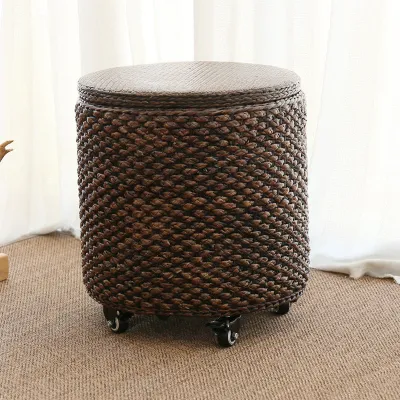
Prices are valid at publication and may change. Please refer to the product page for the latest price.
Key Evaluation Criteria for a Small-Space Chair with Storage
When selecting a bench for a tight layout, finished dimensions are your most critical consideration. You must measure the available floor space carefully, accounting for both the footprint of the bench and the clearance required for nearby doors, drawers, or walkways. A bench that is too deep will obstruct traffic, while one that is too high may feel visually overwhelming. For narrow corridors, look for slimline profiles with a depth of 30 to 40 centimetres, which provide adequate seating support without encroaching too far into the passage.
Because these pieces function as active seating, structural integrity is paramount. You should always check the manufacturer’s specified weight limits and structural design before purchasing. Look for robust joinery, such as dowelled or mortise-and-tenon joints, and solid base construction to ensure the unit does not wobble or sag under load. Benches intended to seat multiple adults simultaneously require a higher load capacity, typically specified on the official product sheet.
The choice of material directly affects both durability and maintenance. In Singapore’s warm, humid climate, upholstery fabrics must resist moisture build-up and be easy to clean. While genuine leather and high-performance synthetic fabrics offer excellent longevity, you should inspect care labels and manufacturer specifications to confirm their suitability for high-traffic zones. If opting for wooden or engineered wood finishes, verify that the surfaces have been treated with a moisture-resistant sealant to prevent warping or bubbling over time.
How you access the storage compartment determines how practical the bench is in daily use. Lift-top lids, pull-out drawers, and front-opening cabinet doors each have distinct spatial requirements. Lift-tops require clear vertical space and require you to stand up or clear the seat before opening. Drawers and cabinet doors require sufficient forward clearance to open fully. To prevent accidents, especially in tight spaces, prioritize models with soft-close hinges, safety stays, or integrated gas struts that prevent the lid from slamming shut unexpectedly.
Best Multi-Functional Storage Bench Types for HDBs and Condos
Entryway Shoe Storage Benches
The entryway sets the tone for the rest of your home, but it is also the area most prone to clutter from daily footwear. An entryway storage bench solves this by providing a dedicated zone to organize shoes right at the threshold. When choosing between designs, compare open shelving—which allows quick, grab-and-go access to frequently worn pairs—with fully closed cabinets that keep shoes completely out of sight for a cleaner aesthetic.

If you opt for closed cabinets, adequate ventilation is essential to prevent moisture and odour build-up, which can be exacerbated by Singapore’s high humidity. Look for slatted doors, mesh back panels, or built-in ventilation grilles that promote continuous airflow. Additionally, verify the seating height of the bench; a height of 40 to 45 centimetres is generally considered optimal for most adults to sit comfortably while putting on or removing shoes.
Bedroom End-of-Bed Ottomans and Benches
In the bedroom, a storage bench placed at the foot of the bed serves as an excellent repository for bulky items like extra pillows, winter duvets, or seasonal clothing that would otherwise crowd your wardrobe. Lift-top ottomans are highly popular for this layout, but they require careful spatial planning. You must ensure there is sufficient clearance between the foot of the bed and the opposite wall or wardrobe doors to allow you to stand and lift the lid comfortably.
To maintain visual harmony, match the height and depth of the bench to your existing bed frame. Ideally, the bench should sit slightly lower than or flush with the top of your mattress, and its length should span approximately two-thirds to three-quarters of the bed’s width. Always check the internal storage dimensions against the specific items you plan to store, ensuring that thick blankets or storage vacuum bags can fit without forcing the lid or straining the hinges.
Dining and Living Area Banquettes
Integrating a storage bench into your dining or living room layout can dramatically increase seating capacity while capturing underutilised floor space. Corner configurations and modular banquettes are particularly effective at turning awkward nooks into cosy, functional dining zones. By pushing the seating flush against the wall, you free up valuable floor area in the centre of the room, creating a more open and inviting living space.
When selecting a bench for a dining table setup, the choice of access mechanism is crucial. Under-seat drawers are generally far more practical than lift-top lids in this scenario, as they allow you to access stored items without needing to move the dining table or ask guests to stand up. Ensure you verify the bench’s depth and seat height to guarantee it pairs comfortably with standard dining tables, allowing adequate legroom and a natural dining posture.
Space Planning and Delivery Clearance Checks
Before finalizing your purchase, conducting thorough spatial measurements is essential to avoid delivery disappointments or functional issues. Begin by mapping out the exact footprint of the bench in its intended location using masking tape on the floor. This physical outline helps you visualize how the piece will affect traffic flow and allows you to measure the precise clearance needed to open drawers, swing doors, or lift lids without striking adjacent furniture or walls.
Do not overlook the path the furniture must take to reach its final spot. In Singapore, navigating tight HDB corridors, passenger lifts, condo lobbies, and narrow doorways can present significant delivery challenges. Measure the height, width, and diagonal clearance of your building’s lift doors and interior cabin, as well as any tight corners in your stairwells or unit entryways. If you are purchasing a pre-assembled, long bench, verify these dimensions against the product’s packaged dimensions to ensure the delivery team can safely transport it into your home.
Finally, inspect the specific wall area where the bench will sit. Look for potential structural obstructions such as protruding skirting boards, electrical power outlets, light switches, or air-conditioning trunking. A bench that cannot sit flush against the wall due to an outlet or trunking may leave an unsightly gap, collect dust, or wobble during use. If your layout requires the bench to cover an outlet, ensure the back of the furniture has appropriate cut-outs or clearance to prevent pinching cords or blocking access to essential power sources.
Shopping Channels and Pre-Purchase Verification
Finding the perfect storage bench involves balancing the convenience of online shopping with the tactile reassurance of physical showrooms. Online furniture stores and ecommerce platforms offer an unparalleled variety of designs, materials, and price points, making it easy to compare multiple options from the comfort of your home. However, visiting a physical showroom allows you to personally test the seating comfort, assess the cushioning density, and inspect the build quality and hinge smoothness firsthand.
Regardless of where you choose to browse, always verify the exact product specifications on the manufacturer’s official spec sheet or product label. Avoid relying solely on stylized marketing photographs or generic descriptions, which can sometimes distort proportions or scale. Check the precise measurements, maximum weight capacities, and specific material compositions to ensure the bench meets your household’s safety and durability standards.
Before proceeding to checkout, carefully review the retailer’s policies regarding delivery, assembly, and returns. Determine whether the bench will arrive as flat-pack furniture requiring self-assembly or as a pre-assembled unit. If self-assembly is required, ensure you have the necessary tools and space, or check if the retailer offers professional assembly services. Additionally, clarify the warranty terms—particularly concerning the structural frame and moving parts like hinges or drawer slides—and understand the return policy in case the item does not fit or meet your expectations upon arrival.
Frequently Asked Questions (FAQ)
How much weight can a typical storage bench hold?
The weight capacity of a storage bench varies significantly depending on its structural design, the quality of materials used, and its internal support systems. Lightweight fabric ottomans with folding fiberboard walls may only support 80 to 100 kilograms, making them suitable primarily for single-person seating or footrests. In contrast, heavy-duty benches constructed from solid wood or reinforced steel frames can often support 150 to 250 kilograms or more, safely accommodating multiple adults. To ensure safety and prevent structural failure, always consult the manufacturer’s official product spec sheet for the exact weight rating rather than making assumptions based on appearance.
Are lift-top storage benches safe for homes with young children?
Lift-top storage benches can pose safety risks for young children, particularly due to the hazard of heavy lids falling on small hands or fingers. If you have children in your home, it is highly recommended to select models equipped with safety-enhancing hardware. Look specifically for benches featuring soft-close hinges, gas struts, or safety lid stays that hold the lid open at any angle and prevent it from slamming shut. Before purchasing, verify these safety features in the product description, or test them in a showroom to ensure they provide sufficient resistance against sudden closure.
Can I use an indoor storage bench in a semi-outdoor HDB corridor?
Using a standard indoor storage bench in a semi-outdoor environment, such as an HDB corridor or balcony, is generally not recommended unless the manufacturer explicitly rates the item for outdoor use. Standard indoor materials, adhesives, and upholstery fabrics are highly susceptible to damage from Singapore’s high relative humidity, ambient dust, and occasional wind-blown rain. Exposure to these elements can lead to wood warping, metal rusting, and fabric mold or mildew growth. If you require storage outside your main door, check the manufacturer’s environmental specifications and choose benches constructed from weather-resistant materials like treated teak, high-density polyethylene (HDPE), or powder-coated aluminum.
Community discussion
Share your experience or ask a question. Comments are reviewed before publication.