
Living in a compact Housing & Development Board (HDB) flat in Singapore requires a thoughtful approach to interior design and space management. Modern floor plans, particularly for 2-room Flexi, 3-room, and 4-room flats, demand furniture that can adapt to different times of day. Multi-functional folding furniture pieces serve as essential space savers, allowing a single room to transition seamlessly from a quiet home office to a dining area or a comfortable bedroom. By choosing furniture that folds, expands, or conceals itself, you can maximize your available square footage without sacrificing comfort or style.
The most effective pieces for HDB flats are those that serve dual purposes without requiring tedious, heavy manual labor to convert. These include wall beds that fold up to reveal desks, drop-leaf dining tables that tuck against a wall, and lift-top coffee tables that double as work desks. Selecting the right options involves evaluating your daily routines, measuring your floor plan with absolute precision, and understanding the structural limitations of your walls and floors.
How to Choose Space Savers and Folding Furniture for HDB Layouts
Selecting multi-functional furniture for a compact Singapore home requires more than just finding an attractive design. You must evaluate how the piece operates within your specific floor plan and how much effort is required to transform it daily. If a mechanism is too heavy or complicated, the furniture will likely remain in one state permanently, defeating its multi-functional purpose.
Products mentioned in this guide
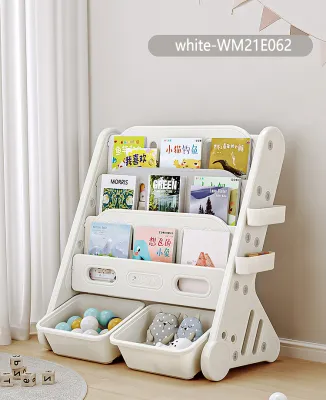
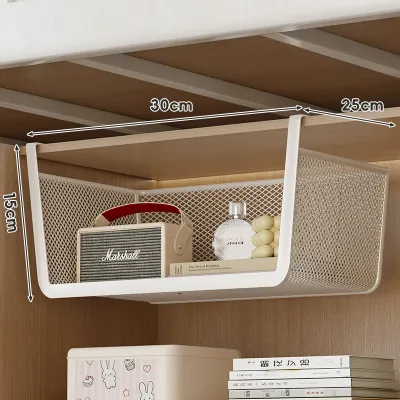
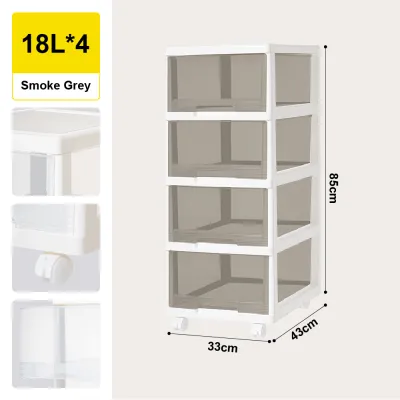
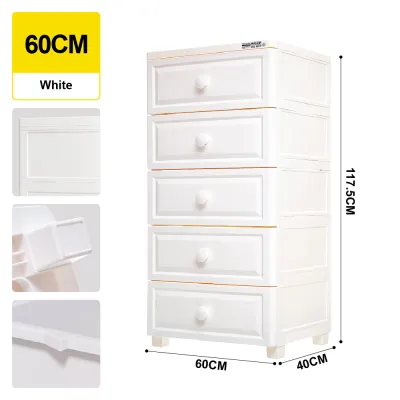
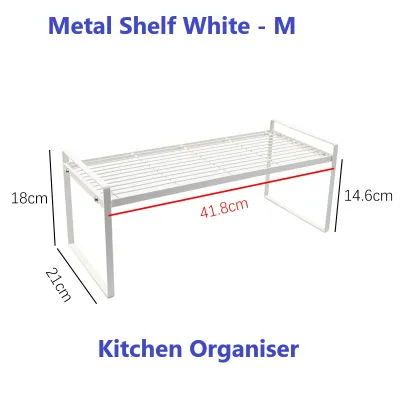
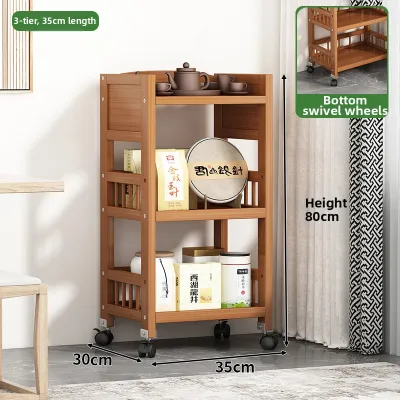
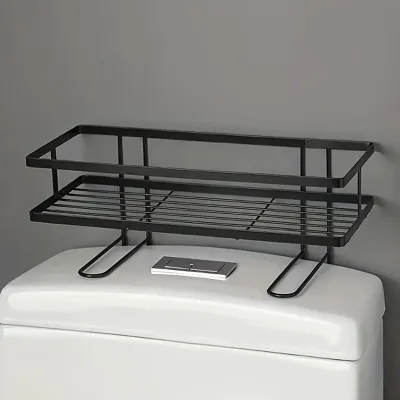
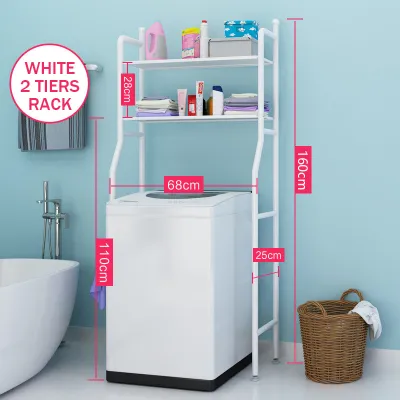
Prices are valid at publication and may change. Please refer to the product page for the latest price.
Primary Space-Saving Mechanisms Understanding how a piece saves space is the first step in planning your layout.
- Vertical folding: This mechanism utilizes wall space to store large items, such as beds or desks, upright when they are not in use, freeing up valuable floor area.
- Expandable surfaces: Tables with drop-leaves or pull-out extensions allow you to adjust the surface area based on the number of users, keeping the footprint minimal during daily use.
- Hidden storage: Furniture like storage ottomans or lift-top tables conceal household clutter within their structural frames, eliminating the need for extra cabinets.
HDB-Specific Spatial Constraints HDB flats present unique architectural challenges that dictate what furniture will physically fit. Narrow corridors, standard door frames, and the tight turn radius of passenger lifts can make delivering fully assembled, bulky items difficult or impossible. Additionally, the open floor area in living rooms and bedrooms is often limited, meaning you must carefully calculate the clearance needed for furniture to expand without blocking access to doorways, built-in wardrobes, or household shelters.
Practical Evaluation Framework Before purchasing any folding piece, balance the frequency of use against the physical effort required to operate the mechanism. For daily-use items like bed-to-desk systems, prioritize smooth, gas-strut or spring-assisted mechanisms that require minimal physical strength. For occasional-use items like guest beds or large dining tables, a manual hinge system may suffice. Additionally, inspect the visual bulk of the furniture when folded; a piece should look clean and integrated into your decor even when closed, rather than appearing like an awkward, oversized box.
Living and Dining: Foldable Tables and Convertible Seating
The living and dining areas are the social heart of an HDB flat, but they are also the spaces where floor area is most rapidly consumed. Balancing daily relaxation with hosting family or enjoying meals requires furniture that can shrink or expand on demand. By integrating convertible seating and adaptable tables, you can preserve an open, airy feel during the day while remaining fully prepared for guests in the evening.

Drop-Leaf and Expandable Dining Tables
Dining tables are notorious for occupying permanent floor space, even when they are only used for a fraction of the day. Drop-leaf and expandable dining tables solve this by offering a convertible footprint. A typical drop-leaf table can function as a slim console table or a small two-person breakfast bar against a kitchen wall, then expand to accommodate four to six people when the hinged leaves are raised.
When planning for an expandable table, you must measure the surrounding floor space in its fully open state. Ensure there is at least 70 to 80 centimeters of clearance around the expanded table to allow chairs to be pulled out and to permit comfortable walking paths. If the table blocks the main pathway to the kitchen or the household shelter when fully opened, it may cause daily frustration.
The structural base of the table also plays a critical role in its usability and stability. Pedestal bases offer excellent leg clearance and allow you to squeeze in extra chairs without guests knocking their knees against table legs. However, they must be heavily weighted to prevent tipping when the table is fully extended. Legged bases generally offer superior stability for larger extensions but limit where chairs can be placed. Check the manufacturer’s joint construction and locking mechanisms to ensure the table remains stable under load.
Convertible Sofa Beds and Futons
For HDB flats without a spare bedroom, a convertible sofa bed is a practical way to accommodate overnight guests in the living room or study. These pieces serve as standard three-seater sofas by day and unfold into full-sized beds by night. However, because they serve two distinct functions, finding a model that does not compromise on either comfort or space requires careful inspection.
The transformation mechanism is the most critical component to test in a physical showroom. Look for smooth, high-quality metal hinges or pull-out tracks that operate without catching or requiring excessive force. Stiff, cheap mechanisms are prone to wearing out quickly and can scratch your flooring if they scrape across tiles or vinyl during operation.
There is a natural trade-off between sleeping comfort and folded bulk. Thick, high-density foam or pocket-spring mattresses offer excellent support for sleeping but result in a deeper, heavier sofa frame when folded. Conversely, thin futon mattresses fold into a slim, modern profile but may lack the support needed for a restful night’s sleep. Consider how often the bed will be used; a thicker mattress is essential if the sofa bed serves as a primary sleeping surface, while a slimmer profile is acceptable for occasional guest use.
Always verify the exact clearance required in front of the sofa before purchasing. The bed must be able to extend fully without colliding with TV consoles, coffee tables, or sliding balcony doors. Ensure there is still a clear path to the bathroom and main exit when the bed is completely deployed.
Lift-Top Coffee Tables
A lift-top coffee table is an exceptionally versatile piece for HDB living rooms, acting as a coffee table, a temporary work-from-home desk, and a dining surface all in one. Using a mechanical spring or gas-strut system, the tabletop lifts upward and forward, bringing the surface closer to you while you sit comfortably on the sofa.
This elevated position eliminates the need to hunch over a low table when typing on a laptop or eating dinner. Underneath the lifting mechanism lies a spacious internal compartment, providing hidden storage for remote controls, board games, chargers, and notebooks, keeping the living room free of visual clutter.
However, these tables come with specific stability and weight limits. The lifting mechanism is designed to support lightweight items like laptops, books, and dining plates; leaning heavily on the extended surface or placing heavy objects on it can strain the hinges or cause the table to tip forward. Before buying, check the manufacturer’s specified weight capacity for both the closed and lifted states, and test the table in-store to ensure the lifting mechanism locks securely in place without wobbling.
Bedroom and Workspace: Wall Beds and Fold-Down Desks
As remote work remains a common arrangement in Singapore, finding space for a dedicated home office in a standard HDB bedroom can be challenging. When a spare bedroom is not available, the key is to look upward and utilize vertical space. Wall-mounted furniture and vertical folding beds allow you to reclaim the floor during the day, transforming a sleeping area into a productive workspace in seconds.
Wall Beds with Integrated Desks or Shelves
Often referred to as Murphy beds, wall beds with integrated desks or shelving units are the ultimate vertical space savers. During the day, the bed folds flat against the wall, revealing a wide, functional study desk or a sleek shelving unit. At night, the bed pulls down over the desk, often utilizing a clever balancing mechanism that keeps the desk surface parallel to the floor so you do not even have to clear your laptop or papers.
Because wall beds carry significant weight and experience constant movement, structural safety and secure anchoring are non-negotiable. These units must be anchored directly to solid, load-bearing concrete walls. Attempting to mount a wall bed to lightweight gypsum board partitions or hollow brick walls can lead to catastrophic structural failure and serious injury. Always consult a professional contractor or structural engineer to verify your wall type before installation.
You must also verify the vertical clearance and swing radius of the bed frame. Ensure that when the bed is being lowered, it does not interfere with ceiling fans, hanging light fixtures, or wall-mounted air conditioning units. Measure the distance from the wall to the foot of the bed when fully extended, leaving enough room to walk around the bed comfortably.
Fold-Down Wall Desks and Floating Workstations
If you only need a workspace and already have a traditional bed, a fold-down wall desk is an excellent alternative. These compact units mount directly to the wall and feature a hinged door or panel that folds down to become a writing desk, supported by brackets or a folding leg. When closed, they protrude only a few centimeters from the wall, keeping pathways completely clear.
These desks are ideal for narrow bedrooms, guest rooms, or even unused corridors. However, because they are suspended, they have strict weight limits. Most models are designed for laptops, notebooks, and lightweight monitors; they are not suitable for heavy desktop towers or multiple large screens. Always check the manufacturer’s specified load capacity and ensure the mounting hardware is appropriate for your wall type.
Cable management is another crucial consideration. Exposed, dangling power cords and internet cables can quickly ruin the clean, minimalist look of a folded-up desk. Look for models that feature built-in cable routing holes, internal power strip compartments, or magnetic cord organizers to keep your workspace neat and safe.
Flexible Extras: Storage Ottomans and Foldable Seating
While major furniture pieces handle the primary layout challenges, auxiliary furniture provides the flexibility needed to handle daily variations in household activity. These smaller, movable items can be easily tucked away, stacked, or repurposed, ensuring you are always prepared for guests or extra storage needs without permanently crowding your rooms.
Storage Ottomans and Benches
Storage ottomans and benches are highly functional double-duty pieces that fit perfectly into HDB entryways, living rooms, or at the foot of a bed. They provide a comfortable place to sit while putting on shoes or chatting with family, while their hollow interiors offer valuable storage space for items like extra cushions, bed linens, shoes, or children’s toys.
When selecting an ottoman, check the internal dimensions rather than relying solely on the external size. Thick padding and robust structural walls can significantly reduce the actual storage volume inside. Ensure the depth and width are practical for the specific items you plan to store.
For households with young children or elderly family members, safety features are paramount. Look for storage benches equipped with slow-close safety hinges or hydraulic lid supports. These mechanisms prevent the heavy lid from slamming shut unexpectedly, protecting fingers from getting trapped and ensuring smooth, quiet operation.
Foldable and Stackable Accent Chairs
Hosting dinner parties or family gatherings in an HDB flat often presents a seating dilemma. Keeping a large set of permanent dining chairs is impractical for daily life, but traditional plastic stools can detract from your home’s aesthetic. Modern foldable and stackable accent chairs offer a stylish, comfortable solution that can be easily hidden when not in use.
High-quality folding chairs are designed with ergonomic curves, padded seats, and attractive wood or metal finishes, making them look like permanent dining furniture when deployed. When folded, they are slim enough to be slid under a bed, tucked behind a wardrobe, or hung on wall-mounted hooks inside a utility closet.
Stackable chairs are another excellent option, allowing you to stack four to six chairs vertically in a single corner. Before purchasing stackable models, check the maximum recommended stack height and measure the clearance of your storage area. Ensure the chairs have protective pads on the undersides of their seats or legs to prevent scratching when stacked on top of one another.
Pre-Purchase Checklist: Dimensions, Clearance, and Installation
To avoid the frustration of purchasing furniture that cannot be delivered or safely installed, use this practical checklist before finalizing any order for your HDB flat.
- Delivery and Pathway Measurement: Do not assume a piece of furniture will fit into your home just because it fits your living room floor plan. Measure the height and width of your HDB lift doors, the interior cabin dimensions of the lift, and the width of the common corridors and stairwells. Most importantly, measure your main door frame and any internal doorways. Sofa beds, large dining tables, and wall bed cabinets are often delivered in large, heavy boxes that require ample clearance to navigate tight corners.
- Clearance and Swing Radius: Create a physical or digital layout map of your room. Mark the exact footprint of the furniture in both its closed (folded) and open (fully extended) states. Use painter's tape on the floor to visualize the space. Ensure you account for the "operator clearance"—the space needed for a person to stand comfortably while unfolding a sofa bed or pulling down a wall bed. Check that no open drawers, cabinet doors, or room doors will collide with the furniture when it is in use.
- Wall and Floor Structural Limits: Identify the structural composition of your walls before purchasing any wall-mounted furniture like wall beds or floating desks. Refer to your HDB floor plan: solid black lines indicate reinforced concrete walls, which are highly stable and suitable for heavy anchoring, while thin double lines indicate non-load-bearing partition walls or hollow bricks. Heavy items must never be mounted to partition walls without professional reinforcement. Additionally, check if your flooring material (such as delicate vinyl or engineered wood) requires protective felt pads or rubber wheels to prevent scratches from moving parts.
- Mechanism Testing and Warranty: Whenever possible, visit a physical showroom to test the furniture's moving parts yourself. Open and close the mechanisms multiple times. Listen for squeaks, feel for resistance, and check that safety locks and catches engage securely. Because multi-functional furniture relies heavily on moving parts, verify the warranty terms. Look for manufacturers that offer a dedicated warranty on the mechanical components (hinges, gas struts, springs) rather than just the wooden frame, and ensure they have local after-sales support in Singapore to handle repairs or replacement parts.
Frequently Asked Questions (FAQ)
Understanding the practicalities of owning and maintaining multi-functional furniture can help you avoid common pitfalls and ensure your investment lasts for years.
Do I need a permit to install a wall bed in an HDB flat?
Generally, you do not need a formal HDB renovation permit to install standard wall-mounted furniture, including wall beds. However, because these pieces require deep drilling into structural walls to ensure safety, you must strictly avoid cutting or damaging any embedded electrical conduits or water pipes. If your installation requires hacking or structural modifications to the wall itself, you must consult your interior designer, a registered HDB renovation contractor, or refer to the official HDB renovation guidelines to ensure complete compliance with structural safety rules.
How do I maintain the hinges and moving parts of folding furniture?
Regular maintenance is key to keeping your folding furniture operating smoothly and extending its lifespan. Periodically vacuum or wipe down the tracks, hinges, and joints to keep them free of dust, hair, and debris, which can cause friction and accelerate wear. If a joint begins to squeak or feel stiff, apply a small amount of a manufacturer-approved light lubricant (such as silicone spray) directly to the moving parts, taking care to wipe away any excess to avoid staining the surrounding fabric or wood finish. Avoid using harsh chemical cleaners or heavy grease, which can attract dirt and damage the mechanism over time.
Community discussion
Share your experience or ask a question. Comments are reviewed before publication.