
Finding the perfect seating for your kitchen island requires balancing comfort, height, and aesthetics. If you are a fan of minimalist Japanese design, you have likely considered integrating a MUJI chair or stool into your kitchen setup. While the brand is celebrated for its standard dining chairs, choosing the right high seating option for a kitchen counter requires careful attention to dimensions, materials, and spatial planning. The ideal MUJI chair or stool for your kitchen island must not only match the clean, wood-toned aesthetic of your home but also align precisely with your counter height to ensure a comfortable and safe dining experience.
Selecting the right model involves understanding the specific height categories MUJI offers, evaluating the spatial constraints of your kitchen layout, and considering how the materials will hold up in a high-humidity, high-spill cooking environment. By matching the seat height to your counter, planning for adequate elbow room, and following proper maintenance steps, you can create a highly functional and visually cohesive breakfast bar or kitchen island hub.
Matching MUJI Seat Heights to Your Kitchen Island
Before purchasing any seating, establishing the correct height relationship between your kitchen island and your stools is essential. A mismatch of even a few centimeters can result in an uncomfortable seating posture, forcing you to either slouch over the counter or sit uncomfortably low with the countertop at chest level. To avoid this, you must measure your kitchen island height carefully and understand the standard industry classifications for high seating.
Products mentioned in this guide
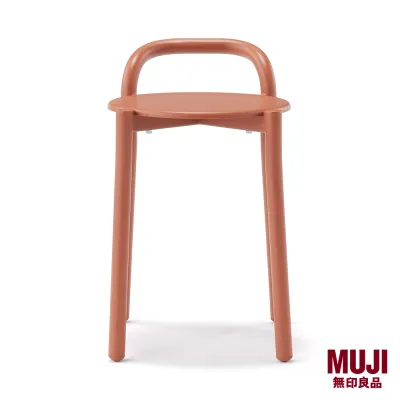
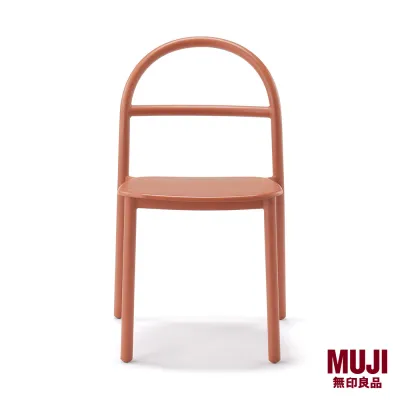
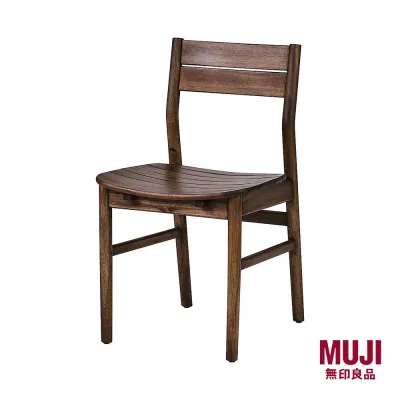
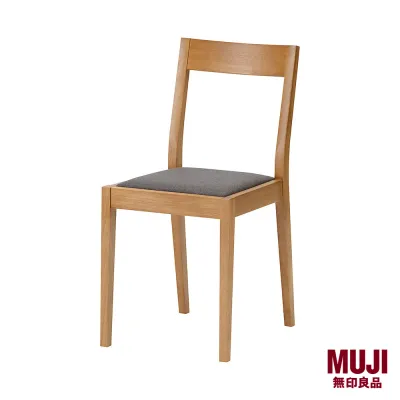
Prices are valid at publication and may change. Please refer to the product page for the latest price.
Kitchen counters generally fall into two main categories: counter height and bar height. A standard kitchen counter or island typically stands between 85cm and 90cm from the floor. This setup requires a counter stool with a seat height of 60cm to 65cm. On the other hand, professional bar counters or elevated breakfast bars usually stand between 100cm and 105cm from the floor, requiring a true bar stool with a seat height of 70cm to 75cm. Knowing which category your island falls into is the first step in narrowing down your options.
To determine the exact seat height you need, measure from the floor to the top surface of your island countertop. Next, measure from the floor to the underside of the countertop or the bottom of the island’s apron. This second measurement is crucial because it reveals the actual clearance space available for your legs. For comfortable seating, aim for a clearance of 25cm to 30cm between the top of the stool’s seat cushion or wooden surface and the underside of the countertop. This gap provides ample room to cross your legs and move freely without hitting the structure.
It is important to note that standard dining chairs are not designed for kitchen islands. A standard MUJI chair typically features a seat height of 40cm to 45cm, which is engineered to pair with standard dining tables that stand around 70cm to 75cm high. If you attempt to use these standard dining chairs at a typical 90cm kitchen island, you will find the seating position far too low for practical use. Standard dining chairs should only be used at a kitchen island if the island has been custom-built or modified with a dropped tier that matches standard dining table heights.
When browsing official store listings or product tags, pay close attention to the exact dimensions provided rather than relying solely on product names. Retailers sometimes use the terms “high stool,” “counter stool,” and “bar stool” interchangeably. Always verify the physical seat height specification listed on the product label or official website to ensure it matches your calculated requirements before making a purchase.
Top MUJI Bar Stool and High Seating Styles for Island Use
When selecting a high stool from MUJI’s furniture lineup, several design factors come into play. You must evaluate the stool’s stability, its physical footprint, how easy it is to clean, and how well it fits into your overall home aesthetic. MUJI’s furniture philosophy centers on simplicity, natural materials, and functional design, making their high seating options highly sought after for minimalist, Japandi, and contemporary homes.

Solid Wood Bar Stools with Backrests (Oak and Walnut)
For households that use their kitchen island as a primary dining area, workspace, or social hub, a solid wood high stool with a built-in backrest is often the most practical choice. Typically crafted from high-quality North American white oak or walnut, these stools offer excellent structural stability and a classic, warm aesthetic that complements wood-accented interiors.
- Best for: Families, remote workers, or individuals who spend extended periods sitting at the kitchen island. The backrest provides essential lumbar support, making long seating sessions comfortable for dining, typing on a laptop, or chatting with guests.
- Limitations: Stools with backrests are inherently heavier and more cumbersome to move when sweeping or mopping the kitchen floor. They also occupy more visual and physical space, and the backrest may prevent the stool from being pushed fully underneath the island if the counter overhang is shallow or if the island has a low decorative apron.
- Pre-purchase check: Measure the height of the backrest and any armrests against the clearance of your island's overhang. Ensure there is enough space to slide the stool at least halfway under the counter when not in use to keep your kitchen walkways clear.
Backless Wooden Counter Stools and Round Stools
If your kitchen layout is compact, or if you prefer a clean, uncluttered look, backless wooden stools are an excellent alternative. Often constructed from solid ash or oak, these stools feature a minimal footprint and a simple, timeless silhouette that blends seamlessly into the background.
- Best for: Compact HDB flats or condominium kitchens in Singapore where space is at a premium. Because they lack backrests, these stools can be tucked completely underneath the kitchen island countertop when not in use, keeping high-traffic walkways entirely unobstructed.
- Limitations: The lack of back support makes these stools less suitable for long, multi-course meals or extended working sessions. Users must rely on their own core strength to maintain good posture, which may cause fatigue over time.
- Pre-purchase check: Measure the width of your island's seating bay and compare it to the seat diameter or width of the stools. Ensure you can fit the desired number of stools side-by-side under the overhang without them crowding each other or protruding into the kitchen aisle.
Lightweight and Alternative MUJI Seating Options
For homes that require flexible seating arrangements or a more modern, industrial aesthetic, MUJI occasionally offers alternative high seating designs. These can include lightweight wooden folding high stools, steel-framed stools, or minimalist polypropylene options designed for easy handling and versatility.
- Best for: Small apartments needing temporary seating for guests, or households that prefer lightweight furniture that can be easily moved between the kitchen, living room, or utility space as needed.
- Limitations: Lightweight folding mechanisms contain joints and hinges that require periodic inspection to ensure they remain secure and squeak-free. Materials like molded plastics or acrylics can scratch more easily than solid hardwood and require specific care to maintain their pristine appearance.
- Pre-purchase check: Read the manufacturer's care instructions and weight capacity limits carefully. If selecting a folding model, test the locking mechanism to ensure it remains rigid and stable when weight is applied.
Maintaining MUJI Stools in a Kitchen Environment
Because the kitchen is a high-traffic area prone to moisture, heat, and food spills, keeping your wooden furniture in top condition requires consistent care. Singapore’s tropical climate, characterized by high relative humidity, adds an extra layer of challenge, as fluctuating moisture levels can affect natural wood fibers over time.
Managing Kitchen Hazards
Kitchen islands are subject to daily hazards, including splatters of cooking oil, accidental spills of acidic liquids like lemon juice or vinegar, and direct exposure to steam from rice cookers or kettles. If left unaddressed, these elements can penetrate the wood grain, leading to unsightly stains, sticky grease buildup, or localized warping of the timber.
Safe Cleaning Practices for Solid Wood
To clean your solid oak, walnut, or ash MUJI stools, always use a soft, lint-free microfiber cloth that has been slightly dampened with clean water and thoroughly wrung out. Avoid using soaking wet cloths, as excess water can seep into joints and cause the wood to swell. For regular dusting and light cleaning, wiping along the direction of the natural wood grain is sufficient.
Never use harsh chemical cleaners, bleach, ammonia, or abrasive scouring pads on wooden furniture. These substances can strip away the protective topcoat, leaving the raw wood vulnerable to stains and moisture damage. For stubborn grease splatters, use a highly diluted mixture of mild dish soap and warm water, wipe the area gently, and immediately follow with a dry cloth to remove all trace moisture.
Verifying the Protective Finish
Before applying any cleaning products or wood conditioners, check the manufacturer’s label or product tag on the underside of the seat to identify the specific finish used on your stool. MUJI wooden furniture typically features either a polyurethane (urethane) lacquer finish or a natural oil finish. Each requires a different maintenance approach:
- Urethane Finish: This coating creates a thin, protective plastic barrier over the wood surface, offering excellent resistance to water spots, minor scratches, and food stains. It requires minimal maintenance beyond regular wiping with a damp cloth. Do not apply wood oils or waxes to a urethane-finished stool, as the liquid cannot penetrate the barrier and will leave a sticky residue.
- Natural Oil Finish: This finish penetrates the wood fibers to highlight the natural texture and matte appearance of the timber. While beautiful, oil finishes are more porous and susceptible to staining from standing liquids. Spills must be wiped up immediately. To maintain its moisture resistance and prevent the wood from drying out in air-conditioned environments, you will need to reapply a compatible furniture oil periodically, following the manufacturer's specific care instructions.
Protecting Footrests and Joints
On high stools, the footrest experiences the highest amount of physical wear and tear. It is subjected to constant friction from shoes, which can scuff the finish, and accumulates dirt from the floor. Regularly wipe down the footrest bars and check the joint connections. If your stools feature metal footrest protectors, clean them with a dry cloth to prevent moisture from trapping between the metal and the wood, which could lead to discoloration.
Space Planning and Ergonomics for Island Seating
To ensure your kitchen remains functional and safe, you must plan the layout of your island seating carefully. Properly spacing your stools prevents the kitchen from feeling cramped and ensures that family members and guests can move around the space without colliding with furniture or walls.
Recommended Spacing Rules
When arranging stools along a kitchen island, aim to provide at least 60cm to 70cm of width per seat, measured from the center of one stool to the center of the next. This spacing ensures that adjacent diners have comfortable elbow room and can sit down or stand up without bumping into one another. If your stools have wide bases or built-in armrests, you may need to increase this spacing slightly.
Additionally, consider the clearance behind the stools when they are occupied. To maintain a safe and comfortable walkway, leave at least 90cm to 100cm of open space between the back of the stools and any opposing walls, kitchen cabinets, or appliances. This clearance allows people to walk behind seated guests comfortably and ensures you can fully open refrigerator doors, oven doors, or low cabinets without obstruction.
The Importance of Footrests
Because bar and counter stools position your feet off the floor, a sturdy, well-positioned footrest is essential for ergonomic comfort. Sitting on a high stool without foot support causes your legs to dangle, which puts pressure on the back of your thighs, restricts blood circulation, and can lead to leg numbness over time. A built-in footrest allows you to shift your weight naturally, supports proper spinal alignment, and makes mounting and dismounting the stool much safer and easier.
Safety and Stability Considerations
High seating naturally has a higher center of gravity than standard dining chairs, making stability a primary safety concern, particularly in households with young children, elderly family members, or active pets. Before finalizing your purchase, evaluate the stool’s base width and overall weight distribution. Stools with a wider, heavier base are significantly less likely to tip over if someone leans too far to one side or uses the footrest to climb onto the seat.
If you have young children in the home, supervise them closely when they are using high stools. For added safety, opt for heavier solid wood models with backrests rather than lightweight, backless, or folding designs, as the added weight and structural support help prevent accidental tipping. Ensure the floor surface under the island is perfectly level to prevent the stools from wobbling.
Frequently Asked Questions (FAQ)
Can I use standard MUJI dining chairs at a kitchen island?
Standard MUJI dining chairs are not suitable for standard kitchen islands. These dining chairs typically have a seat height of 40cm to 45cm, which is designed to pair with 70cm to 75cm high dining tables. Because standard kitchen islands stand at 85cm to 90cm high, using a standard dining chair will place you too low relative to the countertop, making dining or working highly uncomfortable. You should only use standard dining chairs if your kitchen island has been custom-built with a dropped, dining-height section.
How do I clean grease off MUJI wooden bar stools?
To clean cooking grease off your wooden stools, mix a few drops of mild dishwashing liquid with warm water. Dampen a soft microfiber cloth in the solution, wring it out thoroughly until it is barely damp, and gently wipe the greasy area along the direction of the wood grain. Immediately dry the surface with a clean, dry cloth to prevent moisture from sitting on the wood. Avoid using abrasive sponges, scouring pads, bleach, or strong chemical degreasers, as these can permanently damage the wood’s protective finish. Always refer to the care label on your specific stool before cleaning.
Are MUJI bar stools suitable for outdoor or semi-outdoor patios?
MUJI’s standard wooden and acrylic stools are designed strictly for indoor use. They are not treated to withstand direct sunlight, rain, wind, or high outdoor humidity levels. Exposing these stools to semi-outdoor patio environments in Singapore can lead to rapid wood warping, joint degradation, fading of the finish, or cracking of acrylic components. To ensure the longevity of your furniture, keep these stools in fully enclosed, climate-controlled indoor spaces.
Community discussion
Share your experience or ask a question. Comments are reviewed before publication.