
When space is at a premium in Singapore’s high-density housing, finding the right movable kitchen island can transform a cramped cooking area into a highly functional workspace. Unlike fixed cabinetry, a mobile island offers the flexibility to adapt to your daily routine, serving as an extra prep surface when cooking and rolling out of the way when you need clear floor space. Navigating the local market requires balancing size constraints, material durability, and mobility features to find a piece that fits both your kitchen layout and your cooking habits.
Maximizing Counter Space in Compact Singapore Kitchens
Modern HDB BTO flats and newer condominiums often feature open-concept, linear, or galley kitchen layouts where counter space is shared between the sink, hob, and built-in appliances. This layout leaves very little continuous surface area for food preparation, leading to cluttered countertops and inefficient workflows during meal preparation. A movable kitchen island addresses these spatial limitations by introducing a versatile, multi-functional surface that can be positioned exactly where you need it.
Beyond acting as a temporary prep station, a rolling island can serve as a casual breakfast counter, a serving cart for hosting guests, or a dedicated zone for small appliances like coffee makers and air fryers. This utility helps free up your primary countertops for active cooking tasks.
Products mentioned in this guide

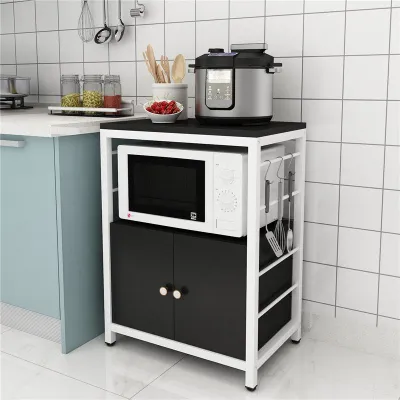
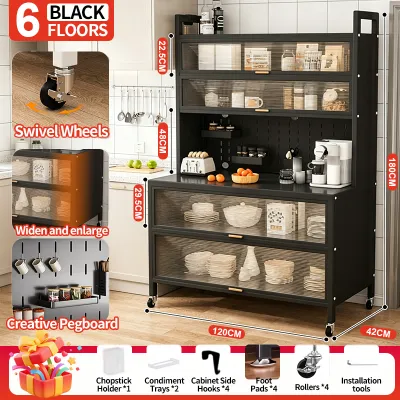
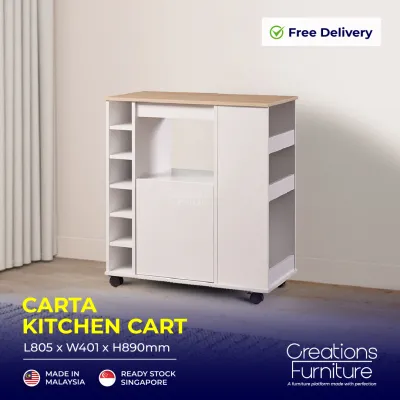
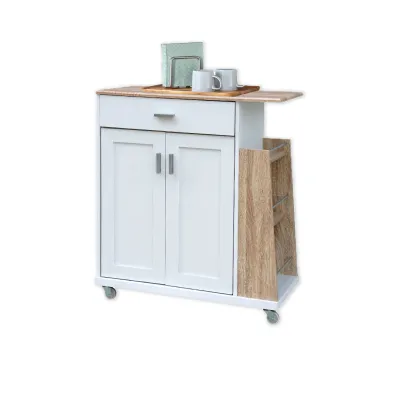
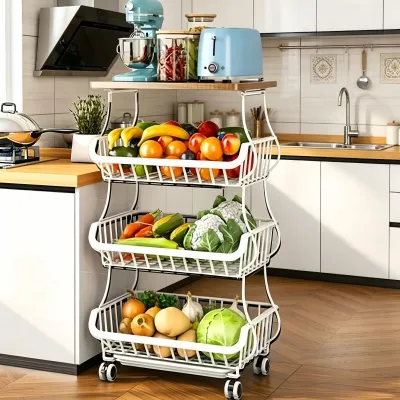
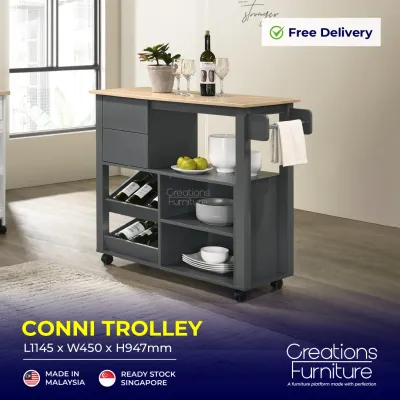
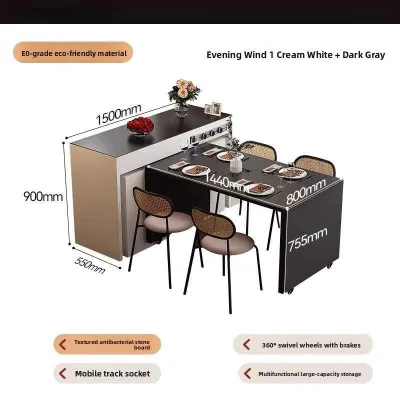
Prices are valid at publication and may change. Please refer to the product page for the latest price.
The defining benefit of a mobile unit is its adaptability. In a narrow galley kitchen, a fixed island would permanently block traffic and make the space feel claustrophobic. A wheeled island, however, can be rolled into the center of the room during prep work and effortlessly guided against an empty wall, into a dining alcove, or even out to the living room once the meal is ready, keeping walkways completely unobstructed.
Essential Features for Small-Space Movable Islands
Selecting a movable island for a compact kitchen requires looking beyond aesthetics to evaluate practical specifications that ensure safety, ease of use, and longevity.

Dimensions and Clearance
To maintain a comfortable and safe kitchen workflow, you must measure your available floor space carefully. A standard kitchen walkway should ideally be between 90 cm and 120 cm wide to allow comfortable passage. When choosing an island, ensure its footprint leaves at least 90 cm of clearance on all active sides when parked. This clearance is vital to ensure you can fully open oven doors, refrigerator drawers, and lower cabinets without obstruction.
Mobility and Locking Mechanisms
High-quality casters are essential for a reliable rolling island. Look for heavy-duty, 360-degree swivel wheels that allow you to steer the unit easily through tight corners. Crucially, at least two of these wheels must feature robust, easy-to-engage locking brakes. These brakes must lock both the wheel rotation and the swivel axis to prevent the island from sliding or pivoting when you are chopping vegetables, kneading dough, or applying downward pressure.
Storage Efficiency
Every square centimeter of a small island must work hard. Look for units that utilize vertical space efficiently with smart storage configurations. Features like deep drawers for pots, adjustable open shelves for frequently used appliances, built-in spice racks, and side towel rails maximize utility without expanding the base footprint. Drop-leaf extensions are exceptionally valuable for small spaces, allowing you to expand the countertop surface when needed and fold it down flush against the unit to save floor space when not in use.
Surface Materials
Do not assume a countertop’s performance based solely on its material name. A solid wood or butcher-block top looks warm but requires regular oiling and is susceptible to water damage if moisture is left standing. Stainless steel offers excellent hygiene and heat resistance but scratches easily and can create a loud, industrial feel. High-pressure laminates and engineered quartz are highly durable, but you must check the manufacturer’s care instructions regarding heat tolerance and moisture resistance. Always verify if the surface requires specialized sealants or specific cleaning agents to prevent staining and warping over time.
Where to Find Reliable Movable Kitchen Islands in Singapore
Singapore offers a diverse retail landscape for home furnishings, allowing you to choose between mass-market modular designs, bespoke local carpentry, or premium imported kitchen systems depending on your budget and space requirements.
Modular and Ready-to-Assemble Furniture Retailers
For homeowners seeking immediate, budget-friendly solutions, major home furnishing retailers with local showrooms—such as IKEA, HipVan, and Castlery—offer a variety of compact rolling carts and modular islands. These options are highly popular due to their modern, minimalist aesthetics and off-the-shelf availability.
However, when opting for flat-pack furniture, you must strictly verify the manufacturer’s specified weight capacities. These units often utilize lighter engineered wood or hollow metal frames, which may not handle heavy kitchen appliances or rigorous chopping. Additionally, check if the retailer stocks replacement casters or assembly hardware locally, as wheels and joints are typically the first components to wear out over years of rolling across tiled floors.
Local Custom Carpentry and Kitchen Specialists
If off-the-shelf options do not fit your kitchen’s unique dimensions, collaborating with local custom carpentry firms or specialized kitchen designers is an excellent alternative. Local specialists can design a bespoke movable island that matches your existing kitchen cabinets perfectly, using identical laminates, hardware, and countertop materials.
This custom approach allows you to integrate advanced features like built-in power tracks so you can plug in appliances directly on the island. However, keep in mind that custom carpentry involves higher upfront costs and longer lead times, often taking several weeks from design approval to delivery. Ensure your carpenter uses a reinforced internal frame and heavy-duty industrial-grade casters. Custom timber or quartz-topped islands are significantly heavier than mass-produced models and require substantial structural support to remain safely mobile.
Premium and Specialty Kitchenware Brands
For those seeking professional-grade durability or luxury finishes, premium furniture and kitchenware brands in Singapore—such as Soul & Tables, Scanteak, or commercial kitchen suppliers like Lau Choy Seng—offer exceptionally robust options. These brands often utilize premium materials like solid teak, oak, or commercial-grade stainless steel.
While these units carry a higher price tag, their build quality ensures they can withstand the rigorous environment of a busy kitchen. Before purchasing, it is highly recommended to visit their physical showrooms to personally test the smoothness of the drawer glides, the stability of the joints, and the strength of the wheel brakes. Always confirm the retailer’s delivery logistics and after-sales support, as heavy solid-wood or steel units can be difficult to transport and assemble without professional assistance.
Measuring Your Kitchen Layout and Delivery Access
Before finalizing your purchase, you must perform a thorough physical assessment of your home to ensure the island fits your space and can be delivered safely.
Walkway and Appliance Clearance
To ensure your kitchen remains functional, map out the traffic flow before buying. Draw a simple floor plan of your kitchen, noting the positions of built-in cabinets, the stove, the sink, and major appliances. Measure the clearance required to fully open your refrigerator doors, oven door, and dishwasher. A minimum walkway of 90 cm is essential for a single cook, while 105 cm to 120 cm is preferred if multiple people share the space. Ensure the island’s parked position does not create a bottleneck or block access to primary work zones.
Delivery Constraints
In Singapore, where most residents live in high-rise apartments, delivery access is a critical consideration. Measure the height and width of your estate’s lift doors, the width of the common corridors, and the clearance of your main entrance door and kitchen entryway. Some premium or custom-built movable islands are delivered fully assembled, which can pose a significant challenge if your doorways or lift space are narrow. Confirm the packaged dimensions with your retailer and clarify whether their delivery service includes navigating tight spaces or if you need to prepare the pathway beforehand.
Utility Integration
If you plan to use your movable island as a station for small appliances, plan your power source carefully. Running extension cords across a kitchen walkway is a major safety hazard and can lead to dangerous spills if a cord is snagged. Position the island near existing wall outlets, or consider installing a ceiling-mounted retractable cable reel or a low-profile floor outlet if your layout permits. Always ensure cords are neatly managed and kept away from wet areas or heat sources.
Safety Limits and Daily Maintenance for Rolling Islands
Proper usage and routine maintenance are essential to keep your mobile island operating safely and to protect your home’s flooring and cabinetry.
Load Management
To maintain stability and prevent tipping, always adhere to the manufacturer’s specified weight limits. When loading your movable island, place the heaviest items—such as cast iron cookware, heavy mixers, or stacks of plates—on the lowest shelves. Keeping the center of gravity low significantly reduces the risk of the island tipping over when pushed or bumped. Avoid placing heavy, vibrating appliances like stand mixers or food processors on the upper surface unless the brakes are fully locked and the unit is rated for such dynamic loads.
Caster and Brake Care
Over time, kitchen floors accumulate dust, hair, and grease, which can easily wrap around wheel axles and clog caster bearings. Inspect the wheels every few months, removing any debris to ensure smooth rolling. Test the locking brakes regularly to verify they still grip the wheels firmly. If the brakes begin to slip or the wheels develop flat spots, contact the manufacturer or a local hardware specialist to source compatible replacement casters.
Surface and Joint Upkeep
Clean the island’s surfaces according to the manufacturer’s specific care instructions. Avoid using harsh abrasive cleaners or excessive water on wooden or laminated surfaces, as moisture can seep into joints and cause swelling or delamination. Because a movable island is subject to constant vibration as it rolls over tile grout lines, structural joints, screws, and bolts can gradually loosen. Periodically check all hardware and tighten any loose fasteners with a screwdriver or Allen key to maintain structural integrity and prevent wobbling.
Frequently Asked Questions (FAQ)
Will the casters damage my kitchen flooring?
Whether casters cause damage depends largely on the wheel material and your kitchen flooring. Hard plastic or nylon wheels can easily scratch softer flooring materials like luxury vinyl tiles (LVT), laminate, or engineered wood, especially if small grit or sand becomes trapped beneath them. For these floors, look for casters made of soft polyurethane (PU) or rubber, which cushion the weight and roll smoothly without scratching. If your kitchen has durable homogeneous tiles, hard casters are generally safe, but you should still keep the floor clean to prevent abrasive wear. If you plan to park the island in one spot for extended periods, consider placing small protective rubber cups or a low-profile mat under the wheels to distribute the weight and prevent indentation.
Can I install a drop-leaf extension on any movable island?
It is highly discouraged to install a DIY drop-leaf extension on a movable island that was not originally designed for one. Drop-leaf mechanisms exert significant leverage and shifting weight on the island’s frame. Pre-built islands are carefully engineered with a specific center of gravity; adding an unauthorized extension can make the unit top-heavy or unstable, creating a serious tipping hazard when weight is applied to the extended leaf. If you require a drop-leaf feature, it is best to purchase a model that includes a factory-designed, structurally tested extension supported by robust, built-in brackets or pull-out wooden supports. Always follow the manufacturer’s guidelines regarding weight limits for the extended portion.
Community discussion
Share your experience or ask a question. Comments are reviewed before publication.