
Finding the right storage solution for a Singapore home requires balancing spatial efficiency, aesthetic warmth, and long-term durability. Modular wooden bookshelves offer an adaptable answer to these challenges, allowing you to customize your storage layout as your collection grows or your living arrangements change. Unlike fixed, heavy furniture, modular systems can be reconfigured, expanded, or divided to fit the evolving footprints of modern apartments, from cozy build-to-order flats to spacious condominiums. To make an informed investment, you must evaluate how these systems interact with your specific floor plan, local environmental conditions, and safety requirements.
Key Criteria for Choosing Modular Wooden Bookshelves
Before browsing online catalogs or visiting local showrooms, establishing clear baseline dimensions and functional requirements is essential. The first factor to evaluate is spatial fit, which involves matching the shelf depth and height to your room’s physical limits. Standard modular shelves typically range from 30 centimeters to 40 centimeters in depth. A depth of 30 centimeters is generally sufficient for standard novels and decorative items while keeping walkways clear in tight corridors or compact study rooms. If you plan to store large art books, binders, or storage boxes, look for modules with a depth of at least 35 to 40 centimeters, but verify that this projection does not obstruct foot traffic or door swings. Height is equally critical; standard Singapore residential ceilings range from 2.6 meters to 2.8 meters, meaning tall modular units must be selected with enough clearance at the top to allow for assembly and ventilation.
Modularity itself requires close inspection of how individual components connect and expand. True modular systems allow you to add vertical tiers, extend horizontal bays, or integrate specialized inserts like drawers and cabinet doors. When evaluating a system, check the manufacturer’s specifications to see if the expansion parts are sold individually and whether the connection mechanisms—such as cam locks, dowels, or modular metal brackets—can withstand being disassembled and reassembled. Systems that rely on proprietary hardware may limit your future expansion options if the manufacturer discontinues the line, so choosing established, long-running modular collections is often a safer strategy for long-term scalability.
Products mentioned in this guide
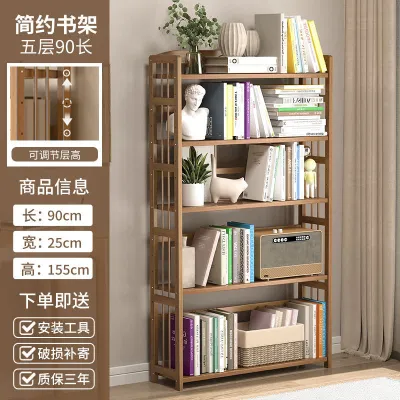
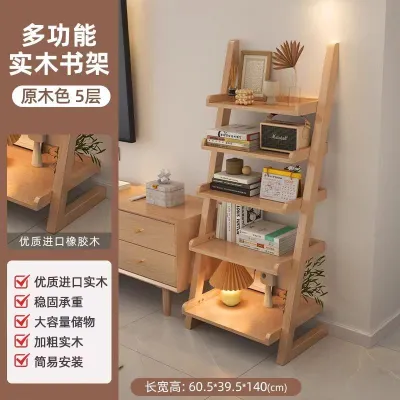
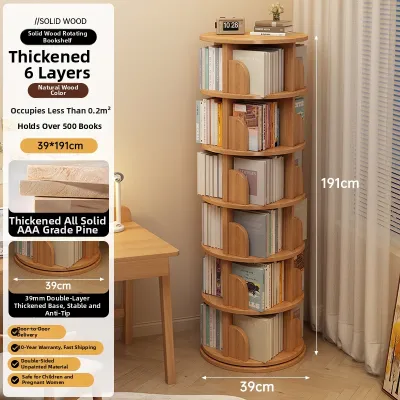
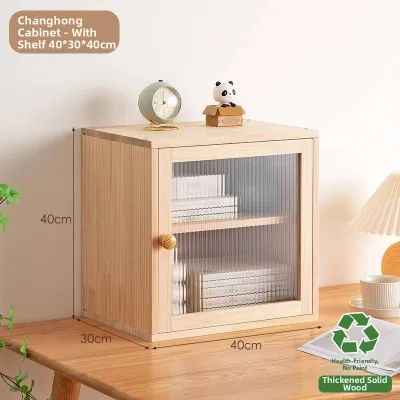
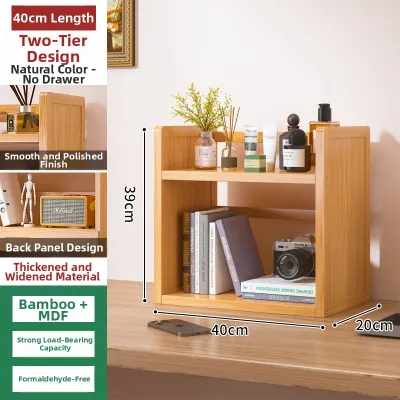
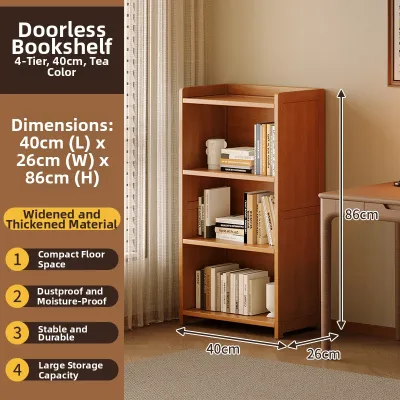
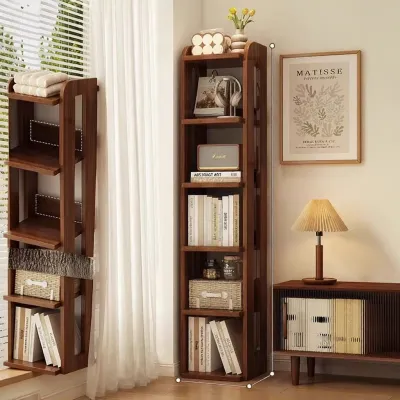
Prices are valid at publication and may change. Please refer to the product page for the latest price.
Load capacity is a critical safety and performance metric that must never be assumed based on material thickness alone. Instead of guessing a shelf’s strength, always locate the manufacturer’s official weight rating, which is typically expressed as a maximum load per shelf (for example, 15 kilograms or 25 kilograms). This rating assumes the weight is distributed evenly across the entire surface rather than concentrated in the center. If you plan to store dense academic textbooks or heavy vinyl records, look for modular systems that feature shorter shelf spans or reinforced support bars, as longer spans are more prone to sagging over time under heavy loads.
Budgeting for a modular wooden bookshelf in Singapore requires balancing upfront costs against material longevity and hardware quality. Entry-level modular units made of basic engineered wood composites can start as low as S$80 to S$150 per section, offering an affordable entry point for light storage. Mid-range options utilizing high-quality plywood or veneered medium-density fibreboard with robust metal connection hardware generally range from S$200 to S$500 per module. Premium systems constructed from solid hardwoods or featuring intricate, highly customizable modular frames can exceed S$800 per unit, representing a long-term investment in furniture that can transition with you through multiple home moves.
Assessing Your Space and Layout Constraints
Measuring your available space involves much more than checking the width of an empty wall. You must account for fixed architectural elements that can prevent a bookshelf from sitting flush against the wall or block access to essential utilities. Skirting boards, which run along the base of most Singapore walls, can push the back of a bookshelf forward by 1 to 2 centimeters, creating a gap that affects stability and overall depth calculations. Additionally, map out the locations of power outlets, light switches, and data ports to ensure your modular units do not cover them up or render them inaccessible. Air-conditioning trunking—a common feature in local apartments—often runs along the upper portions of walls, which can severely limit the maximum height of the shelves you can install in those specific zones.

Delivery and access constraints are another critical hurdle that can disrupt your furniture plans if overlooked. Before finalizing your purchase, measure the dimensions of your building’s passenger lift, including the door opening width, interior height, and diagonal clearance. If you live in an older estate or a walk-up apartment without direct lift access to your floor, verify the width and turn clearance of the stairwells. For flat-pack modular furniture, ensure the individual boxes can fit through your front door and hallway bends; for pre-assembled modular frames, these measurements are even more critical to prevent costly delivery failures or damage to your walls.
Visual weight plays a significant role in how spacious your home feels after the furniture is installed. In compact living rooms or study areas, a solid, dark-wood bookshelf that stretches from floor to ceiling can overwhelm the space, blocking natural light and making the room feel cramped. To maintain a balanced, airy atmosphere, consider modular designs with open backs or slim frames that allow the wall color to show through. Placing taller modules closer to corners and tapering down to lower modules near windows or walkways helps preserve sightlines and maximizes the flow of natural light throughout the apartment.
Evaluating Wood Materials and Structural Stability
Understanding the differences between wood materials is key to selecting a bookshelf that matches your durability expectations and maintenance preferences. Solid wood, such as rubberwood, oak, or teak, offers exceptional natural beauty and structural strength, but it is highly responsive to environmental changes and requires a higher initial investment. Plywood is an excellent mid-tier alternative, constructed from layered wood veneers glued together to create a highly stable core that resists warping and twisting. Engineered wood composites, including particleboard and medium-density fibreboard finished with paper or plastic laminates, are highly cost-effective and lightweight, but they require careful handling to avoid stripping the pre-drilled screw holes during assembly.
The integrity of a modular bookshelf relies heavily on its joinery and connection hardware. Inspect the product specifications or display models to see how the shelves are supported; look for metal shelf pins that fit snugly into pre-drilled holes rather than flimsy plastic pegs that can become brittle and snap over time. For the main structural frame, metal-to-metal connection points—such as cam screws locking into metal threaded inserts—provide far greater stability and allow for repeated disassembly compared to simple wood screws that bite directly into engineered wood fibers. If the modular system allows for height adjustments, ensure the increments are small enough to let you customize the shelf spacing to your specific storage needs without leaving large, unsightly gaps.
Singapore’s tropical climate, characterized by high relative humidity and warm temperatures, presents unique challenges for wooden furniture. Excess moisture in the air can penetrate unsealed wood fibers, leading to swelling, warping, or mold growth, while direct sunlight from large windows can fade finishes and dry out natural timbers. When selecting a modular bookshelf, review the manufacturer’s care instructions to verify if the wood has been treated with a protective sealant, lacquer, or polyurethane coating. For daily maintenance, plan to use a dry or slightly damp microfiber cloth, avoiding harsh chemical cleaners or excessive water that can seep into joints and damage the underlying wood structure.
DIY Assembly and Safety Installation
Assembling modular furniture can be a rewarding DIY project, but it requires realistic preparation and the right tools to ensure a safe, stable result. Before starting, clear a spacious work area on your floor and lay down cardboard or a soft blanket to protect both the furniture pieces and your flooring from scratches. Carefully inventory all panels, shelves, screws, and brackets against the instruction manual’s parts list before beginning assembly. Having a basic toolkit on hand—including a manual screwdriver set, a rubber mallet for tapping dowels gently into place, and a spirit level to check for alignment—will make the process smoother and prevent damage caused by using makeshift tools.
Anti-tip precautions are non-negotiable for any bookshelf unit, particularly those that stand over 1.2 meters tall or feature a narrow depth-to-height ratio. When loaded with books, the center of gravity shifts upward, making the unit vulnerable to tipping forward if pulled or subjected to uneven weight distribution. Most reputable manufacturers include anti-tip wall anchoring kits with their modular shelving units. To install these safely, you must identify your wall type; standard HDB flat walls are typically made of solid concrete or brick, requiring a masonry drill bit, plastic wall plugs, and sturdy screws, whereas some condominium partition walls are made of drywall, requiring specialized hollow-wall anchors to grip the plasterboard securely.
Knowing when to stop and seek professional assistance is crucial for preventing personal injury or permanent damage to your new furniture. If you discover that critical structural hardware is missing from the packaging, or if the pre-drilled holes do not align properly despite following the instructions, halt the assembly immediately and contact the retailer for replacement parts. Attempting to force misaligned joints or drilling new holes without proper guidance can compromise the structural integrity of the entire unit. Additionally, if you do not own a hammer drill or feel uncomfortable drilling into concrete walls to install anti-tip anchors, hiring a professional handyman is a small, worthwhile expense to guarantee the safety of your household.
Building Your Conditional Shortlist
To narrow down your options, map your specific household layout and storage goals to the most suitable modular configurations. For compact corners and awkward alcoves, look for tall, narrow tower modules or specialized L-shaped corner units. These configurations maximize vertical space without encroaching on valuable floor area, making them ideal for small study rooms, narrow entryways, or the tight spaces adjacent to bedroom wardrobes. Choosing modules with adjustable shelving heights within these narrow frames allows you to optimize every centimeter of vertical storage.
If your primary goal is to house a heavy collection of physical books, textbooks, or vinyl records, prioritize structural reinforcement over aesthetic minimalism. Look for modular systems that feature thick shelf boards (at least 1.8 to 2 centimeters thick) and shorter horizontal spans (ideally under 80 centimeters) to minimize the risk of bowing. Additionally, select configurations that incorporate solid back panels or diagonal metal cross-bracing on the rear of the frame, as these elements prevent lateral swaying and keep the entire structure rigid under heavy loads.
For open-concept homes, such as integrated living and dining areas, modular bookshelves can double as highly functional room dividers. Select open-back, double-sided modular designs that look finished from both the front and the back, allowing you to zone different functional areas of your home without blocking natural light or airflow. When using a modular unit as a room divider, ensure the base is exceptionally wide and stable, or choose a system designed to be tension-mounted securely between the floor and the ceiling, as standard wall-anchoring methods will not be applicable in the middle of a room.
Frequently Asked Questions (FAQ)
Can modular wooden bookshelves support heavy book collections?
Yes, modular wooden bookshelves can support heavy collections, provided you verify the manufacturer’s rated weight capacity per shelf before loading them. To ensure long-term stability, distribute the heaviest items, such as large encyclopedias and binders, on the lowest shelves to keep the center of gravity close to the floor. Avoid exceeding the recommended weight limits, and choose modular units with shorter shelf spans or reinforced support brackets to prevent the wood from sagging over time.
How do I prevent wooden shelves from warping in humid conditions?
Preventing wood warping in Singapore’s humid climate requires maintaining consistent indoor ventilation and keeping the furniture away from direct sources of moisture, such as damp walls or air-conditioning condensation lines. Avoid placing your bookshelf in direct sunlight, which can dry out and crack natural wood finishes unevenly. Always follow the manufacturer’s specific cleaning guidelines, using only a dry or slightly damp cloth for dusting, and ensure any spills are wiped up immediately to prevent liquid from penetrating the wood joints.
Community discussion
Share your experience or ask a question. Comments are reviewed before publication.