
Finding the right corner shelf cabinet for a compact Singapore apartment involves balancing vertical storage capacity with a minimal physical footprint. In HDB flats and modern condominiums where every square meter is premium, standard bulky furniture often leaves corners underutilized or blocks essential walkways. A modular corner shelf cabinet solves this by adapting to the exact dimensions of your space, allowing you to build upward rather than outward. By selecting configurations that match your wall type, room layout, and storage needs, you can transform awkward dead zones into highly functional hubs without making your home feel cramped.
Why Modular Corner Cabinets Work for Compact HDB and Condo Spaces
HDB and condo layouts often feature structural columns, household shelter doors, or narrow entryways that create awkward, unusable alcoves. Standard rectangular shelving units cannot sit flush against these corners, leaving dusty, unreachable gaps. A modular corner shelf cabinet is specifically engineered to nestle into these 90-degree intersections, turning dead space into active storage. This is particularly beneficial in tight living rooms or study areas where floor space must be kept clear for daily activities.
The modular nature of these cabinets provides long-term flexibility that traditional fixed furniture cannot match. In Singapore, where residents frequently upgrade from BTO flats to larger resale units or downsize to compact condos, adaptable furniture is a smart investment. You can easily disassemble, reconfigure, or expand a modular system to fit a completely different room layout in your next home, saving you the cost of buying new furniture. This adaptability ensures your storage setup grows alongside your changing lifestyle.
Products mentioned in this guide
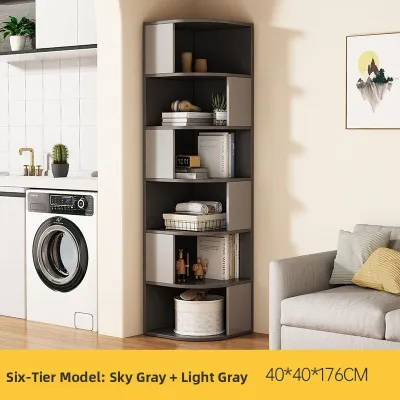
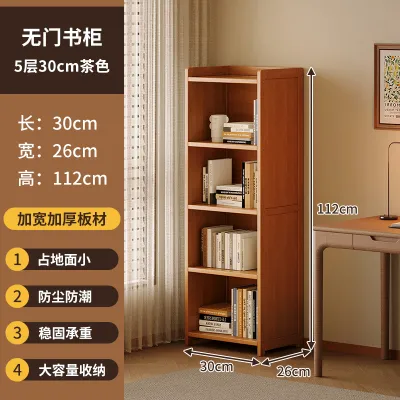
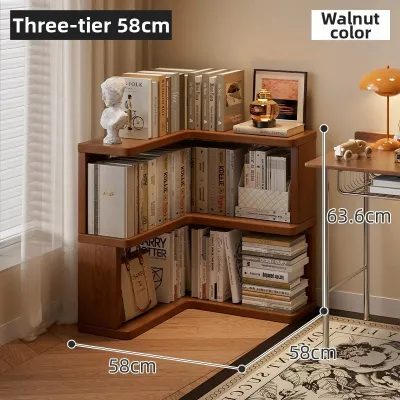
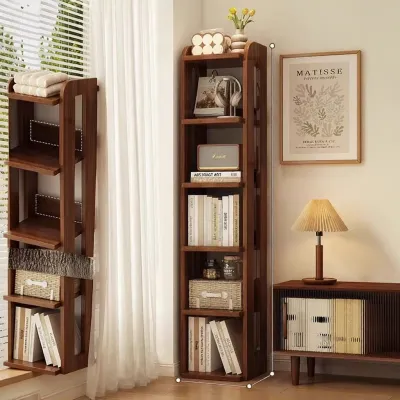
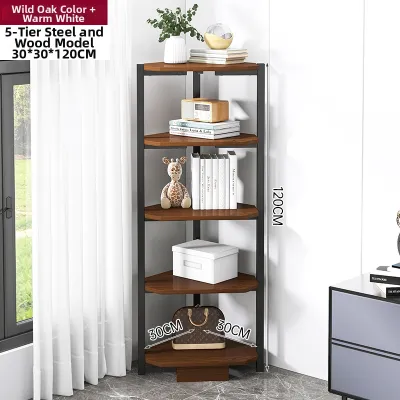
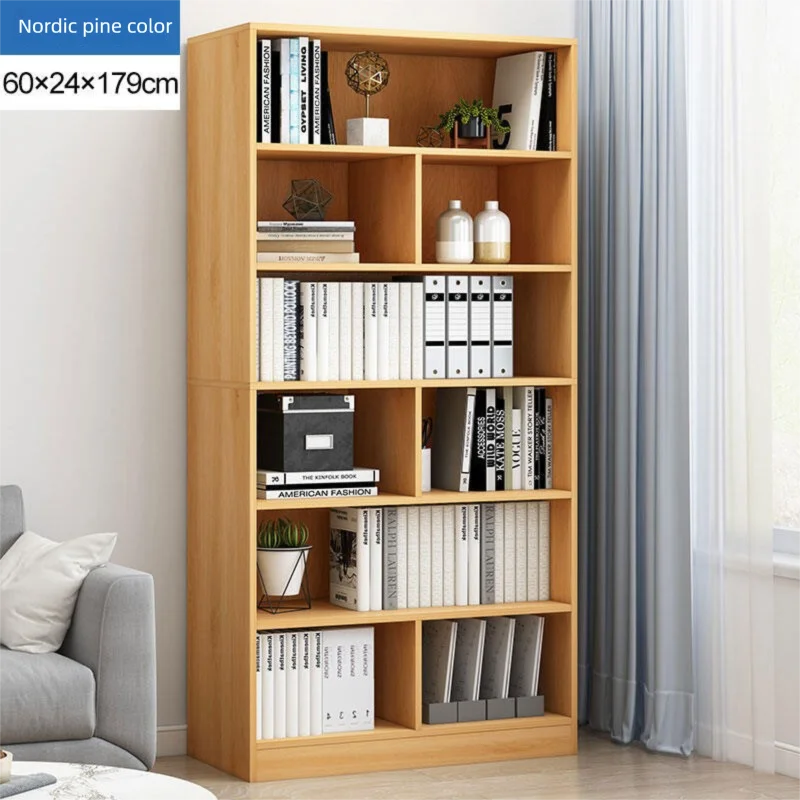
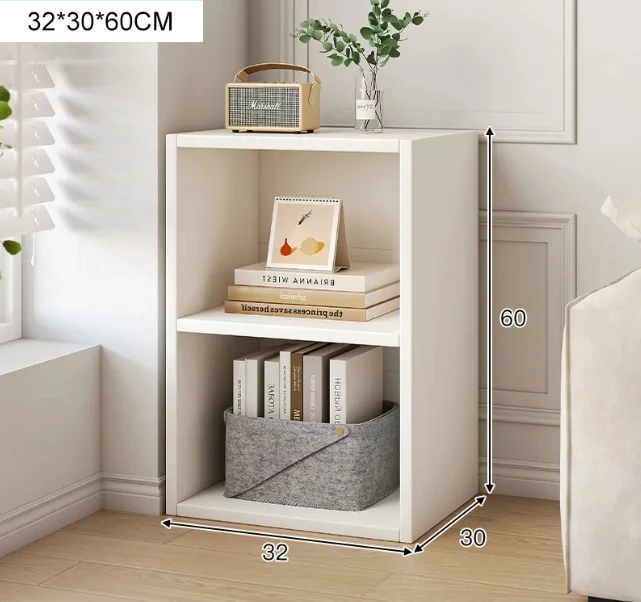
Prices are valid at publication and may change. Please refer to the product page for the latest price.
Utilizing vertical corner space also offers significant psychological and visual benefits. Clutter at eye level or spread across the floor makes small rooms feel claustrophobic and chaotic. By routing storage upward along the corners of a room, you draw the eye upward, creating an illusion of higher ceilings and a more open floor plan. This vertical organization keeps daily essentials accessible while keeping main thoroughfares clear, contributing to a calmer and more organized living environment.
Key Features to Look for in Small-Space Corner Shelving
Dimensions and Proportions Before purchasing, you must evaluate the exact footprint and depth of the corner unit. In narrow HDB corridors or compact living rooms, a cabinet that is too deep will protrude into walkways, creating physical bottlenecks and safety hazards. Look for units with a shallow depth—typically between 30 to 40 centimeters—which provides ample storage for books, decorative items, or storage bins without obstructing foot traffic. Ensure the diagonal face of the corner unit does not extend past your designated boundary, keeping pathways completely clear.

Modularity and Expandability The true value of a modular system lies in its ability to adapt. Look for systems that feature stackable cubes, adjustable shelf heights, or add-on side extensions. Interlocking mechanisms should be robust yet straightforward to assemble, allowing you to add tiers as your storage needs grow. Some systems use peg-and-hole configurations, while others rely on metal brackets or interlocking joints. Verify that the manufacturer offers individual add-on components so you are not forced to buy an entirely new set later.
Material and Finish Singapore’s tropical climate, characterized by high relative humidity, demands careful material selection. Standard untreated medium-density fibreboard (MDF) or low-grade particle board can absorb moisture from the air, leading to swelling, warping, and mold growth. When choosing wood-based modular units, check for moisture-resistant finishes, melamine laminates, or sealed edges. For high-humidity areas like kitchens or bathrooms, powder-coated steel, rust-resistant aluminum, or high-grade plastics are far more durable options. Always check the manufacturer’s care instructions to see if the material is rated for humid environments.
Weight Capacity Indicators Never assume a shelf can hold heavy items simply because it looks sturdy. Always check the manufacturer’s specified load limits per shelf and for the overall unit. If you plan to store heavy books, kitchen appliances, or potted plants, look for units with reinforced metal frames, thick solid wood shelves, or central support pillars. Be aware that modular units rely heavily on the strength of their joints; a system with weak connectors will have a significantly lower weight capacity than a single-piece welded frame.
Recommended Modular Corner Shelf Configurations for Small Apartments
L-Shaped Floor-to-Ceiling Modular Units
- Best Use Case: These tall, interlocking systems are designed to maximize vertical storage by extending from the floor almost to the ceiling. They are highly suited for living rooms, home offices, or study corners where floor space is limited but vertical clearance is abundant. By wrapping around the corner in an L-shape, these units provide exceptional stability and a built-in look that mimics custom carpentry at a fraction of the price.
- Ceiling Clearance and Assembly: When planning for a floor-to-ceiling system, you must measure your exact ceiling height and compare it against the maximum height of the fully assembled unit. Ensure there is at least a 5 to 10-centimeter clearance at the top to allow for assembly and positioning. Check that the modular joints are tightly secured with the provided hardware to prevent any wobbling or shifting over time.
- Wall Anchoring and Safety: Because of their height and potential weight, these units carry a significant tip-over risk. It is absolutely essential to anchor floor-to-ceiling modular units securely to the wall. This is especially critical in households with young children, pets, or older adults, where accidental pulling or bumping could cause a catastrophic collapse. Most manufacturers include wall-anchoring kits; do not skip this step during installation.
Wall-Mounted Floating Corner Shelves
- Best Use Case: Floating modular systems are an excellent choice for keeping the floor area completely clear, which visually expands the room and makes floor cleaning much easier. These systems are ideal for bathrooms, entryways, kitchens, or small bedrooms where floor space is virtually non-existent. By suspending the storage, you maintain a light, airy aesthetic while still utilizing the corner.
- Wall Type Verification: Before purchasing a heavy-duty floating module, you must verify the construction of your wall. In Singapore, HDB flats typically feature incredibly solid concrete structural walls, but they also contain internal partition walls made of drywall or lightweight concrete blocks. Floating shelves mounted on drywall require specialized heavy-duty hollow-wall anchors and have much lower weight limits than those mounted directly into solid concrete.
- Weight Balance and Arrangement: To ensure the longevity of floating shelves, you must arrange items carefully to maintain balance. Avoid placing all heavy items on the outer edge of the shelf, as this exerts maximum leverage on the mounting brackets and wall anchors. Place heavier items closest to the corner intersection where the support is strongest, and use the outer edges for lighter decorative pieces.
Freestanding Tiered Corner Carts and Towers
- Best Use Case: For renters living in HDB flats or condos where drilling holes into walls is strictly prohibited by tenancy agreements, freestanding tiered corner carts and towers offer a highly flexible, damage-free solution. These units require no permanent installation and can be easily moved from room to room or packed up when moving to a new apartment.
- Mobility and Adjustability: Look for freestanding units that feature lockable casters, which allow you to roll the cart out of the corner for easy cleaning or to access items stored at the back, and then lock it securely in place. Many of these towers feature adjustable tier heights, allowing you to customize the spacing for tall bottles, kitchen canisters, or cleaning supplies. Their narrow footprints are specifically designed to slip into tight corners beside refrigerators, washing machines, or sofas.
- Stability Limitations: However, freestanding units do have distinct limitations regarding weight capacity and stability. Because they are not anchored to the wall, they are more prone to tipping if overloaded or if weight is distributed unevenly. Always place the heaviest items on the bottom shelf to lower the center of gravity, and avoid stacking heavy objects on the upper tiers.
How to Measure and Plan Your Corner Space Before Buying
Accurate measurement is the single most critical step in choosing a corner shelf cabinet. Do not rely on visual estimates, as even a discrepancy of a few millimeters can prevent a modular unit from fitting flush into a corner. Begin by measuring the width and depth of the available floor space along both walls forming the corner. Measure the height from the floor to the ceiling, or to the lowest obstruction if you are placing the unit under a beam or cabinet.
Take these measurements at multiple points—specifically at the bottom, middle, and top of the wall. Walls in both older HDB flats and brand-new condos are rarely perfectly plumb, and floors can have slight slopes. If there is a variance in your measurements, always use the smallest dimension as your guide to ensure the cabinet will slide into place without scraping the walls.
Next, identify and measure around physical obstacles that could interfere with the cabinet’s placement. Skirting boards run along the base of most walls and will prevent a flat-backed cabinet from sitting flush against the wall unless the unit features a base cutout. Measure the height and depth of your skirting boards. Additionally, check for power outlets, light switches, air-conditioning trunking, internet ports, and window sills. A cabinet that blocks a power outlet or prevents a window from opening fully will quickly become a source of daily frustration.
Finally, calculate the necessary clearance for surrounding elements and human movement. Open the doors of nearby cabinets, wardrobes, or rooms to ensure they do not collide with the new corner unit. If the corner cabinet has doors or drawers, measure their full extension to confirm they can open completely without hitting walls or other furniture. Leave at least 60 to 70 centimeters of clear walkway space in front of the unit so you can stand and access your items comfortably.
Installation and Safety Checks for Modular Shelving
Proper installation is paramount to the safety and durability of your modular corner shelf cabinet. When mounting or anchoring units, you must use the correct wall plugs and screws designed specifically for your wall material. For solid concrete or brick walls common in Singapore HDB flats, use heavy-duty masonry expansion plugs. For internal drywall partitions, use specialized toggle bolts or hollow-wall anchors. Using the wrong anchor can lead to the shelf pulling out of the wall under load.
Weight distribution plays a vital role in preventing structural failure or sagging over time. Always distribute weight evenly across the entire surface of each shelf rather than concentrating heavy items in the center. Place your heaviest possessions—such as books, heavy kitchen appliances, or storage boxes—on the lowest shelves. This keeps the unit’s center of gravity low, significantly improving overall stability and reducing the strain on upper modular joints.
While many modular systems are designed for straightforward DIY assembly, you must recognize when to stop and consult a professional installer or the manufacturer. If you are dealing with complex floor-to-ceiling systems, heavy solid wood modules, or if you are unsure about drilling into walls containing hidden electrical wiring or water pipes, hiring a qualified handyman is a highly recommended safety measure. If the manufacturer’s instructions conflict with your specific home setup, always prioritize professional guidance.
Frequently Asked Questions (FAQ)
Can I install heavy modular corner cabinets on HDB drywall?
It is not recommended to mount heavy modular corner cabinets directly onto standard HDB drywall partitions without proper reinforcement. Drywall lacks the structural strength of concrete and can fail under heavy loads. If you must mount a unit on drywall, you must locate the internal metal or wood studs using a stud finder and secure the mounting brackets directly into them. Alternatively, use specialized heavy-duty hollow-wall toggle anchors, and strictly adhere to the manufacturer’s reduced weight limits for drywall installations. If the cabinet is exceptionally heavy, opt for a freestanding corner tower instead.
How do I prevent modular shelves from sagging over time?
To prevent modular shelves from sagging, always adhere strictly to the manufacturer’s maximum load capacity guidelines. Distribute weight evenly across the shelf surface, placing heavier items near the sides or corners where the shelf receives the most structural support from the frame. For wide modular shelves, consider adding a central support bracket or choosing units reinforced with metal under-shelf bars. Regularly inspect the shelf for any signs of bowing; if you notice even a slight curve, immediately reduce the load to prevent permanent warping or structural failure.
Community discussion
Share your experience or ask a question. Comments are reviewed before publication.