
The best modular corner bookshelf for a small Singapore apartment is one that adapts to the exact dimensions of your room, utilizes vertical space, and features a layout that does not block natural light or foot traffic. In compact layouts like HDB flats and condominiums, every square centimetre counts. Standard linear bookshelves often leave corners empty, creating awkward gaps that accumulate dust. A modular corner shelf solves this by wrapping seamlessly into the corner, turning a neglected nook into a functional home library or display hub.
By choosing a modular design, you gain the flexibility to customize the height, width, and overall configuration of your shelving. This adaptability is crucial in modern apartments where rooms often serve multiple purposes, such as a combined home office and guest bedroom. Selecting the right corner bookshelf allows you to maximize your storage potential while maintaining a clean, open, and inviting living environment.
Why Modular Corner Shelves Maximize Small Apartment Spaces
Corners are notoriously difficult to furnish in small apartments. Standard rectangular units placed near a corner inevitably leave unusable triangular voids behind them. Corner-specific shelving is engineered to sit flush against both intersecting walls, reclaiming this “dead space” entirely. This design allows you to establish a high-capacity storage area without encroaching on central floor space or blocking primary walkways.
Products mentioned in this guide
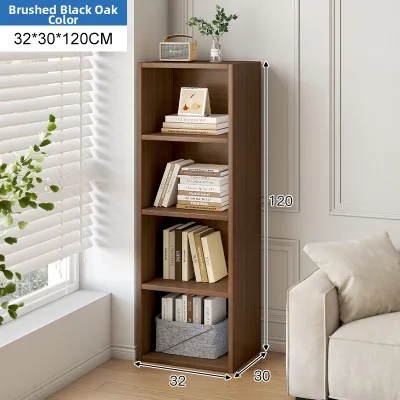
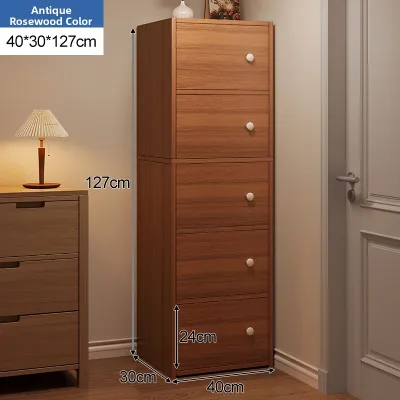
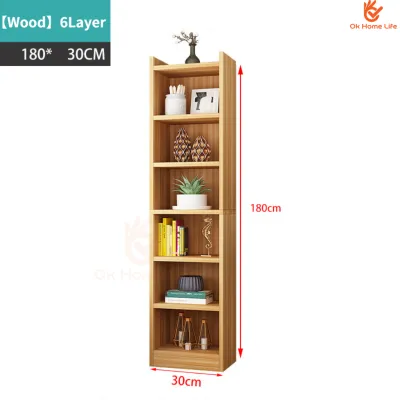
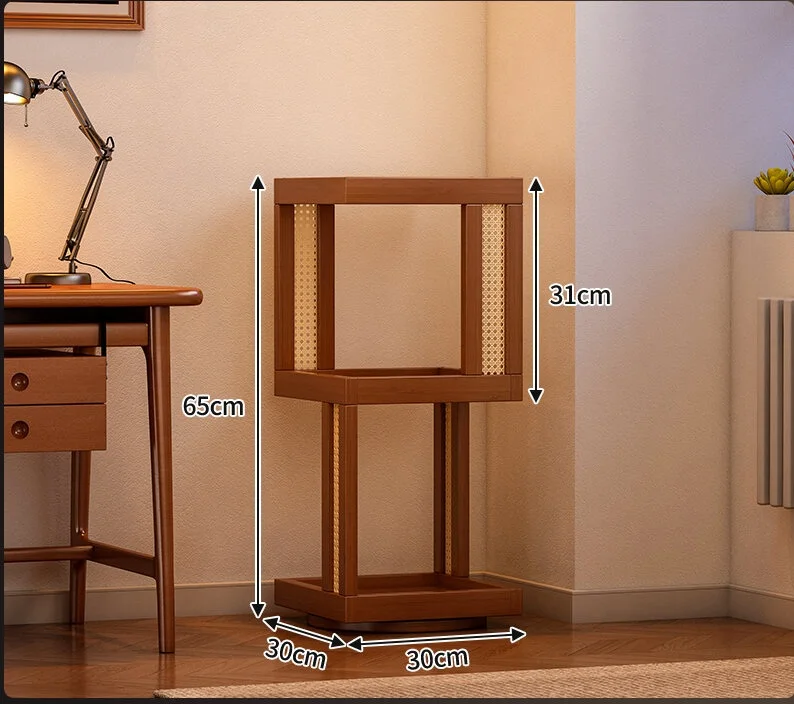
Prices are valid at publication and may change. Please refer to the product page for the latest price.
The flexibility of modular designs is a major advantage for Singapore residents. Unlike fixed, single-piece furniture, modular systems let you start with a basic setup and expand as your book collection grows or your spatial needs change. You can add extra tiers, stack units vertically, or extend them horizontally along one wall. This adaptability is incredibly useful if you move to a new home or decide to reconfigure your living room layout in the future.
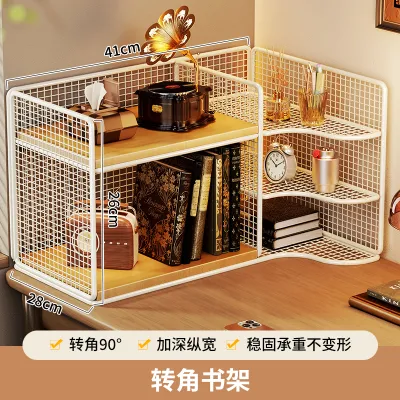
In compact HDB or condo rooms, heavy, solid-wood furniture can make a space feel boxed in and claustrophobic. Modular corner shelves—especially those with open-back designs, slender metal frames, or tiered profiles—allow light to pass through. This maintains a sense of visual lightness, preventing the room from feeling cramped or cluttered even when the shelf is fully loaded with books and decor.
Furthermore, utilizing corner spaces helps to define distinct zones within an open-concept living area. A well-placed corner shelf can act as a visual anchor, separating a study nook from the main living room without the need for bulky room dividers. This zoning effect creates a more organized and functional home environment, which is essential for comfortable small-space living.
Key Features to Evaluate for Small-Space Corner Bookshelves
Before purchasing a corner book shelf, you must carefully evaluate several critical features to ensure it fits your space and meets your storage needs.

Footprint and Depth Checking the exact depth of the shelving unit is essential. In narrow hallways or small bedrooms, a shelf that is too deep will protrude into high-traffic paths or obstruct door swings. Look for units with a shallow footprint—typically between 25 cm and 35 cm. This depth is sufficient for standard novels and paperbacks but slim enough to keep pathways clear and maintain comfortable traffic flow.
Modularity vs. Fixed Frames True modular systems feature interlocking parts, stackable cubes, or add-on segments that you can customize to fit your space. Fixed L-shaped frames, on the other hand, come as a single, unalterable structure. While fixed frames offer immediate stability and a classic look, modular designs provide superior long-term adaptability, allowing you to adjust shelf heights or split the unit into smaller sections if your storage needs change.
Material and Visual Weight The materials you select dictate both the durability and the visual impact of the shelf. Metal frames paired with engineered wood shelves offer a modern, industrial look with excellent structural integrity. Acrylic or glass elements can make the shelf almost invisible, which is ideal for tight corners. If you prefer wood, lighter finishes like oak, birch, or white laminates reflect natural light better than dark walnut or espresso tones, helping your room feel larger. Remember that material names alone do not guarantee durability; check the manufacturer’s care instructions and finish quality to ensure resistance to Singapore’s high humidity.
Load-Bearing Considerations Books are deceptively heavy, and a single shelf filled with hardcovers or textbooks can easily weigh 15 to 20 kilograms. When evaluating modular corner bookshelves, verify the manufacturer’s specified load capacity per shelf. Look for reinforced support brackets, thick shelving boards (at least 15mm to 18mm for engineered wood), and robust interlocking mechanisms. If the specifications do not list a weight limit, treat it as a light-duty display shelf rather than a heavy-duty book depository.
Top Modular Corner Bookshelf Configurations for HDBs and Condos
Different room layouts and storage needs require different structural configurations. Understanding the strengths and limitations of each type will help you choose the best option for your apartment.
Interlocking Cube and Grid Systems
Cube-based modular systems are highly versatile. These setups consist of individual square or rectangular compartments that lock together using specialized connectors or brackets. You can arrange them in a symmetrical L-shape, stack them high into a corner tower, or build a stepped, staircase-like pattern that follows the slope of a wall or sits beneath a window.
- Customization: Cube grids allow you to build a custom corner shape that fits your exact ceiling height or avoids obstacles like light switches, wall outlets, or low-hanging beams.
- Portability: These systems are generally easy to disassemble and pack flat, making them an excellent choice for renters or those who anticipate moving.
- Limitations: They can look visually bulky if every cube is packed solid with books. Additionally, individual compartments may not accommodate exceptionally tall books or oversized binders.
- Stability: When stacking cube systems more than three tiers high in an L-formation, always use the manufacturer's locking clips between every joint and anchor the top units securely to the wall to prevent tipping.
Graduated L-Shaped Tiered Shelves
Graduated tiered shelves feature a design where the bottom shelves are deeper and wider, gradually tapering to narrower shelves at the top. This configuration creates an elegant “waterfall” effect that draws the eye upward, making the ceiling appear higher.
- Aesthetic Appeal: The tiered design provides a smooth visual transition along the walls, making it less imposing than a solid block of shelving.
- Versatility: These shelves are ideal for blending books with decorative items, small indoor plants, and framed photos, creating a curated gallery look.
- Limitations: Fixed tier heights mean you cannot adjust the space between shelves, and larger, heavier items must be kept on the lower levels.
- Styling: Place your heaviest, largest books on the bottom shelf to anchor the unit physically and visually, leaving the upper, narrower tiers for lighter paperbacks and decorative pieces.
Tall Vertical Corner Towers
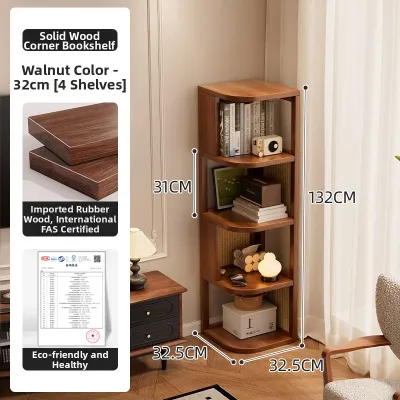
When floor space is extremely limited, vertical expansion is the best strategy. Tall vertical corner towers occupy a minimal footprint—often as small as a 30 cm by 30 cm square—but extend upward to utilize vertical wall space.
- Space Efficiency: This configuration fits into tight nooks, such as beside a bed, behind a door, or in a narrow hallway corner, maximizing storage capacity per square metre of floor space.
- Aesthetic Options: Many vertical towers feature a sleek, minimalist column design, while others utilize a ladder-shelf style that leans against the wall for a more relaxed, contemporary look.
- Limitations: The high centre of gravity makes these units inherently unstable if they are not properly anchored to the wall.
- Safety: Wall-anchoring is mandatory for tall, narrow towers. Many manufacturers supply anti-tip kits; ensure you install these according to the instructions. If using a ladder shelf, verify that the base has non-slip grips and is suitable for your flooring material.
How to Measure Your Corner and Ensure Safe Installation
Accurate measurement and proper installation are critical to ensuring your corner shelf is both functional and safe.
Measuring the Space Start by measuring the floor-to-ceiling height and the available wall width on both sides of the corner. Do not forget to account for skirting boards (plinths) at the base of your walls. Skirting boards can prevent a bookshelf from sitting flush against the wall, leaving an unstable gap at the back. Measure the thickness of your skirting boards and compare it with the shelf’s base design; some units have cut-outs at the back to accommodate skirting, while others may require you to choose a slightly shallower unit to compensate.
Clearance Checks Scan the corner for potential obstructions. Check for nearby power outlets, light switches, internet ports, and air-conditioning trunking. Ensure the shelf will not block access to these utilities or prevent doors, windows, or wardrobe drawers from opening fully. In Singapore apartments, air-con copper piping and trunking often run along the upper sections of walls; make sure your tall corner shelf has enough clearance to avoid these conduits.
Wall Anchoring and Safety Anchoring your bookshelf is vital for safety, especially for tall modular units. However, the anchoring method depends entirely on your wall type. Most HDB flats feature structural concrete walls or precast concrete panels, which require a masonry drill bit, wall plugs, and heavy-duty screws. Some modern condominiums and renovated flats use drywall (gypsum board) partitions, which require specialized toggle bolts or hollow-wall anchors. Drilling into concrete requires more effort and a hammer drill, whereas drywall is easier to penetrate but has lower load-bearing capacity.
Safety Boundary Before you drill any holes, consult your building’s floor plans or hire a qualified professional to locate concealed electrical wiring, water pipes, or structural beams. Never drill directly into designated structural columns or shear walls without verifying local building regulations. Always use a digital stud finder with metal and AC detection capabilities to verify that the path behind the plaster is completely clear before starting. If you are renting, obtain written permission from your landlord before drilling into any walls.
Styling Tips to Keep Your Corner Shelf Looking Airy and Organized
How you style your bookshelf plays a significant role in how it affects the overall feel of your room. A cluttered shelf will make a small room feel even smaller, while an organized display can enhance the sense of space.
The Rule of Thirds To prevent your corner shelf from looking like a cluttered storage locker, apply the rule of thirds. Divide each shelf visually into three sections. Dedicate one-third to books (stacked vertically), one-third to decorative objects or plants, and leave the final third completely empty as negative space. This empty space allows the eye to rest and creates an airy, sophisticated gallery feel.
Varying Book Orientations Break up the monotony of long rows of books by mixing horizontal and vertical stacks. Place a few heavy volumes horizontally to act as bookends for a vertical row, or stack three or four books flat and place a small decorative item on top. This variation adds texture and visual interest to the corner, making the display feel more dynamic.
Incorporate Greenery Singapore’s “City in Nature” aesthetic translates beautifully indoors. Integrate small, low-maintenance indoor plants like pothos (money plant), snake plants, or air plants into your shelving layout. Trailing plants placed on higher shelves will cascade down the sides of the unit, softening the sharp angles of the corner and adding vibrant color. Ensure the plants are placed in watertight pots to protect the shelf finish from moisture damage.
Distribute Weight Wisely Keep the heaviest items, such as thick hardcovers, photo albums, or storage boxes, on the bottom shelves. This lowers the unit’s centre of gravity, increasing stability. As you move up the shelf, transition to lighter paperbacks, delicate glassware, and smaller decorative pieces. Keeping the top tiers sparse and light creates the illusion of higher ceilings and a more open room.
Frequently Asked Questions (FAQ)
Can I drill into HDB walls to secure a tall bookshelf?
Yes, drilling into HDB walls to anchor heavy furniture is generally allowed and highly recommended for safety. However, you must avoid structural columns, beams, and areas containing concealed water pipes or electrical wiring. Always use a hammer drill with a masonry bit for concrete walls, insert the correct wall plugs, and use a digital detector to scan the wall before drilling. If you are renting or unsure of the wall’s composition, consult your landlord or a professional handyman.
How do I prevent a modular corner shelf from looking messy?
To maintain a clean look, avoid stuffing every shelf to its maximum capacity. Group books by color or size to create visual cohesion, or turn some book spines inward for a minimalist aesthetic. Use matching storage baskets or boxes on the lower shelves to hide loose papers, chargers, and small items. Finally, adhere to the rule of thirds by leaving plenty of open, empty space on each level to let the design breathe.
Community discussion
Share your experience or ask a question. Comments are reviewed before publication.