
Maximizing storage in compact Singapore apartments requires moving away from bulky, static furniture and embracing highly adaptable vertical systems. For HDB flats and condominiums where floor space is limited, the best modular bookshelf systems are those that utilize vertical wall space, offer customizable configurations, and accommodate the specific structural realities of local residential walls. Whether you are searching for a versatile living mall bookself or planning a custom-built track system, selecting the right modular setup depends on your tenancy status, wall composition, and the weight of your reading collection.
How to Evaluate Modular Bookshelves for Compact Living Rooms
Floor space in modern HDB BTO flats and compact condos is highly constrained, with living rooms often serving multiple purposes. A standard horizontal bookcase takes up valuable floor area that could otherwise accommodate seating or walking paths. By choosing floor-to-ceiling modular designs, you take advantage of Singapore’s standard residential ceiling heights, which typically range from 2.6 to 2.8 meters. This vertical approach maximizes storage capacity per square meter of footprint, allowing you to store hundreds of books, documents, and decorative items in a space less than 40 centimeters deep.
In a small room, a solid, dark, closed-back wooden bookcase can act as a visual block, making the space feel cramped and dark. To maintain an open and airy atmosphere, prioritize modular systems with open-back designs, slender powder-coated metal supports, or light-colored finishes like white, birch, or light oak. These design elements allow light from windows and balcony doors to pass through and reflect off the walls behind the shelving, visually expanding the room rather than enclosing it.
Products mentioned in this guide
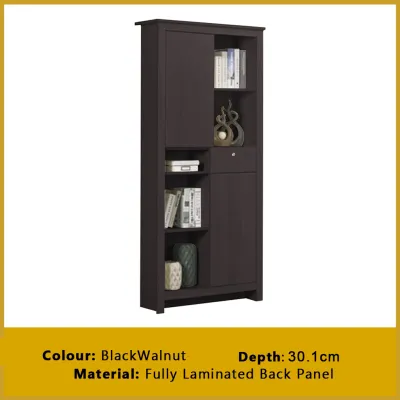
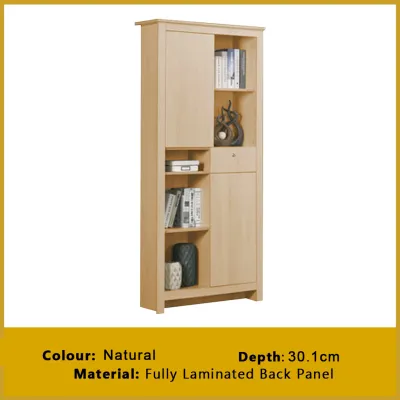
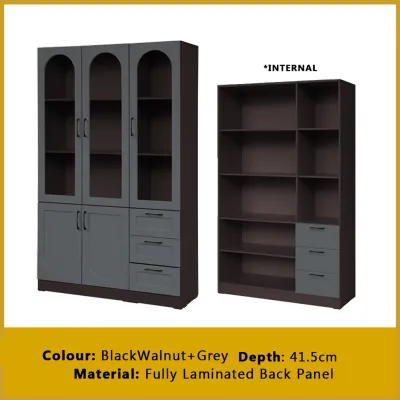
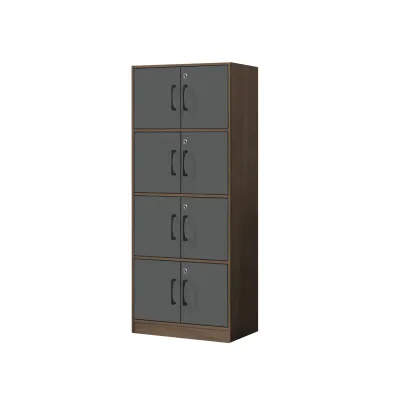
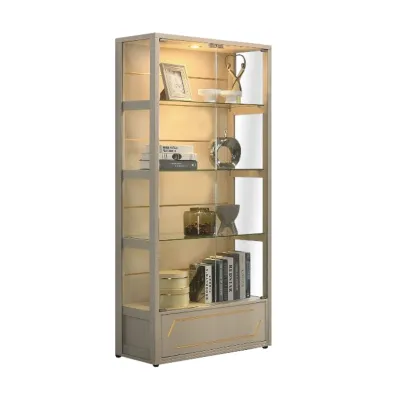
Prices are valid at publication and may change. Please refer to the product page for the latest price.
True modularity means the shelving system can adapt to your changing needs over time. A high-quality modular bookshelf should allow you to start with a basic configuration—such as a single vertical bay or a few interlocking cubes—and expand it laterally or vertically as your collection grows. Look for systems with standardized, interchangeable components like adjustable shelves, add-on drawers, or cabinet inserts. This flexibility is especially valuable for Singapore residents who may transition from renting a condo to owning an HDB flat, as the modular parts can be dismantled, transported easily through narrow corridors, and reconfigured to fit a completely different wall layout.
Books are remarkably heavy, with a single shelf of hardcovers easily weighing over 30 kilograms. When evaluating materials, understand that standard particleboard and medium-density fiberboard (MDF) are highly susceptible to sagging over time, a phenomenon accelerated by Singapore’s high relative humidity which can weaken the internal binders of engineered wood. For long-term stability, check the manufacturer’s load capacity ratings and opt for high-quality plywood, solid timber, or powder-coated steel frames. If you choose engineered wood, look for thick, reinforced shelves with a span of no more than 80 centimeters between vertical supports to prevent noticeable bowing.
Top Modular Bookshelf Systems for Small Space Challenges
Best for Renters and Non-Structural Walls: Tension Pole and Freestanding Systems
For tenants renting condominiums or those living in HDB flats with non-structural partition walls, drilling deep holes to mount heavy shelves is often not an option. Floor-to-ceiling tension pole systems provide an elegant, drill-free alternative. These systems utilize a heavy-duty spring-loaded or screw-threaded mechanism within vertical metal poles to exert continuous pressure between the floor and the ceiling, securing the structure firmly in place. You can then attach adjustable shelves, trays, or small cabinets along the height of the poles.

Another highly flexible option is the freestanding modular cube system. These systems consist of individual square or rectangular units made of wood, metal wire, or durable polymers that stack and interlock using specialized connectors. Because they do not rely on wall mounting, you can arrange them in various step-like or low-profile configurations to fit under windows, beneath sloping beams, or inside awkward alcoves.
However, both tension pole and freestanding systems have distinct structural limitations. Tension poles must only be installed against solid concrete ceilings; using them against hollow plasterboard false ceilings can cause the plaster to crack or fail under pressure. Additionally, because these systems rely on pressure or gravity rather than physical wall anchors, they have lower overall weight capacities compared to wall-mounted systems. They require periodic checks to ensure the tension screws remain tight and the vertical alignment has not shifted over time.
Best for Heavy Book Collections: Wall-Mounted Track and Bracket Systems
If you are a serious book collector with hundreds of heavy novels, academic texts, or hardcovers, a wall-mounted track and bracket system offers the ultimate in strength and space efficiency. Often referred to as spur or twin-slot shelving, these systems consist of vertical metal standards that are screwed directly into the wall at regular intervals. Horizontal brackets then slot into these standards, allowing you to place wooden or metal shelves across them at highly precise, adjustable heights.
This setup creates a clean, floating aesthetic that keeps the floor completely clear, making it much easier to clean the living room floor and maintain a minimalist look. However, because the entire weight of the books is transferred directly to the wall, secure installation is paramount. These systems must be drilled into solid structural walls, such as concrete shear walls or brick partition walls. Attempting to mount a heavy track system onto standard drywall partitions without aligning the screws directly with the internal timber or metal studs can lead to catastrophic wall failure.
The primary advantage of the track and bracket system is its exceptional weight distribution. The vertical standards spread the downward force across multiple anchor points along the wall, minimizing the risk of individual shelf failure. Furthermore, the ability to adjust shelf heights on the fly means you can eliminate wasted vertical space between shelves, tailoring the gaps precisely to the heights of your specific books.
Best for Zoning Open-Plan Layouts: Double-Sided Room Divider Shelves
Modern Singapore residential layouts, particularly open-plan HDB BTO flats and studio apartments, often combine the living, dining, and study areas into a single open zone. Double-sided modular room divider shelves offer a practical way to define distinct functional zones without building permanent walls that block natural light and airflow. These systems typically feature open-back modular cubes or ladder-style frames that look attractive from both the front and the back.
When styling a double-sided room divider, visual balance is crucial to prevent the unit from feeling like a dark, solid barrier. Designers recommend utilizing a balanced layout where only a portion of the shelves are filled with books. Interspersing books with small potted indoor plants, decorative ceramic pieces, or woven storage baskets allows light to filter through from the balcony windows into the deeper parts of the apartment.
Stability is the most critical consideration for freestanding room dividers. Because they are positioned in the middle of a room rather than flat against a wall, they are highly vulnerable to being bumped. Ensure the system you choose features a wide, stable base or is physically secured to an adjacent structural column or the floor. If you have young children or active pets, avoid tall, completely unanchored room dividers to eliminate the risk of accidental tipping.
Best for DIY and Budget Flexibility: Standard Pipe and Shelving Kits
For homeowners who want to maximize every millimeter of an awkward alcove, a recessed wall, or the space adjacent to a protruding HDB structural column, standard modular pipe and shelving kits offer unmatched DIY flexibility. These systems utilize industrial-style plumbing pipes (typically made of black steel or galvanized iron) and threaded fittings like elbows, tees, and floor flanges to build a rugged, highly customizable frame that supports thick timber planks.
The main benefit of a DIY pipe system is that you are not restricted by standard furniture dimensions. You can purchase the pipe components in various pre-cut lengths or have them threaded to your exact specifications, then source custom-cut wood planks from local timber yards or hardware merchants in Singapore. This allows you to build a bookshelf that fits perfectly around structural beams or odd-angled corners that standard retail furniture cannot accommodate.
Assembling a pipe shelving system requires basic DIY tools, including a power drill, a spirit level, a pipe wrench, and appropriate wall anchors. Because raw industrial pipes are often coated in protective grease to prevent rust during shipping, you must thoroughly clean the metal components with a degreaser and apply a clear protective lacquer or paint. This step is essential to prevent rust from developing in Singapore’s highly humid tropical climate, which can easily stain your books or walls over time.
Quick Comparison: Which Modular System Fits Your Space?
To help you determine which modular bookshelf system aligns best with your home layout, structural constraints, and budget, refer to the comparison table below. This matrix evaluates each system across critical performance and installation dimensions.
| System Type | Installation Effort | Wall Damage Risk | Weight Capacity | Best Use Case | Estimated Price Tier |
|---|---|---|---|---|---|
| Tension Pole Systems | Medium (No drilling) | None to minimal | Medium | Renters, temporary setups, and light-to-medium book collections | $$ |
| Wall-Mounted Track & Bracket | High (Requires drilling) | High (Requires wall anchors) | Very High | Permanent homeowners with heavy, extensive book collections | $$ to $$$ |
| Freestanding Modular Cubes | Low (Simple assembly) | None (Unless anchored) | Medium | Flexible layouts, kids' rooms, and multi-purpose storage | $ to $$ |
| DIY Pipe & Shelving Kits | High (Requires assembly & drilling) | High (Requires wall anchors) | High | Custom alcoves, awkward spaces, and industrial design lovers | $ to $$ |
When reviewing this comparison, prioritize your housing status first. If you are a tenant renting an apartment, tension pole systems or freestanding modular cubes are the safest choices to avoid losing your rental deposit due to wall damage. If you own your home and have a large, heavy collection of books, investing the time and effort to install a wall-mounted track and bracket system into solid concrete will provide the most secure, long-lasting storage solution.
Wall Safety and Installation Checks for HDB and Condo Homes
Before purchasing or installing any modular bookshelf system in Singapore, you must conduct thorough safety and structural checks to ensure your walls can support the load and that you comply with local building guidelines.
Identifying Wall Types Singapore residential properties feature several distinct wall types, each requiring different handling. Concrete shear walls are load-bearing structural walls made of solid concrete reinforced with steel rebars; they are incredibly tough and require a high-powered rotary hammer drill with masonry bits to penetrate. Hollow block or brick walls, commonly found in older HDB flats, sound slightly hollow when tapped and offer lower structural strength than solid concrete. Drywall or partition walls, standard in many newer condo developments to divide bedrooms, consist of plasterboard sheets mounted over thin metal or timber studs. Drywalls sound very hollow and cannot support heavy loads unless you anchor directly into the internal studs.
HDB Renovation Guidelines If you live in an HDB flat, always review the Housing & Development Board’s renovation guidelines before undertaking major drilling. While minor wall drilling for shelves does not require a formal permit, you must ensure you do not drill into structural elements in a way that compromises building integrity. Never attempt to drill into or modify the reinforced concrete walls of an HDB household shelter (bomb shelter), as this is strictly prohibited by law due to safety and civil defense regulations. Always use a reliable multi-purpose wall scanner to check for hidden electrical conduits or water pipes before drilling to avoid costly utility damage.
Choosing the Right Anchors Using the generic plastic wall plugs that often come bundled with flat-pack furniture is a common mistake that can lead to catastrophic shelf collapse under the weight of heavy books. For solid concrete or brick walls, use high-performance nylon expansion plugs (such as Fischer plugs) or heavy-duty metal sleeve anchors that expand securely inside the drilled hole. For drywall partitions, standard plugs will slip out; you must use specialized hollow-wall anchors, such as metal toggle bolts or spring toggles, which expand behind the plasterboard sheet to distribute the load across a wider surface area.
Anti-Tip Safety For any freestanding modular bookshelf or stacked cube system that stands taller than 1.2 meters, installing anti-tip safety hardware is mandatory. This is especially critical in households with young children, elderly family members, or active pets who might attempt to climb or pull on the shelves. Anti-tip kits consist of durable fabric straps or metal L-brackets that secure the top frame of the bookshelf directly to the wall. Always ensure the wall-side anchor is secured into a solid wall structure or a wall stud to provide genuine resistance against tipping forces.
Frequently Asked Questions (FAQ)
Can I install a wall-mounted modular bookshelf on HDB hollow blocks?
Yes, you can install wall-mounted shelves on HDB hollow block walls, but you must take specific precautions due to the hollow core of these blocks. Standard expansion plugs rely on solid material to grip against, so they will fail or pull out easily under a heavy load in a hollow block wall. To secure shelves safely, you must use specialized hollow-wall anchors, such as heavy-duty toggle bolts or sleeve anchors designed specifically for masonry cavities. If you plan to store a large, heavy collection of books, it is highly recommended to distribute the weight by using floor-supported vertical standards or opting for a tension pole system that transfers the weight directly to the solid floor and ceiling.
How do I prevent a freestanding modular bookshelf from tipping over?
To prevent a freestanding modular bookshelf from tipping, start by strategically distributing the weight of your items. Always place your heaviest books, such as encyclopedias, large binders, and heavy photo albums, on the lowest shelves to lower the overall center of gravity of the unit. Keep lighter paperbacks and decorative items on the upper shelves. Secondly, install a dedicated furniture anti-tip kit. Secure one end of the strap or L-bracket to the solid structural frame of the bookshelf and anchor the other end securely into the wall using appropriate masonry plugs for concrete or toggle bolts for drywall. Never rely on temporary fixes like wedging cardboard under the front feet or using adhesive tape, as these do not provide sufficient resistance if a child or pet pulls on the unit.
Community discussion
Share your experience or ask a question. Comments are reviewed before publication.