
Selecting the right mini bar counter is an excellent way to elevate your home’s hosting potential without compromising precious floor space. In Singapore’s typical high-rise residences, such as HDB flats and condominiums, living room layouts require careful spatial planning. A well-chosen bar counter serves as a dedicated beverage station, a casual dining spot, and a design-forward focal point that integrates seamlessly into your open-plan living area.
By focusing on compact footprints, versatile storage, and visual lightness, you can introduce a functional bar setup that enhances your daily routine and weekend gatherings alike. Understanding how to evaluate these pieces against your specific room dimensions and lifestyle needs is the first step to making a smart, lasting addition to your home.
How to Choose a Mini Bar Counter for Compact Living Spaces
Spatial planning is the absolute first step when integrating a mini bar counter into a compact living room. Before browsing designs, grab a measuring tape and map out the exact footprint of your potential bar area. Marking the floor with masking tape can help you visualize how the unit will sit in your space, ensuring it does not disrupt the natural flow of movement.
Products mentioned in this guide
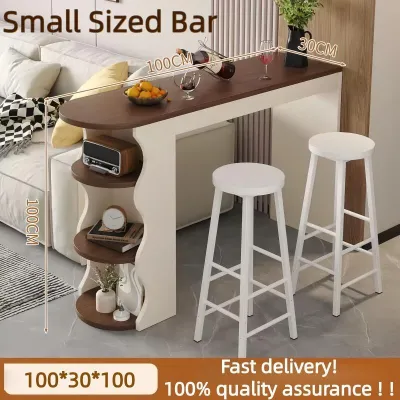
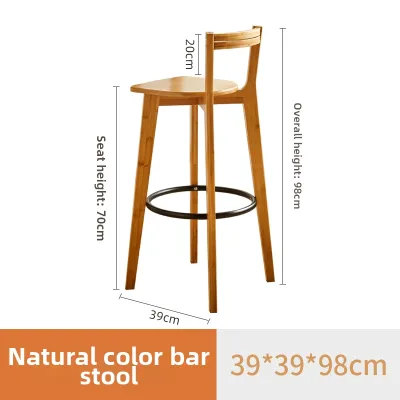
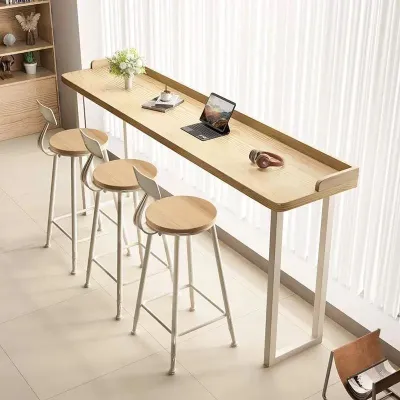
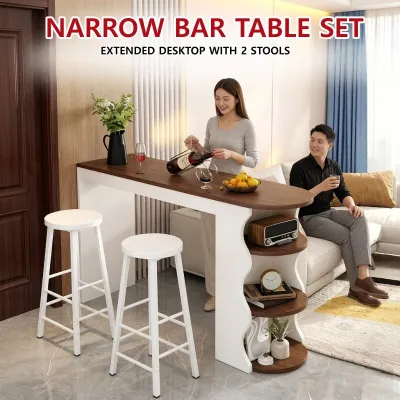
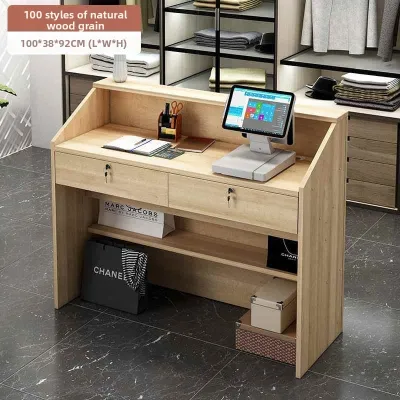
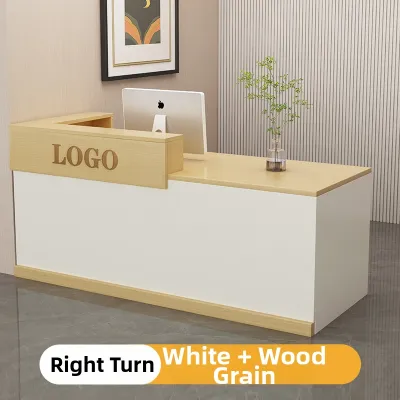
Prices are valid at publication and may change. Please refer to the product page for the latest price.
Traffic flow is critical in open-plan Singapore layouts, where the living room often connects directly to the dining area or balcony. Ensure that there is a clear, unobstructed walkway of at least 90 to 120 centimeters between the bar counter and other major furniture pieces, such as your sofa, coffee table, or TV console. This prevents the living room from feeling cluttered or difficult to navigate.
Managing visual weight is a designer’s secret for keeping small rooms feeling spacious. Heavy, solid-wood cabinets that block natural light can make a compact living room feel dark and cramped. Instead, look for mini bar counters with slim metal profiles, open shelving, or glass tabletops. These designs allow light to pass through, creating an illusion of a larger, more open space.
Multi-functionality is key to maximizing your investment in a smaller home. A mini bar counter can serve as a casual breakfast nook in the morning, a standing desk for remote work during the day, and a cocktail station at night. If you plan to use it for dining, ensure the counter height is compatible with standard bar stools and offers sufficient knee room. Alternatively, a counter that doubles as a room divider can help define the boundary between your kitchen and living area without the need for a solid wall.
Top Mini Bar Counter Styles for Singapore Homes
When shopping for a mini bar counter, you will find several distinct styles designed to address specific space constraints. Understanding the unique advantages and operational requirements of each style will help you select the perfect fit for your household’s daily routines and entertaining habits.

Foldable and Drop-Leaf Bar Counters
Foldable and drop-leaf designs represent the ultimate in space-saving engineering. These counters feature hinged tabletops that can be lifted and locked into place when you need an extended surface for mixing drinks or hosting dinner guests. Once the party is over, the leaf folds flat against the main body of the cabinet or the wall, instantly reclaiming valuable floor space.
This style is particularly well-suited for narrow living rooms or homes where entertaining is occasional rather than daily. When folded down, many of these units are thin enough to sit unobtrusively against a wall, acting as a slim console table. This dual-state functionality ensures that your living room remains spacious and easy to clean during the week, while remaining fully equipped for weekend social gatherings.
However, the moving parts of foldable furniture require careful inspection before purchase. Do not rely solely on aesthetic appeal; instead, examine the quality of the hinges, brackets, and locking mechanisms. Look for heavy-duty steel hardware that locks firmly to prevent the table from wobbling or collapsing under load. Always verify the manufacturer’s specified weight capacity for the extended leaf, and avoid placing heavy appliances or large quantities of bottles on the foldable section.
Rolling Bar Carts and Mobile Islands
For those who value flexibility and dynamic layouts, rolling bar carts and mobile islands offer an adaptable solution. These freestanding units are equipped with wheels, allowing you to easily move your beverage station from the kitchen to the living room, or even out onto the balcony for an alfresco evening. When not in use, the cart can be tucked away into a corner, a closet, or alongside a dining table.
Safety and floor protection are paramount when dealing with mobile furniture. Always choose a rolling bar cart that features sturdy, lockable wheels—ideally on at least two of the casters—to ensure the cart remains stationary when you are pouring drinks. Additionally, pay close attention to the wheel material. Hard plastic wheels can easily scratch or dent popular Singapore flooring materials, such as luxury vinyl planks, engineered timber, or polished ceramic tiles. Opt for soft rubber or polyurethane wheels that glide smoothly without leaving marks.
Storage efficiency is another major benefit of mobile carts. Most designs feature tiered shelving, built-in stemware racks, and safety guardrails. These rails are crucial as they prevent bottles, glasses, and cocktail shakers from sliding off the edges while the cart is in motion. Look for models with deep bottom shelves to keep heavy bottles low, which also lowers the cart’s overall center of gravity and improves stability during transport.
Narrow Console and Wall-Mounted Bars
If floor space is exceptionally scarce, narrow console bars and wall-mounted floating bars provide excellent alternatives. A narrow console bar, typically measuring under 40 centimeters in depth, can be positioned directly behind your living room sofa or against a blank hallway wall. This layout utilizes the often-wasted space behind seating arrangements, turning it into a highly functional drink station or casual dining ledge.
Wall-mounted or floating bar counters take space-saving a step further by eliminating floor contact entirely. This leaves the floor underneath completely clear, making the room feel larger and allowing for easy vacuuming or mopping. However, installing a floating bar requires strict adherence to safety protocols. You must verify the construction of your living room wall before mounting. In Singapore, HDB flats feature a mix of structural concrete walls, lightweight concrete insert panels, and drywall partitions.
Never attempt to mount a heavy floating bar counter onto drywall without locating the internal studs, and always consult a qualified professional installer to ensure the correct wall plugs and heavy-duty brackets are used. Furthermore, do not assume a wall-mounted bar can support heavy liquor bottles and glassware based on the strength of its wood or metal construction alone. The bottleneck is almost always the wall connection itself. Always adhere strictly to the manufacturer’s installation instructions and official weight limits to prevent wall damage or injury.
Key Features to Look for in a Living Room Bar
Beyond style and dimensions, the practical features of your mini bar counter will determine how enjoyable it is to use and how well it holds up over time. Surface materials deserve close scrutiny. Bar counters are routinely exposed to moisture from condensation, spilled liquids, citrus acids, and alcohol. Rather than assuming a surface is naturally stain-resistant or waterproof, always check the manufacturer’s care labels and material specifications.
If you opt for a natural wood top, ensure it has been treated with a moisture-resistant sealant, and be prepared to use coasters and wipe up spills immediately. High-pressure laminates, tempered glass, and sealed engineered stone are popular, low-maintenance alternatives that offer excellent resistance to liquid damage and are easy to wipe clean. Avoid untreated or porous materials that can permanently stain or warp when exposed to standing liquids.
Stability and base design are critical safety considerations, especially for tall bar counters. Standard bar height is typically around 100 to 105 centimeters, which naturally creates a higher center of gravity. To prevent tipping hazards, look for units with a wide, heavy base or a design that distributes weight evenly. If you have a particularly tall or narrow bar counter, check if the manufacturer recommends anchoring the unit to the wall, and follow those instructions carefully to secure the furniture.
Finally, evaluate the internal storage configurations to ensure they match your collection. A well-designed mini bar counter should offer a mix of storage types. Look for adjustable shelves that allow you to customize the height to fit tall spirit bottles or shorter glassware. Built-in stemware racks are highly useful for hanging wine glasses safely, preventing them from knocking against each other. Dedicated drawers are also excellent for keeping bar tools, cocktail shakers, napkins, and coasters organized and dust-free.
Quick Comparison: Which Bar Counter Style Fits Your Space?
| Bar Counter Style | Space Requirement | Best Use Case | Key Limitation |
|---|---|---|---|
| Foldable & Drop-Leaf | Minimal floor space when folded; requires clearance when extended | Occasional entertaining in narrow living rooms or walkways | Hinge mechanisms require regular inspection and have strict weight limits |
| Rolling Bar Cart | Flexible footprint; requires a clear rolling path and storage corner | Dynamic layouts, multi-room use, and easy hosting flexibility | Must be kept on flat surfaces; wheels require regular cleaning to prevent floor scratches |
| Narrow Console & Wall-Mounted | Ultra-shallow depth; wall-mounted models require zero floor space | Behind-the-sofa setups or very small living rooms with blank walls | Fixed position; wall-mounted models require professional installation and have lower weight limits |
Frequently Asked Questions (FAQ)
Do I need a permit to install a fixed bar counter in an HDB flat?
If you are purchasing a freestanding mini bar counter, a rolling bar cart, or a standard console table, you do not need any official permits or approvals from the Housing & Development Board (HDB). These are considered loose furniture items and can be placed anywhere in your home. However, if your design involves a permanent, built-in bar counter that requires structural modifications, you must proceed with caution.
For instance, if your built-in bar counter requires hacking an existing wall to create an open-concept kitchen-to-living-room bar, or if it involves altering structural columns, you must consult the latest official HDB renovation guidelines. Any structural hacking or major layout alterations must be carried out by an HDB-registered renovation contractor who will apply for the necessary permits on your behalf. Always check current regulations before starting any invasive renovation work to avoid penalties and ensure structural safety.
How much clearance is needed around a mini bar counter?
Proper spatial planning ensures that your mini bar counter remains a comfortable addition rather than a daily annoyance. As a general rule of thumb, you should allow at least 90 to 100 centimeters of clearance space behind any bar stools. This provides enough room for a person to comfortably pull out the stool, sit down, and stand up without bumping into walls or adjacent furniture.
If the bar counter is positioned along a primary walkway in your living room, increase this clearance to at least 120 centimeters. This allows other household members to walk past comfortably even when someone is seated at the bar. Before finalizing your purchase, measure your entire living room layout, taking into account the swing of nearby doors, the extension of sofa recliners, and the clearance needed for cabinet doors or drawers to open fully. Taking these precise measurements beforehand will ensure a seamless fit.
Community discussion
Share your experience or ask a question. Comments are reviewed before publication.