
A memory foam footrest is an excellent addition to an ergonomic workspace, offering a soft yet supportive foundation that adapts to the unique shape of your feet. Unlike rigid plastic or wooden footrests, memory foam contours under pressure, distributing weight evenly and reducing localized pressure points on your heels and soles. For anyone spending long hours at a desk, elevating the feet slightly helps align the pelvis, reduces pressure on the back of the thighs, and encourages a healthier sitting posture. Choosing the right design depends on your sitting habits, desk height, and whether you prefer a stationary setup or active movement throughout the workday.
Why Memory Foam is Ideal for Under-Desk Ergonomics
Memory foam, or viscoelastic foam, is highly valued in ergonomic design due to its unique response to heat and pressure. When resting your feet on a memory foam cushion, the material softens in response to body heat, allowing your feet to sink in slightly to distribute weight across a larger surface area. This pressure distribution is particularly beneficial for the heels and the balls of the feet, which bear the brunt of gravity when sitting. Cushioning these contact points helps prevent the numbness and discomfort that can arise from resting your feet on hard floors for hours.
Proper foot elevation is a fundamental principle of office ergonomics. When feet dangle, thighs press heavily against the edge of the chair seat, which can restrict blood flow and strain the sciatic nerve. Elevating your feet with a supportive cushion tilts the pelvis slightly backward, reducing lower spine curvature and easing lumbar tension. This simple adjustment can alleviate lower back stiffness and reduce slouching during long typing sessions.
Products mentioned in this guide
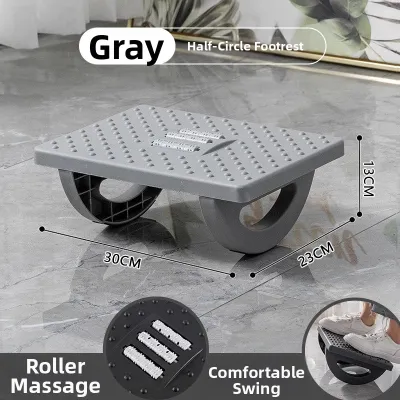
115 Lazada user ratings
It’s a pretty good deal overall, just had to tie it down since it came a bit loose, but the value for the price is still quite nice.
It feels really smooth to the touch, doesn't irritate me, and I've even kicked the habit of crossing my legs. Hehe 😁
Getting ready to buy another one, it's been great for the past two days, especially friendly for shorter people.
It works really well. It helps me stop crossing my legs at work while also providing a nice foot massage.
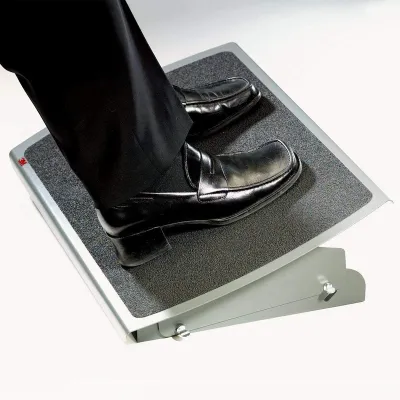
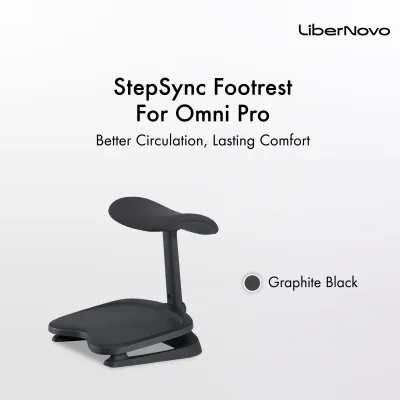
2 Lazada user ratings
Definitely a must have for any chairs as table height may not always be optimal. Great to use too when lay back flat. Comfort:Great comfort …Read full reviewShow less
Definitely a must have for any chairs as table height may not always be optimal. Great to use too when lay back flat. Comfort:Great comfort and pairs perfect with the omni pro Adjustability:Available to different height of users
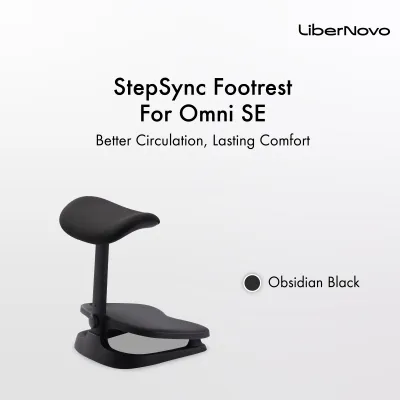
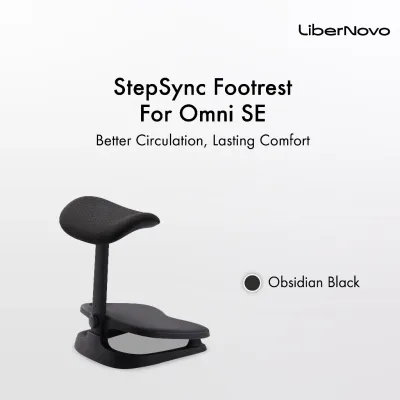
Prices are valid at publication and may change. Please refer to the product page for the latest price.
However, memory foam has limitations compared to rigid plastic or wooden alternatives. As a soft, compressible material, it lacks the absolute structural stability of a solid platform. If you require a firm surface to push against for leverage, or need a height adjustment of over 15 centimeters, a rigid footrest is more appropriate. Additionally, memory foam retains heat, which can lead to warm feet in humid environments unless the cover is highly breathable.
Best Memory Foam Footrest Designs for Long Work Sessions
Selecting the right memory foam footrest involves looking beyond aesthetics to evaluate how its shape supports your daily movement. Manufacturers shape memory foam into several distinct profiles, each catering to different sitting styles, desk configurations, and physical needs. By matching the structural design to your natural sitting habits, you can maximize the ergonomic benefits. The most common designs include classic half-cylinders, angled wedges, multi-piece adjustable systems, and textured surfaces. Evaluating these shapes against your daily routine will help you select a model that integrates seamlessly into your workspace.

Half-Cylinder and Wedge Designs for Fixed Postures
For individuals who maintain a consistent, disciplined sitting posture, half-cylinder and wedge-shaped footrests offer excellent stability. A wedge design features a sloped surface that angles the feet upward, promoting a slight ankle tilt that prevents feet from sliding forward. This incline helps keep heels securely anchored and ensures lower legs remain at an optimal angle to support the thighs.
The half-cylinder design, often referred to as a teardrop or dome shape, offers a versatile alternative. When placed flat side down, the curved upper surface provides contoured arch support that cradles the soles of your feet. This shape is particularly beneficial for standard desk heights and fixed chair positions, allowing you to rest your feet at various points along the curve to find a comfortable angle.
When evaluating these designs, paying close attention to foam density is critical. Because your feet rest in the same position for hours, low-density foam will quickly bottom out, compressing completely under the weight of your legs and rendering the footrest ineffective. Look for high-density, resilient memory foam that compresses slightly to contour to your feet but maintains its height and structural integrity under continuous pressure. A quick check involves pressing your hand firmly into the center; the foam should resist complete compression and slowly return to its original shape when released.
Two-Piece or Adjustable Designs for Active Sitting
If you constantly shift positions, cross your ankles, or stretch your legs, a static footrest may feel restrictive. Two-piece or adjustable memory foam footrests are designed specifically for active sitting, allowing you to customize the height, angle, and configuration of the support. These systems typically consist of a main curved footrest and an additional flat foam base attached or removed using hook-and-loop fasteners or zippers.
The primary benefit of a two-piece design is its adaptability to different footwear and chair heights. If you switch between flat shoes, heels, or working in socks, you can easily adjust the height by adding or removing the base layer to maintain proper ergonomic alignment. Furthermore, some models allow you to separate the halves entirely, providing two independent cushions that can be spaced wider apart to accommodate a wider stance or support your ankles when stretching your legs.
When choosing an adjustable design, evaluate the stability of the connection mechanism between the pieces. If fasteners are weak or poorly aligned, the layers may slide apart when you shift weight, creating an unstable surface that can disrupt focus and compromise posture. Look for robust, full-length hook-and-loop strips or secure zippers that keep components firmly locked. Additionally, some half-cylinder models can be flipped upside down, allowing you to use the curved side as a rocker to encourage gentle ankle movement and micro-movements that keep joints active.
Textured and Massage-Surface Designs for Circulation
For those who experience cold feet, numbness, or mild swelling in the lower legs, a textured memory foam footrest can help stimulate blood flow. These designs incorporate physical elements on the top surface, such as raised foam nodules, ribbed patterns, or covers embedded with textured plastic beads. As you move your feet across the surface, these textures gently massage the soles, encouraging circulation and relieving tension in the plantar fascia.
When selecting a textured design, consider whether you typically work in shoes, socks, or bare feet. Highly pronounced plastic nodules or coarse ribbed covers can feel uncomfortable against bare skin or thin socks, whereas they are barely noticeable through thick shoe soles. Conversely, a soft, fabric-based texture might not provide enough stimulation if you always wear structured office shoes. If you prefer working without shoes, look for models with soft, molded foam bumps covered in a plush, breathable fabric that offers gentle stimulation without causing irritation.
Balancing these massage features with overall structural firmness is crucial for long-term comfort. Surface textures should never compromise the core support of the memory foam; the underlying cushion must remain firm enough to support the weight of your legs without collapsing. Avoid models where the textured elements are made of cheap, hollow foam that flattens instantly under pressure. A high-quality textured footrest should combine a dense, supportive foam core with a durable, well-designed surface layer that retains its shape over months of daily use.
Essential Features to Evaluate Before Purchasing
To ensure you select a memory foam footrest that delivers lasting comfort and stands up to daily wear, evaluate several key features before purchasing. The first is foam density and firmness. High-density foam is heavier and more resilient, offering the necessary resistance to keep your feet elevated without flattening. While manufacturers do not always list exact density ratings, you can check product descriptions for terms like “high-density” or “premium therapeutic grade,” and verify firmness by reading user feedback regarding how well the cushion retains its shape over several months of continuous use.
The cover material is another critical factor, particularly in warm or humid climates like Singapore. Because memory foam naturally retains heat, a poorly ventilated cover can lead to sweaty, uncomfortable feet. Prioritize covers made from breathable mesh, cotton blends, or cooling fabrics that facilitate airflow. Additionally, because the footrest sits on the floor and is in constant contact with shoes or socks, a removable, machine-washable cover is essential for maintaining hygiene. Check that the cover features a durable, recessed zipper that won’t scratch your floors or catch on your carpet.
The effectiveness of the non-slip base is vital for safety and convenience. A footrest that constantly slides away when you shift your weight is highly frustrating and defeats its ergonomic purpose. Look for a base covered in high-friction silicone beads, textured rubber, or specialized non-slip fabric. This base must be durable enough to withstand friction against various floor types, including smooth hardwood, polished tiles, and low-pile carpets, without leaving marks or losing its grip over time.
Finally, consider the overall physical dimensions of the footrest in relation to your body and workspace. The footrest should be wide enough to allow you to place your feet at a natural, shoulder-width distance without slipping off the edges. Standard widths typically range from 40 to 45 centimeters, which accommodates most users comfortably. Additionally, check the weight capacity or compression limits if specified by the manufacturer, ensuring the foam is rated to support the continuous resting weight of your legs without collapsing to the floor.
How to Match Your Footrest to Your Desk and Chair Setup
Achieving proper ergonomic alignment requires coordinating your footrest, chair, and desk into a single, cohesive system. The primary goal is to support your body in a posture that minimizes strain on your joints and muscles. To begin, sit in your office chair with your back firmly against the backrest. Adjust your chair height so your elbows are bent at approximately a 90-degree angle when your hands rest flat on your keyboard.
Once your chair is set to the correct height relative to your desk, observe the position of your legs. If your feet do not rest flat on the floor, or if you feel pressure on the underside of your thighs near the edge of the seat, you need a footrest to bridge the gap. Measure the distance from the sole of your foot to the floor while maintaining a 90-degree angle at your knees. This measurement represents the ideal height for your memory foam footrest.
With the footrest in place, perform a quick self-check of your posture. Your knees should be level with or slightly lower than your hips, and your thighs should be fully supported by the chair seat cushion without any localized pressure points. If the footrest is too high, your knees will be pushed above your hips, which can compress your hip joints and strain your lower back. If it is too low, your feet will dangle, leading to poor circulation. Adjust the height of your chair or the layers of your footrest until you achieve a balanced, comfortable posture where your weight is distributed evenly across your buttocks, thighs, and the soles of your feet.
Frequently Asked Questions (FAQ)
How do I clean and maintain a memory foam footrest?
To keep your memory foam footrest clean and hygienic, always begin by checking the manufacturer’s care label attached to the cover. Most high-quality footrests feature a removable outer cover that can be zipped off and machine-washed on a gentle cycle with mild detergent. To protect the fabric and any non-slip backing, it is usually recommended to air-dry the cover rather than putting it in a high-heat dryer, which can damage the rubberized grips or shrink the fabric.
The memory foam core itself must never be placed in a washing machine or dryer, as the intense agitation and heat will tear and degrade the delicate cell structure of the foam. If the foam core becomes soiled, spot-clean the affected area gently using a damp cloth and a very mild soap solution. Avoid soaking the foam, as excess moisture can become trapped inside the dense material, leading to mold and mildew growth. Allow the foam core to air-dry completely in a well-ventilated area away from direct sunlight before putting the cover back on. If you encounter stubborn stains or chemical spills, stop cleaning and consult the manufacturer’s specific guidelines to avoid permanently damaging the foam.
Can a memory foam footrest be used with a standing desk?
A memory foam footrest can be a highly beneficial accessory for a standing desk setup, though it is used differently than in a sitting position. When standing for long periods, resting one foot on an elevated surface—similar to a bar rail—helps shift your body weight, tilts your pelvis, and relieves pressure on your lower back. A half-cylinder or wedge-shaped memory foam footrest can serve this purpose well, providing a cushioned, comfortable surface for your resting foot.
However, you must be mindful of foam compression limits when standing. Standing exerts significantly more concentrated pressure on the footrest than sitting, as your entire body weight, or a substantial portion of it, is transferred through your feet. If you stand directly on a standard memory foam footrest with both feet, the foam will likely compress completely to the floor, offering little to no support and potentially causing you to lose your balance. For standing setups, use the footrest strictly as a single-foot rest to shift your weight periodically. If you prefer to stand with both feet on a cushioned surface, you should switch to a dedicated, high-density anti-fatigue mat designed specifically to support full standing body weight.

Community discussion
Share your experience or ask a question. Comments are reviewed before publication.