
Finding an efficient way to organize daily essentials at your entryway can be a challenge, especially when floor space is at a premium. A long door hanger offers a practical, vertical storage solution that utilizes otherwise wasted space on the back of your main or bedroom doors. By choosing a model with extended length and multiple hooks, you can neatly arrange heavy bags, umbrellas, and outerwear right where you need them most, keeping your entryway clear of clutter.
To find the best option for your home, you must look beyond basic aesthetics. A successful setup requires evaluating how well a hanger handles weight, fits your specific door dimensions, and withstands local environmental conditions. Selecting the right long door hanger involves balancing capacity, structural stability, and material durability to ensure your doors remain undamaged and your items stay securely in place.
What Makes a Good Long Door Hanger for Singapore Entryways?
Singapore entryways, particularly in modern HDB flats, Build-To-Order (BTO) units, and compact condominiums, often feature narrow foyers or open directly into the living area. In these layouts, bulky freestanding coat trees or wide console tables can restrict movement and make the entrance feel congested. Utilizing the vertical plane of an existing door is an excellent way to reclaim floor space, allowing you to hang daily items without encroaching on the walking path.
Products mentioned in this guide
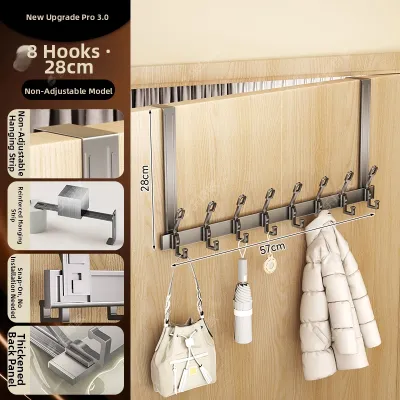
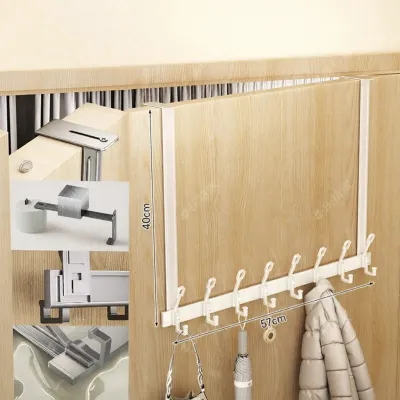
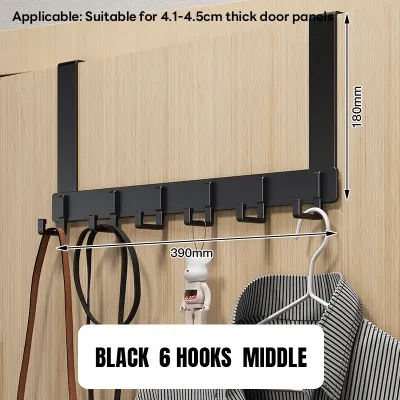
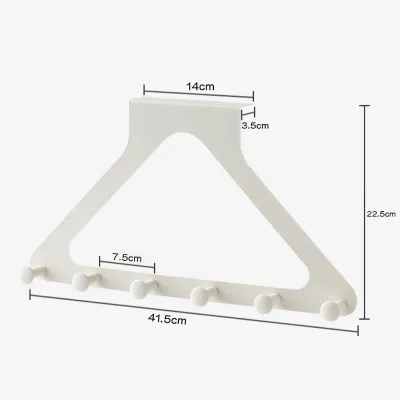
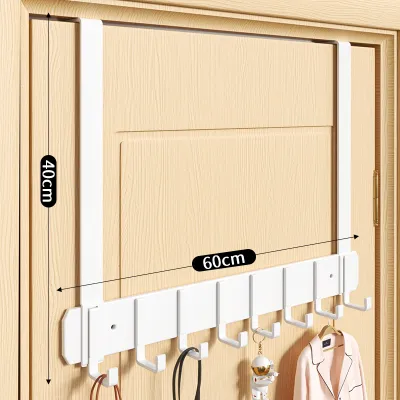
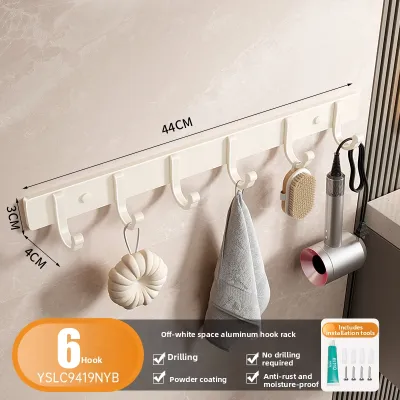
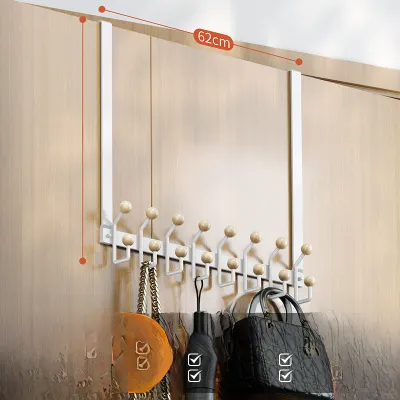
Prices are valid at publication and may change. Please refer to the product page for the latest price.
The local climate introduces unique challenges for home hardware. Singapore’s high relative humidity can cause lower-grade metal fixtures to rust or corrode quickly, leading to unsightly stains on both the hanger and the items draped over it. When selecting a door hanger, it is essential to check for robust protective finishes, such as thick powder coatings or rust-resistant alloys, which prevent moisture from degrading the underlying metal.
Weight distribution is another critical factor when planning to hang multiple heavy items simultaneously. Entryway hangers frequently support a demanding combination of heavy laptop bags, grocery totes, umbrellas, and thick winter coats used for overseas travel. A long door hanger distributes this cumulative weight across a wider horizontal or vertical span, reducing localized stress on your door frame and preventing the hooks from bending or pulling away from their mountings.
Recommended Types of Long Door Hangers for Heavy Loads
Choosing the right structural design depends heavily on what you plan to store and the specific configuration of your entryway door. Different styles offer distinct advantages in terms of weight capacity, spatial footprint, and ease of access.

Over-the-Door Multi-Hook Racks with Wide Spacing
Standard over-the-door racks featuring a long horizontal rail with 6 to 8 hooks are highly effective for high-capacity storage. These models distribute weight evenly across the top of the door panel using two sturdy bracket arms, making them incredibly easy to install without tools.
To maximize utility, look for designs that offer wide hook spacing, ideally measuring at least 10 to 15 centimeters between each hook. This generous gap ensures that bulky items, such as structured canvas bags or padded jackets, do not overlap excessively, allowing you to retrieve one item without accidentally knocking down another.
While these racks are highly convenient, they do require a clear gap between the top of the door and the frame. If your door fits exceptionally tightly within its frame, the bracket arms may rub against the woodwork, making it difficult to close the door smoothly or causing wear on the paint over time.
Expandable and Fold-Down Door Hangers
For exceptionally narrow corridors or minimalist foyers, static hooks that protrude permanently can feel intrusive or catch on clothing as people walk past. Expandable accordion-style hangers or models featuring individual fold-down hooks offer an adaptable alternative that preserves a clean visual profile.
Accordion-style hangers can be adjusted horizontally to fit different door widths, allowing you to customize the spacing of the hooks to suit your current storage needs. Alternatively, fold-down designs feature hooks that sit completely flush against the door surface when empty, popping open only when you need to hang an item.
The primary trade-off with these dynamic designs lies in their mechanical complexity. Because they rely on moving joints, hinges, or rivets, they may require periodic inspection and tightening to maintain stability. They also generally carry a slightly lower weight rating than solid, single-piece metal frames, making them better suited for lightweight jackets, hats, and empty tote bags rather than heavy, fully packed backpacks.
Heavy-Duty Door-Mounted Coat Rails
If your storage needs involve consistently heavy loads, such as multiple leather work bags, laptop cases, or heavy wet-weather gear, a direct-mount coat rail is often the most reliable choice. Unlike over-the-door brackets that hang loosely, these rails are fastened directly to the door surface using screws or high-strength mounting hardware.
This direct attachment eliminates the risk of the hanger shifting, rattling, or sliding when the door is opened and closed. It also bypasses any clearance issues at the top of the door frame, as the rail can be positioned at any comfortable height on the door panel itself.
However, direct-mount installations require careful consideration before proceeding. Drilling holes into a solid wood, veneer, or composite door can permanently alter the surface and may void the door manufacturer’s warranty. If you are renting your home, you must check your tenancy agreement or consult your landlord before performing any permanent modifications to the property’s fixtures.
Crucial Specifications to Verify Before You Buy
To avoid the frustration of purchasing a hanger that does not fit or fails under load, take time to verify key specifications against your home’s physical environment.
Door Thickness and Top Clearance
Before browsing product listings, measure the thickness of your door using a standard measuring tape. Most interior and main doors in Singapore measure between 35mm and 45mm in thickness, but variations are common, especially in older HDB flats or custom-built condo doors. Ensure the bracket width of an over-the-door hanger matches your door thickness to prevent excessive sliding or a loose fit.
Additionally, check the clearance gap at the top of the door frame. A simple way to test this is to place a standard Singapore dollar coin (which is approximately 2mm thick) on top of the door and gently close it. If the door closes without resistance or scraping the coin, there is likely sufficient clearance for standard metal bracket hangers, which typically require a gap of 1.5mm to 2mm.
Weight Capacity Limits
Never assume a door hanger’s weight capacity based solely on its visual bulk or material type. Always consult the manufacturer’s official specifications on the product packaging or product listing to find the rated maximum load limit.
A high-quality long door hanger designed for heavy loads will typically specify both a total weight limit (often ranging from 10kg to 20kg) and an individual hook limit (typically around 2kg to 3kg per hook). Exceeding these limits can warp the frame, bend the hooks, or place excessive strain on your door’s hinges.
Hook Design and Finish
The physical shape of the hooks plays a major role in preserving the condition of your belongings. Sharp or narrow metal hooks can leave deep, permanent indentations in leather bag straps or stretch out the shoulder seams of delicate coats.
Prioritize hangers that feature wide, rounded hooks, or those finished with smooth wooden pegs or protective rubber tips. These rounded profiles distribute the weight of the hung item over a larger surface area, preventing fabric snagging and preserving the shape of your bags and outerwear.
Material and Coating
Given Singapore’s humid tropical climate, the material composition of your door hanger directly impacts its lifespan. Look for product labels that explicitly state the use of corrosion-resistant materials or treatments.
Powder-coated steel, high-grade stainless steel (such as SUS304), and anodized aluminum are excellent choices that resist moisture damage. Avoid untreated or low-grade iron fixtures, which are highly susceptible to rust when exposed to ambient humidity or damp umbrellas.
How to Install and Protect Your Doors
Proper installation ensures that your long door hanger functions quietly and securely while protecting your door’s paintwork, structure, and hardware from unnecessary wear.
Padding and Scratch Prevention
Over-the-door brackets can rub against the face of the door when items are added or removed, leading to unsightly scratches, chipped paint, or annoying rattling noises. To prevent this, apply a layer of protection between the hanger and the door.
Many high-quality hangers include adhesive foam strips or felt pads in the package. If yours does not, you can easily purchase small adhesive felt pads or silicone bumpers separately. Apply these pads to the inside surfaces of the top brackets and at any point where the back of the hanger rail rests against the door face. This simple modification dampens sound and keeps the hanger firmly in place.
Alignment and Stability
When hanging the rack, ensure it is perfectly centered and sits completely flush against the top edge of the door. An unevenly positioned hanger can cause the door to hang slightly askew over time, putting uneven tension on the hinges and potentially causing the door to sag or scrape against the floor.
When loading the hanger, try to distribute the weight as evenly as possible. Avoid hanging all your heaviest bags on one side while leaving the other side empty; instead, place heavier items closer to the hinge side of the door to minimize leverage and reduce stress on the door frame.
Routine Maintenance
To keep your door hanger in optimal condition, establish a simple routine maintenance habit. Periodically wipe down the metal surfaces with a clean, dry microfiber cloth to remove dust, finger oils, and any moisture carried in from damp outdoor gear.
If your hanger features screws, adjustable joints, or adhesive pads, check them every few months to ensure they remain tight and secure. Address any loose fittings immediately to prevent the hanger from shifting or falling during use.
When to Stop
While installing an over-the-door hanger is generally a straightforward task, there are situations where you should pause and reassess. If you notice that your door frame is misaligned, or if the door begins to stick, drag, or refuse to latch properly after the hanger is installed, remove the hanger immediately.
Furthermore, if your door is made of fragile materials such as glass panels, thin hollow-core wood, or lightweight PVC, it may not be structurally suited to support the concentrated weight of a fully loaded hanger. In these cases, consult a professional carpenter or your door manufacturer to explore alternative wall-mounted storage options.
Frequently Asked Questions (FAQ)
Will an over-the-door hanger stop my door from closing properly?
Whether an over-the-door hanger interferes with your door depends entirely on the clearance gap between the top of the door panel and the frame. You can easily check this clearance by placing a thin piece of cardboard or a standard coin on top of the door and closing it. If the door closes smoothly without scraping, a standard bracket should fit. If the space is extremely tight, look for hangers that feature ultra-slim bracket straps specifically designed for close-fitting doors.
Can I use adhesive hooks instead of an over-the-door hanger for heavy coats?
While high-quality adhesive hooks offer a convenient, drill-free mounting option, they are generally not recommended for supporting multiple heavy items like loaded bags or thick coats. Singapore’s persistent humidity can weaken adhesive bonds over time, increasing the risk of the hooks peeling off and damaging your wall paint or door veneer. For reliable, long-term storage of heavy loads, over-the-door hangers or screw-mounted rails are far more secure, while adhesive hooks should be reserved for lighter accessories like keys, hats, or lanyards.
How do I prevent my door hanger from rusting in Singapore's humid weather?
To prevent rust, always verify that the door hanger you purchase is made of a moisture-resistant material, such as powder-coated steel, anodized aluminum, or stainless steel. Avoid hanging soaking wet umbrellas or raincoats directly on the rack; instead, let them dry in a well-ventilated area first. Additionally, keep your entryway well-ventilated and periodically wipe down the hanger with a dry cloth to remove accumulated moisture and dust.
Community discussion
Share your experience or ask a question. Comments are reviewed before publication.