
Quick Guide: Matching Leather Chairs to Dining Aesthetics
Leather chairs bring an unmatched combination of durability, tactile luxury, and practical maintenance to the dining room. Unlike delicate fabrics that absorb spills and stain easily, high-quality leather can be wiped clean, making it an excellent choice for a busy household. Over time, genuine leather develops a unique patina, transforming a simple piece of furniture into a character-rich focal point. However, the visual success of these chairs depends heavily on how well their design elements align with your overall dining room aesthetic.
To achieve a cohesive look, you must balance the chair’s silhouette, leather finish, and supporting frame with your room’s existing architectural details. Modern minimalist spaces demand sleek lines, low profiles, and matte finishes that blend seamlessly into an uncluttered environment. Industrial dining rooms benefit from distressed textures, dark metal hardware, and rich, warm tones that complement exposed brick or concrete. Classic and traditional settings require the grandeur of tufted backs, rolled arms, and deep, lustrous patinas. Meanwhile, mid-century modern and transitional spaces rely on organic curves, tapered wooden legs, and earthy tones to bridge retro charm with contemporary comfort. Understanding these design markers allows you to select seating that feels intentional rather than accidental.
Best Leather Chair Styles for Modern Minimalist Dining Rooms
Modern minimalist dining rooms prioritize open space, clean lines, and a lack of visual clutter. In these environments, leather chairs should feature low-profile, streamlined silhouettes that do not dominate the room. Look for designs with hidden stitching, blind seams, and smooth, unembellished surfaces. The goal is to choose a chair that performs its functional duty while maintaining a quiet, understated presence. Avoid heavy padding, high backs, or ornate details that disrupt the clean horizontal and vertical lines of a minimalist space.
Products mentioned in this guide
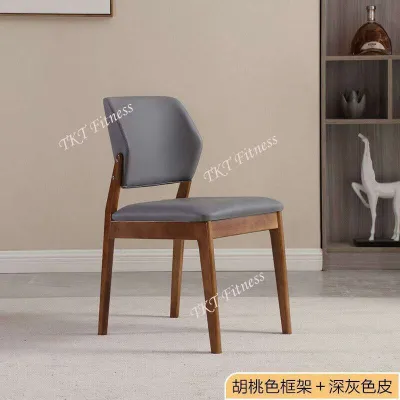
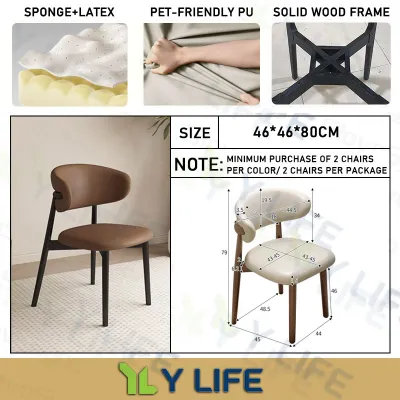
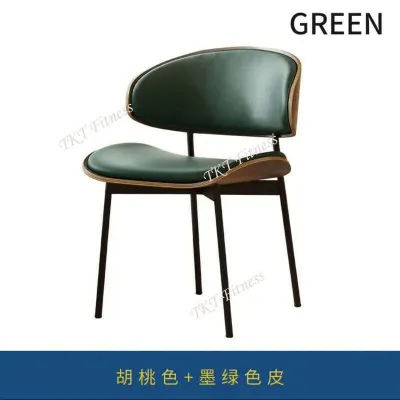
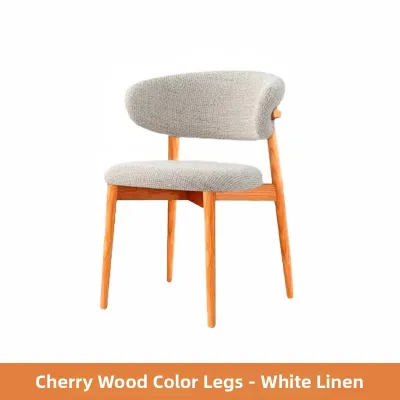
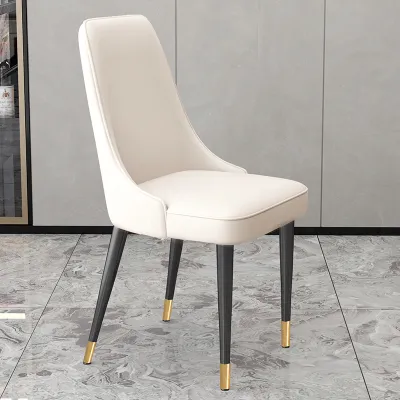
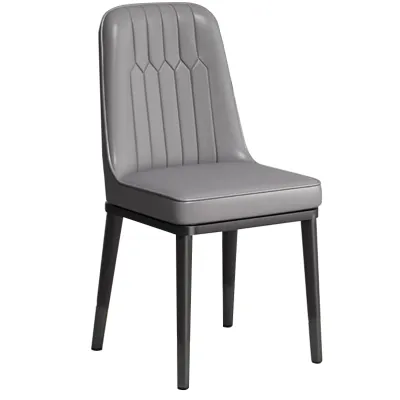
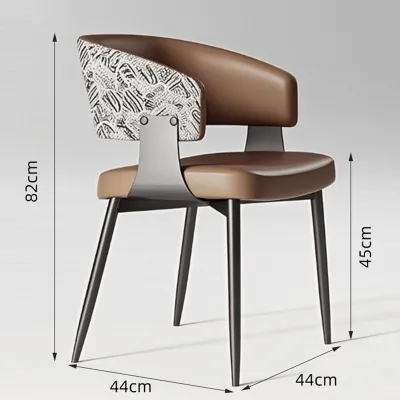
Prices are valid at publication and may change. Please refer to the product page for the latest price.

Color and finish play a critical role in maintaining a minimalist atmosphere. Matte or semi-matte leather finishes are ideal, as they absorb light rather than reflecting it, contributing to a calm and serene environment. Stick to a neutral color palette that complements your walls and flooring. Crisp white, light grey, soft tan, and deep black leather are excellent choices. These shades allow the natural texture of the leather to provide subtle warmth without introducing jarring visual noise into your curated dining area.
Frame pairings should reinforce the airy, lightweight feel of the room. Slim metal legs made of brushed stainless steel, chrome, or matte black powder-coated iron work exceptionally well. Alternatively, if you prefer the warmth of wood, select chairs with slim, straight legs in light-toned woods such as ash, pale oak, or beech. These materials keep the base of the chair visually light, allowing light to flow freely underneath the table and making the entire dining area feel larger and more open.
Spatial considerations are particularly important in compact apartment layouts, such as those found in many Singaporean condominiums and HDB flats. Armless leather chairs with a slim profile are highly practical for these spaces. They can be tucked completely under the dining table when not in use, clearing up valuable walkway space. By minimizing the physical and visual footprint of the seating, you preserve the clean, spacious flow that defines successful minimalist design.
Top Leather Chair Picks for Industrial Dining Spaces
Industrial dining design celebrates raw, unfinished elements, urban architecture, and a mix of historic and modern textures. To complement this aesthetic, choose leather chairs that feature distressed, vintage-look, or pull-up leather. Pull-up leather is particularly suited to industrial spaces because it is treated with oils and waxes that shift in color when stretched or flexed, creating a beautiful, worn-in patina over time. The natural scars, grain variations, and markings of the hide should be embraced, as they mirror the rugged honesty of industrial interiors.
Your color palette should lean toward warm, deep, and earthy tones that contrast beautifully with cold industrial materials like concrete, glass, and exposed metal. Rich cognac, dark chocolate brown, deep oxblood, and charcoal grey are outstanding choices. These colors inject a sense of warmth and comfort into what can otherwise be a sterile or cold architectural environment, making the dining space feel welcoming and grounded.
To match the structural elements of industrial design, look for chairs featuring robust metal frames. Black iron, dark gunmetal steel, and reclaimed wood bases are perfect matches. Design details such as exposed hardware, visible rivets, heavy-duty stitching, and metal sled bases enhance the workshop-inspired theme. The contrast between the soft, organic texture of the leather and the hard, cold surface of the metal frame creates a compelling visual tension that defines the industrial style.
While aesthetics are vital, you must not sacrifice comfort for style during long, leisurely meals. Industrial chairs can sometimes feel rigid, so look for options that feature high-density polyurethane foam cores wrapped in a softer outer layer of top-grain leather. A foam density of at least 30kg/m³ ensures the seat retains its shape and supportive qualities over years of use. This structural design provides the necessary cushioning to keep your guests comfortable while maintaining the rugged, hard-edged look required by the space.
Classic and Traditional Leather Dining Chair Recommendations
Traditional and heritage-inspired dining rooms require furniture that conveys a sense of permanence, elegance, and formal luxury. For these spaces, look for classic silhouettes that have stood the test of time. Chesterfield-style tufted backs, elegant rolled arms, wingback designs, and decorative nailhead trim are hallmarks of traditional seating. These design details add depth, texture, and a sense of craftsmanship that aligns perfectly with ornate dining tables and formal architectural moldings.
To achieve the luxurious feel required for traditional spaces, prioritize premium full-grain or top-grain leather. These high-quality cuts preserve the natural grain of the hide, allowing it to develop a deep, lustrous patina that grows more beautiful with age. Rich, historic colors are highly recommended for this style. Consider deep burgundy, forest green, navy blue, or dark mahogany. These saturated tones evoke the warmth of classic libraries and historic estates, bringing an air of sophistication to your dining room.
Frame construction in traditional seating must be exceptionally robust to support the heavier silhouettes. Look for solid, carved hardwood frames made from premium timbers like walnut, mahogany, cherry, or dark-stained oak. The joints should be constructed using traditional woodworking techniques, such as mortise-and-tenon joinery, to ensure maximum stability and longevity. Avoid lightweight metals or synthetic materials, which will look out of place alongside classic design elements.
Keep in mind that traditional leather chairs often have a larger visual footprint and wider seats than their modern counterparts. Before purchasing, carefully measure your dining room and table. These substantial chairs require generous spacing—ideally at least 15 to 20 cm of clearance between each chair—to avoid a cramped, overcrowded appearance. They pair best with large, solid wood dining tables that match their visual weight and structural scale, ensuring the entire room feels balanced and proportional.
Mid-Century Modern and Transitional Leather Seating Options
Mid-century modern and transitional designs are highly popular for their ability to bridge retro charm with contemporary sensibility. If your dining room features this eclectic mix, look for chairs with iconic, organic shapes. Molded plywood bases with integrated leather upholstery, wishbone-inspired timber frames, and sleek, curved bucket seats are excellent choices. These designs celebrate natural curves and ergonomic comfort, softening the sharp angles often found in modern dining tables.
Color and texture in this category should lean toward warm, earthy, and inviting tones. Classic cognac, mustard yellow, olive green, and warm tan leather work beautifully to highlight the natural grain of the material. These colors evoke a nostalgic, organic feel that pairs naturally with the warm wood tones characteristic of mid-century furniture. The leather should have a subtle, natural grain visibility rather than a highly polished or completely matte finish.
Frame pairings for mid-century and transitional styles typically feature tapered wooden legs, often made from teak, walnut, or medium-toned oak. The legs should angle outward slightly to create the classic mid-century stance, which provides excellent stability while maintaining a light visual profile. The smooth, rounded edges of these wooden frames complement the organic curves of the leather seat, creating a harmonious and balanced look that feels warm and approachable.
Transitional leather dining chairs are incredibly versatile, making them an excellent investment if you plan to update your decor over time. By combining the clean, straight lines of modern design with the soft, inviting textures of traditional furniture, transitional chairs can easily adapt to changing styles. They allow you to mix and match different design eras—such as pairing a rustic wooden table with sleek, leather-upholstered chairs—without making the space feel disjointed or chaotic.
Essential Buying Criteria for Leather Dining Chairs
Selecting the perfect leather dining chairs requires looking beyond aesthetics to evaluate practical performance, spatial compatibility, and environmental factors. The first step is understanding the different types of leather available. Full-grain leather is the highest quality, offering maximum breathability and durability, though it comes at a premium price. Top-grain leather is slightly more processed, making it highly stain-resistant and uniform while retaining excellent durability. Genuine or split leather is more budget-friendly but is less durable and breathable. High-quality polyurethane (PU) faux leather offers excellent spill resistance and affordability, but it lacks the breathability of real leather and may peel over time in warm climates.
In Singapore, spatial planning is a critical consideration due to the compact layouts of many modern HDB flats and apartments. Before buying, measure your dining table’s finished dimensions, paying close attention to the distance between the table legs to ensure your chosen chairs can slide fully underneath. Allow at least 60 cm of width for each diner to prevent elbow-bumping, and ensure there is 75 to 90 cm of clearance behind each chair so guests can pull them out and stand up comfortably. Additionally, verify that the chairs can fit through your home’s doorways, hallways, and lift access points during delivery.
+-----------------------+----------------------------------+----------------------------------+
| Leather Type          | Key Benefits                     | Best Suited For                  |
+-----------------------+----------------------------------+----------------------------------+
| Full-Grain            | Maximum durability, rich patina  | Formal, long-term investments    |
+-----------------------+----------------------------------+----------------------------------+
| Top-Grain             | Stain-resistant, uniform look    | High-traffic family dining       |
+-----------------------+----------------------------------+----------------------------------+
| PU Faux Leather       | Spill-resistant, budget-friendly | Homes with frequent spills       |
+-----------------------+----------------------------------+----------------------------------+
Singapore’s tropical climate, characterized by high humidity and warm temperatures, requires specific care and maintenance strategies for leather furniture. High humidity can encourage mold growth if leather is kept in unventilated areas, while direct sunlight from large balcony doors can dry out the material and cause it to crack. Always check the manufacturer’s care label for specific instructions. To maintain the material, wipe your chairs regularly with a dry microfiber cloth and apply a high-quality leather conditioner every 6 to 12 months, making sure to test the product on a small, hidden area first to check for colorfastness.
Finally, prioritize ergonomics and build quality to ensure your chairs are comfortable and safe. Look for chairs with a seat depth of 40 to 45 cm and a backrest angle of 100 to 110 degrees to support natural posture. Check the manufacturer’s specified load capacity and verify the stability of the frame joints—welded metal joints or reinforced wooden joints are essential for long-term safety. If you are purchasing online, carefully review the retailer’s return policy so you can test the comfort and fit of the chairs in your actual dining space before making a final commitment.
Frequently Asked Questions (FAQ)
Is faux leather a good option for dining chairs?
Faux leather, such as high-quality polyurethane (PU), is a practical option for dining chairs, especially for households with budget constraints, young children, or pets. It offers excellent spill resistance, is highly affordable, and is very easy to wipe clean after meals. However, faux leather lacks the natural breathability of genuine leather, which can make it feel warm or sticky to sit on during hot days. It also does not develop a patina and is prone to cracking or peeling over time, meaning it will likely need to be replaced sooner than genuine leather.
How do I protect leather dining chairs from high humidity?
To protect your leather chairs in a humid tropical climate, maintain good air circulation in your dining room and avoid placing the chairs directly under air-conditioning vents, which can cause rapid temperature changes and dry out the material. Keep them out of direct sunlight to prevent fading and cracking. Regularly wipe away dust and surface moisture with a clean, dry microfiber cloth. Always check your product’s care label first, and apply a manufacturer-recommended leather conditioner once or twice a year to keep the leather supple, testing it on an inconspicuous spot beforehand.
What is the standard seat height for dining chairs?
Standard dining chairs feature a seat height of approximately 45 to 48 cm from the floor to the top of the seat cushion. This height is designed to pair seamlessly with standard dining tables, which typically stand around 75 cm tall. This configuration leaves a comfortable clearance of 27 to 30 cm between the top of the chair seat and the underside of the tabletop or table apron, providing ample legroom for most adults. Always measure your specific table’s apron depth before purchasing to ensure a comfortable fit.
Community discussion
Share your experience or ask a question. Comments are reviewed before publication.