
Finding the perfect lazy sofa couch in Singapore requires balancing personal comfort, physical support, and the spatial realities of local homes. Because a recliner or lounging sofa is a significant investment in your daily well-being, selecting the right model goes beyond simply picking a visually appealing design. There is no single brand that serves as a universal solution for every household. Instead, the ideal choice depends heavily on your body proportions, your home’s layout, and how you intend to use the furniture.
In Singapore’s diverse housing market, shoppers typically navigate three main brand categories: large global furniture retailers, digital-native local brands, and premium specialty ergonomic showrooms. Each category addresses different priorities, from budget-friendly modular designs to medical-grade motorized support systems. To make an informed decision, you must understand how cushion construction, reclining mechanisms, and frame dimensions interact with your living space and physical needs.
How to Evaluate Comfort and Support in a Lazy Sofa
Before comparing specific brand categories, it is essential to establish a clear framework for what makes a lazy sofa couch truly comfortable and supportive over years of daily use. True comfort is highly objective and relies on specific engineering choices.
Products mentioned in this guide
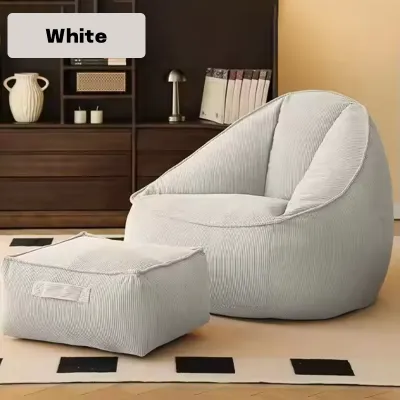
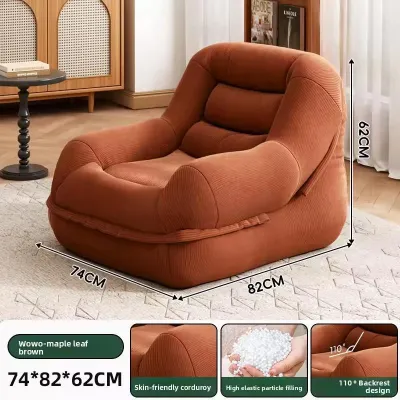
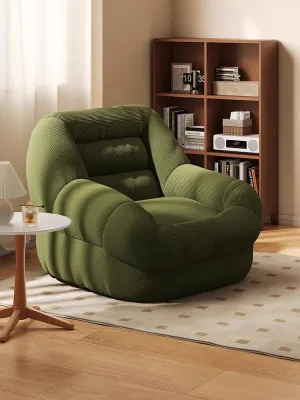
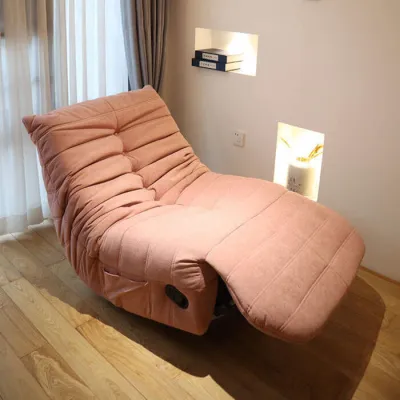
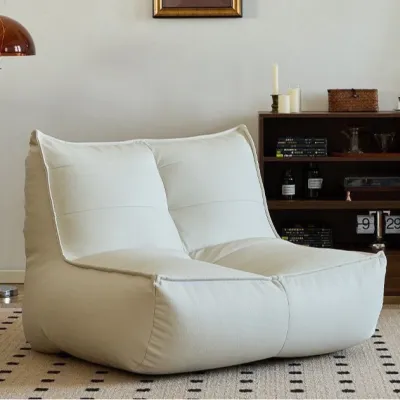
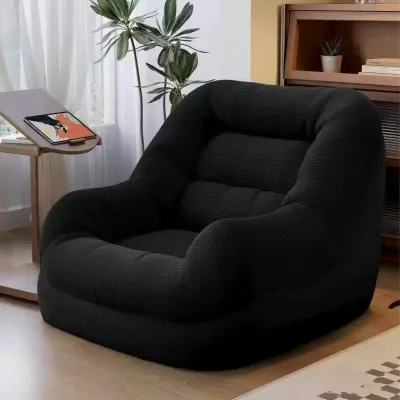
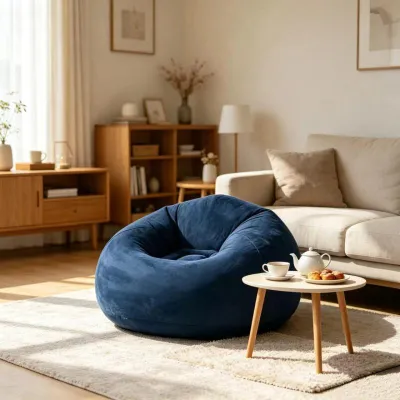
Prices are valid at publication and may change. Please refer to the product page for the latest price.
Reclining Mechanisms and Motion Control
The way a lazy sofa couch transitions from an upright position to a reclined state dictates both its ease of use and its suitability for your body. Reclining mechanisms generally fall into three categories:
- Manual Levers and Latches: These systems use a physical handle or inset trigger to release the footrest, relying on your body weight and core strength to push the backrest down. While manual designs are highly reliable and do not require proximity to an electrical outlet, they offer fewer incremental resting angles and can be difficult for individuals with limited mobility to operate.
- Push-Back Designs: These sleek, tension-based systems eliminate visible levers entirely. You recline simply by leaning back against the backrest. While they offer a clean, traditional armchair aesthetic, they require consistent physical effort to remain reclined and may not hold intermediate angles well for lighter individuals.
- Motorized Systems: Powered by electric actuators, motorized recliners allow for precise, micro-adjustments at the touch of a button. This enables you to stop the backrest and footrest at the exact angle that alleviates pressure on your lower back. Some advanced models feature dual or triple motors, allowing you to adjust the headrest and lumbar support independently of the footrest.
Cushion Density and Support Core
The internal composition of the seat cushion determines whether your sofa will remain supportive or sag over time. High-quality lounging furniture relies on a carefully engineered layering system:
- High-Resilience (HR) Foam: This is the gold standard for supportive seating. HR foam features an uneven cell structure that provides high bounce-back elasticity. When reviewing manufacturer specifications, look for high-density foam ratings—typically 30 kg/m³ or higher—which indicate the foam can withstand years of compression without flattening.
- Pocketed Springs: Much like a high-quality mattress, some premium lazy sofas incorporate pocketed coil springs within the seat core. This construction distributes body weight evenly, reduces motion transfer, and provides a highly responsive feel that prevents the "sinking" sensation that can strain the lower back.
- Fiber and Down Wraps: To achieve a plush, cloud-like surface texture, manufacturers often wrap the supportive foam core in polyester fiber, memory foam, or down feathers. This hybrid approach ensures you experience immediate softness upon sitting down while still receiving firm structural support from the underlying foam core.
Ergonomic Alignment and Pressure Relief
A poorly designed lazy sofa couch can cause neck strain, lower back pain, and poor circulation. To ensure proper ergonomic alignment, verify that the sofa supports three key areas of your body:
- Lumbar Support: The backrest should feature a distinct, built-in curve that fills the gap in your lower spine. If the backrest is completely flat, your lower back will collapse into a slouched position, placing excessive pressure on your spinal discs.
- Cervical and Head Support: When you are fully reclined, your head should be cradled in a position that allows you to watch television or read without straining your neck muscles. Adjustable headrests are highly beneficial here, as they let you tilt your head forward while your body remains reclined.
- Under-Knee and Leg Support: The footrest should extend fully to support your calves without creating a harsh pressure point directly behind your knees. If the footrest is too short, your feet will hang off the edge, which can restrict blood circulation during long sitting sessions.
Upholstery Breathability in Tropical Climates
Singapore’s hot and humid climate makes material selection a critical comfort factor. The upholstery material directly affects thermal comfort and maintenance requirements:
- Top-Grain and Full-Grain Leather: Genuine leather is highly durable, naturally breathable, and adapts well to body temperature. It is easy to wipe clean, making it a practical choice for air-conditioned rooms. However, in non-air-conditioned spaces, it can feel sticky against bare skin during warm afternoons.
- Breathable Linen and Cotton Blends: Fabric upholstery offers a soft, cozy texture and excellent airflow, keeping you cool even in humid conditions. The trade-off is that natural fibers are highly susceptible to absorbing sweat, spills, and atmospheric moisture, which can lead to mold or odor buildup if not treated with water-resistant coatings.
- Synthetic Performance Fabrics: Modern synthetic blends, such as polyester microfibers or specialized easy-clean fabrics, offer a practical middle ground. They are engineered to resist stains and moisture while maintaining a soft, breathable texture that is comfortable in both air-conditioned and naturally ventilated living rooms.
Comparing Lazy Sofa Brand Categories Available in Singapore
Navigating the local market is easier when you understand how different brand categories design, manufacture, and sell their products. Each category serves a specific consumer profile and home environment.

Global Furniture Retailers
Global furniture brands operating in Singapore offer highly standardized, mass-produced seating options that are accessible to a wide audience.
- Physical Showroom Testing: The primary advantage of global retailers is the ability to visit massive physical showrooms across Singapore. This allows you to sit in, recline, and physically test dozens of different models side-by-side. You can easily evaluate whether the seat depth, backrest height, and cushion firmness match your body type before committing to a purchase.
- Standardized Quality and Warranties: These brands manufacture their products under strict global quality control standards. They typically offer transparent, structured warranty policies covering the frame, reclining mechanisms, and upholstery. This structured corporate support provides peace of mind regarding product longevity and replacement parts.
- Sizing and Scale Challenges: A significant drawback is that many global designs are scaled for spacious Western suburban homes. These traditional, bulky recliners have large footprints and wide armrests that can easily overwhelm a standard HDB living room or narrow condominium layout. It is crucial to check the fully reclined dimensions to ensure the sofa does not block vital walkways in your home.
Local and Regional Online-First Brands
Digital-native brands have gained significant popularity in Singapore by designing furniture specifically tailored to modern, compact urban living spaces.
- Space-Saving Engineering: Local online-first brands excel at creating compact, "wall-hugger" recliners. These innovative designs feature mechanisms that slide the seat forward as the backrest reclines, requiring only a few centimeters of clearance from the wall behind them. This makes them highly compatible with tight HDB living room layouts and cozy study rooms.
- Logistical Optimization: Because these brands design for Singaporean high-rise living, their products are often engineered to ship in modular, flat-packed, or semi-assembled boxes. This ensures the sofa can easily fit through standard HDB passenger lifts, narrow corridors, and tight doorway frames without risking damage to your walls or the furniture itself.
- The Physical Verification Gap: Operating primarily online allows these brands to offer competitive pricing by cutting showroom overhead costs. However, this means you often cannot test the comfort of the sofa before it arrives at your home. To navigate this, you must carefully review their return policies, home trial periods, and customer reviews. Pay close attention to feedback regarding how well the cushions maintain their firmness after several months of daily use.
Specialty Recliner and Premium Showrooms
For buyers prioritizing medical-grade ergonomic support, long-term durability, or luxury materials, specialty showrooms offer highly engineered motion furniture.
- Advanced Ergonomic Features: Brands in this tier specialize almost exclusively in ergonomic seating. They incorporate advanced features such as zero-gravity positioning—which elevates your legs slightly above your heart level to maximize spinal decompression and improve blood circulation. Many premium models feature multi-zone motorized adjustments, integrated heating elements, and customizable lumbar bladders.
- Premium Materials and Construction: These sofas are built to last, utilizing solid steel chassis, heavy-duty commercial-grade motors, and premium top-grain or full-grain leathers sourced from renowned tanneries. The structural and mechanical warranties in this category are typically much longer than those of standard retailers, often covering mechanisms for up to a decade.
- High Financial Investment: Premium engineering comes with a significant price tag, with models positioned in the high-end price bands. Visiting specialized, low-traffic boutiques is highly recommended to experience the subtle differences in motorized support and to receive personalized guidance from trained ergonomic specialists.
Decision Framework: Which Brand Type Fits Your Needs?
To simplify your shopping journey, use this targeted decision framework to match your living situation, budget, and physical needs with the right brand category.
Choose Global Retailers if:
- You want to physically test a wide variety of designs, cushion materials, and reclining styles in a single shopping trip.
- You prefer the security of buying from an established international brand with highly standardized quality control and clear, corporate-backed warranty policies.
- You have a spacious living room or a dedicated entertainment area that can easily accommodate a traditional, wide-footprint recliner without restricting movement.
Choose Online-First Local Brands if:
- You are furnishing a compact HDB flat, a BTO apartment, or a condominium where maximizing floor space is your top priority.
- You require a "wall-hugger" design that can recline fully while positioned almost flush against your living room wall.
- You are looking for a budget-friendly or mid-range price point and are comfortable relying on digital reviews, detailed dimensions, and flexible home trial policies.
- Your home has tight access points, such as narrow corridors, sharp entryway turns, or compact passenger lifts that require modular delivery.
Choose Specialty Showrooms if:
- You suffer from chronic lower back pain, neck strain, or circulatory issues and require precise, medical-grade ergonomic support.
- You want advanced motorized features, such as independent headrest control, zero-gravity reclining, or integrated lumbar adjustments.
- You are willing to make a long-term financial investment in premium materials, such as top-grain leather and heavy-duty steel frames, backed by extensive multi-year warranties.
Crucial Spatial Verification Checks
Regardless of the brand category you choose, never purchase a lazy sofa couch based on its static, upright dimensions alone. Always verify the following spatial requirements before buying:
- The Full Recline Footprint: Measure the absolute length of the sofa when the backrest is fully tilted back and the footrest is fully extended. Ensure this dynamic footprint does not block walkways, hit television consoles, or interfere with nearby dining chairs.
- Wall Clearance Requirements: Check the manufacturer's specifications for the required distance between the back of the sofa and the wall. Standard recliners often require 30 to 50 centimeters of clearance to tilt back fully, whereas specialized wall-hugger models may require less than 10 centimeters.
- Balcony and Window Clearance: If you plan to place the sofa near balcony sliding doors or low windows, ensure the backrest height does not block natural light or obstruct the opening mechanism of your doors.
Practical Steps for Testing and Verifying Before You Buy
To ensure your chosen lazy sofa couch delivers long-term comfort and fits seamlessly into your home, follow these practical verification steps before finalizing your purchase.
The 15-Minute Showroom Test
When visiting a physical showroom, do not simply sit in the sofa for a few seconds. To accurately evaluate its ergonomic support, perform a comprehensive comfort check:
- Sit in Your Natural Relaxing Postures: Sit in the positions you actually use at home—whether that is slouching slightly, curling your legs up, lying on your side, or sitting upright.
- Remain Seated for at least 15 Minutes: It takes time for your body to detect pressure points. Stay in the chair for a full quarter-hour to see if the cushion foam begins to bottom out, if your lower back feels unsupported, or if the backrest places uncomfortable pressure on your neck.
- Test the Controls and Transitions: If testing a manual model, verify that you can easily operate the lever and push the backrest down using your own body weight. If testing a motorized model, ensure the buttons are positioned intuitively and the motor operates smoothly and quietly without jerking.
Spatial Clearance and Path-to-Home Checks
Before placing your order, you must guarantee that the physical sofa can actually be delivered into your living room without structural issues:
- Measure Your Entryway and Doors: Measure the clear width and height of your front door frame, hallway corners, and particularly your HDB bomb shelter door if it is located near the entryway. Compare these measurements against the sofa's packaged shipping dimensions.
- Check Lift Dimensions: Measure the internal height, width, and diagonal clearance of your building's passenger lift. Many delivery failures occur because a fully assembled recliner cannot fit inside a standard lift, requiring expensive manual stair-carrying services.
- Verify Assembly Requirements: Ask the brand if the sofa is delivered fully assembled or if the backrest can be detached. Detachable backrests make delivery significantly easier, as the base and back can be carried through tight spaces separately and assembled directly inside your living room.
Reviewing Care Labels and Climate Compatibility
To ensure the upholstery can withstand Singapore’s high humidity, perform a thorough care and material check:
- Identify the Cleaning Codes: Check the manufacturer's care label for standard cleaning codes (e.g., "W" for water-based cleaners, "S" for solvent-based dry cleaning, or "W-S" for both). Avoid fabrics that are highly sensitive to moisture if you plan to use the sofa in a non-air-conditioned room.
- Verify Frame and Joint Construction: If possible, look underneath the showroom model or ask the sales representative about the frame construction. High-quality motion furniture should feature a frame made of kiln-dried hardwood or reinforced steel. Avoid frames constructed entirely of cheap particleboard, as high humidity can weaken these materials over time, leading to structural squeaks and joint failures.
Frequently Asked Questions (FAQ)
Are manual or motorized lazy sofas more durable?
The mechanical durability of a lazy sofa couch depends heavily on its build quality and how it is operated. Manual mechanisms contain fewer electronic parts that can fail, making them structurally simple. However, because they rely on physical force, users often slam the footrest shut or push forcefully against the backrest, which can accelerate wear on the internal springs, levers, and locking brackets over time.
Motorized sofas rely on electric motors and power adapters, which introduce electronic points of failure. If a motor fails, it requires professional replacement, and the sofa cannot be reclined in the meantime. However, because motorized systems transition smoothly and gently at the press of a button, they subject the frame and internal mechanisms to significantly less physical shock and mechanical stress, often resulting in longer structural life if connected to a stable power source.
How do I maintain fabric recliners in a humid climate?
Maintaining fabric upholstery in Singapore’s humid climate requires consistent, preventative care to prevent mold, dust mites, and odors from settling into the cushion foam. Vacuum your lazy sofa couch at least once a week using an upholstery attachment with a HEPA filter. This removes dead skin cells, dust, and microscopic mold spores before they can penetrate deep into the fabric fibers.
Ensure your living room remains well-ventilated by opening windows during dry days or utilizing a dehumidifier in enclosed rooms, especially during the rainy monsoon seasons. If you use air conditioning regularly, the drop in temperature can cause moisture to condense on cold surfaces; keeping the room ventilated prevents this moisture from soaking into the sofa cushions. Always check the manufacturer’s specific cleaning codes before applying any liquid fabric protectors, fabric refreshers, or spot-cleaning solutions, and perform a spot test on a hidden area of the sofa first.
Community discussion
Share your experience or ask a question. Comments are reviewed before publication.