
Finding the right dining furniture for a compact Singapore Housing & Development Board (HDB) flat requires balancing spatial efficiency, functional durability, and visual appeal. Traditional kopitiam-style wooden chairs offer an ideal solution for these space-constrained layouts. Characterised by their slender frames, open backrests, and armless profiles, these classic chairs evoke the nostalgic charm of local coffee shops while sliding seamlessly into modern, minimalist dining zones. Because they occupy minimal physical and visual space, they help maintain an airy, open feel even in tight 2-room or 3-room flats.
To successfully integrate these heritage pieces into your home, you must look beyond their retro charm. Achieving a comfortable and functional dining area depends on precise spatial planning, verifying structural joinery, selecting climate-resilient finishes, and choosing the right layout strategies. By evaluating these physical specifications and matching them to your home’s unique dimensions, you can create a dining space that is both highly functional and rich in character.
Why Kopitiam-Style Wooden Chairs Suit Compact HDB Layouts
The spatial layout of a modern HDB flat, particularly in newer BTO (Build-To-Order) developments, often merges the living and dining areas into a single open-plan zone. In these configurations, heavy, high-backed upholstered chairs can easily dominate the room, making the dining corner feel cramped and closed off. A kopitiam chair wooden design addresses this challenge through its inherent visual lightness. The open-back structure, typically featuring vertical spindles, bentwood curves, or cross-back slats, allows light to pass through the frame. This transparency prevents the furniture from acting as a solid visual barrier, preserving sightlines across the living space.
Products mentioned in this guide
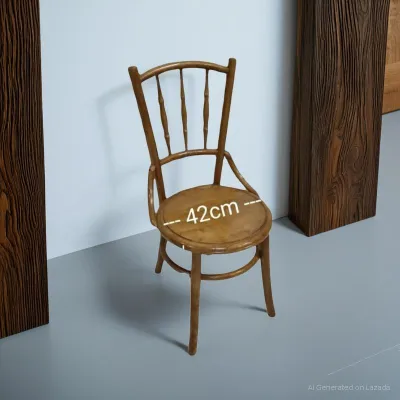
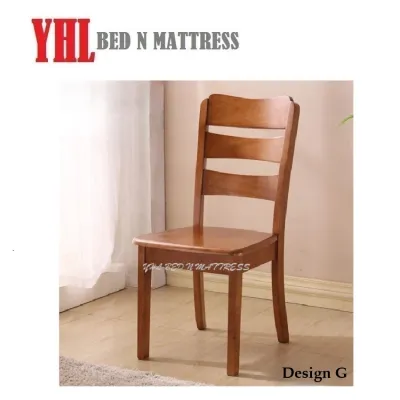
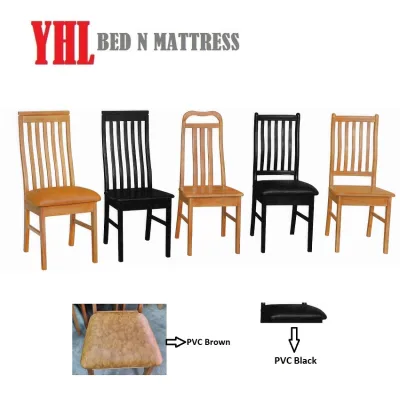
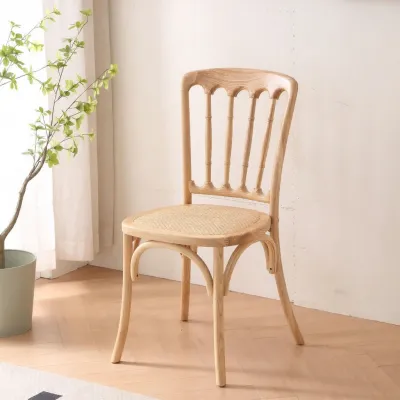
Prices are valid at publication and may change. Please refer to the product page for the latest price.
Beyond visual aesthetics, the physical footprint of a kopitiam-style chair is exceptionally compact. Most traditional designs are completely armless, featuring a tapered seat that narrows slightly toward the back. This streamlined profile allows the chairs to be tucked fully underneath the dining table when they are not in use. Reclaiming this floor space is a significant advantage in narrow HDB walkways, where even a few centimetres of protrusion can disrupt household foot traffic.
Furthermore, the warm, organic texture of wood introduces natural character to contemporary interiors. Modern HDB flats often feature neutral color palettes, vinyl flooring, and clean-lined cabinetry. Introducing a wooden kopitiam chair adds a layer of historical texture and warmth, grounding the space with a sense of local heritage. Whether your interior theme is mid-century modern, Japandi, or retro, the simple lines of these chairs complement various design styles without overwhelming the surrounding decor.
Essential Measurements for Small Dining Spaces
Before purchasing any dining chairs, taking precise measurements of your designated dining area is crucial to avoid spatial bottlenecks. The first dimension to verify is the seat-to-table clearance. Standard dining tables in Singapore typically stand at a height of 75 cm, while standard dining chair seats rest at approximately 45 cm from the floor. This leaves a standard clearance of 30 cm, which is ideal for comfortable legroom. However, you must measure the table’s apron—the wooden or metal support frame running directly beneath the tabletop. If the table has a thick apron, the actual clearance will be reduced, potentially scraping your thighs or preventing the chairs from sliding underneath.

Another critical dimension is the pull-out clearance behind each chair. To sit down comfortably, pull the chair back, and stand up without restriction, you require a minimum clearance of 60 to 80 cm from the edge of the dining table to the nearest obstruction. This obstruction could be a living room wall, a sideboard cabinet, a household shelter door, or the edge of a sofa. If your dining table is positioned in a high-traffic corridor, aim for the higher end of this range (80 cm) to ensure that family members can walk past safely while someone is seated.
Finally, do not overlook the logistics of moving the furniture into your home. While some modern replicas are delivered flat-packed, authentic or high-quality wooden kopitiam chairs are often delivered fully assembled to preserve the integrity of their joints. You must verify the clear opening dimensions of your HDB lift doors, the interior height and depth of the lift carriage, and the width of your main entrance door. If your flat is located at the end of a narrow corridor, measure the turning radius around the corner to ensure the delivery team can safely maneuver the bulky items into your dining area without scratching the walls or the furniture itself.
What to Check When Choosing a Space-Saving Wooden Chair
Selecting a durable and safe wooden chair involves looking closely at its construction details, surface treatments, and functional features. Relying solely on a “solid wood” label is not enough to guarantee long-term performance in a busy household.
Structural Joinery and Weight Capacity
The longevity of a wooden dining chair depends heavily on how its frame is put together. High-quality wooden chairs utilize traditional mortise and tenon joinery, where a projecting tongue (tenon) on one piece of wood fits securely into a corresponding hole (mortise) on another. This method distributes weight and stress evenly across the frame. Alternatively, look for chairs reinforced with heavy-duty corner blocks screwed and glued into the interior angles of the seat frame. Avoid chairs held together entirely by simple pocket screws or staples, as these connections can loosen over time under the repetitive stress of tilting or shifting weight.
To ensure safety during daily use, always check the manufacturer’s stated weight capacity for the specific chair model. A robust wooden dining chair should comfortably support a static weight capacity of at least 100 to 120 kg. Review the hardware specifications provided in the product manual; if the chair requires home assembly, verify that the bolts are high-tensile steel and plan to inspect and retighten them every six months to maintain structural rigidity.
Surface Finishes for Humid Environments
Singapore’s tropical climate presents unique challenges for wooden furniture, with relative humidity levels often fluctuating between 60% and 90%. Unprotected wood can absorb moisture from the air, leading to swelling, warping, structural weakness, or mold growth. When choosing a wooden kopitiam chair, check the product description or label for a protective topcoat. Formulations containing polyurethane, lacquer, or specialized water-resistant wood oils seal the timber pores, shielding the wood from atmospheric humidity and accidental liquid spills.
Maintaining these finishes requires a simple, low-risk cleaning routine. For daily care, wipe the wooden surfaces with a soft, slightly damp microfiber cloth to remove dust and food residue, then immediately follow with a dry cloth to prevent standing moisture. Avoid using harsh chemical cleaners, bleach, or abrasive scrubbing pads, as these can strip away the protective topcoat. Additionally, try to position your wooden chairs away from areas exposed to direct, intense afternoon sunlight, such as unshaded balcony doors, to minimize the risk of the wood drying out, cracking, or fading.
Stackability and Everyday Flexibility
For households that frequently host guests or need to clear floor space for household chores, choosing stackable kopitiam-style chairs offers excellent flexibility. However, not all wooden designs are built to stack safely. If you require stackable chairs, verify the manufacturer’s instructions regarding the maximum safe stacking height, which is typically limited to three or four chairs to prevent tipping hazards.
When stacking wooden chairs, direct wood-on-wood contact can cause friction, leading to unsightly scratches, dents, or chipped lacquer on the seat surfaces and legs. To prevent this wear, check if the chairs are designed with integrated protective pads underneath the seat frame. If they are not, you can apply small, self-adhesive felt or rubber pads to the contact points on the underside of each chair. This simple addition cushions the weight and preserves the pristine finish of your furniture over years of stacking and unstacking.
Practical Layout Tips for Tight Dining Areas
Maximizing a small HDB dining zone requires creative furniture arrangements that optimize flow without sacrificing seating capacity. One effective strategy is to implement an asymmetric seating layout. Instead of placing identical kopitiam chairs on all sides of the dining table, pair two wooden chairs on one side and place a low, backless wooden bench on the opposite side. Because a bench lacks a backrest, it can be pushed completely underneath the dining table when not in use. This configuration instantly frees up a wide walkway, making the room feel significantly larger while keeping the visually charming kopitiam chairs on display on the outward-facing side.
Another space-saving approach is to position your dining table directly against a wall or nestled into a corner of the living room. By eliminating the need for clearance on one or two sides of the table, you consolidate the dining footprint and free up central floor space. Because wooden kopitiam chairs are relatively lightweight compared to bulky upholstered armchairs, they can be easily picked up and rearranged. When you have guests over, simply pull the table away from the wall and bring in your extra chairs to accommodate everyone.
To maintain a balanced and uncluttered aesthetic, pair your slim-profile wooden chairs with a visually lightweight dining table. Look for tables with slender, tapered legs or a central pedestal base rather than thick, blocky corner legs. A pedestal table is particularly advantageous in tight spaces, as it eliminates corner legs that might otherwise collide with the legs of your kopitiam chairs, allowing you to tuck the chairs in even tighter and optimize every square centimetre.
Sourcing and Verifying Chairs in Singapore
Finding the perfect kopitiam-style wooden chairs involves exploring both physical and digital retail landscapes in Singapore. To ensure the chair meets your comfort and quality standards, visiting local brick-and-mortar furniture showrooms or traditional woodworking districts is highly recommended. Areas such as Balestier, Geylang, or industrial furniture hubs in Sungei Kadut and Defu Lane host retailers specializing in solid wood and heritage-style furniture. Physically testing the chairs allows you to evaluate the curvature of the backrest, the depth of the seat, and the overall stability of the frame before making a financial commitment.
If you prefer the convenience of online shopping through ecommerce platforms or dedicated furniture websites, extra precautions are necessary to ensure a successful purchase. Always cross-reference the detailed dimension diagrams provided by the seller against your home measurements, paying close attention to the seat height and total width. Read through verified customer reviews to check for feedback regarding the ease of assembly, structural sturdiness, and any discrepancies in color or finish. Finally, carefully review the retailer’s return and exchange policies for bulky furniture items, ensuring you can return or swap the chairs if they arrive damaged or fail to fit your dining space as planned.
Frequently Asked Questions (FAQ)
Will kopitiam chairs fit under a standard modern dining table?
Yes, most traditional and reproduction wooden kopitiam chairs are designed to fit under standard modern dining tables. Standard dining tables typically have a height of 75 cm, while kopitiam chairs generally feature a seat height of approximately 45 cm. Because classic kopitiam chairs are armless, they slide easily under the tabletop. However, you should always measure the clearance of your table’s apron or support frame to ensure that the highest point of the chair’s backrest or seat frame does not collide with the under-table structure when pushed fully inward.
How can I protect HDB floor tiles from wooden chair legs?
To protect your HDB floor tiles—whether they are ceramic, porcelain, vinyl, or polished screed—from scratches caused by sliding wooden chair legs, apply high-quality protective pads to the bottom of each leg. Heavy-duty, self-adhesive felt pads are highly effective for smooth indoor tiles, while slip-on rubber or silicone leg caps offer durable protection for high-use chairs. Because these pads can wear down, lose their adhesive grip, or accumulate abrasive household grit over time, inspect them every few months and replace them promptly to maintain a smooth, scratch-free glide.
Community discussion
Share your experience or ask a question. Comments are reviewed before publication.