
For Singapore’s highly humid climate, the most effective kitchen cabinet mat materials are non-porous, non-adhesive options designed with physical ventilation features, such as textured ethylene-vinyl acetate (EVA) or ribbed silicone. These materials prevent moisture from becoming trapped against the wooden shelf, which is the primary cause of mould growth and structural rot in enclosed spaces.
Why Humidity Matters for Kitchen Cabinet Mats
Singapore’s tropical climate presents a constant challenge for home maintenance, with relative humidity levels frequently exceeding 80% alongside consistently warm ambient temperatures. In enclosed spaces like kitchen cabinets, these environmental conditions create a stagnant microclimate where moisture easily accumulates and struggles to evaporate naturally.
When warm, moist air enters a cabinet—often during daily cooking or from the ambient environment—it can settle on the cooler surfaces of the interior shelving. This temperature differential leads to condensation, which is further exacerbated by minor spills, damp dishes, or plumbing leaks under the sink. Without proper airflow, this moisture pools silently beneath flat, poorly designed liners, creating an ideal breeding ground for hidden fungal spores.
Products mentioned in this guide
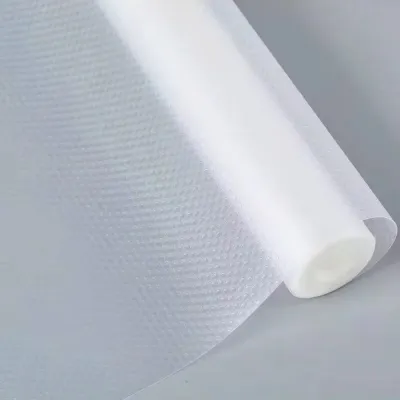
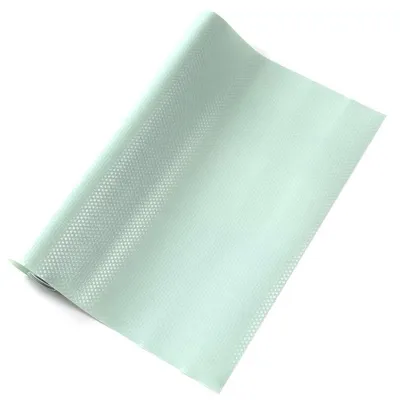
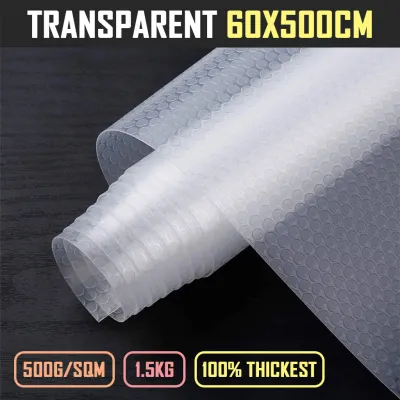
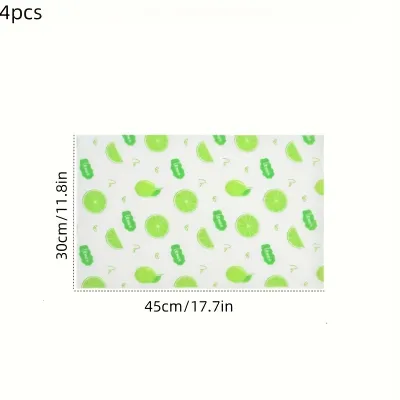
Prices are valid at publication and may change. Please refer to the product page for the latest price.
Over time, trapped moisture does not merely ruin the aesthetic of your kitchen; it actively degrades the structural integrity of your cabinetry. Standard engineered wood, particleboard, and plywood shelves absorb this standing water, leading to swelling, warping, and eventually structural failure. To protect your cabinetry, the core decision criteria for selecting a kitchen cabinet mat must focus on non-porous surfaces, easy removability for inspection, and structural stability under prolonged dampness.
Comparing Common Cabinet Mat Materials for Damp Environments
When searching for the right kitchen cabinet mat, evaluating the physical properties and structural design of the material is far more reliable than relying on retail marketing claims. A successful comparison requires analyzing how a material handles moisture contact, its surface texture, and how easily it can be maintained in a high-humidity kitchen.

It is important to recognize that material names alone do not guarantee performance in a damp environment. A mat’s thickness, backing style, and overall construction play equal roles in its durability, meaning you must verify the physical structure of the product and consult the manufacturer’s care instructions before making a final choice.
Silicone and Rubber Mats
Solid silicone and high-quality rubber are naturally non-porous materials, meaning they do not absorb liquids or allow water to penetrate through to the wooden shelf below. This inherent water resistance makes them highly resilient against surface mould, as the material itself does not provide organic nutrients for fungal growth.
To perform well in Singapore’s climate, these mats must feature raised patterns, deep ridges, or ribbed undersides. These geometric designs create essential channels for airflow between the mat and the cabinet shelf, allowing any minor condensation that forms to evaporate naturally rather than remaining trapped in a stagnant pool.
While silicone and rubber offer excellent durability and a heavy weight that prevents sliding without the use of adhesives, they can be somewhat cumbersome to handle. Heavy rubber mats can be rigid and difficult to roll up, which may make the necessary task of frequent lifting and washing feel like a chore in a busy kitchen.
Additionally, if you plan to store unwashed produce, clean utensils, or direct-contact dinnerware on these surfaces, always check the product packaging or official specifications for food-safe or food-grade certifications to ensure the material is free from harmful chemical additives.
PVC and EVA Foam Mats
PVC (polyvinyl chloride) and EVA (ethylene-vinyl acetate) are widely popular for kitchen cabinet mats due to their lightweight nature, waterproof surfaces, and protective cushioning. This cushioning helps absorb the impact of heavy pots and prevents delicate glassware from chipping on hard wooden shelves.
However, the design of the underside is critical when using these materials in damp environments. Flat, smooth PVC backings can create a tight suction effect when laid against smooth laminate shelves, locking in microscopic water droplets and creating an anaerobic environment where mould thrives undetected.
You should actively avoid low-quality PVC mats that feature adhesive backings or cheap, rubberized anti-slip coatings. In Singapore’s warm and humid kitchens, these adhesives and low-grade backings can chemically degrade over time, melting onto your shelves and leaving a sticky, stubborn residue that can permanently ruin the cabinet’s laminate finish.
Instead, look for non-adhesive EVA mats designed with perforated structures, open grids, or highly textured waffle patterns. These designs allow air to flow freely through the mat, ensuring that minor spills or ambient condensation can drain or evaporate safely without compromising the shelf surface.
Aluminum Foil and Vinyl Liners
Thin aluminum foil liners and vinyl adhesive sheets serve as direct, absolute moisture barriers, shielding the wood beneath from immediate liquid contact, such as a dripping pipe or a knocked-over liquid bottle.
The primary hazard associated with these liners is their installation method. If an adhesive vinyl liner is applied to a cabinet shelf that has not been dried completely, microscopic moisture becomes permanently sealed underneath, leading to wood rot and mould growth that remains hidden until the shelf structurally fails.
To mitigate this risk, opt for non-adhesive vinyl or heavy-duty foil liners that can be easily lifted, wiped down, and repositioned. When maintaining these thin liners, avoid using abrasive scrubbing sponges or harsh chemical cleaners, as they can easily tear or puncture the material, rendering its waterproof barrier ineffective.
Key Features to Check Before Buying
To ensure your kitchen cabinet mat performs reliably in Singapore’s humid climate, look beyond basic material labels and evaluate these specific physical traits:
- Airflow and Texture: Prioritize mats that feature raised ribs, bumps, or perforated patterns. These physical textures elevate your pantry items, dishes, and jars slightly off the flat surface of the liner, promoting continuous air circulation and preventing water from pooling directly against the cabinet wood.
- Removability and Cleaning: Choose a mat that is highly flexible, lightweight, and easy to roll up or lift out of the cabinet. If a liner is too rigid, heavy, or sticky, it will discourage you from performing the regular cleaning and inspection required to keep mould at bay in a tropical home.
- Edge Design: Examine the edges of the mat to ensure they are finished, lay flat, or feature beveled borders. Low-quality plastic liners often suffer from curled edges over time, which not only look untidy but also trap dust, food crumbs, and moisture in hard-to-reach corners.
- Manufacturer Specifications: Always verify the manufacturer's stated temperature tolerance and recommended cleaning methods on the packaging or official product page. Ensure the material can withstand the warmth of cabinets located near stoves or ovens, and check whether it is dishwasher-safe or requires hand washing with mild soap.
How to Maintain and Prevent Mould on Cabinet Mats
Maintaining a mould-free kitchen cabinet system in a humid climate requires a proactive, low-risk routine focused on keeping both the mat and the underlying wood dry.
Establish a regular maintenance schedule to lift your cabinet mats and inspect the shelves beneath them. In Singapore, performing this check once every month is highly recommended, particularly in high-moisture zones such as the cabinet directly under the kitchen sink, or shelves where freshly washed, damp dishes are stored.
When washing your cabinet mats, never place a damp mat back onto the shelf. After cleaning the mat with mild soap and water, allow it to air-dry completely in a well-ventilated area or under a fan. Avoid exposing plastic, PVC, or rubber mats to direct, intense sunlight, as extreme heat can warp, shrink, or crack these materials. Ensure the wooden cabinet shelf itself is wiped completely dry with a clean microfiber cloth before replacing the liner.
If a liquid spill occurs inside the cabinet, do not simply wipe the top surface of the mat. Remove the mat entirely, clean up the liquid from both the mat and the wooden shelf, and allow both surfaces to dry thoroughly before putting the mat back in place to prevent liquid from seeping underneath.
If you discover that a wooden cabinet shelf has already developed active black mould, structural softening, or severe warping, stop using the cabinet mat immediately. Remove all stored items, leave the cabinet doors open, and consult a qualified carpenter or professional furniture repair service to assess the damage. Do not attempt to paint, varnish, or seal over active mould, as this traps the fungal spores inside the wood and accelerates decay.
Frequently Asked Questions (FAQ)
Can I use fabric or felt drawer liners in a humid kitchen?
Fabric, felt, and woven materials are highly porous and readily absorb ambient moisture from the air. In Singapore’s humid kitchen environments, these liners act like sponges, retaining dampness and rapidly developing mould, mildew, and musty odours. Restrict fabric or felt liners to dry household areas, such as bedroom wardrobes or upper pantry shelves where only dry, hermetically sealed goods are stored.
How often should I wash my kitchen cabinet mats?
As a baseline, you should remove and wash your kitchen cabinet mats every one to two months, or immediately after any visible spill or condensation buildup occurs. You should increase this frequency during the monsoon seasons when ambient humidity is exceptionally high, or if your kitchen layout lacks active ventilation, such as an exhaust hood or open windows.
Community discussion
Share your experience or ask a question. Comments are reviewed before publication.