
Selecting the right kitchen cabinet mat is essential for protecting your cabinetry from the constant moisture and high humidity characteristic of Singapore’s tropical climate. The best material for this environment is a non-porous, waterproof, non-adhesive synthetic polymer, with Ethylene-Vinyl Acetate (EVA) and high-grade silicone leading the choices. These materials do not absorb moisture, actively resist mold and mildew growth, and can be easily removed for cleaning, ensuring your kitchen remains hygienic and your cabinets stay structurally sound.
Quick Guide: Selecting Moisture-Resistant Cabinet Mats
Singapore’s tropical climate presents a unique set of challenges for home maintenance, particularly within the enclosed spaces of kitchen cabinets. With relative humidity levels frequently exceeding 80 percent, stagnant air inside base cabinets and under-sink areas quickly becomes a breeding ground for mold, mildew, and wood-rotting fungi. When warm, humid air is trapped inside dark cabinet interiors, even minor temperature fluctuations can cause moisture to condense on cool surfaces, leading to warped shelves, peeling laminates, and persistent musty odors.
To combat these issues, the general rule of thumb for selecting a kitchen cabinet mat is to prioritize non-porous, waterproof, and highly stable materials. Absorbent liners, while popular in drier climates for their cushioning properties, act like sponges in Singapore, trapping moisture against the cabinet surface and accelerating decay. A high-quality mat must act as a reliable physical barrier that prevents spills from reaching the wood while simultaneously allowing the cabinet shelf underneath to remain dry.
Products mentioned in this guide
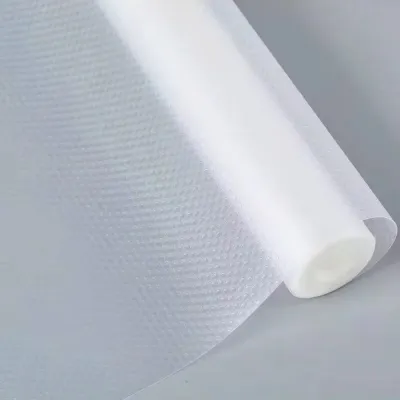
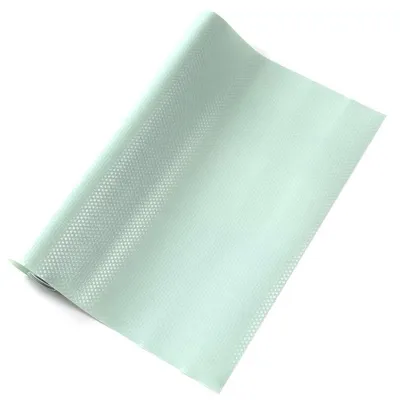
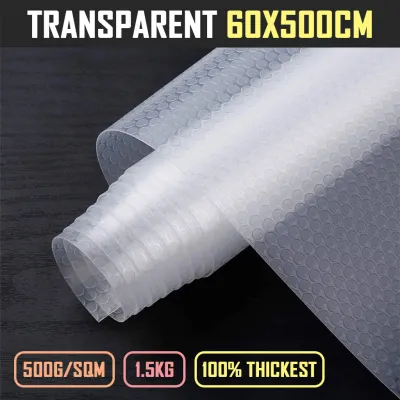
Prices are valid at publication and may change. Please refer to the product page for the latest price.
When browsing product labels or shopping online, you should verify that the mat is explicitly rated for high-moisture environments. Look for specifications indicating that the material is non-toxic, food-safe, and free from volatile organic compounds (VOCs) that can off-gas in enclosed spaces. Furthermore, ensure the product is described as non-adhesive; sticky backings are notorious for degrading under humid conditions, leaving behind a gummy residue that is incredibly difficult to clean and can permanently ruin your cabinet’s finish.
How Common Cabinet Mat Materials Perform in High Humidity
Evaluating how different materials respond to constant moisture is crucial for making an informed purchase. Each material class offers distinct advantages and trade-offs regarding durability, ease of maintenance, and protection.

Waterproof Synthetics (EVA, PVC, and Silicone)
Synthetic polymers are the most popular and practical choices for modern kitchens due to their inherent resistance to water. However, not all synthetics are created equal, and their performance in a humid tropical climate can vary significantly.
Ethylene-Vinyl Acetate (EVA) is widely considered the gold standard for cabinet liners in Singapore. It is a non-porous, rubber-like plastic that is completely waterproof, highly flexible, and naturally resistant to cracking or tearing. Because EVA contains no chlorine or plasticizers, it remains stable over time, meaning it will not degrade, warp, or become sticky even when exposed to ambient kitchen heat and high humidity. It is also exceptionally easy to clean; a simple wipe with a damp cloth or a quick rinse in the sink is usually all that is needed to restore its surface.
Polyvinyl Chloride (PVC) is another common and highly affordable option. While PVC is waterproof and offers excellent cushioning, budget-grade PVC liners can carry significant drawbacks in tropical climates. Over time, the chemical plasticizers used to make PVC flexible can migrate to the surface when exposed to heat and humidity, resulting in a sticky, oily film. This film can bond with dust and food particles, making the mat difficult to clean and potentially staining the cabinet shelf below. If you choose PVC, ensure it is a high-quality, plasticizer-free variant and check the manufacturer’s temperature limits and material stability specifications.
Silicone represents a premium, heavy-duty alternative that excels in both durability and safety. Food-grade silicone is naturally slip-resistant, heat-resistant, and completely waterproof, making it ideal for cabinets storing heavy cookware, hot pots, or small appliances. It lies perfectly flat without curling at the edges and can be sterilized in hot water if necessary. The primary trade-offs of silicone are its higher cost and heavier weight, but its longevity in humid environments often justifies the initial investment.
Regardless of the synthetic material you select, it is vital to check the texture of the mat. Look for options with raised patterns, ribs, or dotted textures on both the top and bottom surfaces. A completely flat mat can create a vacuum seal against the cabinet shelf, trapping micro-droplets of condensation underneath with no way to evaporate. Raised patterns on the underside ensure a small air gap remains, allowing ventilation and preventing hidden mold from establishing a foothold.
Metal and Foil Liners (Aluminum and Stainless Steel)
For homeowners seeking maximum durability and absolute water resistance, rigid or semi-rigid metallic liners are an excellent consideration, particularly for high-risk areas.
Aluminum and stainless steel liners provide a completely impervious barrier against liquids, oils, and grease. They are structurally stable, do not warp or degrade under high humidity, and do not absorb kitchen odors. This makes them exceptionally well-suited for under-sink cabinets, where slow plumbing leaks or condensation from cold water pipes can cause catastrophic water damage to wooden cabinet bases before the leak is even detected.
However, metallic liners come with practical trade-offs. Their rigid nature means they can easily scratch delicate cabinet surfaces, such as natural wood veneers, soft lacquers, or high-gloss laminates, during installation or removal. Additionally, placing heavy metal pots, pans, or ceramic dishes onto a metal liner can create a loud, metallic clattering noise that some homeowners find disruptive.
To mitigate these issues, always check if the metal liner features a protective soft backing, such as a thin layer of EVA or non-slip foam, which cushions the contact point with the cabinet shelf. If no backing is present, you may need to install a separate, thin non-scratch layer underneath or reserve metallic liners strictly for utility cabinets where cosmetic scratches are less of a concern.
Absorbent Fabrics and Natural Fibers (Cotton, Bamboo, Microfiber)
While natural fibers and woven fabrics offer a soft, organic aesthetic and excellent noise dampening, they are generally unsuitable as primary cabinet liners in humid tropical regions.
Materials such as cotton, felt, and microfiber naturally absorb moisture from the surrounding air. In a climate like Singapore’s, where the air is consistently saturated with water vapor, these fabrics remain perpetually damp. This dampness, combined with the dark, enclosed environment of a kitchen cabinet, creates an ideal habitat for mold, mildew, and dust mites. Furthermore, any liquid spills—such as cooking oil, soy sauce, or vinegar—will soak deep into the fibers, leaving permanent stains and harboring bacteria that generate unpleasant odors.
If you strongly prefer the look or scratch-protection of fabric liners, you must commit to a rigorous maintenance routine. Any fabric mat used in a humid kitchen must be fully machine-washable and capable of withstanding regular laundering. After washing, the mat must be dried completely—ideally in a clothes dryer or under direct, intense sunlight—before being returned to the cabinet. Placing an even slightly damp fabric mat back onto a laminate or wooden shelf will inevitably trigger mold growth and damage the cabinetry.
Similarly, natural wood or bamboo mats require extreme caution. While bamboo is naturally antimicrobial, unsealed or poorly varnished bamboo will absorb atmospheric moisture, leading to warping, splitting, and fungal rot over time. If you opt for bamboo, verify that the product has been treated with a high-quality, water-resistant polyurethane or food-safe varnish. Additionally, ensure there are adequate ventilation gaps between the slats to allow air to circulate freely around and beneath the mat.
Crucial Design Features for Tropical Kitchen Environments
Beyond the base material, the physical design and structural features of a kitchen cabinet mat play a decisive role in how well it performs in a humid environment. Selecting a mat with the right design elements can prevent hidden moisture accumulation and simplify your daily kitchen maintenance.
Ventilation and Drainage
The primary defense against mold in a humid climate is airflow. When selecting a mat, prioritize designs that incorporate raised textures, ribbed channels, or waffle patterns on the underside. These raised features create microscopic air channels between the mat and the cabinet shelf, facilitating passive air circulation. This ventilation helps clear away any micro-condensation that forms due to temperature shifts, preventing water from pooling and stagnating. Avoid completely flat, smooth liners that suction to the shelf, as they trap moisture indefinitely and create anaerobic conditions that favor mold development.
Anti-Slip Properties
High humidity can create a thin, slick film of moisture on smooth plastic surfaces, causing items inside your cabinets to slide around easily. To prevent glassware and heavy cookware from shifting, choose a mat with robust anti-slip properties. Look for mats with textured top surfaces that provide physical traction. For the underside, look for mats utilizing physical grip mechanisms, such as silicone micro-dots or high-friction rubberized patterns, which keep the liner firmly in place. Avoid mats that rely on chemical adhesives or tacky backings, as these compounds break down rapidly in tropical heat, leaving a sticky residue that ruins cabinet shelves.
Edge Design and Thickness
The thickness and edge profile of a cabinet mat significantly impact its usability and hygiene. Heavy-duty mats with thick, rolled, or raised edges are excellent for containing large spills, but they can trap moisture against the cabinet walls if they do not fit perfectly. Furthermore, thick edges can catch on the bottoms of plates, cups, or heavy appliances as you slide them in and out of the cabinet, causing the mat to bunch up or tear. For most kitchen cabinets, a flat or beveled edge design is highly recommended. Flat edges allow for seamless wiping, prevent dust and moisture from accumulating along the perimeter, and maximize the usable vertical space on your shelves.
Installation and Maintenance to Prevent Hidden Mold
Proper installation and consistent maintenance are just as important as choosing the right material. Even the best waterproof mat can fail to protect your cabinets if moisture is sealed beneath it during setup or if spills are left unaddressed.
Preparation
Before laying down a new cabinet mat, the underlying shelf must be meticulously prepared. Begin by removing all items and thoroughly cleaning the surface to remove dust, grease, and any existing mold spores. If you detect mold, treat the area with a suitable household disinfectant or a mild vinegar solution, ensuring you follow the manufacturer’s care instructions for your specific cabinet material to avoid damaging the laminate or wood finish. Once cleaned, allow the cabinet doors to remain wide open for at least 24 hours, or use a fan to ensure the wood is completely dry. Sealing even a tiny amount of moisture beneath a waterproof mat will inevitably lead to wood rot and mold growth.
Routine Cleaning
Establish a habit of wiping up spills immediately, particularly acidic liquids like vinegar, citrus juices, or salty sauces, which can degrade synthetic materials over time. For non-porous mats like EVA or silicone, perform a deep clean every three to six months. Remove the mats entirely from the cabinets and wash them in the sink using warm water and a mild dish soap. While the mats are drying, wipe down the cabinet interiors and leave the doors open to ventilate the space. Crucially, ensure both the mats and the cabinet shelves are completely air-dried before reinstalling them.
Adhesive Warnings
It is highly recommended to avoid using double-sided tapes, mounting squares, or spray adhesives to secure your cabinet mats. Singapore’s persistent humidity and warm ambient temperatures cause synthetic adhesives to liquefy and break down over time. This process leaves behind a stubborn, sticky residue that attracts dirt, hair, and pests, and can permanently discolor or strip the cabinet’s laminate finish when removed. Instead, rely on the natural grip of a textured silicone or rubberized underside, or custom-cut your mats slightly larger than the shelf dimensions to achieve a tight, secure tension fit that stays in place naturally.
Frequently Asked Questions (FAQ)
Can I use adhesive contact paper instead of a removable mat?
While adhesive contact paper is waterproof and offers a sleek, semi-permanent look, it is generally not recommended for high-humidity environments like Singapore. Over time, the constant moisture causes the adhesive backing to degrade, peel, and curl at the edges. This creates tiny gaps where water, grease, and dust can seep underneath, trapping moisture directly against the cabinet wood with no way to escape. This hidden moisture quickly leads to mold growth and wood rot that remains invisible until the contact paper is removed. For long-term cabinet protection, removable, non-adhesive mats are a far safer and more hygienic choice.
How often should I remove and air-dry my cabinet mats?
As a general baseline, you should remove and air-dry your cabinet mats every three to six months, or immediately following any major liquid spill. However, the exact frequency depends heavily on your kitchen’s specific environment. Cabinets located under the sink, near the dishwasher, or in poorly ventilated corners of the kitchen are subject to higher moisture levels and should be inspected and aired out more frequently—ideally every two months. Ensuring that the cabinet shelf receives periodic exposure to fresh air is one of the most effective ways to prevent stagnant moisture buildup and keep mold at bay.
Community discussion
Share your experience or ask a question. Comments are reviewed before publication.