
Quick Answer: Choosing the Right Brand for Extended Sessions
When spending eight or more hours a day working from home, finding the ideal long sitting chair is a highly personalized decision. There is no single universal “best” brand because every individual’s spinal alignment, height, weight, and workspace habits differ. The market in Singapore offers a diverse selection of seating options, which can be broadly divided into three main categories: premium ergonomic specialists, mainstream commercial office furniture brands, and direct-to-consumer (DTC) online retailers.
Rather than focusing solely on brand prestige or aesthetic appeal, assessing a chair’s structural adjustability is the most reliable way to ensure long-term comfort. Key features like multi-axis lumbar support, adjustable seat depth, and highly customizable armrests are what truly differentiate a high-performance ergonomic chair from standard office seating. This guide breaks down these categories, detailing what specifications to verify and how to match a brand’s engineering philosophy to your specific daily work habits.
Core Ergonomic Standards for Long Sitting Chairs
To make an informed purchase, you must first understand the core ergonomic standards that define a high-quality long sitting chair. These standards serve as objective benchmarks when comparing different brands and models available in Singapore.
Products mentioned in this guide
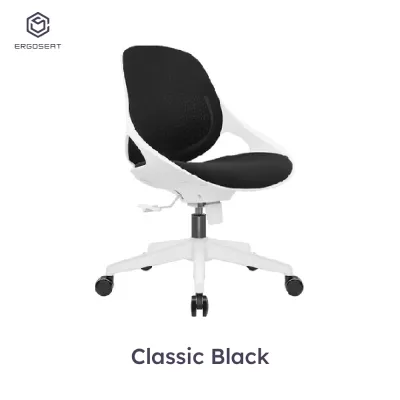
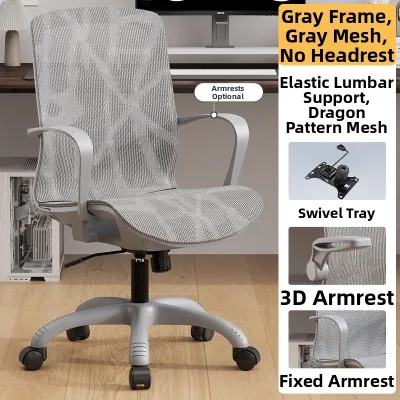
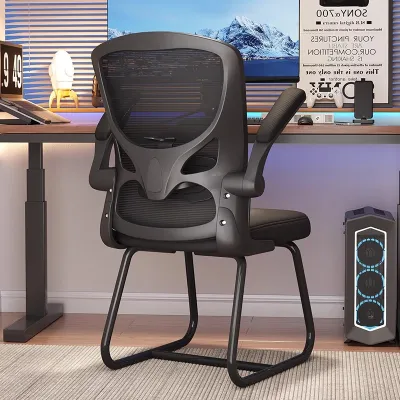
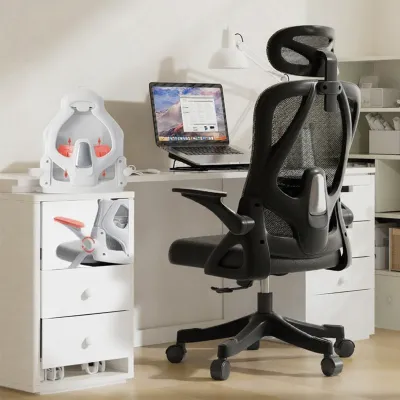
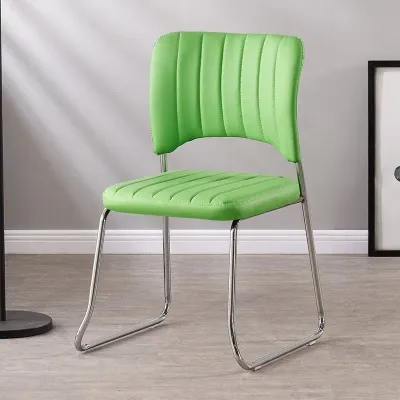
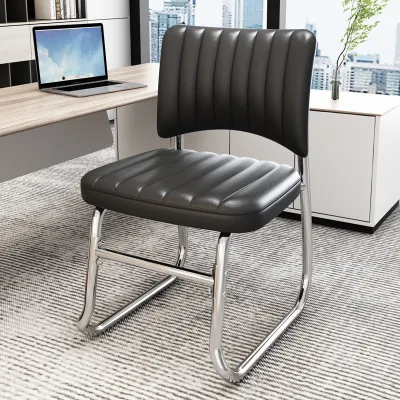
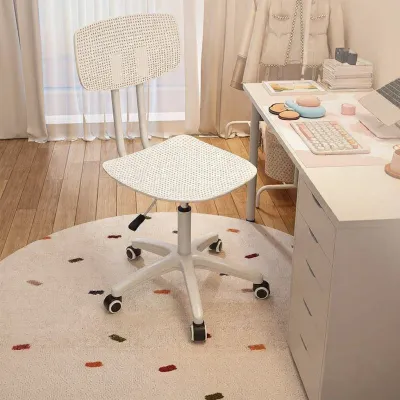
Prices are valid at publication and may change. Please refer to the product page for the latest price.

Lumbar Support Adjustability The lower back support is the most critical factor in preventing fatigue during extended sessions. Fixed lumbar curves offer a static shape that may not align with your lumbar spine’s natural lordosis. In contrast, adjustable lumbar mechanisms allow you to modify both the height and the depth of the support. This customization ensures that the pressure is distributed evenly across your lower back, maintaining the natural ‘S’ curve of your spine. When reviewing product specifications, look for multi-axis adjustability that lets you fine-tune the tension and positioning of the lumbar pad.
Seat Pan Design and Depth Adjustment Seat depth adjustment is often overlooked but is essential for maintaining proper lower-body circulation. If a seat pan is too deep, it presses against the back of your knees, restricting blood flow and causing you to slouch forward to find relief. If it is too shallow, your thighs will not be properly supported, placing excessive pressure on your sit bones. High-quality ergonomic chairs offer a sliding seat pan, allowing you to maintain a gap of about two to three fingers between the edge of the seat and the back of your knees. Additionally, a waterfall edge design—where the front of the seat slopes downward gently—further reduces pressure on the thighs.
Material Science: Mesh versus High-Density Foam Singapore’s warm, humid climate makes material selection a major comfort factor. Mesh backrests and seats allow for continuous airflow, preventing heat and moisture buildup against your body. However, not all mesh is created equal; some lower-grade mesh can stretch and sag over time, losing its supportive tension and causing pelvic misalignment. High-density molded foam seats, on the other hand, offer superior pressure distribution for your hips and thighs but can retain heat. When choosing foam, verify the manufacturer’s density rating or check the warranty terms specifically for foam deformation and sagging to ensure long-term durability.
Recline and Tilt Tension Mechanisms A synchronized tilt mechanism is a hallmark of advanced ergonomic design. This feature allows the backrest to recline at a faster rate than the seat pan, keeping your feet flat on the floor and maintaining a consistent pelvic angle. This dynamic movement helps reduce spinal load by allowing you to shift postures throughout the day. Ensure the chair features adjustable tilt tension, which lets you customize the resistance of the recline based on your body weight, preventing the feeling of free-falling backward or having to push too hard to lean back.
Comparing Chair Brand Categories Available in Singapore
Navigating the office furniture market in Singapore requires looking past marketing buzzwords and understanding how different brand categories operate. By classifying brands based on their engineering focus, warranty structures, and local retail presence, you can find the right match for your work habits.
Premium Ergonomic Specialists
Premium ergonomic specialists represent the pinnacle of seating technology, with designs rooted deeply in biomechanical research and human factors engineering. These brands typically move away from traditional foam cushions in favor of proprietary elastomeric mesh suspension systems that conform to the user’s body shape while distributing weight evenly. They often feature advanced pelvic support systems designed to keep the pelvis in an active, upright position, which naturally prevents slouching. Rather than offering a one-size-fits-all solution, these manufacturers frequently design chairs in multiple sizes to accommodate different heights and body frames.
When considering a premium specialist brand in Singapore, it is vital to verify the exact terms of their local warranty. High-end manufacturers often provide extensive warranties—sometimes ranging from 5 to 12 years—covering structural frames, tilt mechanisms, and even the mesh material itself. Because these chairs represent a significant financial investment, you should always locate authorized local showrooms to physically test the models. This allows you to experience the proprietary support systems firsthand and consult with trained showroom staff before committing.
These brands are best suited for individuals who spend eight or more hours daily at their desks, suffer from chronic back or neck discomfort, or view their home office setup as a long-term investment in their physical health. The premium cost is offset by the longevity of the materials and the highly customizable nature of the adjustments, which can accommodate a wide range of body types.
Mainstream Office Furniture Brands
Mainstream office furniture brands are established global or regional manufacturers that supply both corporate offices and residential spaces. Their chairs are engineered to meet rigorous commercial standards, balancing ergonomic functionality with clean, professional aesthetics that fit well into a dedicated home study. These brands often utilize high-density molded foam seats paired with mesh or upholstered backrests, offering a familiar sit that provides reliable support. They focus on structural durability and standardized designs that have been proven in commercial environments worldwide.
Before purchasing from a mainstream brand, it is important to review the specific adjustment ranges of the model you are considering. While their flagship lines often rival premium specialists in terms of adjustability, their entry-level or mid-range models may feature simplified mechanisms, such as fixed lumbar supports or limited armrest adjustments. Always check the product specifications to confirm if the seat depth and lumbar height can be modified to fit your proportions. Look for industry certifications like BIFMA, which verify safety, structural integrity, and low chemical emissions.
This category is ideal for users who want a highly durable, professionally certified office chair without necessarily paying the ultra-premium price of specialized biomechanical brands. Mainstream brands typically have robust local distribution networks in Singapore, ensuring reliable after-sales service, readily available replacement parts, and straightforward warranty claims.
Direct-to-Consumer and Online Retailer Brands
Direct-to-Consumer (DTC) and online-only retailer brands have grown significantly in popularity by bypassing traditional brick-and-mortar storefronts. This business model allows them to offer chairs with a high number of built-in features—such as integrated headrests, extendable footrests, and wide recline angles—at highly competitive price points. They frequently market their products directly to remote workers and gamers looking for a modern aesthetic. By cutting out middleman retail markups, they present a highly attractive specification-to-price ratio.
Because these brands primarily operate online, extra diligence is required during the research phase. You should carefully read user reviews specifically looking for feedback on long-term foam compression and the durability of the plastic and metal adjustment mechanisms. Additionally, verify the brand’s return policy and clarify who is responsible for the return shipping costs of bulky items; returning a fully assembled or packaged chair in Singapore can be logistically challenging and expensive if the seller does not cover it. Check if they offer a local service center or if warranty claims require shipping parts overseas.
These brands are best suited for budget-conscious buyers, students, or those setting up secondary workspaces where the chair will be used for moderate sessions of under six hours a day. They offer an accessible entry point to ergonomic seating, providing a solid baseline of support and modern features without requiring a major upfront financial commitment.
Decision Framework: Match the Brand to Your Work Habits
To simplify your selection process, you can evaluate your purchasing decision based on your daily work habits, budget constraints, and physical requirements.
Choose Premium Ergonomic Specialists if:
- Extended Daily Use: You spend eight or more hours a day sitting at your desk and require continuous, active postural correction.
- Customized Fit Requirements: You need highly precise adjustments, such as independent pelvic support, multi-directional armrests (4D armrests), or specific tilt tension settings to match a lighter or heavier body weight.
- Showroom Access: You are willing and able to visit a local physical showroom in Singapore to test different sizes and configurations to find your exact match.
- Long-Term Investment: You prefer to pay a higher upfront cost for a chair backed by a comprehensive, decade-long warranty rather than replacing a cheaper chair every few years.
Choose Mainstream Office Furniture Brands if:
- Standardized Durability: You prioritize chairs built to rigorous commercial standards with verified safety certifications (such as BIFMA or GREENGUARD).
- Professional Aesthetics: You want a clean, minimalist design that coordinates with a professional home office environment without looking overly industrial or like a gaming setup.
- Reliable Local Support: You value established local distributors in Singapore who can quickly handle after-sales service, repairs, or part replacements.
- Balanced Budget: You want a high-quality, durable chair from a reputable manufacturer but prefer to stay within a mid-range budget.
Choose Direct-to-Consumer Brands if:
- Strict Budget Constraints: You want to maximize the number of features (like high recline angles or built-in leg rests) while keeping your expenditure low.
- Moderate Daily Sitting: Your typical daily usage is under six hours, meaning ultra-premium ergonomic support is less critical than baseline comfort.
- E-Commerce Convenience: You prefer the convenience of online shopping, direct-to-door delivery, and are comfortable relying on detailed online specification sheets and user reviews.
- Flexible Spaces: You are setting up a temporary workspace, a study room for occasional use, or a secondary desk where a premium investment is not justified.
Important Health and Policy Verifications:
- Pre-Existing Conditions: If you suffer from pre-existing musculoskeletal issues, such as herniated discs or chronic sciatica, do not rely solely on a brand's ergonomic marketing claims. Always consult a qualified healthcare professional or physical therapist for personalized seating recommendations.
- Trial and Return Windows: Before making a final purchase, always read the fine print regarding return windows. Some brands offer a 14-day or 30-day trial period, which is highly beneficial for testing how your body adapts to a new long sitting chair over several consecutive workdays.
Buying, Testing, and Warranty Verification in Singapore
Securing the right chair involves practical steps during the buying and testing process to ensure your investment is protected and suitable for your home environment.
Showroom Testing Best Practices When visiting a showroom in Singapore, do not simply sit down for a few seconds and make a decision. To accurately assess a long sitting chair, adjust it to your specific proportions and sit in it for at least 15 to 20 minutes. Bring your laptop or a book to simulate your actual working posture. Pay close attention to whether the seat pan causes numbness in your thighs over time, whether the lumbar support remains comfortably positioned, and if the armrests sit at a height that allows your shoulders to relax. Test every adjustment mechanism to ensure they operate smoothly and are easy to reach while seated.
Online Purchasing Safeguards If you decide to purchase your chair online via an e-commerce platform, ensure you are buying from an authorized local distributor or the official brand store. This is crucial for securing your warranty rights. Additionally, check the exact packaging and finished dimensions of the chair. Singapore’s residential layouts, particularly older HDB flats or compact condominium units, may have narrow doorways or tight elevator access. Confirming that the delivery box can fit through your front door and elevator will prevent delivery complications.
Assembly and Safety Guidelines Many online purchases require self-assembly. It is vital to follow the manufacturer’s assembly instructions precisely, as improper installation of the gas lift cylinder or tilt mechanism can compromise the chair’s stability and potentially void your warranty. After assembling your chair, make a note to check and tighten all structural bolts after the first month of use. Regular movement and reclining can cause screws to settle, and periodic tightening ensures the chair remains stable and squeak-free.
Frequently Asked Questions (FAQ)
Proper maintenance and realistic expectations are key to maximizing the lifespan and comfort of your home office seating. Below are answers to common questions regarding long-term chair ownership in Singapore.
How often should I replace a home office chair used for long hours?
The lifespan of a home office chair depends heavily on material quality and daily usage patterns rather than an arbitrary number of years. You should consider a replacement when you observe significant material degradation, such as compressed seat foam that no longer cushions your sit bones, sagging mesh that fails to support your back, or loose tilt mechanisms that compromise stability. As a baseline, check the manufacturer’s warranty terms; a brand offering a longer warranty period typically designs its structural components to withstand daily wear for that duration.
Is a headrest necessary for a long sitting chair?
A headrest is not strictly necessary for standard, upright typing and desk work, as your neck should ideally remain aligned over your shoulders without leaning back. Headrests are primarily beneficial if you frequently recline to read, participate in video calls, or take breaks throughout the day. If you choose a chair with a headrest, ensure it is highly adjustable in both height and angle so that it supports the natural curve of your neck rather than pushing your head forward into an unnatural posture.

Community discussion
Share your experience or ask a question. Comments are reviewed before publication.