
Selecting the perfect seating for a modern kitchen island or breakfast counter involves balancing aesthetics, ergonomics, and spatial constraints. In Singaporean homes, where open-plan layouts frequently merge the kitchen with the living area, high stools serve as a vital transition element. These seating pieces must not only complement your interior design style but also fit the physical limits of your floor plan and withstand the local tropical climate.
Achieving this balance requires looking beyond surface aesthetics. A successful layout depends on precise height measurements, adequate clearance between seats, and materials that resist moisture and daily wear. Whether you are furnishing a compact HDB flat or a spacious condominium, understanding how different stool styles and functional features interact with your space is the key to creating an inviting, highly usable kitchen hub.
Before browsing specific designs, measuring your counter height and available floor clearance is the most critical first step. This preparation ensures that your chosen stools provide ergonomic comfort, allow for safe walkways, and align with the visual flow of your modern home.
Products mentioned in this guide
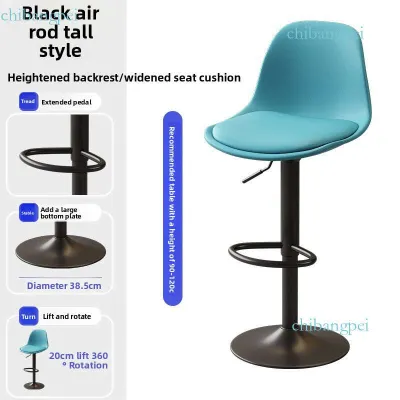
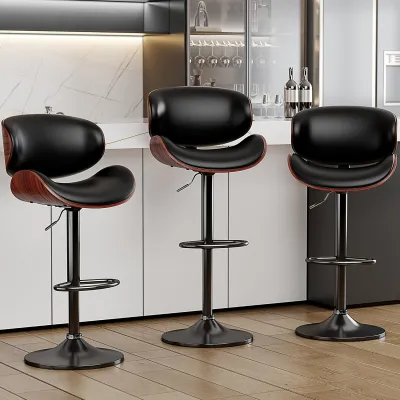
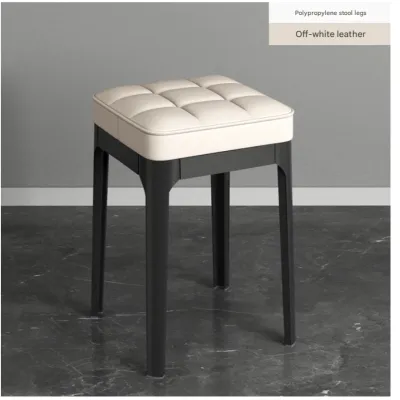
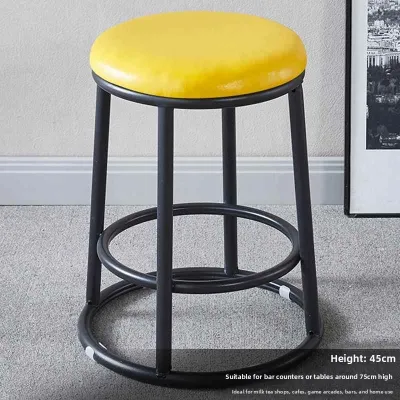
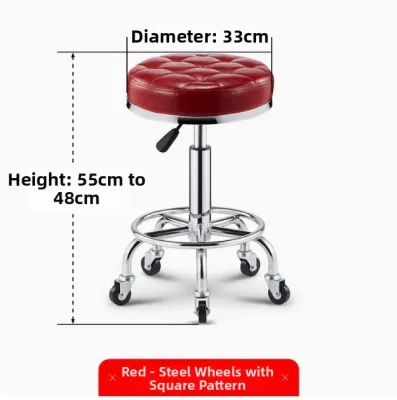
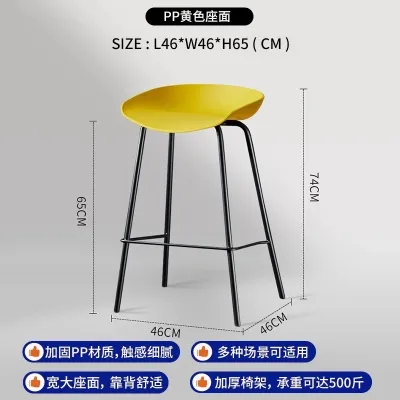
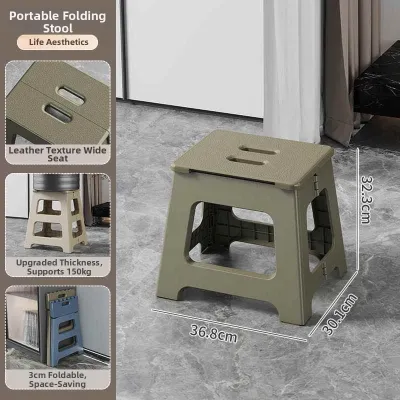
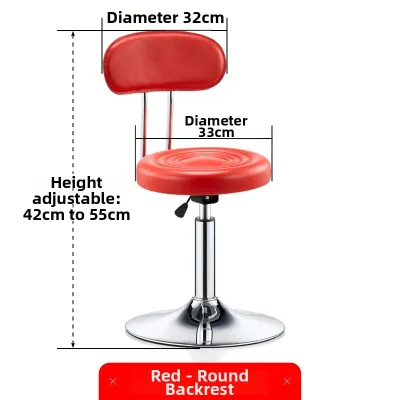
Prices are valid at publication and may change. Please refer to the product page for the latest price.
Key Factors for Choosing High Stools in Singapore Homes
Determining the correct stool height is essential for comfortable dining and working. Homeowners often confuse counter-height stools with bar-height stools, leading to poor posture or knees bumping against the underside of the counter. Standard kitchen counters and islands typically stand at 90 cm from the floor, which requires counter-height stools with a seat height of 60 to 65 cm. Elevated bar counters or breakfast ledges usually measure around 105 cm high, requiring bar-height stools with a seat height of 75 cm. Aim for a clearance of 25 to 30 cm between the top of the stool seat and the underside of the countertop to ensure comfortable legroom.
Calculating the footprint and clearance of each stool prevents your kitchen island from feeling overcrowded. As a general rule, allocate at least 60 cm of linear counter width for each stool. If you select designs with wide bases, armrests, or swivel mechanisms, increase this allocation to 70 cm per stool. This spacing allows family members and guests to sit, eat, and exit their seats comfortably without bumping elbows or feeling restricted.
Weight and mobility are highly practical considerations for high-traffic cooking zones. Singapore kitchens are prone to cooking oil splatters, food crumbs, and moisture, requiring frequent floor cleaning. Heavy, bulky stools can make sweeping and mopping a chore and can scratch delicate flooring over time. Lightweight designs or stools with protective nylon or felt glides slide smoothly, making daily maintenance simpler while protecting vinyl, laminate, or parquet floors.
Before finalizing any purchase, verify the finished dimensions of the stools against your home’s entryways. Measure your doorway widths and lift access clearance to ensure fully assembled stools can be delivered without damage. If the stools require self-assembly, check the manufacturer’s instructions to ensure you have the necessary tools and that the joints can be securely fastened to maintain long-term stability.
Best High Stool Styles for Modern Kitchens
Minimalist and Scandinavian
Minimalist and Scandinavian high stools focus on simplicity, functional beauty, and visual lightness. These designs typically feature slim profiles, matte finishes, and a neutral color palette dominated by whites, soft greys, and pale woods like ash or beech. By avoiding ornate detailing, these stools maintain clean lines that do not distract from the overall architecture of your kitchen.

In compact Singaporean kitchens, Scandinavian stools help create an illusion of space. Their slender, often tapered legs and open-frame structures allow natural light to pass through, preventing the kitchen island from looking like a solid block of furniture. This style pairs exceptionally well with light-colored quartz countertops, white cabinetry, and minimalist pendant lighting.
While highly aesthetic, many minimalist designs prioritize form over thick cushioning. If you plan to use your kitchen island for extended periods, such as working from home or hosting long dinners, look for models with subtle seat contouring or add high-density, low-profile seat pads. Check the joint construction of slim wooden or metal frames to ensure they offer adequate load capacity and stability despite their lightweight appearance.
Japandi
Japandi style merges the rustic warmth of traditional Japanese interiors with the clean functionality of Scandinavian design. This hybrid aesthetic has become highly popular in modern Singaporean renovations due to its calming, organic feel. Japandi high stools are characterized by natural wood grains, warm earthy tones, low-profile backrests, and delicate woven elements such as rattan, paper cord, or rush.
These stools are excellent for softening the cold, hard surfaces often found in modern kitchens. If your space features sleek sintered stone, polished concrete, or dark engineered stone, a Japandi stool adds an organic texture that makes the environment feel more welcoming. The low backrests typical of this style provide just enough support while keeping the visual line across your kitchen island clean and unobstructed.
Maintaining natural materials in Singapore’s humid climate requires specific care. Woven rattan and paper cord can trap dust and are sensitive to moisture buildup. Regular dusting with a soft brush and keeping the stools away from direct, prolonged sunlight will help prevent the fibers from becoming brittle or discolored. Always check if the wood has been treated with a moisture-resistant sealant to protect it from humidity.
Contemporary and Sleek
Contemporary high stools are designed to make a sophisticated statement in luxury condominiums and high-end HDB renovations. This style features premium materials, including upholstered seats in performance fabrics, faux leather, or top-grain leather, supported by polished or brushed metal frames in brass, copper, or matte black. The silhouettes are often curved and ergonomic, prioritizing both comfort and visual impact.
These stools work beautifully as focal points that tie together other design elements in your home. They pair naturally with modern metallic fixtures, dark wood veneers, or high-gloss kitchen laminates. The padded seats and supportive backrests make contemporary stools highly comfortable, transforming your kitchen island into a primary dining space or a comfortable spot for evening drinks.
Because kitchen environments are prone to spills, grease, and steam, upholstery choice is critical. If you select fabric-covered stools, verify that the material has been treated with a stain-resistant finish or can be easily spot-cleaned. Faux leather and high-performance synthetic blends offer the sophisticated look of luxury upholstery while being simple to wipe clean after meals.
Industrial and Urban
Industrial high stools bring a robust, edgy character to open-concept kitchens and loft-style apartments. This design language relies on raw, powder-coated metals, distressed or reclaimed solid wood, and exposed hardware like rivets or adjustment cranks. The aesthetic is unpretentious and emphasizes structural strength and utilitarian function.
For households with young children or high daily activity, industrial stools offer exceptional durability. Their heavy metal frames provide excellent stability, making them highly resistant to tipping over. The rugged finishes are forgiving, easily hiding minor scratches, dents, or wear that might ruin the polished surface of a more delicate stool style.
However, the physical and visual weight of industrial furniture requires careful integration. In a small kitchen, too many dark metal elements can make the space feel cramped and dark. To balance this, choose industrial stools with slimmer metal profiles or pair them with bright, warm lighting. Ensure the legs are fitted with durable rubber caps to prevent the heavy metal frames from scratching your flooring.
Material and Finish Considerations for Singapore's Climate
Singapore’s year-round high humidity and warm temperatures place unique demands on indoor furniture. Materials that perform well in dry climates can warp, rust, or degrade quickly here if not properly finished. When selecting wood or veneer stools, prioritize moisture-resistant hardwoods such as teak, oak, or walnut. Check the manufacturer’s care instructions to confirm that the wood is sealed with a protective polyurethane or water-resistant topcoat, which prevents the wood from absorbing airborne moisture and warping.
Metal frames must be treated to resist corrosion, especially if your kitchen is close to a balcony or receives high levels of humidity from cooking. Look for powder-coated steel, anodized aluminum, or stainless steel frames. Avoid untreated iron or low-grade chrome finishes, which can develop rust spots over time. Regularly inspect the joints and welds of metal stools to ensure the protective coating remains intact.
Upholstery materials should be chosen based on ease of maintenance and resistance to odors. Natural fibers like linen and untreated cotton can absorb cooking oils, steam, and kitchen odors, making them difficult to keep fresh. Instead, opt for high-performance polyester blends, commercial-grade vinyl, or treated leather. These materials resist moisture absorption, do not harbor odors, and can be cleaned easily with a damp cloth and mild soap.
For a highly modern, minimalist look, high-quality acrylic or polycarbonate stools are an excellent alternative. These materials are completely unaffected by humidity and provide a clean, transparent aesthetic. However, acrylic is susceptible to micro-scratches from keys, belt buckles, or abrasive cleaning sponges. Clean these surfaces using only soft microfiber cloths and non-abrasive, alcohol-free cleaners to preserve their clarity.
Space-Saving and Functional Features for Compact Kitchens
When floor space is limited, the functional features of your high stools can make a significant difference in how spacious your kitchen feels. Choosing between backless and low-back stools is a primary decision. Backless stools can be tucked completely underneath the kitchen counter when not in use, keeping walkways clear and maintaining a seamless look. Low-back stools offer a compromise, providing minor lumbar support while remaining low enough to stay below the counter line, keeping sightlines open.
Swivel bases add excellent functionality in tight layouts. A 360-degree swivel mechanism allows you to turn and exit the stool without having to push the entire frame back from the counter. This feature reduces floor wear and is incredibly convenient in narrow galley kitchens where space behind the seated person is limited. Look for swivel mechanisms with smooth ball bearings and auto-return features that keep the stools neatly aligned when empty.
For homes that host guests occasionally but prefer an uncluttered look daily, stackable high stools are a highly practical solution. These stools can be stacked vertically and stored in a utility closet or service yard, then brought out only when extra seating is required. Ensure the stackable models you choose have protective pads on the underside of the seats to prevent scratching when stacked.
Regardless of the style you choose, never overlook the importance of a sturdy footrest. Sitting on a high stool without proper foot support restricts blood circulation and causes leg fatigue quickly. A well-positioned footrest, typically located 30 to 40 cm below the seat, ensures proper posture and comfort. On wooden stools, check that the footrest is reinforced with a metal strip or protective sleeve to prevent the wood from wearing down over years of use.
Frequently Asked Questions (FAQ)
What is the standard height for a kitchen island stool?
The standard height for a kitchen island stool depends on your counter height. For a standard kitchen counter or island measuring 90 cm high, you need a counter-height stool with a seat height of 60 to 65 cm. For elevated bar counters measuring 105 cm high, you require a bar-height stool with a seat height of approximately 75 cm. Always measure from the floor to the underside of your specific counter before purchasing to ensure a proper fit.
How many high stools should I place at my kitchen counter?
To ensure comfortable seating and avoid bumped elbows, allow 60 to 65 cm of linear counter space per stool. For example, a 120 cm kitchen island can comfortably accommodate two standard stools. If your chosen stools have wide bases, armrests, or swivel functions, increase the spacing to 70 cm per stool to allow for easy movement and comfortable access.
Are backless high stools comfortable for long meals?
Backless high stools are highly space-efficient and excellent for quick breakfasts, casual coffee breaks, or assisting with meal prep. However, they do not provide back support and are generally not recommended for long meals, extended dining sessions, or working from home. For prolonged sitting comfort, choose high stools with a cushioned seat and a supportive low-to-mid backrest.
Community discussion
Share your experience or ask a question. Comments are reviewed before publication.