
Selecting the perfect high bar stool for a modern Singapore home requires balancing spatial efficiency, material durability, and design aesthetics. In compact urban apartments, kitchen islands and elevated breakfast counters serve as multi-functional hubs for dining, remote work, and socializing. Finding a quality high bar stool involves identifying brands that offer the correct seat height, robust construction, and materials capable of withstanding the local tropical climate.
Singapore’s furniture market offers a diverse range of options, from premium Scandinavian design houses to bespoke local woodworkers and accessible contemporary retailers. Navigating these choices requires a clear understanding of your counter dimensions and spatial constraints. By focusing on structural integrity and climate-appropriate materials, you can invest in seating that enhances your kitchen’s functionality while maintaining a clean, modern aesthetic.
Clarifying "High" Bar Stools: Counter vs. True Bar Height
One of the most common mistakes homeowners make when purchasing bar stools is confusing counter height with true bar height. This confusion is often amplified by retail listings where the term high bar stool is used as a generic category label rather than a specific measurement. Purchasing the wrong height can result in stools that are either too tall to fit your legs under the counter or too short to sit comfortably.
Products mentioned in this guide
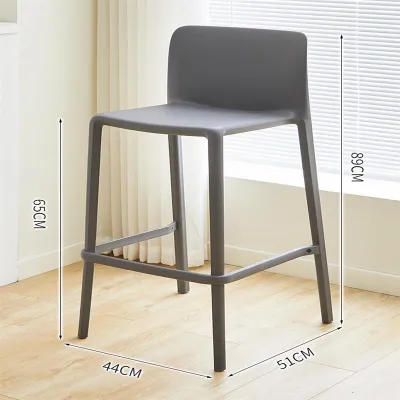
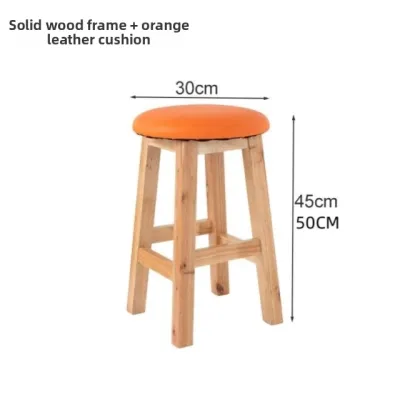
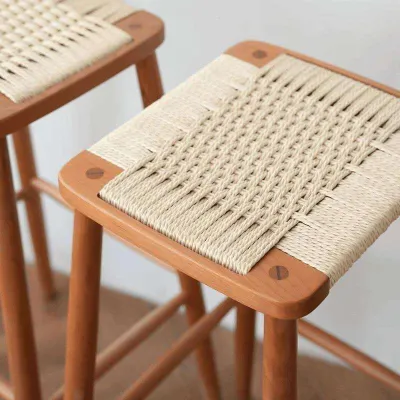
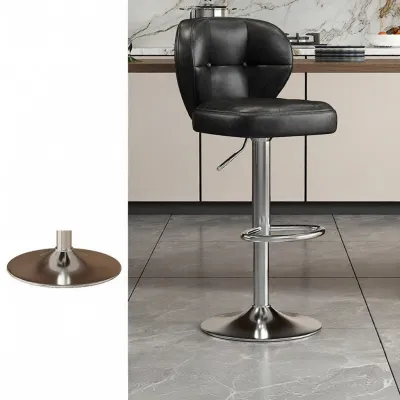
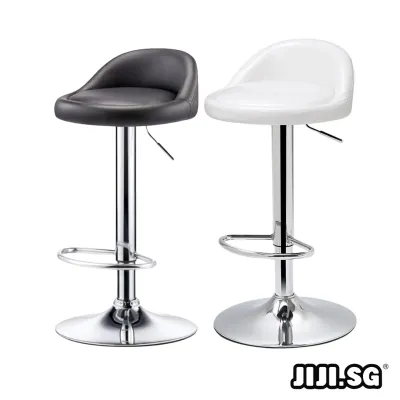
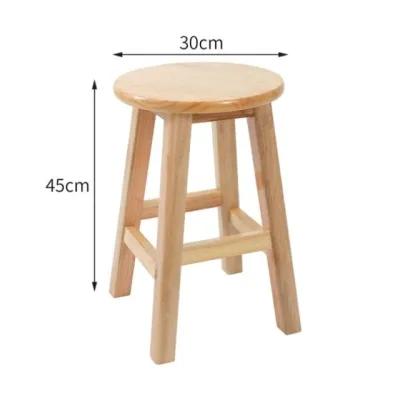
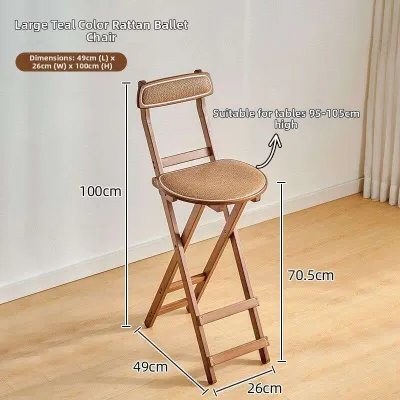
Prices are valid at publication and may change. Please refer to the product page for the latest price.
Standard kitchen counters in Singapore typically stand at approximately 90cm from the floor. These installations require counter-height stools, which feature a seat height of 60cm to 65cm. In contrast, true bar-height counters, elevated breakfast bars, and commercial-style islands stand taller, usually measuring between 105cm and 110cm from the floor. These elevated surfaces require true high bar stools with a seat height of 75cm to 80cm.
To ensure a comfortable sitting posture, aim for a clearance of 25cm to 30cm between the top of the stool seat and the underside of the countertop. Before researching brands, use a hard tape measure to record the vertical distance from your floor to the exact underside of your counter slab. Be sure to account for any support beams, drop-down aprons, or thick quartz overhangs that might reduce the actual clearance available for your knees.
Evaluating Brands for Modern Singapore Interiors
When assessing bar stool brands for contemporary Singapore homes, visual weight is a critical design consideration. In open-concept HDB flats and condominiums, heavy, bulky furniture can quickly dominate a room and disrupt the flow of natural light. Brands that prioritize minimalist profiles, slender metal frames, or low-back silhouettes help maintain an airy, spacious feel, allowing the eye to travel across the kitchen island unimpeded.

Singapore’s tropical climate, characterized by high relative humidity and warm temperatures, demands careful material evaluation. Open-concept kitchens are also subjected to airborne cooking oils, steam, and heat. Brands that rely on untreated, highly porous woods or low-grade, uncoated metals should be avoided, as these materials are prone to warping, mold growth, or surface rust. Instead, prioritize brands utilizing powder-coated steel, rust-resistant aluminum, high-density molded polymers, or kiln-dried solid timbers finished with protective, moisture-resistant sealants.
After-sales support and structural warranties are equally important when investing in high-use seating. Before committing to a brand, verify the terms offered by the local distributor or retailer. A reliable brand should offer a clear warranty on structural components, such as frame joints, welding, and gas-lift mechanisms for adjustable models. Understanding the return policies and availability of replacement parts, such as floor glides or upholstery covers, provides long-term peace of mind.
Navigating the Bar Stool Brand Landscape in Singapore
The retail landscape for bar stools in Singapore can be broadly categorized into three segments, each catering to different design preferences, lead times, and budget considerations.
International Design and Scandinavian Brands
For homeowners seeking iconic aesthetics, exceptional ergonomic research, and premium craftsmanship, international design brands offer highly curated options. Renowned Scandinavian design houses, available through local authorized showrooms, are celebrated for their clean lines and innovative material applications. These brands frequently utilize molded plywood, fiberglass-reinforced polypropylene, and powder-coated steel to create lightweight yet incredibly durable high bar stools.
While these premium pieces elevate the visual appeal of a modern kitchen, buyers must plan for potential lead times. Showrooms in Singapore often carry limited stock of specific color and material configurations. If you require a custom fabric upholstery or a specific frame finish, be prepared for import lead times that can range from 12 to 16 weeks. Additionally, ensure you purchase through authorized local dealers to guarantee the authenticity of the design and access to valid manufacturer warranties.
Local Custom and Boutique Woodworkers
If your kitchen island features non-standard dimensions or you prefer the warmth of natural timber, local custom furniture makers and boutique woodworkers are excellent avenues. These workshops allow you to customize the exact seat height, footrest placement, and wood species to match your existing interior joinery. This bespoke approach ensures your high bar stool integrates seamlessly with your kitchen’s architecture.
Local artisans possess a deep understanding of how wood behaves in Singapore’s humid climate. They typically source high-quality, kiln-dried hardwoods like teak, American walnut, or white oak, and treat them with specialized hardwax oils or polyurethane coatings. These finishes protect the timber from moisture absorption and spills while highlighting the natural grain. While custom pieces require a higher initial investment and handcrafting time, their repairability and structural longevity often surpass mass-produced alternatives.
Accessible Contemporary Furniture Retailers
For households seeking immediate availability, trendy designs, and moderate price points, large-format local furniture retailers and online-first brands provide practical solutions. These retailers offer a wide variety of modern styles, ranging from industrial metal stools to mid-century modern upholstered designs, often with delivery timelines of just a few days.
When purchasing from high-volume retailers, visiting a physical showroom is highly recommended to inspect the build quality firsthand. Online product photography can easily mask structural weaknesses. In the showroom, test the stool for stability, check the density of the seat cushioning, and inspect the quality of the joints. This hands-on evaluation ensures you select a model that can withstand the rigors of daily family life without sacrificing your budget.
Essential Build Quality and Material Checks
When evaluating high bar stools in a showroom or reviewing technical specifications online, several physical attributes dictate the safety, comfort, and longevity of the furniture.
- Base Stability and Footprint: Because high bar stools have a elevated center of gravity, they are inherently more prone to tipping than standard dining chairs. Look for stools with a wide, splayed leg design or a heavily weighted central base. When testing a stool, sit on it and gently shift your weight from side to side; there should be no noticeable flexing or lifting of the legs from the floor. Ensure the base is equipped with high-quality felt or rubber floor protectors to prevent scratching polished marble, vinyl, or laminate flooring.
- Frame Joinery and Construction: Examine how the structural components are joined together. For metal frames, continuous, clean weld seams offer the highest strength and longevity. Avoid frames held together entirely by lightweight screws or bolts, as these joints tend to loosen over time under the dynamic load of users climbing onto the stool. For wooden stools, look for traditional mortise-and-tenon joinery reinforced with corner blocks, rather than simple pocket screws or dowels.
- Footrest Ergonomics and Durability: A functional footrest is essential on any true high bar stool to prevent leg fatigue and dangling. Sit on the stool and check if the footrest is positioned at a natural height, allowing your knees to bend comfortably at roughly a 90-degree angle. Because feet constantly rest on this bar, the surface is highly susceptible to wear. Look for footrests protected by a metal cap, stainless steel sleeve, or a highly durable powder coating that resists scuffing and paint chipping from footwear.
- Upholstery and Maintenance: If you select upholstered stools, prioritize fabrics and leathers that are easy to clean and maintain. For busy households, commercial-grade synthetic leathers (polyurethane or PU) and performance fabrics treated with stain-resistant coatings are highly practical. These materials allow spills from coffee, wine, or food to be wiped away quickly with a damp cloth. If opting for natural aniline leather or delicate fabrics, ensure you are prepared to follow the manufacturer's specific cleaning and conditioning instructions to prevent premature staining or drying out in air-conditioned environments.
Space Planning for HDB and Condo Kitchen Islands
To create a comfortable and functional dining area, proper spatial planning is just as important as selecting the right brand of stool. Overcrowding a kitchen island not only makes dining uncomfortable but also restricts movement through key walkways in your home.
When planning your layout, allow a minimum of 60cm to 65cm of width for each bar stool. This measurement is taken from the center of one stool to the center of the next, ensuring that adjacent diners have sufficient elbow room and do not bump into each other during meals. For larger, upholstered stools or designs featuring armrests, increase this spacing to 70cm or 75cm to accommodate the wider physical footprint.
Ensure there is adequate clearance behind the stools when they are occupied. A minimum of 90cm of clear floor space behind the counter is recommended to allow someone to walk behind a seated guest comfortably. If the stools are positioned in a high-traffic hallway or adjacent to major kitchen appliances like a refrigerator or oven, aim for 110cm to 120cm of clearance so that appliance doors can open fully without obstruction.
For compact open-concept layouts, low-back or backless high bar stools are highly advantageous. These designs can be slid completely underneath the counter overhang when not in use, instantly freeing up floor space and eliminating visual clutter. If you frequently host gatherings but have limited everyday space, consider lightweight or stackable designs that can be easily moved to the balcony or stored in a utility closet when extra seating is not required.
Frequently Asked Questions (FAQ)
How much overhang do I need for a comfortable high bar stool?
To sit comfortably at a high bar counter, you need a minimum countertop overhang depth of 25cm to 30cm. This clearance is necessary to accommodate your knees and thighs when you pull the stool close to the counter. If the overhang is shallower than 25cm, you will be forced to sit far back from the counter surface, causing you to lean forward awkwardly to eat or work. This poor sitting posture can lead to lower back discomfort and neck strain over extended periods.
Are backless bar stools comfortable for long meals?
Backless bar stools are generally not recommended for extended dining, working, or long conversations. While they are excellent space-savers and offer a clean, minimalist look, they provide zero lumbar support, which can lead to fatigue and slouching after 20 to 30 minutes of sitting. Backless designs are best suited for quick breakfasts, morning coffee, or casual socializing. If your kitchen island serves as your primary dining table or a work-from-home station, prioritize stools with a supportive low-to-mid backrest and an ergonomically contoured seat pan.
Community discussion
Share your experience or ask a question. Comments are reviewed before publication.