
Choosing the right headboard for your Singapore Home & Development Board (HDB) flat requires balancing design aspirations with strict spatial realities. Because HDB bedrooms feature standardized layouts and compact footprints, a headboard is not merely an aesthetic choice; it is a critical spatial variable that affects room clearance, walkway comfort, and furniture functionality.
Quick Answer: Choosing the Right Headboard for Your HDB Room
To make an immediate decision based on your specific bedroom layout, apply this conditional framework:
- Choose a wall-mounted, floating, or ultra-slim profile headboard if you are furnishing an HDB common bedroom. These designs preserve precious floor space, prevent the room from feeling cramped, and ensure your wardrobe doors and walkways remain completely unobstructed.
- Choose a floor-standing, upholstered, or solid wood headboard if you are styling an HDB master bedroom. The larger floor area of a master bedroom can comfortably accommodate a substantial visual anchor, allowing you to prioritize comfort, sound absorption, and design impact.
Before finalizing any purchase, always measure your available wall space, check the height and placement of your electrical sockets, and account for the thickness of your skirting boards. These physical constraints will ultimately determine whether your chosen headboard can sit flush against the wall or if it will require specialized installation adjustments.
Products mentioned in this guide
![[PRE-ORDER] Getha Moonlight Headboard](https://img.lazcdn.com/g/p/3d2882d4d30b88817e1a0579ff82a102.jpg_400x400q80.jpg_.webp)
![[PRE-ORDER] Getha V6 Headboard](https://img.lazcdn.com/g/p/73a7b43ed7069e4572e7c5324027179e.jpg_400x400q80.jpg_.webp)
![[PRE-ORDER] Getha Diamond Square V-Wing Headboard](https://img.lazcdn.com/g/p/86a465229de94136591a26b57ebc9c15.jpg_400x400q80.jpg_.webp)
![[PRE-ORDER] Getha Diamond Square B-Wing Headboard](https://img.lazcdn.com/g/p/6ae08237b4455bdb7c80d60c5988b4f8.jpg_400x400q80.jpg_.webp)
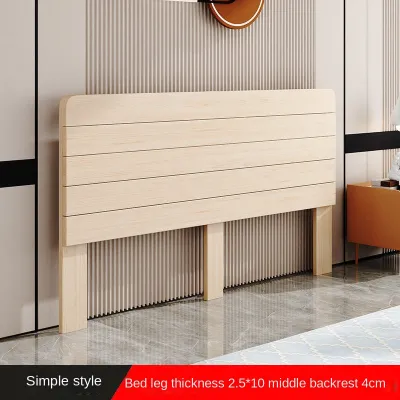
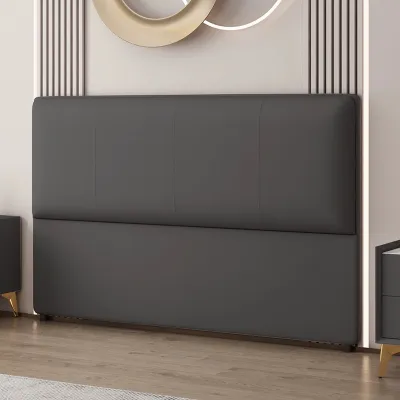
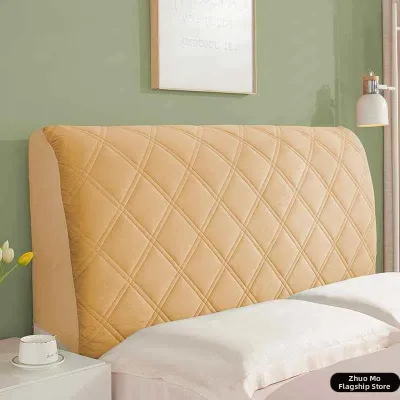
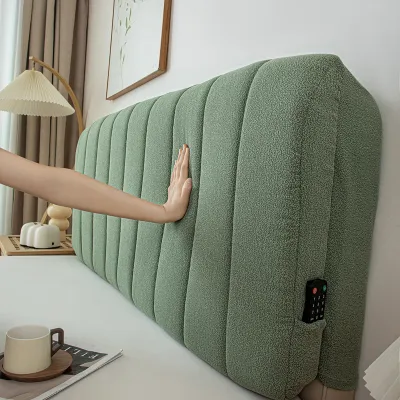
Prices are valid at publication and may change. Please refer to the product page for the latest price.
Understanding HDB Room Sizes and Headboard Proportions
To select a headboard that fits harmoniously, you must first understand the typical spatial boundaries of modern HDB flats. In most BTO (Build-To-Order) and resale layouts, bedroom dimensions fall into highly predictable ranges. A standard HDB master bedroom generally spans between 10 to 14 square meters, which comfortably accommodates a Queen- or King-sized bed while leaving sufficient space for bedside tables and a wardrobe. In contrast, an HDB common bedroom is significantly tighter, typically measuring around 8 to 9 square meters. Fitting a Queen bed into a common room leaves very little clearance, making Single or Super Single configurations far more common and practical.

Vertical proportions are equally vital when evaluating headboards for beds. The typical ceiling height in a standard HDB flat is approximately 2.6 meters. A headboard that is too tall will dominate the vertical plane, making the bedroom feel claustrophobic and visually shrinking the space. Conversely, a headboard that is too low can easily be swallowed by thick mattresses and decorative pillows, losing its design impact. As a general rule of thumb, a headboard should extend slightly beyond the width of your mattress to create a balanced look, but it must leave enough clearance on either side to allow bedside drawers to open and wardrobe doors to swing freely.
When planning your room layout, always map out the physical footprint of your bed frame and headboard combined. Take note of any built-in wardrobes, window frames, and air-conditioning trunking. In many HDB bedrooms, air-conditioning pipes run along the upper portion of the bed wall. A headboard that is exceptionally tall may interfere with this trunking or block the airflow from a wall-mounted air conditioner. Measuring your specific wall dimensions from the floor to the bottom of any trunking is a necessary step before browsing retail options.
Top Headboard Styles and Brands for HDB Master Bedrooms
Because HDB master bedrooms offer a more generous footprint, they allow you to focus on comfort, premium materials, and bold design statements. The headboard in a master bedroom serves as the primary focal point of the space.
Upholstered and Statement Headboards
Upholstered headboards are highly favored for master bedrooms due to the comfort and luxury they bring to the space. Brands like Castlery offer a wide range of contemporary upholstered bed frames and headboards characterized by clean lines, premium fabrics, and modern mid-century aesthetics. For those with highly specific design requirements, local custom upholstery services in Singapore can create bespoke headboards tailored to your exact wall dimensions and fabric preferences.
From a practical standpoint, upholstered headboards provide excellent sound absorption. This is highly beneficial in high-density HDB blocks, where concrete walls can sometimes echo ambient noise. The soft backing also provides a comfortable surface to lean against while reading, working, or watching television in bed. However, tall, tufted, or channel-tufted designs require careful planning. You must check your ceiling clearance and ensure the headboard does not block light switches or power outlets. Before purchasing, visit the brand’s showroom or official website to verify fabric options, stain-resistance treatments, and exact finished dimensions.
Solid Wood and Cane Designs
For homeowners embracing Japandi, Scandinavian, or mid-century modern design themes, solid wood and cane headboards offer exceptional warmth and organic texture. Brands like Scanteak are highly regarded in Singapore for their durable, high-quality teak furniture, while Journey East provides unique, beautifully crafted solid wood and rattan or cane headboards that add character to any master bedroom.
Teak and oak are excellent material choices for Singapore’s humid climate, provided they are properly treated and finished. A medium-profile wooden headboard balances the room beautifully, offering natural warmth without overwhelming the space visually. However, solid wood headboards can be surprisingly thick and heavy. Always check the depth of the headboard to ensure it does not push your bed frame too far into the room’s primary walking path. Additionally, inspect the joints and finish of the wood to ensure it meets your expectations for stability and resistance to moisture.
Space-Saving Headboard Brands for HDB Common Bedrooms
Furnishing an HDB common bedroom requires a highly strategic approach. Because space is limited, every piece of furniture must justify its footprint by offering space-saving benefits or dual-purpose utility.
Wall-Mounted and Floating Headboards
Wall-mounted and floating headboards are outstanding solutions for maximizing floor space and maintaining a clean, minimalist aesthetic. Retailers like IKEA Singapore offer highly versatile, modular wall-mounted headboards, while local carpentry services can design custom floating units that integrate seamlessly with your bedroom’s built-in features.
By mounting the headboard directly to the wall, you eliminate the need for bulky floor-standing legs. This creates a visual illusion of spaciousness and makes sweeping and mopping underneath the bed incredibly easy. Wall-mounted designs also allow you to adjust the installation height to perfectly match the thickness of your mattress. However, safety is paramount when installing these units. You must verify the load-bearing capacity of your bedroom wall and ensure you do not drill into concealed electrical wiring or water pipes. Always refer to the manufacturer’s installation guidelines and use high-quality wall anchors appropriate for your wall type.
Storage and Shelving Headboards
In narrow HDB common bedrooms where there is no room for traditional bedside tables, storage and shelving headboards offer an elegant, dual-purpose solution. Retailers like FortyTwo and various modular furniture brands in Singapore provide highly functional headboards featuring integrated shelves, hidden compartments, or sliding doors.
A storage headboard with a slim depth of 10 to 15 centimeters can easily hold your phone, alarm clock, glasses, and books, completely eliminating the need for bulky nightstands on either side of the bed. This frees up valuable floor space, allowing you to position the bed closer to the wall or wardrobe. When selecting a storage headboard, carefully measure the clearance around the bed. Ensure that any sliding panels, drawers, or pull-out compartments can open fully without hitting adjacent walls, wardrobes, or bedroom doors.
Comparison Matrix: Headboard Types for HDB Layouts
To help you weigh the trade-offs of each headboard style, the following matrix compares the primary options across key decision dimensions relevant to HDB living:
| Headboard Type | Space Required | Installation Difficulty | Best HDB Room | Maintenance |
|---|---|---|---|---|
| Floor-standing / Upholstered | High (typically 10–20 cm deep) | Low (usually attaches to frame) | Master Bedroom | Moderate (requires vacuuming/spot cleaning) |
| Solid Wood / Cane | Medium (typically 5–15 cm deep) | Low to Medium | Master Bedroom | Low (simple dusting and occasional wood care) |
| Wall-mounted / Floating | Very Low (typically 2–8 cm deep) | High (requires precise drilling & anchoring) | Common Bedroom | Low (easy floor cleaning underneath) |
| Storage / Shelving | High (typically 15–25 cm deep) | Medium (requires assembly & stability checks) | Common Bedroom | Moderate (requires dusting of shelves) |
Each headboard type presents distinct trade-offs. While storage headboards offer incredible utility by replacing bedside tables, they require a deeper physical footprint that pushes your bed further into the room. Conversely, wall-mounted headboards save the most floor space but demand a more complex installation process involving drilling and wall assessment.
HDB Installation Constraints and Safety Checks
Installing a headboard in an HDB flat involves navigating specific structural and practical considerations to ensure safety, stability, and compliance with local housing guidelines.
One of the most common practical hurdles is the HDB skirting board. Standard floor-standing headboards often cannot sit flush against the wall because the skirting board at the base of the wall pushes the bottom of the headboard forward. To resolve this, look for headboards designed with a bottom recess or gap that accommodates standard skirting heights. Alternatively, you can use specialized wall-mounting brackets that bridge the gap, keeping the headboard stable and secure without requiring you to cut or damage your skirting boards.
Wall composition is another critical safety factor. HDB flats feature a mix of precast concrete structural walls, non-load-bearing partition walls, and sand-gypsum blocks. You must never drill into structural walls, columns, or beams without verifying HDB renovation guidelines. Additionally, concealed electrical conduits and water pipes run behind many bedroom walls, particularly near light switches and power sockets. Before drilling any holes for wall-mounted headboards, always use a reliable stud and metal detector to map out the wall and locate safe drilling zones.
For heavy upholstered or solid wood wall-mounted units, professional installation is highly recommended. A poorly anchored headboard poses a serious safety risk, especially if it loosens over time. Always check the product label and the manufacturer’s assembly instructions for weight limits and anchoring requirements. If the manufacturer’s instructions conflict with your specific wall type, or if you are unsure of your wall’s composition, stop the installation immediately and consult a qualified professional contractor.
Frequently Asked Questions (FAQ)
Can I install a heavy upholstered headboard on an HDB bedroom wall?
Yes, but it depends entirely on your wall type and the anchoring hardware used. If you are mounting a heavy headboard onto a concrete wall, you must use heavy-duty masonry wall plugs and screws to ensure it is securely anchored. If you are mounting onto a drywall partition, you must locate the internal wall studs and secure the brackets directly into them, or use specialized heavy-duty toggle bolts. If you are unsure of your wall’s load-bearing capacity, consult a professional installer to prevent damage or safety hazards.
What is the ideal headboard height for a standard HDB ceiling?
With a typical HDB ceiling height of 2.6 meters, a headboard height of 1.2 to 1.4 meters from the floor is generally ideal. This height range provides a balanced visual proportion, offering a comfortable backrest when sitting up in bed without dominating the room. It also ensures the headboard remains well below standard air-conditioning units and wall-mounted trunking, preserving necessary clearances.
Are freestanding headboards better for rental HDB flats?
Yes, freestanding or floor-standing headboards that attach directly to your bed frame are highly recommended for rental HDB flats. Because these designs do not require drilling into the walls, they completely avoid structural modifications that could violate your tenancy agreement. They are also incredibly easy to disassemble, pack, and move when your lease ends.
Community discussion
Share your experience or ask a question. Comments are reviewed before publication.