
Protecting your home’s flooring from unsightly scratches, scuffs, and dents often comes down to a small but critical decision: choosing the right furniture pad material. Different floor surfaces—such as glazed ceramic tiles, luxury vinyl tiles (LVT), and solid hardwood—interact uniquely with materials like felt, rubber, and silicone. For instance, smooth hardwood floors benefit most from dense felt pads that allow chairs to glide effortlessly, while heavy, stationary sofas on vinyl or tile require the high-friction grip of rubber to prevent sliding. Before purchasing any protective pads, it is essential to check your flooring manufacturer’s warranty, as certain adhesives or rubber backings can react with floor finishes and void your coverage. By matching the pad material to both your floor type and the furniture’s weight and movement frequency, you can maintain pristine floors for years to come.
How Felt, Rubber, and Silicone Pads Perform on Different Floors
Selecting the right furniture pad requires understanding how different materials interact with your floor’s finish. The density, grip, and thickness of a pad determine whether it will cushion a heavy load, slide smoothly during daily use, or grip the floor to keep furniture stationary. For example, a highly polished tile floor behaves differently under pressure than a textured vinyl plank. Matching the pad material to the primary function of each furniture piece—such as frequently moved dining chairs versus a heavy, stationary wardrobe—ensures optimal protection and functionality.
Felt Pads for Hardwood and Smooth Tiles
Felt pads are the traditional choice for protecting delicate surfaces, particularly sealed hardwood and smooth, glazed ceramic tiles. Because felt has a soft, fibrous texture, it allows lightweight to medium-weight furniture, such as dining chairs, bar stools, and side tables, to slide smoothly across the floor without leaving scratch marks. This sliding capability is crucial for items that are moved multiple times a day, reducing friction and preventing the protective finish of your hardwood from wearing down prematurely.
Products mentioned in this guide
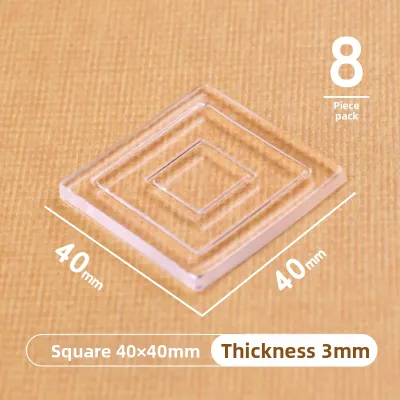
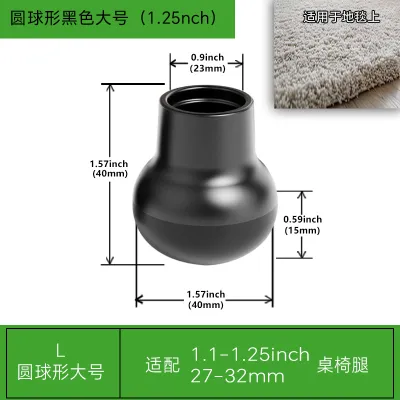
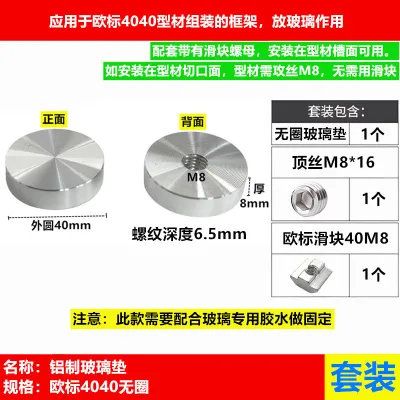
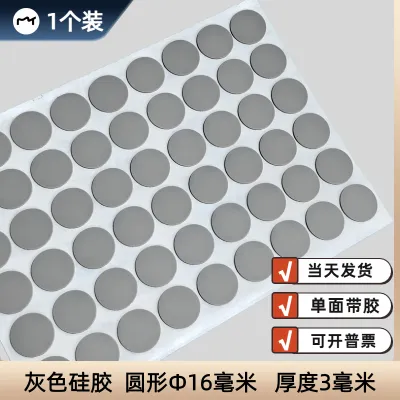
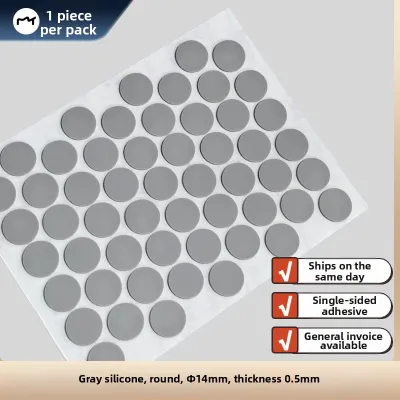
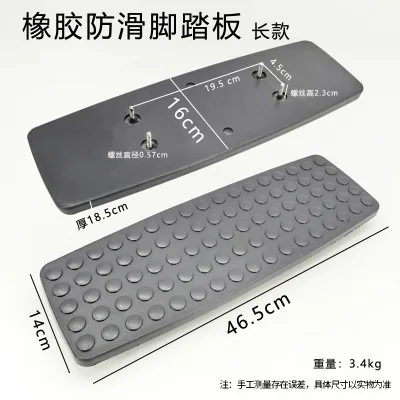
Prices are valid at publication and may change. Please refer to the product page for the latest price.
However, felt pads have distinct limitations that homeowners must consider. The fibrous structure of felt easily traps airborne dust, pet hair, and microscopic grit from the floor. When these abrasive particles become embedded in the felt, the pad can act like sandpaper, scratching the very floor it was meant to protect. Additionally, felt is highly absorbent, making it unsuitable for high-moisture areas like kitchens, bathrooms, or entryways where spilled liquids can saturate the pad, leading to adhesive failure or mold growth. They are also prone to flattening under heavy, stationary items like large bookcases or pianos, losing their cushioning ability.
To verify if felt pads are right for your setup, examine the density of the felt. High-density wool felt offers much better durability and resistance to flattening than cheap, synthetic polyester felt. You should also ensure the adhesive backing is compatible with your furniture leg material; some adhesives bond well to finished wood but peel off quickly from metal or plastic legs. For metal legs, slip-on caps with felt bottoms often provide a more secure fit than simple peel-and-stick discs.
Rubber Pads for Vinyl and Heavy Furniture
Rubber pads are designed primarily for grip, stability, and heavy weight distribution. They are highly suitable for heavy, stationary furniture such as sofas, beds, entertainment units, and major household appliances resting on vinyl, laminate, or tile floors. The high coefficient of friction inherent in rubber prevents these heavy items from shifting when you sit down or lean against them, protecting the floor from sudden impact damage and keeping your room layout intact.
Despite their excellent gripping power, rubber pads carry specific risks, particularly when used on vinyl flooring. Many vinyl floors are sensitive to a chemical process known as plasticizer migration. When certain types of rubber—especially synthetic or recycled rubber containing petroleum-based oils—remain in direct contact with vinyl over time, they can cause permanent yellow or brown discoloration that cannot be cleaned off. Furthermore, low-quality rubber pads can leave dark scuff marks on light-colored tile grout or pale wood finishes if the furniture is dragged.
Before purchasing, always check product labels for explicit “non-staining” or “vinyl-safe” designations. Natural rubber or high-grade thermoplastic elastomer (TPE) pads are generally safer alternatives to standard synthetic rubber. As a safety measure, test a small, leftover piece of your flooring or apply a pad in an inconspicuous area, such as inside a closet or under a heavy appliance, for several weeks to verify that no chemical reaction or discoloration occurs.
Silicone Pads for Flexible and Uneven Surfaces
Silicone pads and sleeves offer a modern, highly flexible alternative to traditional felt and rubber. They are particularly useful for furniture with angled, tapered, or uneven legs, as flexible silicone sleeves can stretch and conform to various shapes, securing the protective barrier in place without relying solely on adhesives. Because silicone is completely waterproof and washable, these pads are excellent for high-moisture environments like kitchens, bathrooms, and covered patios where frequent spills or floor mopping would quickly ruin felt pads.
However, silicone has its own set of trade-offs. While it provides moderate grip, it does not offer the same heavy-duty slip resistance as high-quality rubber on highly polished surfaces like glossy porcelain tiles. Under heavy loads, silicone can also stick slightly to glossy finishes, causing a jerky movement if you attempt to slide the furniture. Additionally, the smooth, slightly tacky surface of silicone can attract dust and hair, requiring periodic wiping to maintain its clean appearance.
When selecting silicone protectors, verify that the material thickness is sufficient for the weight of the furniture. Thin silicone sleeves can split or wear through quickly under heavy use, allowing the hard furniture leg to bottom out and scratch the floor. Look for reinforced bases, sometimes featuring an embedded felt or Teflon disc on the bottom, which combines the flexible fit of silicone with the smooth sliding properties of felt.
Key Factors to Check Before Buying Furniture Pads
To ensure your furniture pads provide reliable protection, you must evaluate several physical factors of both your furniture and your home environment before making a purchase.

- Measuring Furniture Legs: Accurate measurement is critical. Use a ruler or calipers to measure the exact diameter of round legs or the width and length of square legs. The furniture pad should match the footprint of the leg as closely as possible. A pad that is too small will leave the edges of the furniture leg exposed, risking direct contact with the floor when the furniture tilts. Conversely, an oversized pad will overhang, attracting dust, looking unsightly, and peeling off easily when kicked or bumped.
- Weight Capacity and Distribution: Heavy furniture requires careful load distribution. For heavy items like solid wood dining tables, wardrobes, or large sofas, relying on thin adhesive pads is rarely sufficient. The immense pressure can compress thin materials to the point of failure. Instead, consider wider caster cups or heavy-duty pads that distribute the weight over a larger surface area. This reduces the localized pressure on your hardwood or vinyl planks, preventing deep indentations.
- Attachment Methods: Choose an attachment method that matches your furniture material and floor sensitivity. Adhesive pads are easy to apply and suitable for most flat-bottomed legs, but the adhesive can degrade over time, especially in humid climates like Singapore's. Slip-on or sleeve pads are excellent for metal or angled legs, providing a secure fit without adhesive residue, though they are highly visible. Nail-on or screw-on pads provide the most secure, long-lasting attachment for solid wood legs, but carry the risk of severe floor scratching if the protective pad wears down and exposes the metal screw or nail.
- Checking Floor Manufacturer Guidelines: Always review the care and maintenance guide provided by your flooring manufacturer. Some luxury vinyl and engineered hardwood brands explicitly list prohibited pad materials or adhesives. Using an unapproved pad can void your flooring warranty, turning a minor S$10 purchase into a costly mistake if your floors require professional repair.
Installation and Maintenance Tips to Prevent Floor Damage
Proper installation and ongoing maintenance are just as important as choosing the right material. Even the highest-quality furniture pad will fail if applied incorrectly or left uninspected for years.
- Surface Preparation: Before applying any adhesive pad, the bottom of the furniture leg must be thoroughly cleaned and dried. Use a damp microfiber cloth with a mild detergent or a small amount of rubbing alcohol to remove accumulated dust, wax, polish, or old adhesive residue. Allow the surface to dry completely before pressing the pad firmly into place. Applying a pad to a dusty or oily surface guarantees premature peeling.
- Routine Inspection: Establish a habit of checking your furniture pads at least once every six months. Inspect felt pads for flattening, thinning, or embedded grit. Check rubber and silicone pads for cracking, tearing, or shifting out of alignment. If you notice a chair making a scraping sound or sliding less smoothly, inspect the pads immediately.
- Safe Removal: When replacing worn adhesive pads, avoid using sharp metal scrapers or harsh chemical solvents that can strip the finish off your furniture legs. Instead, use a plastic scraper or an old credit card to gently lift the pad. If adhesive residue remains, apply a small amount of vegetable oil or a mild, citrus-based adhesive remover, let it sit for a few minutes, and wipe it clean with a soft cloth.
- When to Stop and Consult a Professional: If you discover deep scratches, gouges, or discoloration on your flooring during pad replacement, stop moving the furniture. Applying new pads will not fix existing structural damage. Consult a professional flooring contractor to assess whether the floor requires sanding, refinishing, or plank replacement before returning the furniture to its place.
Frequently Asked Questions (FAQ)
Can I use the same furniture pads on area rugs and hard floors?
No, standard furniture pads designed for hard floors are generally ineffective on area rugs. Felt, rubber, and silicone pads are engineered to interact with hard, flat surfaces. On a soft, fibrous area rug, these pads do not provide the necessary grip to keep furniture from shifting, and felt pads can snag on the rug fibers. If you have furniture resting on an area rug, it is better to use specialized spiked furniture cups that grip the rug pile without crushing it, or dual-surface pads designed specifically to transition between hard floors and carpets.
Do nail-on furniture pads work better than adhesive ones?
Nail-on or screw-on furniture pads offer superior durability and stay attached much longer than adhesive pads, but they are only suitable for solid wood furniture legs. They should never be used on hollow metal, plastic, or thin laminate legs, as they can split the material. The primary risk of nail-on pads is neglect: if the felt or plastic glide wears away completely over time, the exposed metal nail or screw will dig directly into your floor, causing deep, permanent gouges. If you choose nail-on pads, regular inspection is critical to ensure the protective barrier remains intact.
Community discussion
Share your experience or ask a question. Comments are reviewed before publication.