
Protecting your home investments starts with choosing the right furniture dust cover. The ideal cover does not just block airborne particles; it matches the specific material of your furniture, the local environment, and how frequently you use the piece. For indoor upholstered items like fabric sofas, a highly breathable cotton or microfiber cover prevents moisture from getting trapped. For wooden tables, a padded cover protects delicate finishes from scratches. For outdoor patio sets, heavy-duty, UV-resistant, and ventilated covers are essential, especially in humid climates like Singapore.
Key Factors for Choosing the Right Furniture Dust Cover
When selecting a furniture dust cover, you must balance protection with the physical needs of the furniture itself. While a cover’s primary job is to shield surfaces from dust, moisture, scratches, and pet hair, it must also maintain the structural integrity of the piece underneath. A cover that is too tight or made of non-breathable material can trap humidity, leading to mold growth or finish degradation.
Before purchasing any cover, always check your furniture manufacturer’s care instructions. This step is especially critical for natural materials like leather or solid wood. These materials require specific breathability and periodic conditioning. Sealing them under an airtight cover can dry out leather or cause solid wood to warp as humidity levels shift.
Products mentioned in this guide
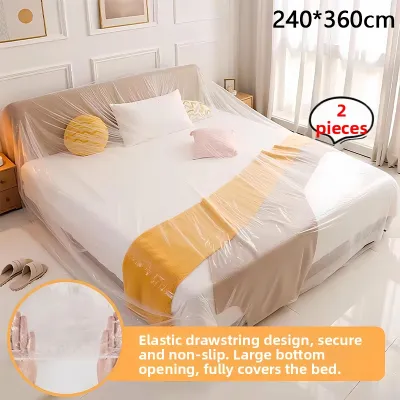
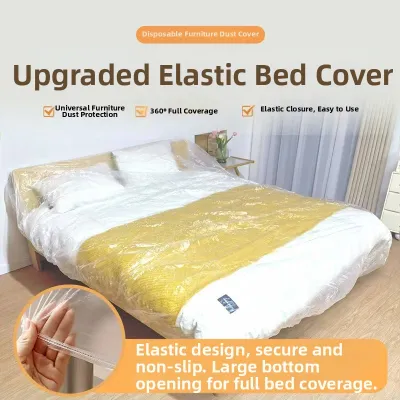
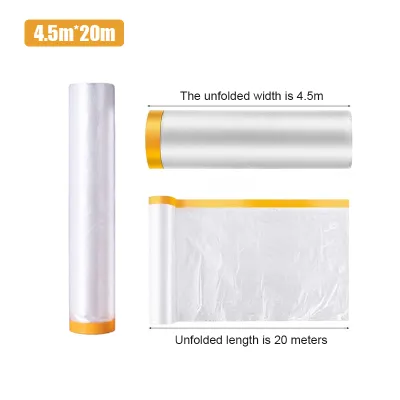
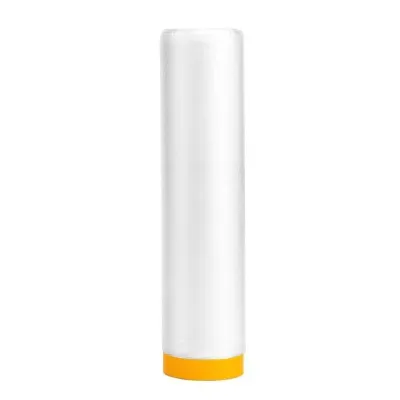
![[2-3 Days Delivery] 4.5m x 20m Plastic Dust Cover Protective Plastic Sheet Disposable Furniture Dustproof Cover Protective Cover Plastic Cover Plastic Film for Home Improvement CNY Gift Present](https://img.lazcdn.com/g/p/37fceab8fc43d4b3b58593d55aae9bcb.jpg_400x400q80.jpg_.webp)
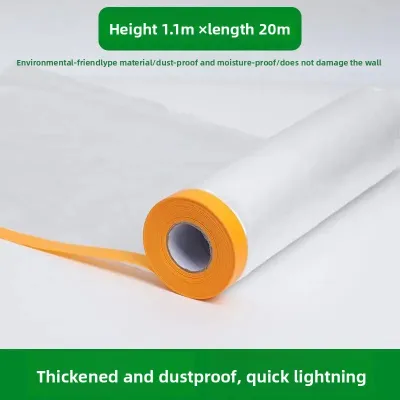
![[SG SELLER]Plastic Dust Cover Dust Prevention Renovation Drop Sheet Protective Plastic Film Furniture Dustproof Cover Paintproof Waterproof Cover Sheet Rolls](https://img.lazcdn.com/g/p/d2c82f6cde5eed649a28d487364fc7d2.png_400x400q80.png_.webp)
Prices are valid at publication and may change. Please refer to the product page for the latest price.
Environmental factors also play a major role in your decision. In Singapore, indoor humidity levels are consistently high, making breathability a top priority for indoor covers. If your furniture is positioned near windows, direct sunlight exposure can cause both the cover and the furniture underneath to fade; thus, UV resistance becomes a key specification to verify. Finally, consider household traffic. Homes with pets or young children require durable, scratch-resistant fabrics that can withstand frequent handling and washing.
Best Dust Cover Materials for Specific Furniture Types
No single material can protect every type of furniture in your home. A heavy-duty waterproof cover that works perfectly on an open balcony will likely trap damaging moisture if draped over a delicate indoor leather sofa. To find the right match, you must evaluate the specific material composition and location of each furniture piece.

The following breakdown categorises common furniture types and details the specific cover materials, styles, and verification steps required to keep them in pristine condition.
Sofas and Upholstered Chairs
For fabric, velvet, and leather seating, breathability is the most critical factor. Indoor upholstered furniture is highly susceptible to trapping ambient moisture, which can lead to musty odours, mold, and mildew. When choosing a furniture dust cover for these pieces, prioritize breathable fabrics such as cotton blends or specialized microfiber. These materials allow air to circulate freely while keeping dust, lint, and pet dander off the upholstery.
Before covering any seating, check the sofa’s care label. Delicate fabrics and specialized leather finishes can react poorly to certain synthetic cover backings, leading to discolouration or texture changes. For leather sofas, verify if the upholstery requires specific conditioning or a thorough airing out before you apply a long-term cover. Covering dry or unconditioned leather for extended periods can cause it to crack, so ensuring the material is properly maintained beforehand is essential.
Additionally, consider how the cover secures to the sofa. Elasticized hems or tucking tools can help keep fabric covers in place on plush cushions, preventing the cover from slipping off when pets or family members brush past.
Dining Tables and Wooden Desks
Hard surfaces like finished wood, glass, and stone require specialized protection to prevent scratches, chips, and finish reactions. For these pieces, look for covers that feature a soft-lined or padded inner layer. A soft flannel or microfiber lining acts as a gentle barrier against friction, ensuring that the cover itself does not scratch the table’s polished surface during placement or removal.
It is vital to verify your table’s specific finish type—such as lacquer, oil, wax, or polyurethane—before selecting a cover. Some synthetic materials or plastic backings can chemically react with wood finishes over time, especially in warm climates. This reaction can cause the cover’s inner lining to stick to or cloud the finish. Ensure the product specifications explicitly state that the inner lining is safe for finished wood.
To prevent the cover from sliding off smooth glass or polished stone surfaces, look for options equipped with secure ties, buckles, or elastic edges. A secure fit prevents the cover from shifting and exposing the corners of the table to accidental bumps and chips.
Outdoor Furniture and Patio Sets
Exterior pieces face the harshest conditions, requiring robust, heavy-duty protection against rain, intense sunlight, and dust. When shopping for outdoor patio set covers, focus on weather-resistant materials specifically designed for exterior use, such as high-density polyester or canvas with protective coatings.
Do not rely solely on generic material names like “polyester” to guarantee performance. Instead, check the manufacturer’s product label to verify the exact UV-resistance rating and water-repellency specifications. High-quality outdoor covers will list specific water-column ratings or UV protection factors that prove their ability to withstand tropical downpours and intense sun exposure.
In Singapore’s humid climate, moisture management is paramount. Always ensure your outdoor furniture is completely dry before covering it. Covering damp furniture will trap moisture, rapidly promoting the growth of mold and rot. To combat this, look for outdoor covers that feature built-in ventilation vents. These vents allow air to circulate underneath the cover, letting trapped moisture escape while still blocking rain from entering.
Cabinets, Dressers, and Electronics
Storage furniture and sensitive electronic items, such as televisions, audio systems, and computer setups, require lightweight, anti-static protection. For these items, custom-fit cloth covers or lightweight anti-static woven fabrics are ideal. These materials prevent dust from settling into delicate electronic ports and static-attracting screens without adding unnecessary weight or pressure.
When covering electronics, ventilation is a critical safety consideration. Never cover any electronic appliance while it is turned on or cooling down. Always check your appliance and furniture manuals for any specific covering restrictions. Covering active or warm electronics can cause heat buildup, which might damage internal components, void your manufacturer warranty, or pose a safety hazard.
For wooden cabinets and dressers, lightweight cotton covers protect intricate carvings and polished hardware from dust accumulation. Ensure the cover drapes naturally over the edges without putting tension on delicate wooden joints or decorative trim.
Custom-Fit vs. Universal Dust Covers: Which Should You Choose?
Deciding between a custom-fit cover and a universal, one-size-fits-all option depends on your budget, aesthetic preferences, and the specific level of protection your furniture requires. Both options serve distinct purposes, and understanding their trade-offs will help you make the right investment.
Custom-fit covers are tailored to the exact dimensions of a specific furniture model. The primary benefit of a custom cover is its precise fit and superior aesthetics. Because they conform to the exact shape of your furniture, they do not sag, bunch, or create unsightly folds. They often feature integrated securement options like tailored elastic hems, zippers, heavy-duty straps, or buckles that keep the cover firmly in place, even in high-wind outdoor environments. This secure fit minimizes fabric flapping, which can wear down the cover material and scratch the furniture underneath. However, custom-fit covers come with a higher price tag and are less versatile if you decide to replace your furniture in the future.
Universal or flat-sheet covers, on the other hand, offer a highly cost-effective and versatile solution. These covers are ideal for irregularly shaped furniture, temporary use, or quick daily draping. If you frequently entertain and only need to cover your furniture during short absences, a universal cover is easy to toss on and remove. They are also highly adaptable, allowing you to use the same cover on different pieces of furniture as your layout changes. The downside is that they can look untidy and may require additional weights, clips, or ties to stay secure.
When opting for a universal cover, it is essential to read the product dimensions carefully. Do not just match the general category (e.g., “three-seater sofa cover”); instead, compare the cover’s physical measurements against your furniture’s dimensions. Ensure there is adequate overhang to cover the sides completely, and check if the cover includes built-in straps or drawstrings to secure the excess fabric.
How to Measure Your Furniture for a Secure Fit
An accurate measurement is the foundation of effective furniture protection. A cover that is too tight can strain seams and tear easily, while a cover that is too loose can sag, collect water pools outdoors, or slide off entirely. To ensure a secure fit, follow a systematic measuring process.
Start by measuring the three primary dimensions: length, width, and height. Always measure the widest points of the furniture piece. For example, when measuring a sofa, measure from the outer edge of one armrest to the outer edge of the opposite armrest, rather than just the seating cushion area. For height, measure from the floor to the highest point of the backrest. If your furniture has protruding parts, such as angled legs, extended headrests, or decorative carvings, make sure these are included in your maximum measurements.
Once you have the exact dimensions, add a small allowance to ensure the cover can be easily put on and taken off. For indoor fabric covers, an allowance of 2 to 5 centimetres is generally sufficient to allow for easy draping and tucking. For outdoor covers, look for a fit that sits about 2 to 3 centimetres off the ground; this prevents the hem of the cover from sitting in puddles or damp soil, while still providing complete coverage for the main structure.
Finally, consider the physical logistics of moving or storing covered furniture. If you plan to move covered items through your home, check your door, hallway, and staircase clearances. A bulky, heavily padded cover can add significant width to a dining table or sofa, making tight corners difficult to navigate. Verifying these clearances beforehand ensures you can move your protected furniture safely without scraping walls or damaging the cover.
How to Clean and Store Your Dust Covers
To maintain the protective qualities of your dust covers and prevent them from transferring dirt, dust, and allergens back onto your clean furniture, you must clean and store them properly. Over time, covers accumulate a layer of dust and environmental grime that can penetrate the fabric if left unwashed.
Always check the cover’s care label before attempting to clean it. Washing instructions vary widely depending on the material. Many lightweight cotton and microfiber indoor covers are machine washable on a gentle cycle with mild detergent. However, heavy-duty outdoor covers with specialized waterproof or UV-resistant coatings often require hand washing or a simple wipe-down with a damp cloth and mild soap. Machine washing these technical fabrics can strip away their protective coatings and ruin their water-repellent properties.
Proper drying is crucial, especially in humid environments like Singapore. Never store a damp cover, as this will inevitably lead to mold, mildew, and unpleasant odours. Air-drying is the safest method for almost all cover materials. Hang the covers in a well-ventilated, shaded area out of direct sunlight to prevent UV degradation during the drying process. Ensure the seams, pockets, and elastic hems are completely dry before folding.
When your furniture is actively in use, store your folded covers in a clean, dry, and dust-free location. A dedicated storage bag, plastic bin, or linen closet shelf works best. Avoid storing covers in damp areas like balconies or under-sink cabinets where humidity can accumulate. Proper storage ensures your covers remain fresh and ready to protect your furniture whenever needed.
Frequently Asked Questions (FAQ)
Can I use a standard plastic sheet as a temporary dust cover?
Using a standard plastic sheet as a temporary dust cover carries significant risks, especially for long-term protection. Plastic is completely non-breathable, meaning it traps ambient moisture and condensation underneath. In humid climates, this trapped moisture can quickly lead to mold growth, musty smells, and wood rot. Furthermore, certain plastic materials can chemically react with wood lacquers, varnishes, and delicate leather finishes, causing the plastic to stick to or discolour the surface. Always check your furniture’s care label. For anything beyond very short-term, supervised use (such as protecting a table during a quick painting project), it is highly recommended to use breathable, purpose-made furniture dust covers that allow air circulation while blocking dust.
How often should I wash my indoor furniture dust covers?
The frequency of washing your indoor furniture dust covers depends on your household environment and usage patterns. As a general guideline, washing your covers every three to six months is sufficient for standard dust prevention. However, you should wash them more frequently if you notice visible dust accumulation, experience seasonal allergy flare-ups, or have pets that shed hair on the covers. Regular washing helps maintain the fabric’s protective qualities and prevents dust from settling through the weave onto the furniture. Always follow the manufacturer’s specific washing instructions on the care label to avoid shrinking the fabric, which can ruin the cover’s fit.
Community discussion
Share your experience or ask a question. Comments are reviewed before publication.