
Maximizing the usable square footage of a small Housing & Development Board (HDB) flat requires looking beyond conventional floor space. Bay windows, commonly found in older resale flats and certain Build-To-Order (BTO) layouts, present a unique spatial puzzle: they offer a deep, solid ledge but often eat into the physical and visual volume of a bedroom or living area. Leaving this ledge empty is a missed organizational opportunity, yet placing bulky, permanent furniture on it can block natural light, disrupt room flow, and make an already compact room feel incredibly cramped.
Installing a specialized bay window shelf is an elegant, non-intrusive way to reclaim this architectural feature. Folding and multi-functional designs are particularly effective for HDB flats because they adapt to your changing daily needs. A folding shelf can serve as a spacious laptop desk during the day and tuck away flat against the wall by evening, instantly restoring your room’s open feel. Multi-functional designs, such as modular racks or integrated storage units, allow you to stack plants, books, or decorative items vertically, keeping the central window pane clear to let in maximum daylight.
Choosing the right bay window shelf requires a careful balance between structural safety, material durability, and spatial utility. Because HDB flats are subject to strict renovation guidelines and experience Singapore’s tropical humidity, your choice of shelf must be highly deliberate. By understanding how to measure your space, select resilient materials, and choose a configuration that aligns with your lifestyle, you can transform an underutilized window ledge into one of the most productive and visually appealing corners of your home.
Products mentioned in this guide
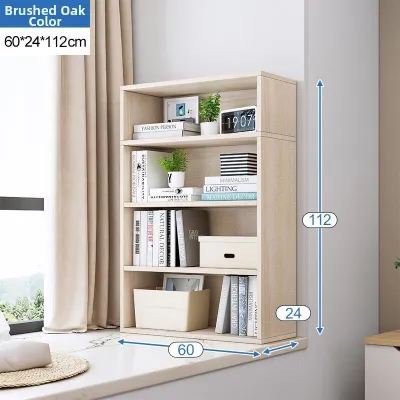
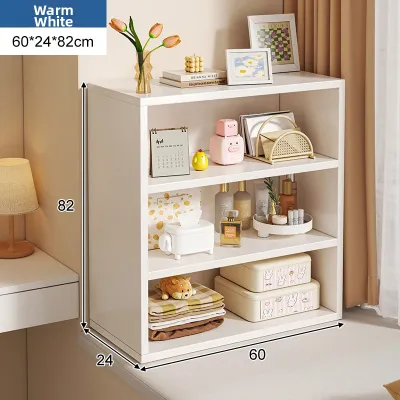
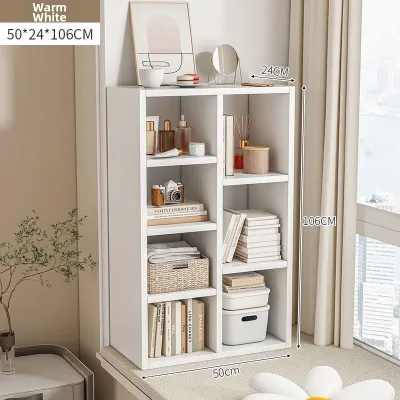
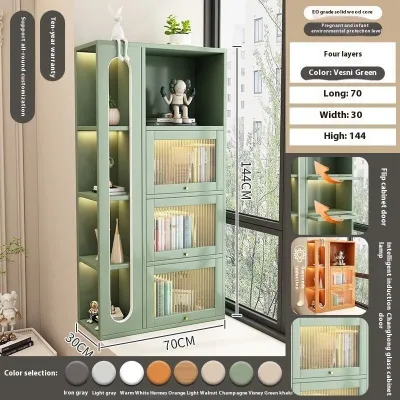
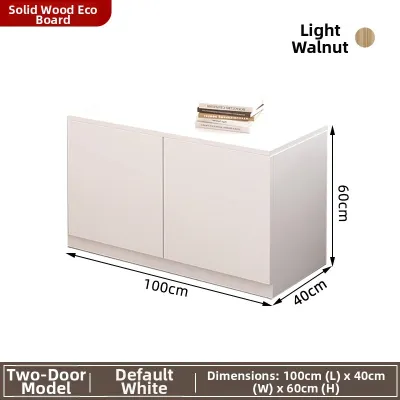
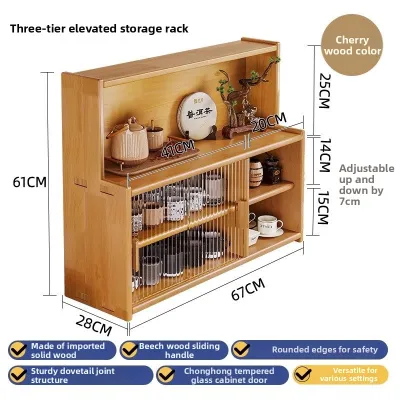
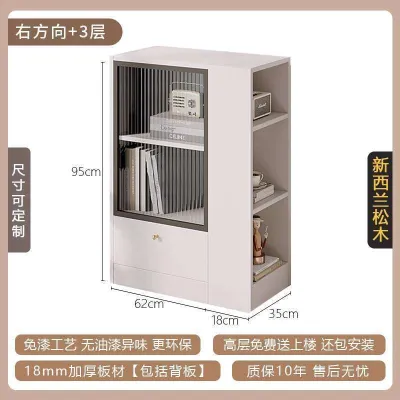
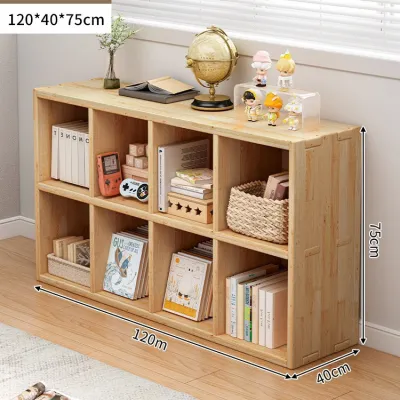
Prices are valid at publication and may change. Please refer to the product page for the latest price.
How to Measure and Evaluate Bay Window Shelves for Your Space
Before purchasing any shelving system, you must conduct a thorough physical assessment of your bay window area. Unlike standard open walls, window ledges are bounded by glass, plaster, and window hardware, all of which limit your installation tolerances. Taking precise measurements and evaluating environmental conditions beforehand prevents costly purchasing mistakes and ensures your setup remains safe and functional.
Measuring Ledge Depth and Clearance
To ensure your shelf sits securely and operates without obstruction, start by measuring the exact depth and width of the bay window ledge. Use a steel measuring tape and measure at multiple points along the ledge, as plastering and wall finishes can sometimes create slight variances in width from front to back. Note whether the edge of your concrete ledge is perfectly square or has a rounded, sloped bullnose profile, which can affect the stability of freestanding units.
Next, check for physical obstructions around the window frame. Measure the distance from the front edge of the ledge to the window glass, taking into account any protruding window handles, latches, sliding tracks, or lock mechanisms. If you have existing window treatments, such as roller blinds, Venetian blinds, or curtain tracks, measure their drop path to ensure the shelf will not interfere with opening or closing your window coverings.
For folding shelves, you must calculate the swing radius of the folding mechanism. Measure the clearance space both above and in front of the ledge. When the shelf is fully extended, there must be adequate room for your body, a chair, or adjacent furniture. When folded down or up, the assembly must not press against the window glass or block access to the window handles, which must remain easily reachable for ventilation and safety.
Evaluating Materials and Weight Limits
Every shelf has a maximum structural load capacity determined by its design, material thickness, and mounting method. You must check the manufacturer’s specified weight limits and compare them against the total weight of the items you plan to store. For example, a collection of heavy ceramic plant pots filled with wet soil requires a significantly more robust support system than a lightweight decorative tray, a few books, and a laptop.
Do not assume that a material name alone guarantees long-term durability. Instead, evaluate materials based on their specific product care instructions, protective finishes, and engineering specifications. In Singapore’s tropical climate, bay windows are subjected to intense, direct sunlight and sudden temperature shifts, which can cause low-grade plastics to become brittle, and unsealed woods to warp, crack, or fade over time.
Moisture resistance is another critical factor to verify. If you plan to use your shelf for indoor plants, or if your bedroom window is prone to condensation during heavy rainstorms, look for materials that can withstand moisture. Powder-coated carbon steel, rust-resistant aluminum, treated bamboo, and high-density engineered wood sealed with a water-resistant melamine laminate are excellent choices. Always check if the manufacturer recommends the product for high-humidity environments before committing to a purchase.
Best Folding and Multi-Functional Shelf Designs for Small Spaces
Selecting the right shelf design depends heavily on how you intend to use your bay window ledge. Different configurations offer distinct advantages in terms of flexibility, storage volume, and ease of installation. Below are the four most practical shelf designs for maximizing limited space in HDB flats.

Fold-Down Floating Shelves
Fold-Down Floating Shelves are the ultimate space-saving solution for homeowners who need a temporary, highly functional surface. These shelves utilize heavy-duty folding brackets mounted directly to the wall adjacent to the bay window ledge. When you need to work, study, or enjoy a cup of coffee, you simply lift the shelf panel until it locks into place, extending your usable surface area over the ledge.
- Ideal Use Case: Temporary work-from-home laptop stations, study desks, or compact dining surfaces in small bedrooms and living areas.
- Primary Space-Saving Feature: The shelf folds completely flat against the wall or down onto the ledge when not in use, keeping the window view unobstructed and preserving the room's visual openness.
- Installation Requirement: Requires secure mounting to a solid concrete or brick wall adjacent to the window ledge using heavy-duty wall anchors and steel brackets.
- Key Limitation: Installation is highly dependent on having clear, flat wall space next to the window, and it cannot be mounted directly onto glass or thin partition boards.
Tiered and Adjustable Corner Organizers
Tiered and adjustable corner organizers are designed to maximize the often-wasted corner spaces of a bay window. By stacking storage vertically along the sides of the window frame, these units allow you to display items or store essentials without blocking the central window pane. Many of these organizers feature modular shelves that can be adjusted in height to accommodate items of varying sizes.
- Ideal Use Case: Displaying indoor plant collections, organizing books, or storing small decorative items and daily essentials.
- Primary Space-Saving Feature: Utilizes vertical corner space, leaving the main expanse of the window ledge open for natural light and air circulation.
- Installation Requirement: Typically freestanding or secured with non-marking tension poles, making them exceptionally easy to set up.
- Key Limitation: These units have a fixed footprint and cannot be folded away, meaning they take up permanent real estate on the sides of your ledge.
Multi-Functional Desk and Shelf Combos
Multi-functional desk and shelf combos are integrated furniture pieces that sit on or over the bay window ledge. These designs often feature a permanent lower shelving unit for storage, paired with a pull-out, slide-out, or fold-out desktop surface. This design allows you to establish a dedicated study nook in a small bedroom where a standard freestanding desk would block the main walkway.
- Ideal Use Case: Creating a dedicated home office or study area in tight bedrooms without sacrificing floor space.
- Primary Space-Saving Feature: Combines storage and a workspace into a single, compact footprint that utilizes the depth of the window ledge.
- Installation Requirement: Requires careful assembly and precise leveling on the ledge to ensure the pull-out mechanism operates smoothly.
- Key Limitation: Because standard HDB bay window ledges sit lower than a typical desk height, you must carefully verify the height of the pull-out surface to ensure comfortable seating and proper legroom.
Freestanding Expandable and Stackable Racks
Freestanding expandable and stackable racks offer maximum flexibility without the need for permanent installation. These modular units feature telescopic metal frames or interlocking stackable shelves that sit directly on the bay window ledge. You can expand the width of the rack to span the entire length of your window, or stack multiple units vertically to create a custom storage system.
- Ideal Use Case: Renters who cannot drill into walls, or homeowners who want a highly adaptable storage solution that can be reconfigured easily.
- Primary Space-Saving Feature: Modular design expands or contracts to fit your exact ledge dimensions, adapting seamlessly to different storage needs.
- Installation Requirement: Completely freestanding with zero drilling required; simply adjust the frame to your desired width and place it on the ledge.
- Key Limitation: These racks take up permanent space on the ledge and can block the lower portion of your window view if stacked too high.
Quick Comparison of Space-Saving Bay Window Shelves
To help you decide which shelf design best fits your HDB flat, the table below compares the key structural and functional characteristics of each option.
| Shelf Design Type | Best Use Case | Primary Space-Saving Feature | Installation Requirement | Key Limitation |
|---|---|---|---|---|
| Fold-Down Floating | Temporary workspaces, laptop desks, compact dining bars | Folds completely flat against the wall when not in use | Heavy-duty wall anchors mounted to adjacent solid walls | Requires clear adjacent wall space; cannot mount to glass |
| Tiered Corner | Plant displays, book organization, decorative storage | Utilizes vertical corner space to keep central window clear | Freestanding or secured with non-marking tension poles | Fixed footprint; cannot be folded away or easily hidden |
| Desk/Shelf Combo | Dedicated study nooks in small bedrooms | Integrates storage shelves with a pull-out work surface | Assembly and leveling on the ledge; check seating heights | Lower ledge height may require specific adjustable chairs |
| Freestanding Expandable | Rental properties, flexible storage, temporary setups | Telescopic frame expands or contracts to fit the ledge | Freestanding; zero drilling or permanent mounting required | Permanent footprint on the ledge; can block lower window view |
Installation Rules and Safety Checks for HDB Windows
When installing any shelving system near an HDB window, safety and structural integrity must be your top priorities. HDB flats are subject to strict building regulations designed to prevent structural damage, water leakage, and safety hazards. Violating these rules can lead to costly repairs, structural failures, or penalties.
First and foremost, never drill into HDB window frames, structural concrete window ledges, or tempered glass panels. Drilling into aluminum or uPVC window frames destroys their structural integrity and ruins the waterproof seals, which will lead to severe rainwater seepage during heavy monsoon downpours. Drilling into reinforced concrete ledges can damage structural steel reinforcement bars inside the concrete. Always consult the latest HDB renovation guidelines or hire an HDB-registered contractor to verify what structural modifications are permitted in your specific flat model.
If drilling is prohibited or structurally unsafe, prioritize non-invasive mounting methods. Heavy-duty, non-marking adhesive mounting systems are suitable for very lightweight decorative shelves, while tension-mounted pole systems provide excellent stability for vertical corner racks without damaging the surrounding plaster. For heavier storage needs, freestanding expandable racks that rely on a wide, stable base and gravity are the safest and most compliant option.
Finally, always perform regular safety checks on your shelving setup. If you are using freestanding shelves, ensure they are balanced and cannot tip over easily, especially if you have young children or pets who might pull on them. Periodically inspect all mechanical parts, such as folding brackets, hinges, sliding tracks, and locking pins, to ensure they remain tight, rust-free, and securely aligned. If you notice any wobbling, loose screws, or structural sagging, remove all items from the shelf immediately and tighten or replace the hardware before using it again.
Frequently Asked Questions (FAQ)
Can I drill into HDB bay window frames or ledges?
No, drilling directly into HDB window frames, structural concrete ledges, or tempered glass panels is generally prohibited. Drilling into window frames destroys the manufacturer’s waterproof seal, leading to rainwater leaks and potential structural damage. Drilling into reinforced concrete ledges can compromise the structural steel reinforcement inside. Always check the official HDB renovation guidelines or consult an HDB-registered contractor to verify what is permitted in your specific flat before attempting any installation.
How do I prevent moisture damage on shelves near the window?
To prevent moisture damage, always check product care labels for specific moisture-resistance ratings and protective finishes before purchasing. Maintain good ventilation in your room by opening windows when weather permits, and promptly wipe away any condensation that forms on the window glass during heavy rain. If you use your shelf for indoor plants, place waterproof silicone trays, plastic saucers, or moisture-absorbing mats under the pots to prevent water from pooling on the shelf surface.
Community discussion
Share your experience or ask a question. Comments are reviewed before publication.