
Maximizing every square meter of a Singapore Housing & Development Board (HDB) flat is a primary goal for modern homeowners. With the average size of new Build-To-Order (BTO) flats hovering around 60 to 68 square meters for a 3-room unit and 90 to 93 square meters for a 4-room unit, living areas must serve multiple functions. A fabric sofa bed represents one of the most practical dual-purpose investments you can make, turning a daily relaxation space into an inviting guest room at a moment’s notice. However, choosing the right brand and model requires balancing spatial limitations, delivery bottlenecks, and Singapore’s demanding tropical climate.
Selecting a sofa bed for an HDB flat is significantly more complex than choosing a standard couch. The physical footprint of the piece when fully extended can easily block vital household pathways, such as the route to the kitchen or the household shelter. Additionally, the high relative humidity of Singapore, which frequently exceeds 80 percent, means that standard fabric choices can quickly become breeding grounds for mold, dust mites, and musty odors if they lack breathability.
Beyond environmental factors, the structural realities of HDB blocks introduce unique logistical hurdles. Narrow common corridors, tight lift door clearances, and the sharp turning angles of unit entrance gates can turn delivery day into a stressful ordeal if the furniture is not designed with transportability in mind. By understanding these specific constraints and evaluating local and international brands against strict criteria, you can secure a sofa bed that offers daily comfort, reliable sleep support, and seamless integration into your home.
Products mentioned in this guide
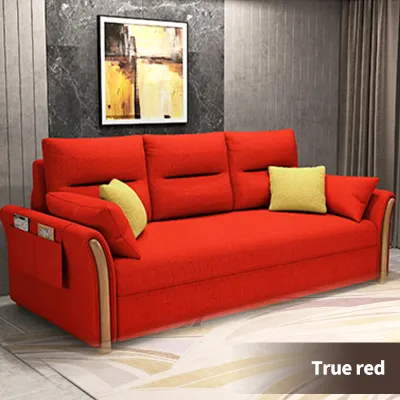
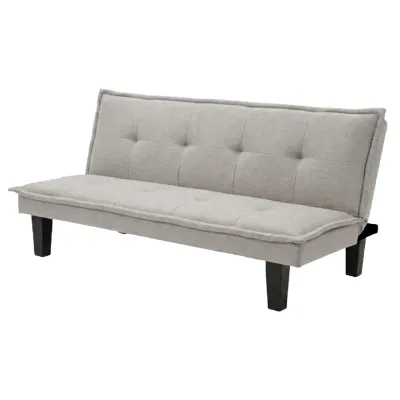
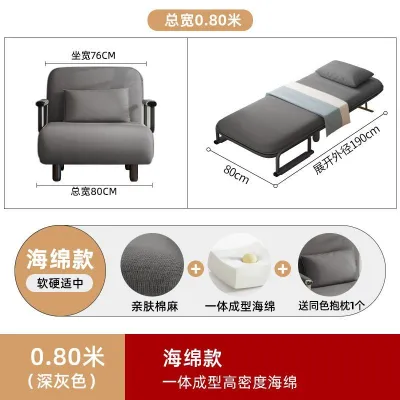
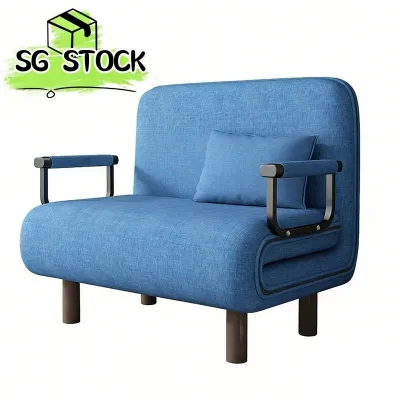
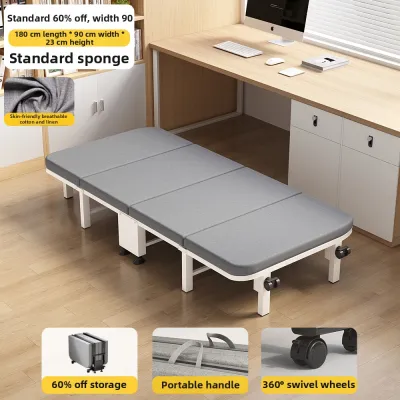
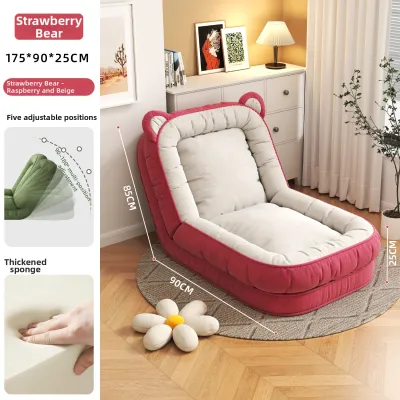
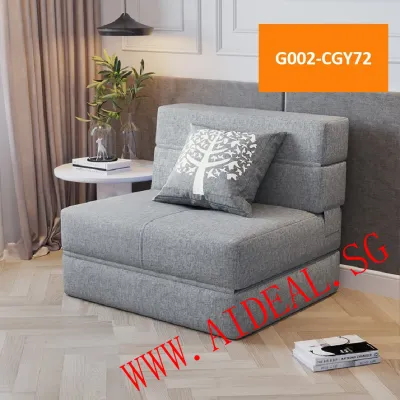
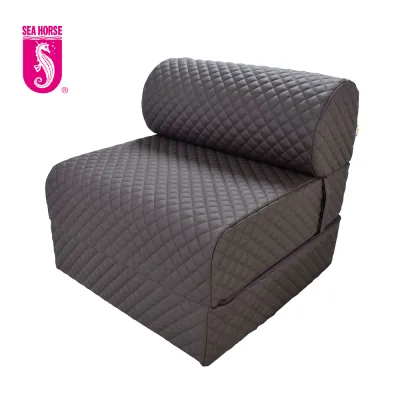
Prices are valid at publication and may change. Please refer to the product page for the latest price.
4 Crucial Criteria for Choosing an HDB-Friendly Fabric Sofa Bed
Before browsing showrooms or online catalogs, you must establish a clear set of parameters tailored to the physical and environmental conditions of your HDB flat. Focusing on these four core criteria will help you filter out impractical designs and target models engineered for small-space living.
Compact Footprint vs. Sleeping Surface
The primary challenge of a sofa bed is the spatial trade-off between its seating profile and its deployed mattress size. In a typical HDB living room, a standard three-seater sofa occupies a width of roughly 180 to 220 centimeters and a depth of 90 to 100 centimeters. When converted into a bed, a pull-out mechanism can extend the depth to 200 centimeters or more, projecting deep into your living space.
To maintain safe and comfortable movement, aim to preserve a minimum walkway clearance of 60 centimeters around the perimeter of the fully extended bed. This ensures that guests can get out of bed without climbing over other furniture, and that household members can still access corridors, bathrooms, or the kitchen during the night. If your living room is exceptionally narrow, consider a “click-clack” model that folds flat along its width, or a modular single-sleeper chair bed that minimizes the forward projection.
Delivery and Access Constraints
A beautiful sofa bed is of no use if it cannot pass through your front door. Older HDB estates, particularly those built before the 1990s, often feature passenger lifts with narrower door openings (sometimes measuring just 80 centimeters wide and 200 centimeters high) and shallower cabin depths. Even in modern BTO blocks, the presence of metal safety gates at the unit entrance can restrict the effective turning radius for large furniture items.
When evaluating brands, prioritize those that design their products for flat-pack delivery or modular assembly. Sofa beds that arrive in multiple smaller boxes can easily navigate passenger lifts, narrow corridor corners, and standard HDB door frames. If a model is delivered fully assembled, you must obtain the exact packaging dimensions from the retailer and compare them against your building’s physical access points to avoid costly return fees.
Mechanism Durability and Ease of Use
The frequency of intended use dictates the type of conversion mechanism you should choose. If the sofa bed will serve as a primary bed or a frequent sleeping spot for family members, look for robust pull-out mechanisms featuring independent metal frames and high-density foam or pocket-spring mattresses. These systems provide superior spinal support but are heavier and require more physical effort to operate.
For occasional guest use, lighter and simpler mechanisms are often more practical. Click-clack designs, which transition from sofa to bed by tilting the backrest forward until it clicks and then laying it flat, are exceptionally easy to operate and have fewer moving parts to maintain. Modular systems, where you simply push a matching ottoman against a chaise lounge to create a sleeping surface, eliminate mechanical wear altogether, though they require separate storage or placement for the ottoman when not in use.
Fabric Performance in Humid Climates
Singapore’s tropical climate demands careful attention to upholstery materials. Heavy, tightly woven fabrics like traditional cotton velvet, thick chenille, or untreated heavy canvas tend to trap ambient moisture and sweat. Over time, this trapped humidity can lead to the growth of mold and localized musty smells, especially if the sofa is placed in a room without continuous air conditioning.
To ensure long-term freshness, look for breathable synthetic blends, such as polyester-acrylic weaves, or lightweight natural-synthetic hybrids like linen-polyester. These fabrics offer excellent moisture-wicking properties and dry quickly. Additionally, prioritize brands that offer removable, machine-washable covers. Being able to strip the entire cover off and wash it at home is the most effective way to combat dust mite accumulation and maintain hygiene in a humid environment.
Fabric Sofa Bed Brands to Consider in Singapore
The Singapore furniture market offers a diverse range of brands catering to different budgets, aesthetic preferences, and spatial requirements. These brands generally fall into three distinct tiers, each presenting unique advantages and trade-offs for HDB dwellers.

Mass-Market and Modular Specialists
Mass-market retailers and flat-pack specialists are highly popular among HDB homeowners due to their accessibility, predictable sizing, and budget-friendly price points. Brands in this category design their products with global shipping standards in mind, meaning almost all their sofa beds are delivered flat-packed in manageable boxes that easily bypass narrow HDB lift doors.
- Key Advantages: These brands offer highly standardized dimensions, making it simple to plan your living room layout using online room planners. Many models feature built-in storage compartments beneath the seating cushion, which is incredibly valuable for storing spare bed sheets, pillows, and blankets in storage-starved HDB flats. Replacement covers are also widely available and highly affordable, allowing you to refresh the look of your living room or wash out stains without buying a new sofa.
- Limitations to Verify: The foam used in budget-friendly models is often of a lower density (typically around 25 to 30 kg/m³), which may soften or sag faster under daily use compared to premium alternatives. The conversion mechanisms, while functional, are often constructed with lighter metal or plastic components that require gentle handling to prevent misalignment over time.
Design-Led and Mid-Range Brands
Mid-range brands and design-focused showrooms cater to homeowners who want a sofa bed that looks like a high-end designer couch during the day, with the hidden functionality of a bed. These brands place a strong emphasis on contemporary aesthetics, offering clean lines, slim profiles, and a more curated selection of modern fabric textures and colors.
- Key Advantages: These brands typically utilize higher-grade construction materials, including solid larch or eucalyptus wood frames and high-density polyurethane foam (often 35 kg/m³ or higher) paired with pocket springs. This combination ensures that the seating remains firm and supportive for years, and the sleeping surface closely mimics the feel of a traditional mattress. Frame and mechanism warranties in this tier are generally more robust, often extending from three to ten years.
- Limitations to Verify: Because these designs prioritize a sleek, non-bulky appearance, they rarely include built-in storage compartments. Furthermore, many mid-range sofa beds are delivered semi-assembled, with the main frame arriving as a single, large unit. You must carefully verify the packaged dimensions against your HDB lift and doorway clearances, as these models are more prone to delivery bottlenecks than fully flat-packed options.
Custom and Premium Upholstery Studios
For homeowners with specific spatial constraints, odd-angled living rooms, or highly particular comfort requirements, custom upholstery studios and premium furniture boutiques offer bespoke solutions. These providers allow you to configure a sofa bed to your exact dimensional specifications and choose from extensive fabric libraries.
- Key Advantages: Customization allows you to design a sofa bed that fits perfectly into a specific alcove, household shelter recess, or study room corner without wasting a single centimeter. You can select premium, high-performance fabrics specifically engineered for challenging environments, such as commercial-grade textiles with rub counts exceeding 50,000 Martindale cycles, stain-resistant coatings (such as Aquaclean or FibreGuard technology), or specialized pet-friendly weaves that resist claw snags.
- Limitations to Verify: Bespoke furniture comes with a significantly higher financial investment and longer lead times, often taking eight to twelve weeks for production and shipping. Because these pieces are built to order, you must ensure that professional, on-site measurements are conducted by the brand's technicians before finalizing the purchase, as custom items are typically non-refundable and cannot be easily modified after production.
Comparing Brand Tiers: What to Expect Before You Buy
To help you align your budget and spatial needs with the right market segment, this comparison table outlines what you can typically expect from each brand tier in Singapore.
| Brand Tier | Estimated Price Tier (SGD) | Delivery & Assembly Complexity | Fabric Customization Level | Typical Warranty Coverage |
|---|---|---|---|---|
| Mass-Market Specialists | S$300 – S$1,200 | Flat-pack; self-assembly or basic delivery service. | Low; limited to 2 to 4 stock colors per model. | 1 to 10 years (often limited strictly to frame defects). |
| Design-Led Mid-Range | S$1,200 – S$3,000 | Semi-assembled; professional assembly usually included. | Moderate; curated library of 10 to 30 fabrics. | 3 to 10 years (covering frame, joints, and mechanism). |
| Custom Studios | S$3,000+ | Fully assembled; professional white-glove delivery. | High; hundreds of premium, performance, and pet-friendly fabrics. | 5 to 15 years (comprehensive structural and mechanism warranty). |
The Essential Pre-Purchase Checklist for HDB Delivery and Fit
To guarantee a successful purchase and avoid the frustration of a failed delivery or an unusable living room, complete this step-by-step checklist before making your final payment.
1. Measuring the "Path of Travel"
Do not rely on visual estimations; use a metal measuring tape to record the exact dimensions of every space your sofa bed must pass through on its way to your living room:
- Lift Door Clearance: Measure the width and height of the open passenger lift doors at your HDB block.
- Lift Cabin Depth: Measure from the back wall of the lift cabin to the closed door line to ensure a long box can fit diagonally or horizontally.
- Corridor Turning Radius: If your unit is located at the end of a corridor or down a narrow hallway, measure the width of the corridor at its narrowest point to ensure the delivery team can swing a long box around corners.
- Main Door and Safety Gate: Measure the clear opening width of both your main wooden door and your external metal gate when fully opened. Note any protruding handles or lockboxes that reduce the effective clearance.
2. Verifying "Sleeping Clearance" with Painter's Tape
Once you have selected a specific sofa bed model, obtain its fully deployed dimensions from the manufacturer’s specification sheet.
- Use low-tack painter's tape (which will not damage vinyl, parquet, or homogenous tile flooring) to map out the exact footprint of the sofa on your living room floor in its closed state.
- Extend the tape outline to represent the sofa bed when it is fully opened into its sleeping configuration.
- Walk around the taped area. Verify that you can still open nearby cabinet doors, access the household shelter, and walk comfortably to the bedrooms or bathroom without having to squeeze past the bed.
3. Requesting and Testing Fabric Swatches
Showroom lighting is highly optimized and rarely matches the lighting conditions of an HDB flat. Always request physical fabric swatches from the retailer to test at home:
- Check the Color: Place the swatch in your living room under both natural daylight and your evening LED lighting (warm white vs. cool daylight) to see how the color shifts.
- Test for Breathability: Hold the fabric swatch firmly over your mouth and blow through it. If you feel a reasonable amount of air passing through easily, the fabric is breathable and less likely to trap heat and moisture in Singapore's humid climate.
- Check the Texture: Rub the swatch against your forearm to ensure it does not feel scratchy or irritating, especially if you plan to use the sofa bed without a protective mattress topper.
4. Confirming Assembly and Disposal Policies
Sofa beds are heavy, complex pieces of machinery. Clarify the retailer’s delivery policies before finalizing your purchase:
- Assembly Services: Confirm if professional assembly is included in the delivery fee. Self-assembling a complex pull-out mechanism without the proper tools can lead to alignment errors that void your warranty.
- Staircase Charges: If your HDB block has split-level lift landings where the lift does not stop on your exact floor, check if the brand charges a "stair-carry" fee per flight of stairs.
- Old Furniture Disposal: If you are replacing an existing couch, ask if the delivery team offers a paid disposal service. Coordinating the delivery of the new sofa bed with the removal of the old one prevents your living room from becoming temporarily unusable.
Frequently Asked Questions (FAQ)
Do I need to arrange my own disposal for an old sofa bed in an HDB flat?
In Singapore, you have two primary options for disposing of an old sofa bed. Most HDB residents can utilize the free bulky item removal service provided by their local Town Council. This service is typically limited to three bulky items per household per month and must be booked several days in advance through your Town Council’s website or hotline.
However, Town Council workers are generally only authorized to collect items from your lift landing or outside your front door; they will not enter your flat to carry heavy furniture out of your living room. If you cannot lift the old sofa bed yourself, it is highly recommended to pay your furniture retailer’s delivery team for a professional disposal service, as they have the tools and manpower to safely dismantle and remove the old piece directly from your home.
Are click-clack sofa beds better than pull-out mechanisms for HDB flooring?
Click-clack sofa beds are generally more floor-friendly for typical HDB floor finishes like vinyl, laminate, or parquet. Because click-clack models transition by pivoting the backrest, the frame remains stationary, and no wheels or heavy metal supports need to slide across the floor.
In contrast, pull-out mechanisms rely on wheels or casters that roll forward to support the weight of the extended mattress. If these wheels are made of hard plastic and lack rubber coatings, they can easily scratch parquet or leave deep grooves in vinyl flooring over time. If you choose a pull-out model, protect your flooring by placing a low-pile area rug beneath the sofa’s footprint or attaching adhesive felt pads to any stationary support legs.
How can I prevent my fabric sofa bed from developing a musty smell in Singapore's humidity?
Preventing mustiness requires a combination of smart fabric selection and regular maintenance. Avoid heavy, moisture-retaining fabrics like velvet or thick chenille, and opt for breathable synthetic blends or removable, washable covers.
Position your sofa bed in a well-ventilated part of the living room, ideally away from direct path of rain from open windows but where it can benefit from cross-ventilation. Keep a gap of 5 to 10 centimeters between the back of the sofa and the wall to allow air to circulate freely. Vacuum the sofa weekly using an upholstery attachment to remove organic dust, skin flakes, and pet dander, which act as food sources for mold and dust mites. If you run an air conditioner or a dehumidifier in the room periodically, it will significantly help keep the internal framing and foam dry.
Community discussion
Share your experience or ask a question. Comments are reviewed before publication.