
Managing space in a Singapore Board of Development (HDB) flat requires a thoughtful approach to furniture selection. While a large, sprawling sectional sofa might look inviting in a spacious showroom, it can quickly overwhelm the limited floor area of a modern 3-room, 4-room, or 5-room flat. This is where the fabric one-seater sofa, or armchair, becomes an invaluable asset for your living room layout. Rather than forcing a massive piece of furniture into a compact space, integrating a single-seater allows you to optimize your floor plan, improve foot traffic flow, and create dedicated zones for relaxation, reading, or working.
Fabric upholstery is particularly well-suited for Singapore’s tropical climate. Unlike leather, which can trap heat and feel sticky against your skin during humid afternoons, breathable fabric weaves allow for better airflow and a cooler sitting experience. Furthermore, a one-seater configuration offers unparalleled layout flexibility. You can easily reposition it when hosting guests, move it to a bedroom corner for a quiet reading nook, or pair it with an existing two-seater sofa to create an intimate, conversational seating arrangement without making your living room feel cramped.
Essential Dimensions and Features to Check Before Buying
Before browsing online catalogs or visiting local showrooms in locations like Ubi or Toh Guan, you must arm yourself with precise measurements. The most common mistake homeowners make is relying solely on visual estimation, only to find that the sofa blocks a walkway or cannot fit through the front door. Start by measuring your available floor space, keeping in mind that you need at least 60 to 75 centimeters of clear walkway space around the sofa to move comfortably.
Products mentioned in this guide
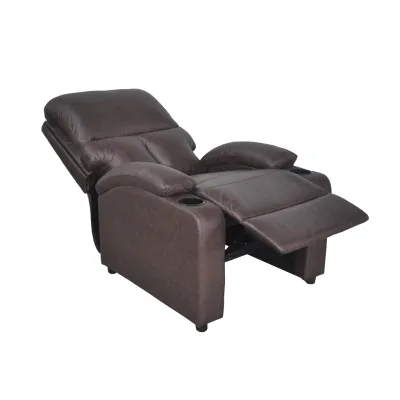
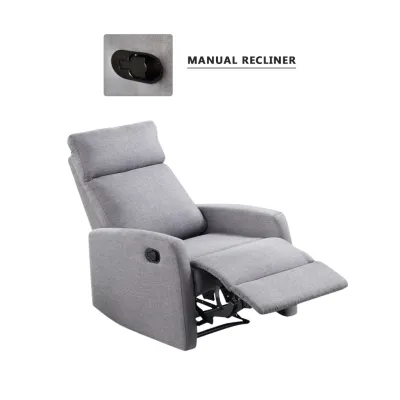
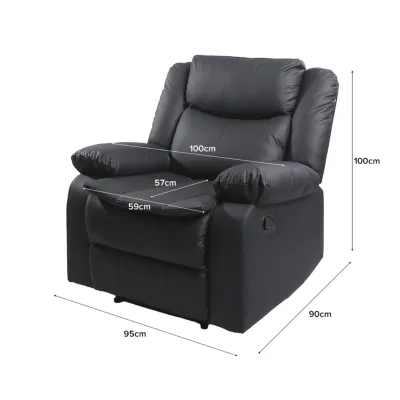
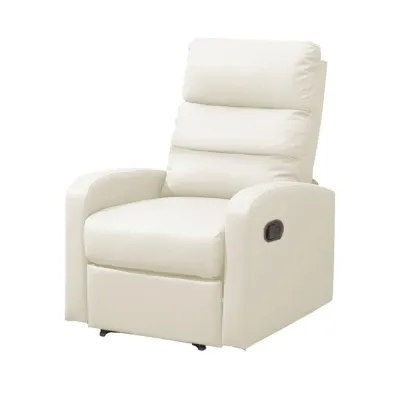
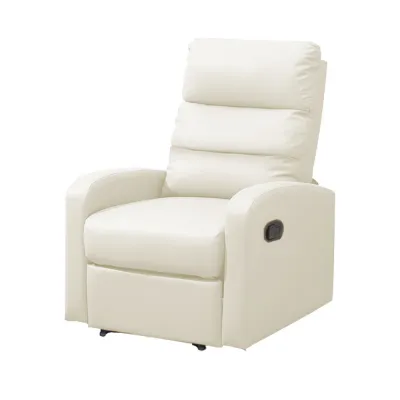
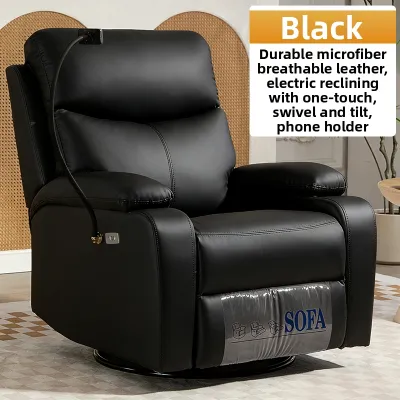
Prices are valid at publication and may change. Please refer to the product page for the latest price.
When reviewing a sofa’s specification sheet, pay close attention to three critical dimensions: overall width, overall depth, and diagonal depth. The diagonal depth is especially vital for logistics; it determines whether the sofa can be maneuvered through your HDB front door, narrow corridor turns, and the lift entrance. If you live in an older estate with narrower lift doors or have a tight corner leading to your unit, measure the lift cabin’s height, width, and depth, as well as the lift door frame clearance. Always check with the retailer if the sofa legs are detachable, as removing them can often save 10 to 15 centimeters of height during delivery, making tight squeezes much easier.
Beyond dimensions, look for structural features that enhance both visual space and daily comfort. Sofas with elevated legs (typically 12 centimeters or higher) create an illusion of openness by allowing light to pass underneath, which makes a small living room feel larger. This clearance also ensures that robot vacuums or standard mop heads can easily access the floor underneath to prevent dust buildup. Additionally, verify the fabric’s durability by checking its Martindale rub count on the product specification sheet. For daily residential use, a rub count of 15,000 to 20,000 is standard, while active households with children or pets should look for performance fabrics rated at 30,000 rubs or higher. Finally, check the cushion density; high-resiliency (HR) foam with a density rating of 30kg/m³ or higher offers the best balance of initial comfort and long-term support, preventing the seat from sagging prematurely.
Top Fabric One-Seater Sofa Styles for Compact HDB Layouts
Choosing the right style of fabric one-seater sofa depends on how you plan to use it and the specific layout constraints of your HDB flat. Rather than focusing on a single brand, it is more practical to evaluate different design archetypes that address common space challenges. By understanding the structural pros and cons of each style, you can select a piece that complements your interior design while maximizing your usable floor area.

Armless Slipper Chairs
An armless slipper chair is a low-profile seating option characterized by its lack of armrests and its relatively wide, deep seat. Because it lacks bulky arms, this style significantly reduces the overall width of the chair, often saving 15 to 20 centimeters of lateral space compared to traditional armchairs. This compact footprint makes slipper chairs exceptionally versatile; they can slide easily into narrow reading corners, sit neatly beside a media console, or serve as transitional seating between the living and dining areas.
The primary benefit of a slipper chair is its clean, unobstructed profile, which prevents visual clutter in tight spaces. However, the lack of armrests is a notable trade-off, as it offers less lateral support for long lounging sessions where you might want to lean to one side. To maximize comfort, look for slipper chairs with slightly angled backrests and pair them with a small, lightweight side table where you can rest your drinks or books. When inspecting these chairs, verify that the frame is constructed from sturdy kiln-dried hardwood or metal to ensure stability, as the armless design concentrates weight directly down the center of the frame.
Compact Mid-Century Armchairs
Compact mid-century modern armchairs are defined by their tapered wooden or metal legs, clean lines, and tailored fabric upholstery. This design style is highly favored in Singaporean BTO flats because of its “floating” aesthetic. By raising the bulk of the sofa off the ground, it preserves sightlines and allows you to see more of your flooring, which psychologically expands the perceived size of the room. This makes it an ideal fit for modern, Scandinavian, or Japandi interior themes that prioritize minimalism and natural light.
When shopping for a mid-century armchair, focus on the quality of the joints and the fabric weave. Look for frames featuring mortise-and-tenon joinery or reinforced corner blocks, which provide excellent stability without adding unnecessary bulk to the silhouette. The fabric should have a tight, flat weave—such as a linen blend or a flat-woven polyester—to maintain the crisp, tailored lines of the mid-century aesthetic. While these chairs offer excellent back support and a structured sit, they may feel firmer than plush, overstuffed designs, so consider adding a soft throw pillow to customize your lumbar support.
Small-Scale Fabric Recliners
For those who prioritize ultimate relaxation but have limited space, a small-scale fabric recliner offers a luxurious solution. Traditional recliners are notoriously bulky and require significant clearance behind them to tilt backward, making them impractical for tight HDB layouts. Modern “wall-hugger” recliners, however, utilize a specialized forward-sliding mechanism that allows them to fully recline while positioned just 5 to 10 centimeters away from the wall.
When selecting a compact recliner, it is crucial to measure both its closed footprint and its fully extended length. You must ensure that when the footrest is fully deployed, there is still adequate clearance between the recliner and your coffee table or TV console to maintain a safe walkway. Additionally, inspect the reclining mechanism’s warranty and check the fabric around the moving parts. Because recliners experience friction during operation, the fabric must be durable and securely upholstered to prevent premature wear. Opt for performance fabrics that resist stretching and pilling over time.
Quick Comparison: Matching Sofa Styles to Your HDB Layout
To help you determine which style best fits your specific living space, the following table summarizes the key characteristics, spatial requirements, and limitations of each design archetype.
| Sofa Style | Best HDB Placement | Space Requirement | Comfort Level | Key Limitation |
|---|---|---|---|---|
| Armless Slipper Chair | Narrow corners, bedroom nooks, beside TV consoles | Minimal width; needs no arm clearance | Moderate; best for short-term sitting | Lacks arm support for long lounging |
| Compact Mid-Century Armchair | Living room center, near windows, open layouts | Moderate width; requires leg clearance | Balanced; structured back support | Can feel firmer than overstuffed models |
| Small-Scale Fabric Recliner | Dedicated reading zones, corner relaxation spots | High depth clearance when fully extended | High; excellent for long-term lounging | Requires clear pathway for the footrest |
Maintaining Your Fabric Sofa in Singapore's Tropical Climate
Singapore’s high humidity and warm temperatures create a unique set of challenges for maintaining fabric furniture. To prevent your one-seater sofa from developing musty odors, mold, or dust mite infestations, a consistent care routine is essential. Start by vacuuming your sofa at least once a week using a clean upholstery attachment. This removes loose dust, skin flakes, and pet dander before they can settle deep into the fabric fibers.
Controlling indoor humidity is another critical step in preserving your fabric sofa. On particularly humid days, utilize air conditioning or a dedicated dehumidifier to keep indoor moisture levels between 50% and 60%. This simple step prevents the fabric fibers from absorbing excess moisture from the air, which can lead to musty smells and weaken the fabric over time. If your sofa is placed near a window, use sheer curtains to block direct sunlight, as prolonged exposure to UV rays can fade the fabric dye and degrade synthetic fibers.
When dealing with accidental spills, act quickly but carefully. Before applying any cleaning solution, locate the manufacturer’s care label on the sofa frame to identify its cleaning code:
- W: Use water-based cleaning agents only.
- S: Use mild, water-free dry-cleaning solvents only.
- WS: Water-based cleaners or solvent-based cleaners can be used.
- X: Clean only by vacuuming or light brushing; do not use liquid cleaners.
Always test any cleaning agent on a small, hidden area of the sofa first to check for colorfastness. Blot spills gently with a clean, dry microfiber cloth; never rub, as rubbing pushes the liquid deeper into the fibers and can damage the fabric’s texture. If you encounter stubborn stains or if your sofa requires a deep refresh, it is highly recommended to hire a professional upholstery cleaning service in Singapore to steam clean or dry-clean the piece safely without risking water damage or shrinkage.
Frequently Asked Questions (FAQ)
How do I know if a one-seater sofa will fit through my HDB lift?
To determine if a one-seater sofa will fit, measure the sofa’s diagonal depth—the distance from the top back corner of the frame to the front bottom corner of the opposite side. Compare this measurement to the height of your HDB lift door and the interior cabin dimensions. If the diagonal depth is less than the lift door’s height, the sofa can usually be tilted and maneuvered inside. Additionally, verify if the sofa legs are detachable, as removing them can significantly reduce the delivery profile and make navigating tight corridors and doorways much safer.
Is fabric or leather better for HDB flats with pets?
Both materials have distinct trade-offs for pet owners. While leather is easier to wipe clean of liquid spills and does not trap odors, it is highly susceptible to claw punctures and scratches, which can be difficult and expensive to repair. On the other hand, tightly woven performance fabrics—such as microfiber or heavy-duty synthetic blends—resist pet claws because they lack open loops that claws can catch on. These fabrics also hold up well to spot cleaning. If you choose fabric, look for materials treated with stain-resistant finishes and verify their rub-count ratings to ensure long-term durability.

Community discussion
Share your experience or ask a question. Comments are reviewed before publication.