
Finding the right furniture for a small Housing & Development Board (HDB) living room requires a careful balance of comfort, style, and spatial efficiency. Traditional bulky sofas with thick wooden frames and deep profiles can easily overwhelm a compact 2-room Flexi, 3-room, or 4-room Build-To-Order (BTO) flat, leaving little room to move comfortably. Fabric lazy sofas—ranging from adjustable floor recliners and structured bean bags to multi-fold convertible mattresses—have emerged as a highly practical alternative. By sitting low to the ground and eliminating heavy structural frames, these space-saving seating options keep sightlines clear, make low ceilings feel higher, and provide flexible comfort that can be easily rearranged or tucked away when not in use.
Unlike traditional sofas, which dictate a fixed layout, fabric lazy sofas adapt to your daily life. Whether you are hosting a casual gathering, setting up a cozy home theater experience, or looking for a quiet corner to read, these lightweight pieces can be repositioned in seconds. Upholstered in soft, textured fabrics, they bring warmth and tactile comfort to modern minimalist or Scandinavian-inspired HDB interiors without the visual weight of leather or solid wood. Selecting the perfect lazy sofa involves understanding how to balance floor space, material durability, and structural support to ensure your compact living room remains both highly functional and inviting.
What to Look for When Buying a Lazy Sofa for a Small Room
Dimensions and Footprint (Upright vs. Reclined)
When space is limited, measuring only the static footprint of a lazy sofa is a common mistake. Many adjustable floor recliners and convertible mattresses extend significantly when fully reclined or unfolded. A floor sofa that occupies a modest 80 cm by 80 cm when upright can easily stretch to 150 cm or 180 cm when laid flat for lounging or sleeping. Before purchasing, verify both the maximum upright dimensions and the fully extended footprint. Ensure that even at its maximum length, the sofa does not block main walkways, doorways, or access to electrical outlets and television consoles.
Products mentioned in this guide
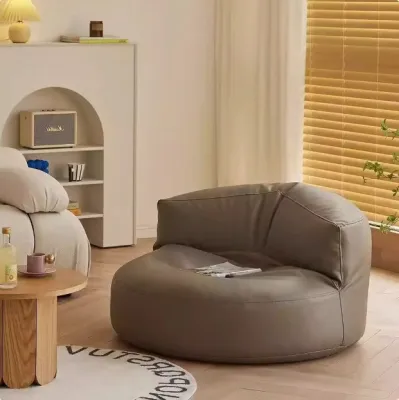


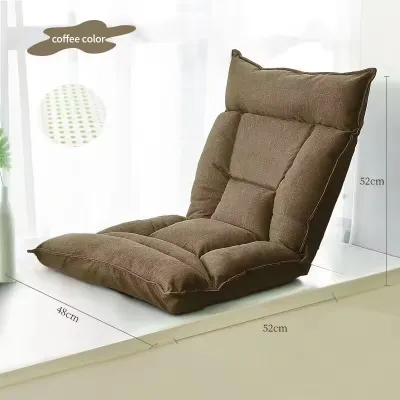
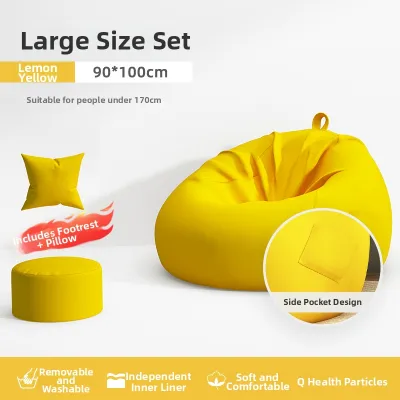
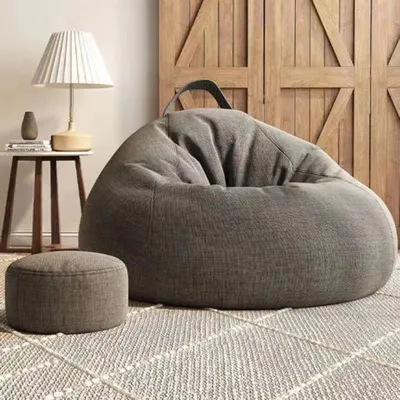


Prices are valid at publication and may change. Please refer to the product page for the latest price.
Fabric Breathability and Texture
Singapore’s tropical climate, characterized by high temperatures and humidity, demands careful consideration of upholstery materials. Synthetic fabrics like low-grade polyester or heavy velvet can trap body heat, leading to discomfort and sweating during extended lounging sessions. Instead, prioritize high-quality cotton-linen blends, textured canvas, or advanced breathable synthetics designed for high air circulation. These fabrics feel cool to the touch and offer a natural, matte texture that complements light-filled HDB interiors. Additionally, look for fabrics treated with water-resistant or stain-resistant finishes, which prevent spills from immediately soaking into the inner cushioning.
Structural Support and Filling
A lazy sofa should offer comfortable support rather than letting you sink completely onto the hard floor. For structured bean bags, look for high-density micro-beads (typically 0.5 mm to 1.5 mm in diameter) or shredded memory foam, which conform to your body shape while maintaining a supportive structure. For legless floor chairs and recliners, opt for high-density polyurethane (PU) foam with a density rating of at least 28 kg/m³ to 35 kg/m³. Low-density foam quickly flattens out over a few months of use, reducing comfort and creating a flat, unappealing look. If the sofa features an adjustable backrest, ensure the internal frame is made of reinforced steel with sturdy gear joints that lock securely into place.
Weight and Portability
One of the greatest advantages of a lazy sofa in a small HDB flat is its mobility. Lightweight designs—ideally under 12 kilograms—allow you to easily lift the sofa to vacuum underneath, move it to the balcony for a change of scenery, or store it in a closet when hosting guests. Avoid overly heavy models with solid wood internal bases unless they are equipped with built-in caster wheels or heavy-duty fabric handles. High portability ensures your living room remains dynamic, allowing you to reconfigure the layout whenever your spatial needs change.
Top Fabric Lazy Sofa Styles for Small HDB Living Rooms
Legless Floor Sofas with Adjustable Backrests
Legless floor sofas, often referred to as Japanese-style tatami chairs, feature an internal metal hinge system that allows the backrest to adjust to multiple angles. These pieces are ideal for HDB flats because they can be pushed flush against a wall, utilizing dead space that traditional sofas with angled legs cannot reach.

- The Single-Seater Tatami Recliner: A typical model measures approximately 55 cm in width and 120 cm in length when laid completely flat. Look for designs featuring heavy-duty steel gear joints (such as Japanese KOYO hinges) that offer 5 to 14 adjustable reclining angles. These chairs are perfect for solo gaming, reading, or working on a laptop at a low coffee table.
- The Compact Double-Seater Floor Lounger: Measuring around 120 cm in width, this style comfortably accommodates two adults without taking up the space of a standard love seat. It is an excellent choice for couples living in cozy 2-room or 3-room flats.
Limitations: Because these sofas sit directly on the floor, getting up requires a degree of core and leg strength. They may not be suitable for elderly family members or individuals with chronic knee, hip, or lower back issues.
Structured Fabric Bean Bags
Modern bean bags have evolved far beyond the shapeless, saggy sacks of the past. Structured bean bags utilize internal fabric panels (baffles) or dual-layer covers to maintain a defined chair-like shape, providing reliable back and neck support while keeping a neat, tidy profile.
- The High-Back Teardrop Bean Chair: With a typical base diameter of 80 cm to 90 cm and a height of 70 cm, this style features a naturally formed high backrest. When filled with premium micro-beads or shredded memory foam, it cradles the spine while keeping its upright shape even when unoccupied, preventing the messy, deflated look that can make a small room appear cluttered.
- The Dual-Texture Body Fit Cushion: Popularized by minimalist Japanese brands, this square or rectangular cushion measures around 65 cm by 65 cm. It features stretchy knit fabric on two sides and firm structured canvas on the other two. Sitting on the stretchy side allows the cushion to expand into a soft, low-lying lounger, while sitting on the canvas side keeps the cushion firm and upright for reading.
Limitations: Check the base diameter carefully. A bean bag with a wide, sprawling base can easily block narrow walkways in a compact living room, turning a cozy addition into a tripping hazard.
Foldable and Convertible Floor Mattresses
For HDB flats that lack a dedicated guest bedroom, foldable and convertible floor mattresses offer an ingenious dual-purpose solution. These pieces function as a low-profile sofa or daybed during the day and can be quickly unfolded into a temporary bed for overnight guests.
- The Tri-Fold Fabric Sofa Bed: This design consists of three connected high-density foam segments wrapped in a durable, zippered fabric cover. When folded, it serves as a comfortable, low-backed floor sofa with a seat height of around 30 cm to 40 cm. When unfolded, it extends into a full-length single or queen-sized mattress (approximately 190 cm in length).
- The Quad-Fold Ottoman Lounger: A highly modular option that folds into a compact cube or ottoman when not in use. It can be tucked under a desk, used as a footrest, or unfolded into a single chaise lounge or sleeping mat.
Limitations: To ensure long-term comfort, check the thickness of the foam, which should be at least 10 cm to 15 cm to prevent the user from feeling the hard floor underneath. Additionally, because they contain large blocks of solid foam, they can be visually bulky if left folded in the center of a small room.
How to Measure and Arrange Your HDB Living Room
Clearance and Walkways
To maintain a comfortable flow of movement in a compact HDB living room, aim for at least 60 cm to 80 cm of clear walking space around your lazy sofa. Before purchasing, map out the layout using blue painter’s tape on your floor. Mark the sofa’s dimensions in both its upright and fully reclined or unfolded states. Walk around the taped area to ensure you can easily access the balcony, dining table, kitchen, or hallway without having to squeeze past or step over the furniture.
Access Verification
While lazy sofas are generally more compact than traditional sofas, some pre-assembled floor loungers or large, high-density structured foam pieces do not compress easily. Before ordering, measure the clear opening width of your HDB passenger lift doors, the main entrance door frame, and any narrow internal hallways. Standard HDB main doors typically have a clear opening of 90 cm to 100 cm, while lift doors are often around 80 cm to 90 cm wide. Ensure that the packaged dimensions of your chosen sofa can easily clear these entry points to avoid delivery complications.
Layout Integration
To create a cohesive look, pair your fabric lazy sofa with other low-profile furniture. A low coffee table with a height of 30 cm to 35 cm keeps the visual plane consistent and prevents the room from feeling disjointed. You can also use a textured area rug to define the relaxation zone, anchoring the lazy sofa and creating a cozy, designated nook. If your living room must serve multiple purposes, place the lazy sofa near a window to create a secondary reading or meditation zone, leaving the central area of the room open for daily traffic.
Caring for Fabric Lazy Sofas in Singapore's Climate
Routine Cleaning
Because lazy sofas sit directly on or very close to the floor, they are highly susceptible to gathering dust, hair, skin flakes, and pet dander. Establish a routine of vacuuming your sofa at least once a week. Use an upholstery brush attachment to gently loosen dust from the fabric fibers, paying close attention to deep seams, tufted buttons, and the folds of adjustable hinges where debris easily accumulates.
Spot Cleaning
Accidental spills should be treated immediately to prevent permanent staining. Always check the manufacturer’s care label for specific cleaning codes before applying any liquid. For water-safe fabrics, blot the spill immediately with a clean, dry microfiber cloth—never rub, as rubbing pushes the liquid deeper into the fabric and damages the fibers. If a stain persists, mix a few drops of mild, pH-neutral dish soap or specialized upholstery cleaner with lukewarm water. Dampen a soft cloth with the solution, gently dab the stain from the outside edges inward, and blot dry with a clean towel.
Moisture Management
Singapore’s high relative humidity can cause moisture to become trapped underneath floor-level furniture, creating an ideal breeding ground for mold, mildew, and dust mites. To prevent this, lift your lazy sofa off the floor at least once a week to allow both the underside of the sofa and the floor tiles to air out completely. On sunny days, position the sofa near a well-ventilated window to dry, but avoid prolonged exposure to harsh, direct midday sunlight, which can fade and weaken fabric fibers. Utilizing a home dehumidifier or running your air conditioner on dry mode can also help maintain a healthy, moisture-free indoor environment.
Frequently Asked Questions (FAQ)
Are lazy sofas bad for your back?
Lazy sofas are designed primarily for casual, short-term relaxation rather than extended hours of upright task work or study. Because floor-level seating naturally encourages a slightly reclined posture, prolonged use of a model that lacks adequate structural support can cause you to slouch, putting strain on your lower back and neck. To protect your spine, look for lazy sofas with built-in adjustable steel frames, high-density foam cores, or structured contours that support the natural curve of your lumbar region. If you plan to sit for longer periods, place a small, firm lumbar support cushion behind your lower back and ensure your knees are bent at a comfortable angle. Individuals with pre-existing mobility issues, chronic joint pain, or severe back conditions may find floor-level seating difficult to exit and should opt for traditional elevated seating instead.
How do I clean a non-removable fabric lazy sofa cover?
If your fabric lazy sofa does not have a removable, machine-washable outer cover, you can keep it clean using dry or low-moisture cleaning methods. Start by thoroughly vacuuming the entire surface to remove loose dirt. To deodorize the fabric, sprinkle a thin, even layer of baking soda over the sofa, let it sit for 15 to 30 minutes to absorb odors and moisture, and then vacuum it off completely. For deeper cleaning, use a specialized dry-foam upholstery cleaner. Apply the foam to the fabric, gently work it in with a soft-bristled brush, and wipe away the residue with a clean, damp microfiber cloth. Always use the minimum amount of moisture possible to prevent water from soaking deep into the inner foam or bead filling, which can lead to internal mold growth. Allow the sofa to dry completely in a well-ventilated room with a fan running before using it again.

Community discussion
Share your experience or ask a question. Comments are reviewed before publication.