
Quick Guide: Choosing the Right Lazy Sofa Tatami for HDBs
In Singapore’s high-density housing landscape, maximizing floor space while maintaining a cozy, functional home is a constant balancing act. A fabric lazy sofa tatami—essentially a low-slung, legless seating solution inspired by traditional Japanese floor cushions but modernized with thick padding and adjustable reclining gears—has become a popular alternative to bulky traditional three-seaters. These low-profile pieces offer a relaxed, minimalist aesthetic that makes compact HDB living rooms feel significantly more open and airy.
However, transitioning to floor-level living involves distinct trade-offs. While a lazy sofa tatami excels at saving space and offering flexible seating configurations, it inherently lacks the high-off-the-ground support of standard sofas. Cheap, poorly constructed models can lead to physical discomfort and quickly lose their shape, leaving you sitting on a flattened cushion with the metal frame pressing against your back. To make a successful purchase for your HDB flat, you must evaluate three core criteria: a compact and adaptable footprint, a highly breathable and durable fabric cover that can withstand Singapore’s tropical humidity, and a high-density foam or spring core that provides lasting structural integrity.
Space Planning: Measuring Your HDB Living Room for Floor Sofas
Modern HDB flats, particularly newly built BTO (Build-To-Order) units, feature living areas where every square centimeter counts. Introducing floor-level seating changes the spatial dynamics of the room. Because a lazy sofa tatami sits directly on the floor, it preserves your vertical sightlines, making the ceiling feel higher and allowing natural light from windows and balcony doors to penetrate deeper into the space. This visual trick can make a compact 3-room or 4-room living area feel much larger than its physical dimensions suggest.
Products mentioned in this guide
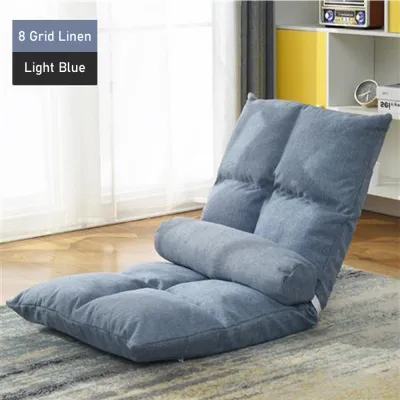
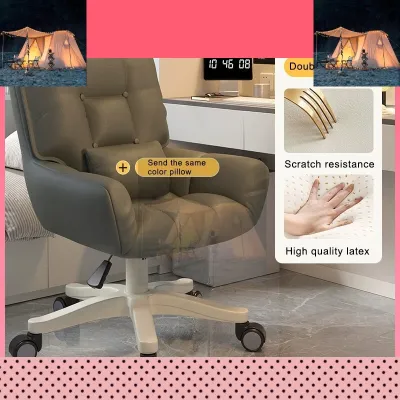
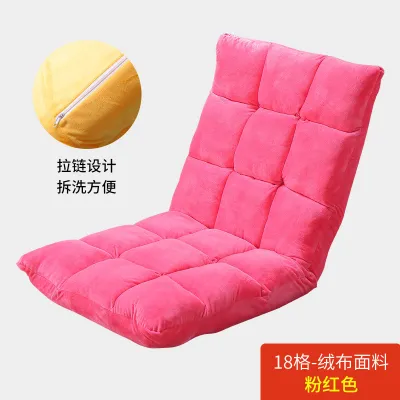
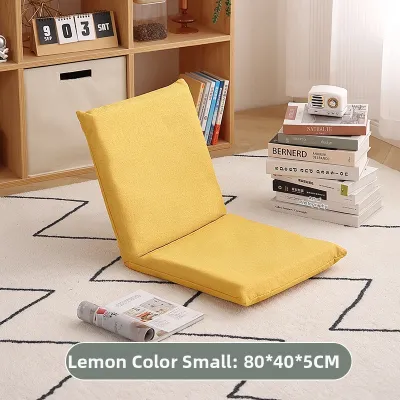
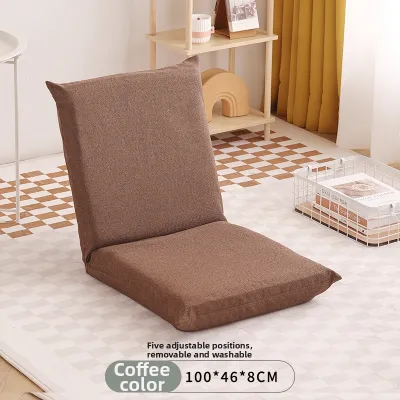
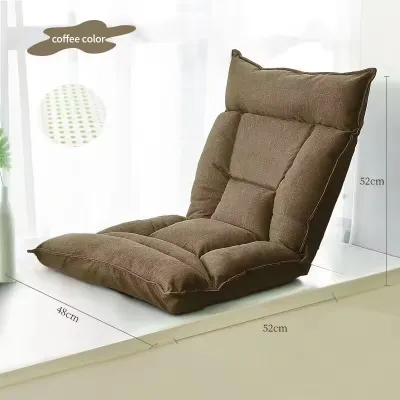
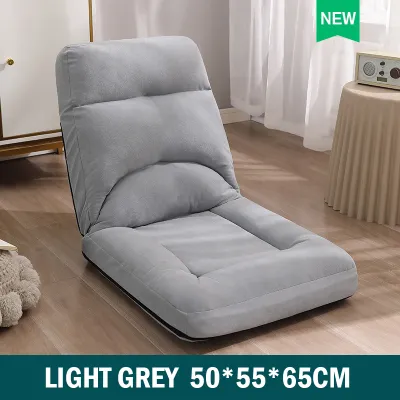
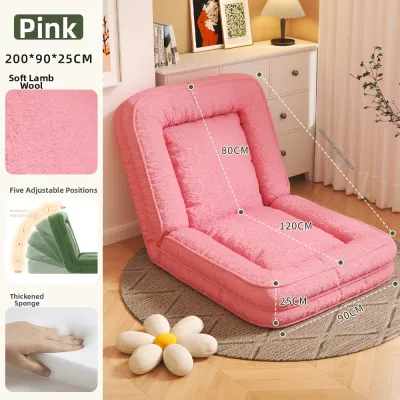
Prices are valid at publication and may change. Please refer to the product page for the latest price.

Despite this optical benefit, careful floor planning is essential to prevent the sofa from obstructing daily foot traffic. Unlike standard sofas with fixed dimensions, many tatami-style sofas feature multi-angle adjustable backrests that can recline completely flat to double as a daybed or guest mattress. When planning your layout, you must measure both the upright footprint and the fully reclined footprint. Ensure there is a clear walkway of at least 60 to 75 centimeters between the fully extended sofa and adjacent furniture, such as your TV console, coffee table, or household shelter door.
Delivery logistics present another critical checkpoint for HDB dwellers. Although tatami sofas are generally more compact than traditional sofas, modular or multi-seater floor beds can still be bulky when packaged. Before placing an order, measure the width of your HDB main entrance door (typically 85 to 90 centimeters) and any narrow corridor turns leading into your living room. If you live in an older resale HDB block with half-landing elevators, confirm whether the delivery path requires carrying the package up stairs, as this may incur additional handling fees from the retailer.
How to Evaluate Fabric Quality and Back Support
Selecting a floor-level sofa requires a close look at material specifications. Because the furniture sits directly on the floor where dust settles and body heat accumulates, the fabric and internal support structures must meet rigorous standards.
Fabric Types and Climate Suitability
Singapore’s warm, humid climate demands highly breathable upholstery to prevent sweat absorption and subsequent odor or mold issues.
- Cotton-Linen Blends: These natural fibers are highly breathable and feel exceptionally cool against the skin, making them ideal for non-air-conditioned living rooms. However, they are prone to wrinkling and absorb spills quickly. Always verify if the cover is fully removable and machine-washable before purchase.
- Velvet: While velvet offers a luxurious texture and deep color, synthetic velvet can trap body heat and feel uncomfortably warm without continuous air conditioning. If you choose velvet, ensure it has a high Martindale abrasion rating (at least 20,000 rubs) to guarantee durability.
- Performance and Technology Fabrics: Often marketed as "tech fabric," these synthetic polyesters are engineered to mimic the texture of leather while retaining fabric breathability. They offer excellent stain and water resistance, allowing you to wipe off spills with a damp cloth. However, breathability varies significantly across brands; check the manufacturer's care labels and material specifications rather than assuming inherent anti-mold properties.
Filling, Support, and Internal Frames
The comfort of a legless sofa depends entirely on what is inside. Budget options often rely on cheap shredded foam or low-density polyester fiberfill, which flattens within a few months of daily use. For lasting lumbar support, look for high-resilience (HR) polyurethane foam with a density rating of at least 30kg/m³ to 45kg/m³. This density ensures the cushion contours to your body while retaining its shape over years of use. Some premium models incorporate pocket springs wrapped in high-density foam, providing a level of support comparable to a high-quality mattress.
Furthermore, a quality lazy sofa tatami must feature a robust internal steel frame. Look for models equipped with reinforced joints and heavy-duty reclining mechanisms—such as Japanese KOYO hinges—which allow you to adjust the backrest and headrest through multiple locking angles. This structural support is vital for maintaining healthy spinal alignment during extended sitting sessions.
Base Construction and Floor Protection
Because tatami sofas sit directly on the floor, they are prone to sliding when you sit down or lean back. To prevent this, quality brands use a heavy-duty, non-slip base fabric covered in rubberized micro-dots. This non-slip backing keeps the sofa securely in place and acts as a protective barrier, preventing the internal metal frame from scratching delicate HDB flooring materials like vinyl, parquet, or polished porcelain tiles.
Recommended Brand Profiles for HDB-Friendly Lazy Sofas
When shopping for a fabric lazy sofa tatami in Singapore, targeting reputable brands with verifiable specifications ensures you receive a product that fits both your space and quality expectations. Below is an overview of brand categories and specific options suitable for HDB flats.
Specialists in Modular and Convertible Floor Sofas
For homeowners seeking maximum versatility, brands that specialize in modular, convertible floor furniture are ideal. These brands design multi-functional pieces that easily transition from a structured low sofa to a flat daybed or a play mat for children.
Local space-saving specialists like Spaceman and various premium local e-retailers offer modular floor blocks and folding tatami mattresses. These products utilize high-density foam cores and heavy-duty polyester performance fabrics that resist wear and tear. Their modular nature allows you to arrange the seating to suit your daily activities, and they can be easily stacked and stored in a closet or against a wall when you need to clear the floor for home workouts or hosting guests.
Leaders in Ergonomic Lazy Sofa Chairs
If your priority is individual comfort and structured lumbar support, brands focusing on ergonomic single-seater lazy chairs are the best fit.
MUJI is the benchmark for this category in Singapore. Their High Back Reclining Sofa is a premium floor-level option featuring a robust steel frame and high-density urethane cushioning. It features independent adjustment mechanisms for both the backrest and the headrest, allowing you to find the perfect angle for reading, watching television, or napping. MUJI offers a variety of high-quality, replaceable fabric covers—including breathable cotton-linen blends and durable polyester canvas—ensuring the sofa can adapt to changes in your interior design over time.
Value and Premium Fabric Options
Balancing your budget against material longevity is a key step in the purchasing process. Brands like IUIGA cater to budget-conscious buyers, offering compact, adjustable floor chairs and mini tatami sofas at accessible price points (typically under S$150). These entry-level options generally feature high-density foam cores, multi-angle Japanese gear regulators, and removable, washable cotton-linen covers. While they lack the structural customization of premium brands, they offer excellent value for secondary seating in study rooms or cozy corners.
For premium performance, investing in brands that offer specialized stain-resistant fabrics and pocket-spring cores ensures your sofa remains comfortable and pristine for years. The table below outlines the key differences between these common product categories available in Singapore:
| Brand / Model Category | Typical Upright Footprint | Primary Fabric Options | Structural Core & Support | Best Suited For |
|---|---|---|---|---|
| Value Floor Chairs (e.g., IUIGA Style) | 50 cm x 60 cm x 10 cm | Cotton-linen blend, fully removable and washable | High-density polyurethane foam with multi-angle steel hinge | Budget-conscious buyers, study rooms, and temporary seating |
| Premium Reclining Sofas (e.g., MUJI Style) | 86 cm x 104 cm x 17 cm | Customizable polyester canvas, cotton-linen, or denim | Steel frame, high-density urethane foam, independent neck/back joints | Extended lounging, gaming, and dedicated living room relaxation |
| Modular Convertible Daybeds (e.g., Spaceman / Specialty Style) | 90 cm x 190 cm x 15 cm (flat) | Heavy-duty polyester performance fabric, water-resistant | High-resilience foam layers, foldable hinge joints, no metal frame | Multi-functional HDB rooms, overnight guests, and flexible living |
Pre-Purchase Checks: Delivery, Fit, and Comfort Verification
Before finalizing your purchase, conduct a few practical checks to ensure your chosen fabric lazy sofa tatami meets your expectations in real-world conditions.
First, if you are purchasing from a retailer with a physical showroom in Singapore, take the time to visit and test the sofa in person. Sit on it for at least ten to fifteen minutes to evaluate the firmness of the foam and the ease of adjusting the reclining gears. If you are buying online, ask the retailer if they can provide fabric swatches. Testing a fabric swatch in your HDB flat is highly recommended; indoor lighting can vary dramatically between warm LED downlights and natural daylight, and a color that looks perfect online may look entirely different in your living room.
Second, carefully review the retailer’s warranty policy. Reclining hinges are mechanical parts subject to repetitive stress and wear. Ensure the manufacturer covers the internal steel frame and gear mechanisms under warranty for at least one year. Additionally, clarify the return policy: some retailers do not accept returns on furniture once it has been unboxed, while others offer a trial period.
Finally, confirm the delivery details with the retailer before checkout. Specify your HDB block layout, particularly if there are any steps leading to your lift lobby or if your lift is undergoing maintenance. Providing these details upfront prevents unexpected delivery delays or extra charges on delivery day.
Daily Maintenance and Humidity Care for Fabric Tatami Sofas
Because a lazy sofa tatami sits directly on the floor, it requires a more consistent maintenance routine than a raised sofa to protect it from dust, hair, and tropical humidity.
- Routine Vacuuming: Vacuum your sofa at least once a week using a clean upholstery brush attachment. Dust, pet dander, and skin cells settle quickly on the floor, and regular vacuuming prevents these particles from grinding into the fabric fibers and attracting dust mites.
- Spot Cleaning and Washing: Address spills immediately to prevent permanent staining. For removable covers, wash them according to the manufacturer's care label—typically a gentle, cold cycle to prevent shrinkage. For non-removable covers, use a specialized fabric foam cleaner. Always test the cleaner on an inconspicuous area on the bottom of the sofa first to ensure it does not discolor the fabric.
- Cushion Rotation: If your tatami sofa consists of modular blocks, rotate and flip the cushions every few weeks. This distributes body weight evenly across the foam core, preventing localized sagging and extending the lifespan of the high-density foam.
- Moisture and Mold Prevention: Singapore's relative humidity frequently exceeds 80%, creating an environment highly conducive to mold growth. Because the bottom of a tatami sofa rests flat on the floor, air cannot circulate underneath, which can trap moisture rising from cold floor tiles or vinyl. To prevent mold, lift the sofa off the floor at least once a week and lean it against a wall in a well-ventilated area to let the base dry completely. Avoid placing the sofa directly against cold external walls where condensation can form, and consider using a dehumidifier in your living room during the monsoon season.
Frequently Asked Questions (FAQ)
Are fabric lazy sofas suitable for elderly users or those with back pain?
Generally, floor-level lazy sofas are not recommended for elderly individuals or anyone suffering from chronic back or joint pain. The low seating position requires deep knee flexion, hip mobility, and significant core strength to sit down and stand up, which can place excessive strain on sensitive joints. For these users, traditional sofas with a standard seat height of 40 to 45 centimeters and firm lumbar support are much safer and more comfortable. If you have mobility concerns, consult a healthcare professional before purchasing floor-level seating.
How do I prevent mold on a tatami sofa in a humid climate?
To prevent mold on your tatami sofa in Singapore’s humid climate, prioritize consistent airflow and moisture management. Never place the sofa directly against cold, uninsulated walls or in dark, poorly ventilated corners. Prop the sofa upright weekly to let the bottom surface dry completely. If you use air conditioning, run a dehumidifier occasionally to keep indoor relative humidity below 60%. Always ensure the fabric cover is completely dry before zip-closing it after washing, and strictly follow the manufacturer’s cleaning and drying instructions to avoid trapping moisture inside the high-density foam core.
Community discussion
Share your experience or ask a question. Comments are reviewed before publication.