
Finding the perfect balance between style, comfort, and space efficiency is a common challenge for homeowners in Singapore. With modern Housing & Development Board (HDB) flats featuring increasingly compact floor plans, every piece of furniture must earn its keep. Traditional, bulky sofas and heavy pull-out bed systems can easily overwhelm a living room, leaving little space for movement. A fabric folding sofa offers an elegant, dual-purpose solution, transforming a cozy daytime seating area into a comfortable sleeping space for guests without sacrificing precious square footage.
Choosing the right brand and model requires understanding how these versatile pieces fit into your specific home layout. From navigating narrow doorways to selecting fabrics that can withstand Singapore’s high humidity, making an informed decision ensures your investment remains durable and comfortable for years to come. This guide breaks down the essential criteria for evaluating folding sofas, categorizes the local brand landscape, and offers practical tips for space planning and maintenance.
Why HDB Layouts Require Specialized Folding Sofas
Modern HDB layouts, particularly Build-To-Order (BTO) flats, require a thoughtful approach to space planning. The living room serves as the central hub for family gatherings, dining, and relaxation, meaning that floor space is at a premium. When hosting overnight guests, setting up a temporary sleeping arrangement can be difficult if you do not have a dedicated guest room. A folding sofa solves this dilemma by serving as a primary seating option during the day and converting into a bed only when needed.
Products mentioned in this guide
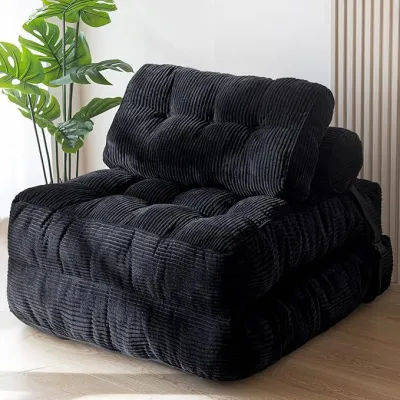
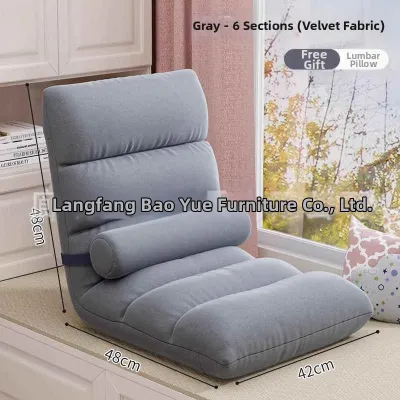
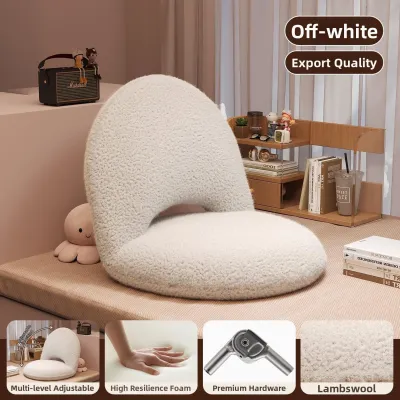
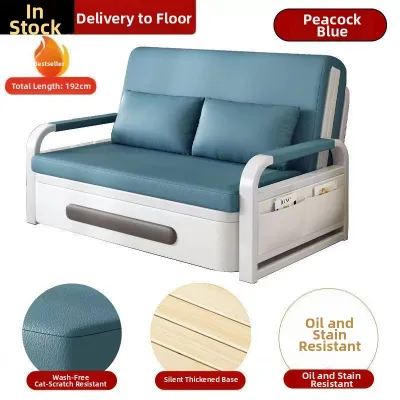
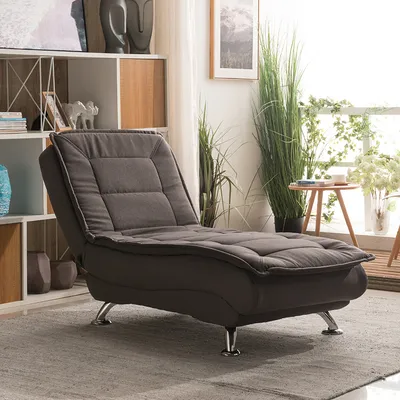
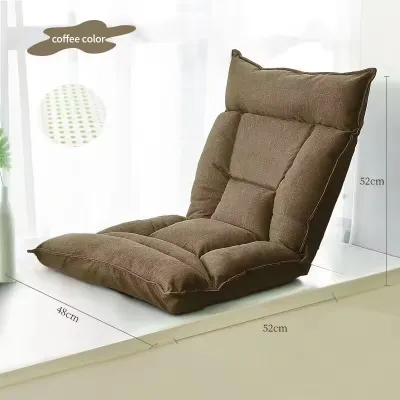
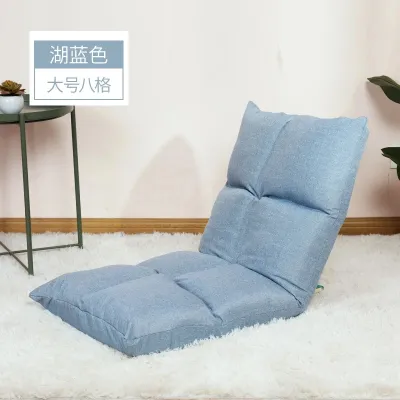
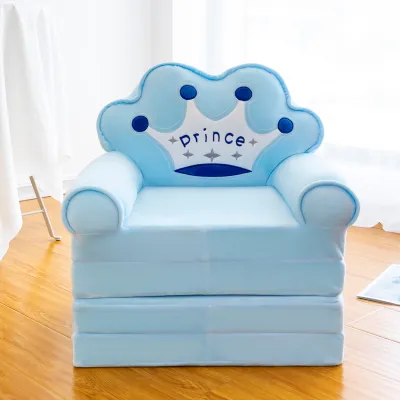
Prices are valid at publication and may change. Please refer to the product page for the latest price.
Unlike traditional pull-out sofa beds, which often feature heavy, hidden metal frames and separate roll-out mattresses, a true folding sofa utilizes a more streamlined mechanism. In these designs, the seat cushion and backrest fold flat to create a continuous sleeping surface. This integration eliminates the excessive weight and bulk of a secondary mattress frame, making the sofa much easier to operate and significantly lighter. The reduced footprint allows you to maximize your living area without feeling cramped.
Proportional sizing is another critical factor when selecting a sofa for an HDB flat. A sofa that is too deep or excessively wide can block walkways, restrict access to the balcony or service yard, and disrupt the overall flow of the room. A specialized folding sofa designed with a compact depth and clean lines ensures that the furniture remains proportional to your living space. This careful balance of scale and functionality is key to maintaining an open, airy feel in a smaller home.
Key Criteria for Evaluating Folding Sofa Brands
To ensure your folding sofa stands up to regular use, it is essential to evaluate the build quality and engineering standards of different brands. Focusing on key structural components will help you identify a reliable piece of furniture that offers long-term durability.

Mechanism Durability The folding mechanism is the most critical component of a dual-purpose sofa. Look for brands that utilize reinforced steel or heavy-duty metal alloy hinges rather than lightweight aluminum or plastic connectors. When visiting showrooms, test the mechanism yourself by folding and unfolding the sofa multiple times. The movement should feel smooth, controlled, and secure, without any grinding noises or excessive resistance. Frame construction is equally important; solid hardwood frames, such as kiln-dried birch or oak, offer superior resistance to warping in humid environments compared to basic engineered wood.
Cushion and Mattress Integrity Since the sofa cushions serve as the sleeping surface when unfolded, the quality of the foam determines both seating and sleeping comfort. Low-density foam cushions tend to sag quickly, causing you or your guests to feel the hard structural frame underneath. Prioritize brands that use high-density resilient (HR) foam, pocket springs, or natural latex layers. These materials provide optimal pressure relief, distribute body weight evenly, and maintain their shape over years of daily transitions.
Warranty and Local Support Mechanical furniture is naturally more susceptible to wear and tear than static pieces. Before making a purchase, verify the brand’s local warranty coverage in Singapore. A reputable brand should provide a warranty of at least one to three years on the folding mechanism and up to five years or more on the internal frame. Choosing a brand with a physical presence or dedicated customer support team in Singapore ensures that you can easily obtain replacement parts or professional assistance if a mechanical issue arises.
Delivery and Assembly Services Folding sofas can be heavy and awkward to transport due to their integrated metal frames. Navigating narrow HDB corridors, lift doors, and metal gates requires care and experience. It is highly recommended to choose a brand that offers comprehensive delivery and professional on-site assembly services. Experienced delivery teams can safely maneuver the sofa into your flat, assemble the complex hinges, and verify that the mechanism operates perfectly before they leave.
Navigating Furniture Brand Categories in Singapore
The furniture retail landscape in Singapore offers several distinct brand categories, each catering to different design preferences, spatial needs, and budgets. Understanding these categories helps you target the right showrooms and online stores for your specific requirements.
Scandinavian and Minimalist Design Brands
Scandinavian-inspired brands are highly popular among Singaporean homeowners seeking a clean, modern, or “Japandi” aesthetic. These brands focus on minimalist silhouettes, slim tapered legs, and neutral fabric options like soft greys, beiges, and muted pastels. These design choices help create an illusion of spaciousness, making them ideal for smaller HDB living rooms. However, because minimalist designs prioritize a sleek, low-profile look, the cushioning on these folding sofas can sometimes be on the thinner side. When shopping in this category, it is important to sit on the sofa for an extended period to ensure the foam density provides adequate support for both lounging and sleeping.
Local and Customizable Furniture Makers
If your HDB flat has a unique layout—such as a living room with an awkward structural column, a bay window, or a tight corner near the household shelter—a standard off-the-shelf sofa may not fit. Local customizable furniture makers in Singapore offer the ideal solution by allowing you to specify the exact dimensions of your folding sofa. Furthermore, these brands provide access to extensive physical fabric swatches, enabling you to select the precise texture and color that complements your interior design. While customizable sofas generally represent a higher financial investment, starting from approximately S$1,500, the ability to tailor the piece to your exact floor plan offers unmatched spatial efficiency.
Budget-Friendly and Modular Retailers
For first-time BTO flat owners, renters, or those working with a strict budget, mass-market and modular furniture retailers offer highly accessible options. These brands provide ready-made folding sofas in standardized sizes, often with immediate stock availability and prices starting below S$800. While these budget-friendly options are convenient, it is crucial to inspect the folding mechanisms closely in person. Some lower-cost models utilize lighter-duty hinges or softer pine frames that require gentle handling. To ensure longevity, look for models with simple, robust folding actions, such as a direct click-clack mechanism, which has fewer moving parts and is less prone to mechanical failure.
Selecting the Right Fabric for Singapore's Tropical Climate
Singapore’s year-round high humidity and warm temperatures require careful consideration when choosing upholstery fabrics. The wrong material can trap body heat, absorb moisture, and deteriorate quickly, leading to an uncomfortable seating and sleeping experience.
Breathability and Moisture Natural fabric blends, such as cotton-linen or bamboo-viscose, are highly recommended for Singapore’s climate. These fibers allow air to circulate freely, preventing the buildup of heat and moisture when you sit or sleep on the sofa for long periods. Performance fabrics engineered with moisture-wicking and quick-drying properties are also excellent choices. In contrast, synthetic leathers like polyurethane (PU) or PVC should generally be avoided unless your living room is constantly air-conditioned. In humid weather, these materials can feel sticky against bare skin and are highly susceptible to peeling or cracking over time due to sweat and ambient moisture.
Durability and Maintenance Fabric durability is measured using the Martindale method, which rates how many rubs a fabric can withstand before showing wear. For standard residential use, look for fabrics with a Martindale rating of at least 15,000 to 20,000 rubs. If you have children, pets, or plan to use the folding sofa frequently, opt for heavy-duty fabrics rated at 30,000 rubs or higher. Removable and machine-washable fabric covers are highly advantageous, as they allow you to wash away sweat, dust mites, and spills easily. If the sofa covers are non-removable, look for fabrics treated with stain-resistant nano-coatings that prevent liquids from soaking into the fibers immediately.
Texture and Comfort Avoid heavy, dense synthetic fabrics such as thick polyester velvet or high-pile chenille if your living room relies primarily on ceiling fans for cooling. These textures tend to trap heat and can feel uncomfortably warm during the afternoon. Instead, choose flat-woven fabrics, low-pile microfibers, or textured linen blends. These materials offer a cool-to-the-touch feel while still providing a cozy, welcoming appearance that enhances your living room’s overall aesthetic.
Space Planning and Measurement for HDB Living Rooms
Before purchasing a fabric folding sofa, taking accurate measurements of your home is essential. A folding sofa occupies two different footprints depending on its configuration, and both must be carefully planned to ensure a functional living space.
Dual-Footprint Measurement First, measure the “sofa footprint,” which is the width and depth of the unit when it is in the upright seating position. Ensure it fits comfortably along your designated wall without blocking light switches, power outlets, or the entryway. Next, measure the “bed footprint” by extending the tape measure to the full length of the sofa when it is completely unfolded. It is vital to maintain at least 50 to 60 centimeters of walking clearance around the extended bed. This ensures that family members can move safely around the room without having to squeeze past other furniture or trip over the edges of the bed.
Clearance for Operation Different folding mechanisms require varying amounts of operational clearance. Some classic “click-clack” folding sofas require you to pull the entire frame away from the wall by 10 to 20 centimeters before the backrest can be lowered. If you have limited space and want to place the sofa flush against the wall, look for “zero-wall” folding designs or pull-out drawer styles. These mechanisms extend entirely forward into the room, leaving the backrest position unchanged and eliminating the need to constantly shift heavy furniture.
Delivery Access Checks A common oversight is failing to measure the path the sofa must take to reach your living room. Before placing your order, measure the height, width, and depth of your HDB lift carriage to ensure the boxed sofa can fit inside. You should also measure the width of your main front door frame and the clearance of your metal security gate. If your flat has unique architectural features or requires stair access, measure the turning clearance of the staircase landings. Sharing these dimensions with your retailer beforehand helps prevent delivery complications and unexpected return fees.
Routine Maintenance for Fabric and Folding Mechanisms
With proper care and routine maintenance, you can significantly extend the lifespan of your fabric folding sofa, keeping both the upholstery and the internal mechanisms in excellent condition.
Fabric Care Dust, dirt, and skin cells can act as fine abrasives that wear down fabric fibers over time. Vacuum your sofa weekly using a soft brush upholstery attachment, paying close attention to the seams, corners, and the crease where the seat and backrest meet. For accidental spills, act quickly by blotting the liquid with a clean, dry microfiber cloth. Never rub or scrub the stain, as this can push the liquid deeper into the foam cushioning. Always check the manufacturer’s care label on your specific sofa before applying any commercial fabric cleaners or spot treatments.
Mechanism Upkeep The moving metal joints and hinges of a folding sofa require occasional inspection to ensure they continue to operate smoothly. Every six months, inspect the underside or rear of the sofa to check for any loose screws, bolts, or brackets, tightening them gently if necessary. If you notice any squeaking or stiffness when folding the sofa, apply a small amount of manufacturer-approved dry silicone lubricant to the pivot joints. Avoid using heavy household oils or standard WD-40, as these can attract dust and debris, which may clog the mechanism over time.
Cushion Care Because folding sofas are subjected to concentrated pressure from daily sitting, certain areas of the cushions may begin to sag faster than others. If your sofa design features removable and reversible cushions, flip and rotate them every three to six months to distribute the wear evenly. For non-removable cushions, regularly plump and smooth out the foam by hand. This simple practice helps redistribute the internal filling, restores the sofa’s shape, and ensures consistent support for both sitting and sleeping.
Frequently Asked Questions (FAQ)
Can a fabric folding sofa be used as a primary bed for everyday sleeping?
While high-quality fabric folding sofas are excellent for hosting occasional overnight guests, they are generally not recommended as a primary bed for daily, long-term use. The seams, hinges, and structural gaps inherent in folding mechanisms can create uneven pressure points that may lead to back discomfort over time. Additionally, the foam layers in folding sofas are typically thinner than those in dedicated mattresses to allow the unit to fold compactly. If you must use a folding sofa for daily sleeping, look for premium models featuring pocketed spring cores or thick high-density latex layers, and consider using a removable mattress topper to bridge any gaps.
How do I clean fabric sofa covers that are not removable?
Before attempting to clean non-removable fabric covers, locate the manufacturer’s cleaning code label, which is typically found underneath the sofa frame or inside a cushion seam. These codes include W (use water-based cleaners), S (use solvent-based dry-cleaning agents), WS (either water or solvent-based), or X (vacuum and brush only, no liquids). For water-safe fabrics, apply a mild upholstery shampoo or a highly diluted mixture of gentle dish soap and warm water using a damp microfiber cloth, taking care not to saturate the fabric. Over-wetting can cause moisture to penetrate deep into the internal foam and wood frame, leading to mold growth or rusting of the metal folding mechanism. For deep stains or delicate fabrics, hiring a professional local upholstery cleaning service in Singapore is the safest option.

Community discussion
Share your experience or ask a question. Comments are reviewed before publication.