
To maximize space and comfort in a Singapore Housing & Development Board (HDB) flat, selecting the right furniture requires balancing relaxation with strict spatial limits. A fabric chaise lounge sofa offers the perfect layout for stretching out, but its extended footprint can easily overwhelm a standard living room if not chosen carefully. Finding the best option means matching the sofa’s configuration, fabric breathability, and delivery dimensions to the specific layout of your home.
By focusing on modularity, reversible components, and climate-appropriate textiles, you can secure a sofa that elevates your living space without compromising daily functionality. This guide breaks down the essential steps to measure, select, and prepare for your fabric chaise lounge sofa within the unique context of HDB living.
How to Choose a Fabric Chaise Lounge Sofa for Your HDB
When planning your living room layout, walkways should ideally maintain at least 60 to 80 centimeters of clear space. This ensures household members can walk past the sofa comfortably without squeezing or bumping into other furniture. It is critical to account for the swing of balcony sliding doors, the projection of your TV console, and the rotation clearance of ceiling fans. A sofa that looks modest in a spacious showroom can easily block these essential pathways once placed in a 3-room or 4-room HDB living room.
Products mentioned in this guide
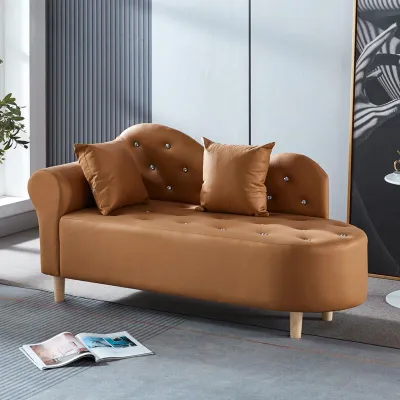
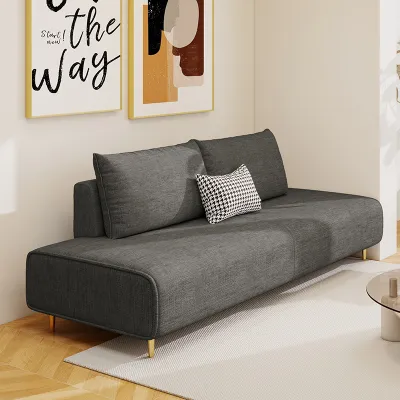
![[CozyNest ]Technology Leather Sofa Single Small Family Living Room Bedroom Double Small Sofa Pure Leather Lazy Sofa Chaise Longue](https://img.lazcdn.com/g/p/6134af5683251ccb3ff74bf02372768f.jpg_webp_400x400q80.jpg_.webp)
![[CozyNest ]Technology Leather Sofa Single Small Family Living Room Bedroom Double Small Sofa Pure Leather Lazy Sofa Chaise Longue](https://img.lazcdn.com/g/p/575524ffc51766e5985c2b563f62d55a.jpg_webp_400x400q80.jpg_.webp)
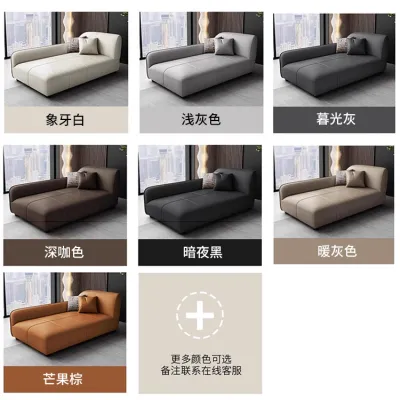
![[Cozy ]Italian Style Light Luxury Living Room Leather Art Chaise Lounge Simple Ho Homestay Bedroom Bed End Stool Lazy Sofa Chaise Lounge](https://img.lazcdn.com/g/p/552ed6bae9200596c1fdecbca5f81448.jpg_webp_400x400q80.jpg_.webp)
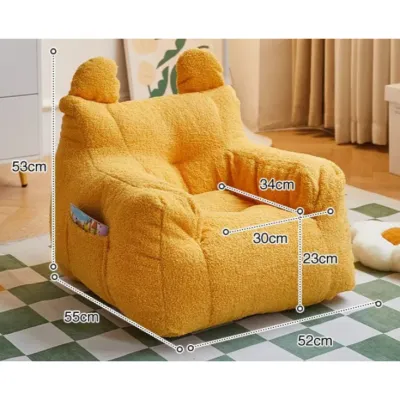
Prices are valid at publication and may change. Please refer to the product page for the latest price.
Determining the correct chaise orientation requires analyzing your room’s natural traffic flow. The chaise should sit on the side that does not obstruct your primary walking paths. For instance, if your main entrance or kitchen walkway runs along the left side of the living room, a right-facing chaise is generally preferred to keep the entry open. Additionally, check the location of wall power outlets and light switches. Blocking these with a high sofa back or a deep chaise creates daily inconveniences and restricts access to chargers or media ports.
Before making a final purchase, you must verify that the sofa can physically enter your home. HDB flats often present tight physical constraints before the furniture even reaches your living room door. Measuring the lift door height, corridor corner angles, and the clear width of your main door frame is a critical first step. Many delivery failures occur because buyers assume a standard sofa will easily navigate the sharp turns of older HDB corridors or standard service lifts.
Top Fabric Chaise Lounge Sofa Configurations for HDB Spaces
Modular Sectionals with Detachable Chaise
These configurations are highly suited for 4-room and 5-room HDB flats where the living area is wider, allowing for a deeper seating arrangement without cramming the space. They offer a balanced blend of comfort and adaptability for families who require versatile seating options.

The primary benefit of a modular design is long-term flexibility. You can position the chaise on either side or completely detach it to use as a standalone seat when hosting guests. This flexibility makes it easier to adapt the furniture if you decide to rearrange your living room or relocate to a new flat in the future. However, modular sofas can develop physical gaps between the sections over time as people sit and move on them. Additionally, you must verify the strength and stability of the connector hardware underneath; weak brackets can cause the modules to slide apart on smooth flooring.
Buying Checklist
- Locking mechanism: Ensure the sections use heavy-duty steel alligator clips or interlocking brackets rather than simple drop-in plastic hooks.
- Fabric alignment: Inspect the seams and weave patterns where the modules meet to confirm they align seamlessly without mismatched lines.
- Module weight: Ensure each piece is heavy enough to resist sliding but light enough for two people to move safely during cleaning.
Compact L-Shape Sofas with Reversible Chaise
This setup is ideal for compact 3-room or smaller 4-room HDB layouts where a fixed, oversized chaise would permanently block access to a balcony, window, or hallway. It provides the lounging benefits of an L-shape without the permanent spatial commitment.
Reversible designs typically utilize a movable ottoman and a reversible seat cushion that can be flipped to support the chaise on either the left or right side. This allows you to change your living room layout at any time without buying new furniture. The main trade-off is that reversible chaises often have slightly less seating depth and support compared to fully integrated, fixed-frame chaises. You may also notice a visible seam where the separate ottoman cushion meets the main sofa frame, which can collect dust and debris over time.
Buying Checklist
- Cushion stability: Ensure the long reversible cushion does not slide forward or lift at the back when you sit on the edge of the chaise.
- Ottoman base: Check that the movable ottoman has non-slip floor protectors or rubberized feet to prevent it from sliding away from the main frame on vinyl or tile floors.
- Fabric durability: Look for reinforced stitching along the edges of the reversible cushion, as these areas experience double the friction from being flipped and moved.
Apartment-Sized Chaise Sofas with Hidden Storage
Highly practical for HDB households that lack dedicated utility rooms or built-in storage cabinets, this configuration offers a hidden space to store bulky items like winter wear, extra bedding, or cushions.
Integrating storage directly into the chaise section maximizes every square inch of your floor plan. Lift-up mechanisms, usually powered by gas-assist hydraulic hinges, make accessing this hidden compartment relatively straightforward. However, storage sofas are significantly heavier than standard models, making them difficult to move for cleaning. The solid base required for the storage compartment also means there is little to no clearance underneath, preventing robot vacuums from cleaning under the sofa and requiring manual lifting to reach accumulated dust.
Buying Checklist
- Hydraulic hinges: Ensure the lift mechanism features high-quality gas struts with safety locks that hold the heavy chaise cushion open securely without risk of sudden snapping.
- Fabric slack: Verify that the fabric around the hinge area has enough built-in slack to prevent tension, tearing, or stretching when the compartment is fully opened.
- Storage depth: Confirm the internal dimensions are sufficient for your intended storage items, and check if the compartment base is reinforced to support heavier loads without bowing.
Choosing the Right Fabric for Singapore's Tropical Climate
Singapore’s high humidity and warm temperatures require careful consideration of fabric composition. In a living room that relies on natural ventilation or ceiling fans rather than constant air conditioning, synthetic fabrics like standard polyester can trap body heat, leading to a sticky and uncomfortable seating experience. Natural fiber blends, such as cotton-linen mixes, offer superior breathability and a cooler feel against the skin. However, pure natural fibers can wrinkle easily and may stretch over time, so a blend that combines the breathability of linen with the structural strength of high-quality synthetic fibers often provides the best balance for tropical living.
Daily life in an HDB flat involves spills, dust, and general wear. Many modern sofas feature “performance fabric” labels, but it is crucial to understand that performance does not mean completely stain-proof. Some fabrics rely on chemical coatings that can wear off after repeated cleaning, while others use tightly woven synthetic yarns that naturally resist liquid penetration. When evaluating a fabric, look for tightly woven textures that prevent dust and pet hair from embedding deeply into the fibers, making routine cleaning much easier.
For long-term hygiene in a dusty urban environment, sofas with fully removable and washable slipcovers are highly advantageous. Being able to strip off the covers and wash them helps eliminate dust mites, sweat odors, and accidental stains that accumulate over years of use. If you choose a sofa with fixed upholstery, ensure you have a clear plan for professional deep cleaning or spot-treating spills immediately to prevent permanent discoloration.
Before applying any cleaning solution, fabric protector, or water to your sofa, you must locate and verify the manufacturer’s cleaning code on the physical care tag. These standardized codes dictate what cleaning methods are safe: “W” allows water-based cleaners, “S” requires dry-cleaning solvents only, “WS” permits either, and “X” means the fabric should only be vacuumed or brushed without any liquids. Ignoring these codes can lead to shrinkage, color bleeding, or permanent damage to the fabric fibers, which is rarely covered under standard furniture warranties.
Essential Pre-Delivery and Assembly Checklist for HDB Flats
To avoid the frustration of a sofa that cannot reach your living room, perform a thorough physical walkthrough of the delivery path. Start by measuring the interior dimensions of your HDB block’s service lift, paying close attention to the door opening height, the internal ceiling height, and the diagonal depth from the front corner to the back corner. Next, measure the width of the corridors, especially if there are tight turns around pillars or fire escape doors. Finally, measure the clear opening of your main door frame and any internal grilles, ensuring there is at least a few centimeters of clearance on all sides for the delivery team to maneuver.
Understand how your chosen sofa will be delivered before finalizing your order. Some fabric chaise lounge sofas arrive fully assembled as a single, massive frame, while others are delivered in flat-pack boxes or modular sections that are assembled on-site. Fully assembled models are highly stable but are the most difficult to transport through tight spaces. If a large sofa cannot fit into the HDB lift, you may face steep delivery surcharges for manual staircase carrying, or you might even need to arrange for specialist hoisting, which can exceed the cost of the sofa itself. Always ask the retailer for the exact packaging dimensions and weight of each box before finalizing your purchase.
HDB flats commonly feature vinyl, laminate, or ceramic tile flooring, all of which are susceptible to scratching and indentation from heavy furniture. During the assembly and positioning process, ensure the delivery team uses protective blankets on the floor. Before the sofa is placed in its final position, install heavy-duty felt pads or rubber coasters under every leg or contact point. For modular or storage sofas that carry extra weight, placing a durable area rug underneath can distribute the load more evenly, preventing permanent pressure marks on vinyl and laminate floors while adding a layer of style to your living room.
Frequently Asked Questions (FAQ)
Will a standard chaise lounge sofa fit into an HDB service lift?
Whether a chaise lounge sofa fits into an HDB service lift depends entirely on the sofa’s packaging dimensions and the specific lift model in your HDB block. Standard HDB lifts vary in size, with older blocks often having smaller lift cabins and narrower doors than newer Build-To-Order (BTO) developments. To ensure a smooth delivery, ask your furniture retailer for the exact carton dimensions of all packages. Compare these figures against your lift’s door width, internal height, and diagonal depth; if the packaged sofa is longer than the lift is tall, it must be tilted diagonally, which requires sufficient depth and ceiling clearance inside the cabin.
How do I prevent my fabric sofa from absorbing odors in a humid climate?
Preventing odors in Singapore’s humid climate requires consistent, low-risk maintenance. Start by vacuuming your fabric sofa at least once a week using an upholstery attachment to remove dust, skin flakes, and pet dander before they settle deep into the fibers. Ensure your living room remains well-ventilated by opening windows on dry days, or use a dehumidifier or air conditioner regularly to keep indoor humidity levels below 60%. If you wish to freshen the fabric, use only manufacturer-approved fabric sprays or lightly mist the surface with a highly diluted fabric freshener, ensuring the sofa dries completely. Avoid heavy wetting or unverified DIY chemical mixtures, as trapped moisture in a warm environment will promote mold and mildew growth inside the cushioning.

Community discussion
Share your experience or ask a question. Comments are reviewed before publication.