
To protect your furniture from dust without inviting mold in Singapore’s tropical climate, the best material for a dust cover sheet is a high-density synthetic weave, such as Oxford polyester, or a breathable poly-cotton blend. These materials strike the ideal balance by blocking fine dust particles while allowing moisture vapor to escape. Using a completely non-breathable cover in a humid environment can trap ambient moisture, turning your protected furniture into a breeding ground for mold and mildew.
Before selecting a cover, always check your furniture manufacturer’s care instructions, especially for delicate materials like untreated hardwood, genuine leather, or antique fabrics. If instructions conflict or if the furniture material is highly sensitive to moisture, consult a furniture care professional before covering it for extended periods.
Why Singapore's Tropical Humidity Changes Your Dust Cover Strategy
Singapore’s climate presents a unique challenge for home preservation. With relative humidity levels frequently exceeding 80% year-round and temperatures remaining consistently warm, dust protection cannot be treated as a simple barrier. When you drape a dust cover sheet over indoor furniture, you are not just keeping dust off the surface; you are also altering the microclimate surrounding the piece.
Products mentioned in this guide
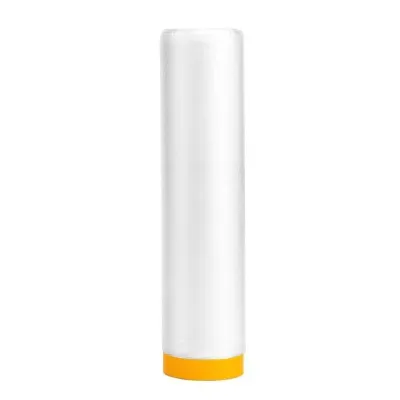
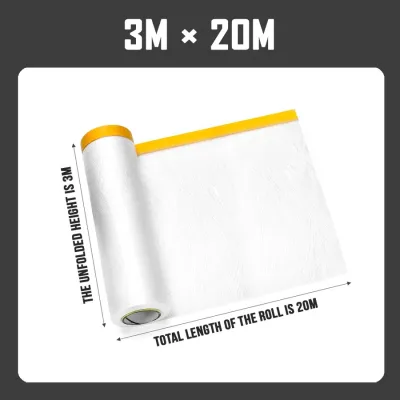
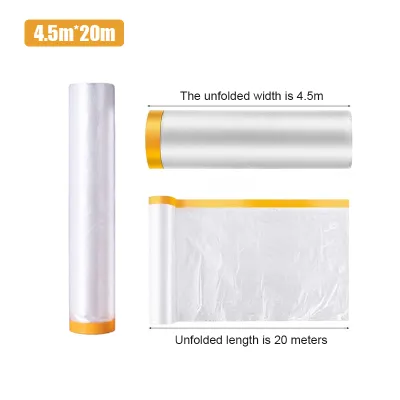
![[2-3 Days Delivery] 4.5m x 20m Plastic Dust Cover Protective Plastic Sheet Disposable Furniture Dustproof Cover Protective Cover Plastic Cover Plastic Film for Home Improvement CNY Gift Present](https://img.lazcdn.com/g/p/37fceab8fc43d4b3b58593d55aae9bcb.jpg_400x400q80.jpg_.webp)
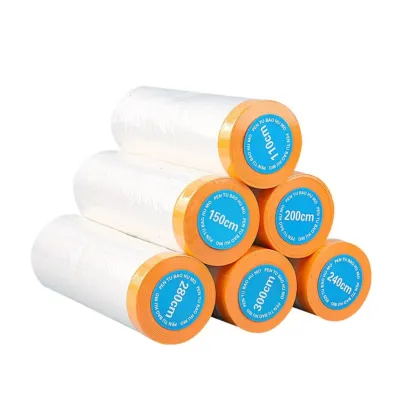
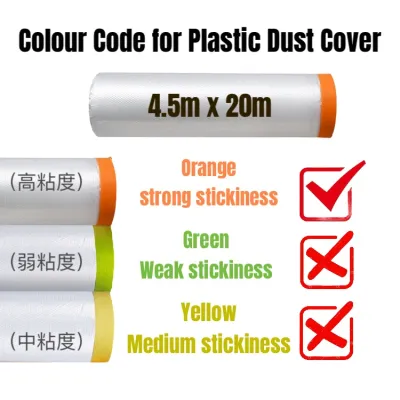
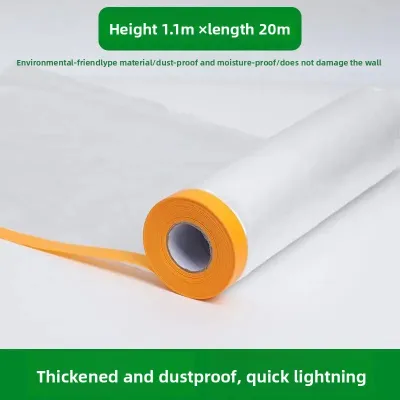
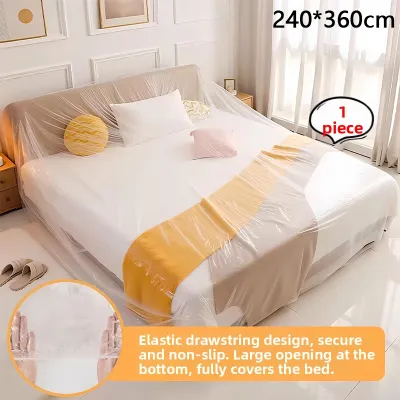
Prices are valid at publication and may change. Please refer to the product page for the latest price.
In a typical Singaporean household, temperature fluctuations are common. Switching on the air conditioning cools the room, but when the unit is turned off, the indoor temperature rises quickly while the air remains humid. Under a non-breathable cover, this temperature swing creates a localized “greenhouse effect.” The warm, humid air trapped beneath the sheet cools down, causing moisture to condense directly onto the furniture surface.
Over time, this trapped condensation leads to wood warping, veneer peeling, and rapid mold growth. Therefore, the primary objective of a dust cover in Singapore shifts from absolute blockage to active moisture management. The ideal material must allow air to circulate freely to prevent condensation, while still maintaining a weave tight enough to filter out airborne dust and household debris.
Your choice also depends on where the furniture is located. For items stored in fully indoor, dry areas, maximizing breathability is the priority. For furniture placed in semi-outdoor spaces, such as sheltered balconies or patios, the cover must offer a higher degree of water resistance to guard against wind-blown rain, but it must still incorporate ventilation features to prevent humidity buildup.
Evaluating Dust Cover Sheet Materials for High-Humidity Environments
Selecting the right dust cover sheet requires evaluating how different materials behave when exposed to persistent atmospheric moisture. A material that works perfectly in a dry, temperate climate can fail catastrophically in Singapore’s humid air.

To make an informed decision, you must evaluate materials based on four primary criteria: breathability (the ability to let moisture vapor escape), dust filtration efficiency (the ability to block fine particles), water resistance (protection against accidental spills or ambient dampness), and ease of cleaning.
It is important to remember that generic material names on product listings do not guarantee performance. You must look closely at the specific weave density, protective coatings, and care instructions on the product label to ensure the cover is suitable for high-humidity use.
Breathable Fabrics (Cotton, Canvas, and Blends)
Natural fabrics and their blends are traditional choices for indoor furniture protection, valued primarily for their soft texture and high air permeability.
- Pros: Excellent breathability is the main advantage of natural fibers. They allow air to circulate constantly, which prevents moisture from pooling on wood finishes or leather upholstery. This continuous airflow significantly reduces the risk of mold growth.
- Cons: The primary drawback is that natural fibers are highly hygroscopic, meaning they readily absorb moisture from the surrounding air. In Singapore's humid climate, a 100% cotton sheet can become damp over time just by absorbing ambient humidity. Additionally, looser weaves may allow fine dust to settle through the fabric onto the furniture.
- What to check on the label: Look for tight-weave canvas or poly-cotton blends. The addition of polyester improves durability and reduces the fabric's overall moisture retention. Ensure the care label indicates that the cover is machine-washable and tumble-dry compatible; thorough drying at high temperatures is essential to eliminate any accumulated mold spores.
Synthetic Weaves (Polyester, Nylon, and Oxford Cloth)
Synthetic woven fabrics represent a highly practical middle ground, offering excellent durability and balanced environmental protection for modern homes.
- Pros: Synthetic fibers like polyester and nylon do not absorb water, meaning they will not hold onto ambient moisture the way cotton does. Woven synthetic fabrics, particularly Oxford cloth (often labeled as 210D or 600D polyester), feature tight weaves that block fine dust, pet dander, and pests effectively while remaining lightweight and easy to handle.
- Cons: If a synthetic cover is treated with a heavy, continuous plastic backing or polyurethane coating without any ventilation, it loses its natural breathability and can trap humid air underneath.
- What to check on the label: Verify the denier (D) rating, which indicates fabric thickness; a mid-range denier (such as 210D to 420D) offers a great balance of strength and lightness for indoor use. Look for fabrics treated with a Durable Water Repellent (DWR) finish rather than a fully waterproof plastic lining, and ensure the product description mentions built-in ventilation features.
Fully Waterproof Plastics (PEVA, PVC, and Vinyl)
Fully impermeable plastic covers are designed for maximum barrier protection, but they require extreme caution when used in tropical climates.
- Pros: These materials provide a 100% waterproof and dustproof barrier. They are completely impervious to liquid spills, heavy rain, and airborne grime, and they can be easily wiped clean with a damp cloth.
- Cons: Plastic covers have zero breathability. In Singapore's warm and humid climate, wrapping indoor wood or leather furniture in a sealed plastic cover is highly risky. Any moisture present on the furniture or in the air at the moment of covering will be sealed inside, rapidly creating a humid microclimate that promotes severe mold growth within a few days.
- What to check on the label: Only purchase these covers if the label explicitly states they are designed for outdoor use and feature large, active ventilation panels. Avoid using fully sealed plastic covers for long-term indoor storage unless the room is continuously dehumidified and you check the furniture regularly.
Crucial Design Features to Check Before Buying
Beyond the base material, the physical design and construction of a dust cover sheet determine how well it manages humidity and protects your furniture over time.
- Ventilation Panels: For synthetic and plastic covers, built-in mesh vents are critical. These vents allow a continuous cross-breeze to pass under the cover, letting warm, moist air escape while the solid fabric sections keep falling dust off the furniture. Look for vents protected by overhanging fabric flaps to prevent dust from entering through the mesh.
- Closure Mechanisms: How the cover secures at the bottom affects airflow. Full-length zippers can create a tight seal that traps air. In contrast, drawstrings, adjustable straps, and elastic hems allow you to secure the cover while leaving a slight gap at the bottom. This gap promotes natural air convection, allowing cooler air to enter from below and push warm, humid air out through the vents.
- Seam Construction: High-quality covers feature double-stitched or taped seams. In a humid climate, weak seams can trap dust and moisture in their crevices, leading to localized mold growth. Taped or reinforced seams prevent dust ingress and ensure the cover can withstand frequent machine washing without fraying.
- Size and Fit: Accurate measurements of your furniture are essential before purchasing a cover. A cover that is too tight will press directly against the furniture surfaces, restricting airflow and putting excessive tension on the seams. Conversely, an oversized cover will drape loosely, creating deep fabric folds where moisture can pool and dust can accumulate. Aim for a fit that leaves a 1-to-2-inch clearance from the floor to maximize lower ventilation.
Cleaning and Maintenance to Prevent Mold in Humid Conditions
Even the best dust cover sheet can become a source of mold if it is not maintained properly. Establishing a simple, regular care routine is essential to keep both the cover and your furniture in pristine condition.
- Routine Airing: Do not leave your furniture covered indefinitely. Every few weeks, especially during the humid monsoon seasons, remove the cover entirely. Let both the furniture and the sheet air out in a well-ventilated room. Doing this on a dry, sunny day or in an air-conditioned room with a dehumidifier running helps clear out any micro-condensation before mold can take root.
- Washing Guidelines: Dust covers accumulate organic dust, skin cells, and pet dander over time, which serve as food sources for mold spores. Wash fabric and synthetic covers periodically according to the manufacturer's care label. Always use a mild detergent. Crucially, ensure the cover is 100% dry before placing it back on your furniture. Hang it in direct sunlight or use a clothes dryer if the care label permits; putting a slightly damp cover back onto wood or fabric upholstery will quickly cause mildew.
- Spot Cleaning vs. Full Wash: For heavy-duty synthetic or plastic covers that cannot go into a washing machine, spot clean the surfaces regularly. Use a damp cloth and a mild, pH-neutral soap to wipe away dust and spots. After cleaning, wipe the cover down with a dry towel and let it air dry completely in a well-ventilated space before reuse.
- Storage of the Cover: When your furniture is uncovered and the sheet is not in use, store it properly to prevent it from absorbing moisture. Fold the clean, dry cover and place it inside a breathable cotton storage bag. Avoid storing your dust covers in sealed plastic bins or damp cabinets, as trapped residual moisture can cause the fabric to develop a musty odor and mold while in storage.
Frequently Asked Questions (FAQ)
Can I use a regular bedsheet as a dust cover in a humid room?
While a regular cotton bedsheet is highly breathable and cost-effective, it is not an ideal long-term dust cover sheet. Bedsheets typically have a looser weave that allows fine dust particles to settle through the fabric onto your furniture. Furthermore, they lack water-repellent treatments, tailored fits, elastic hems, and ventilation panels, meaning they can easily slide off, pool on the floor, and absorb ambient moisture, which increases the risk of mold.
How often should I wash or air out my dust cover sheets?
In Singapore’s high humidity, you should air out your covered furniture and sheets every two to four weeks, particularly during the rainy monsoon seasons when indoor humidity peaks. Wash the dust cover sheet every three to six months, or immediately if you notice a musty odor, dampness, or visible dust accumulation. Always ensure the cover is completely dry before putting it back on your furniture.
Community discussion
Share your experience or ask a question. Comments are reviewed before publication.