
Finding dining chairs that fit both your style and your small Singapore apartment can feel like a puzzle. The best approach is to choose designs that maximize physical space and create a sense of visual lightness. Styles like armless chairs, transparent acrylic models, stackable options, and backless benches are excellent choices for compact HDB flats and condos. The right chair for you will balance daily comfort with the need to keep walkways clear, ensuring your dining area is both functional and inviting.
What to Look for in Space-Saving Dining Chairs
Before you start shopping, it helps to know the specific features that make a dining chair suitable for a smaller home. By focusing on these criteria, you can filter your options effectively and avoid a dining area that feels cramped.
First, consider a chair’s visual weight. This refers to how bulky or heavy it appears. Chairs with slim legs, open-back designs, or wire frames take up less visual space, making the room feel larger. Transparent materials, like clear acrylic, are champions at this, as they almost disappear into the background.
Products mentioned in this guide
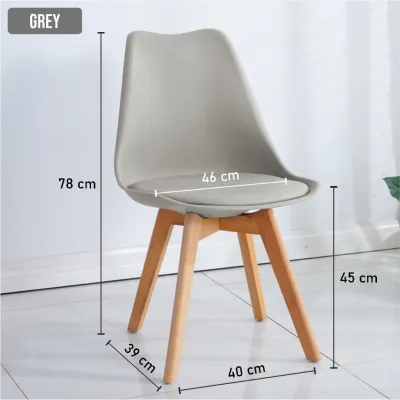
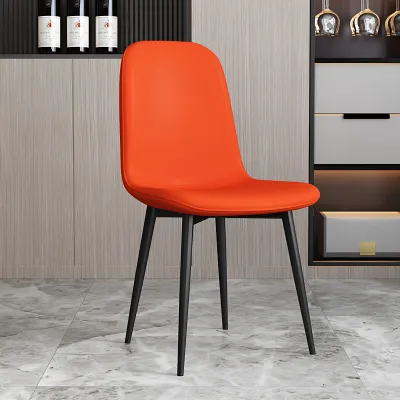

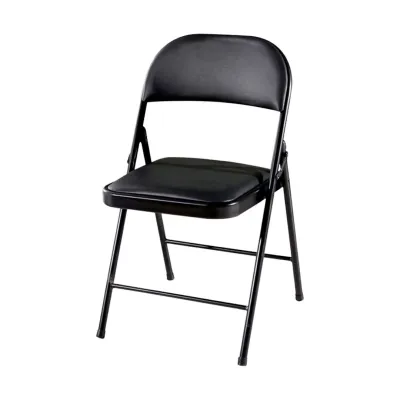
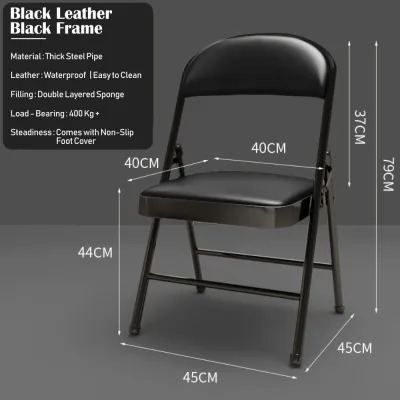
Prices are valid at publication and may change. Please refer to the product page for the latest price.
Next, assess the physical footprint. Armless dining chairs are a top choice for small spaces because they can be pushed in closer to the table, freeing up valuable floor space. Pay attention to the seat depth and overall width to ensure the chair doesn’t obstruct a major walkway, even when pulled out. The goal is for chairs to tuck neatly under the table when not in use.
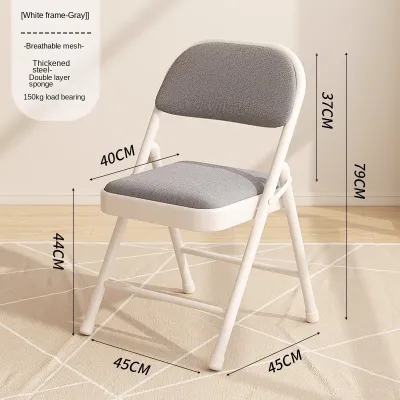
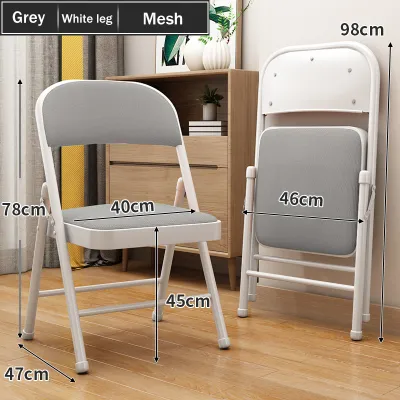
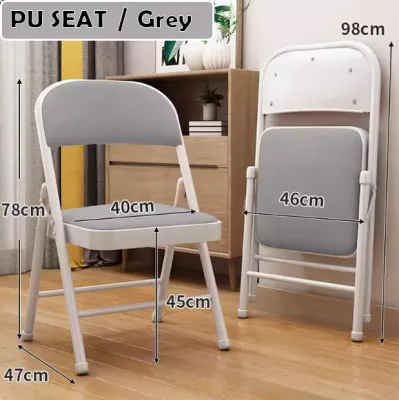
Also, think about flexibility and storage. If you enjoy hosting but lack the space for a large, permanent dining set, stackable or folding chairs are a practical solution. You can store them in a closet or corner and bring them out only when needed. This allows your dining area to double as a workspace or play area during the day.
Finally, weigh the trade-off between ergonomics and space. A plush, oversized chair might be comfortable for long dinners, but it could make a small dining nook feel congested. In many open-concept Singapore apartments, maintaining clear traffic flow is essential. Look for a comfortable middle ground: a chair with a supportive back and a reasonably padded seat that still maintains a slim profile.
Top Dining Chair Styles for Compact Singapore Apartments
Certain design styles are inherently better suited to the challenges of a small dining area. Here are the top categories to consider, along with their specific benefits and potential drawbacks.

Stackable and Folding Chairs
For ultimate flexibility, stackable and folding chairs are hard to beat. They are ideal for homes where the dining space serves multiple purposes or for those who frequently host guests but don’t want extra chairs cluttering the room permanently. When the party’s over, you can simply stack them in a corner or fold them away for storage.
When choosing this style, check the stability of the design. For folding chairs, verify that the locking mechanisms are secure and easy to operate. For stackable chairs, ensure they nest neatly without scratching or damaging each other. Be aware that some folding designs may prioritize portability over long-term ergonomic support, making them better for occasional use rather than as your primary, everyday dining chairs.
Transparent Acrylic and Wire Frame Chairs
If your main goal is to make your dining area feel more open and airy, these chairs are an excellent choice. Transparent acrylic chairs, often called “ghost” chairs, have a minimal visual impact, which is especially useful in darker corners or narrow spaces. They trick the eye into seeing more of the floor and the room beyond, creating an illusion of spaciousness.
Wire frame chairs offer a similar benefit with an industrial or modern aesthetic. The open-frame construction allows light and sightlines to pass through freely. The main consideration for acrylic is its susceptibility to fine scratches over time, so be mindful of cleaning methods. With both styles, you can easily add a slim, removable seat pad or a sheepskin throw to increase comfort without adding permanent visual bulk.
Armless and Slim-Profile Chairs
Armless dining chairs are a classic solution for tight spaces. The absence of arms means you can fit more chairs around the table and, more importantly, tuck them completely underneath when they’re not in use. This simple feature is crucial for maintaining clear pathways in a compact condo or HDB layout.
When considering this style, the most important step is to measure the height from the floor to your dining table’s apron (the frame directly beneath the tabletop). Ensure the chair’s seat and back can slide underneath this apron without obstruction. These chairs come in countless designs, from slim upholstered models that offer comfort and color to molded plywood or plastic shells that provide a clean, minimalist look.
Backless Benches and Stools
Benches offer a versatile and efficient seating solution. A single bench can often seat three people in the same space that two individual chairs would occupy. Placed against a wall, a bench maximizes floor space. When not in use, a backless bench or stool can be pushed entirely under the dining table, making it virtually disappear and completely opening up the walkway.
This style is perfect for families with children or for creating a more casual, communal dining experience. The main trade-off is the lack of back support, which can be uncomfortable for long, leisurely meals. Because of this, benches are often best used on one side of a table, paired with more supportive chairs on the other, or reserved for quicker meals and supplementary seating.
How to Measure Your Dining Space Before Buying
To avoid the disappointment of chairs that don’t fit, take careful measurements of your space before you make a purchase. A few minutes with a measuring tape can save you from a costly mistake.
First, focus on table compatibility. Measure the height of your dining table from the floor to the top surface. Then, measure the height from the floor to the bottom of the table apron. The chair’s seat height should allow for about 25-30 cm of clearance to the tabletop for comfortable legroom, and the chair itself must be low enough to slide under the apron. This is the single most common mistake people make.
Next, plan for walkway clearance. The general rule is to leave at least 60 cm of space behind a dining chair, from the edge of the table to the nearest wall or piece of furniture. This allows a person to get in and out of the seat without difficulty. For a major traffic path in an open-concept layout, aim for 90 cm to allow others to walk past a seated person comfortably.
Don’t forget to account for layout obstacles. In many HDB and condo layouts, the dining area is close to other functional zones. Check if your new chairs, when pulled out, will block a cabinet, a doorway, or the swing of the refrigerator door. Ensure your dining setup doesn’t create a bottleneck in your home’s main flow.
A helpful visualization technique is to use painter’s tape on the floor. Mark out the dimensions of your table, then mark out the footprint of the chairs when fully pulled out for seating. This gives you a real-world preview of how much space your dining set will occupy and helps you assess the remaining clearance for walking.
Layout and Styling Tips to Maximize Visual Space
Beyond choosing the right chairs, how you arrange and style your dining area can significantly enhance the perception of space. A few strategic choices can make the room feel larger and more cohesive.
Consider asymmetrical seating. Instead of a uniform set of chairs, try placing a backless bench against the wall or along the side with the most foot traffic. Paired with two or three armless chairs on the other sides, this arrangement opens up sightlines and makes the entire setup feel less constrained.
Color coordination also plays a key role. Matching the color of your chair legs to your flooring can make the chairs visually recede, reducing clutter at floor level. Alternatively, matching the chairs to the color of the table base creates a unified, less fragmented look, which helps the set read as a single, elegant piece rather than a collection of separate items.
Finally, use lighting and rugs to your advantage. A pendant light hanging over the center of the table draws the eye upward, emphasizing vertical space and making the room feel taller. If you use a rug to define the dining zone, ensure it’s large enough for the chairs to remain on it even when pulled out. A low-pile rug in a light or neutral color will anchor the space without visually closing it in.
Frequently Asked Questions (FAQ)
How many dining chairs fit at a standard 4-seater table in a small apartment?
For comfortable dining, each person needs about 50-60 cm of table edge width. A standard rectangular 4-seater table (around 120 cm long) typically fits two chairs on each long side. However, by choosing slim, armless chairs, you can maximize this space. Using a bench on one side can often allow three people to sit in the space that two chairs would occupy, increasing your total capacity.
Are folding dining chairs durable enough for everyday use?
It depends on the chair’s construction. To assess durability for daily use, check the frame material—solid steel or hardwood is generally more robust than lightweight aluminum or plastic. Examine the quality of the hinges and locking mechanisms, as these are common points of failure. Most importantly, always check the manufacturer’s stated weight capacity and intended use guidelines. Some folding chairs are designed for occasional guest use, while others are built to withstand the rigors of daily meals.
Community discussion
Share your experience or ask a question. Comments are reviewed before publication.