
Selecting the right custom kitchen cabinet brand in Singapore is a critical decision that shapes the functionality, durability, and aesthetic appeal of your home for years to come. Whether you are renovating a compact Housing & Development Board (HDB) Built-To-Order (BTO) flat, a resale apartment, or a spacious private condominium, the kitchen demands a highly tailored approach. Because Singapore’s tropical climate features consistently high humidity, kitchen cabinets face unique environmental stressors that can accelerate wear, warping, and structural degradation if materials and installation are subpar.
To make an informed decision, you must navigate a diverse marketplace of local carpentry workshops, international modular showrooms, and boutique interior design studios. Each provider type offers distinct advantages in terms of customization depth, lead times, material quality, and overall project cost. By understanding how to evaluate these options, inspect material specifications, and manage the quotation and installation phases, you can ensure a seamless renovation process that delivers a highly functional, long-lasting kitchen.
Understanding Custom Kitchen Cabinet Options in Singapore
When planning a kitchen renovation, the first major decision is choosing between fully custom and semi-custom cabinet solutions. Fully custom cabinetry is built entirely from scratch to the exact millimeter of your kitchen’s unique physical dimensions. This approach allows for complete design freedom, enabling you to optimize every inch of available space, build around awkward structural columns, and extend cabinets flush to the ceiling. Semi-custom cabinetry, on the other hand, typically utilizes pre-fabricated modular carcass boxes in standard widths (such as 300mm, 450mm, or 600mm) while allowing you to customize the door fronts, external panels, and internal hardware configurations.
Products mentioned in this guide
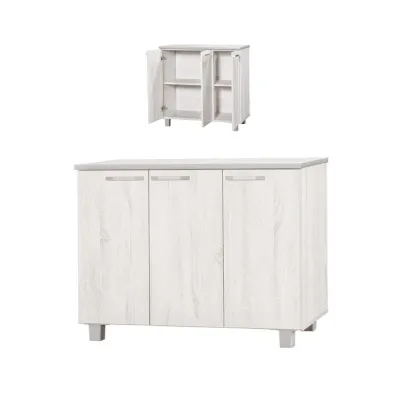
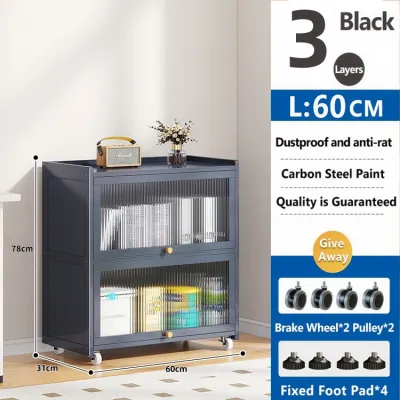
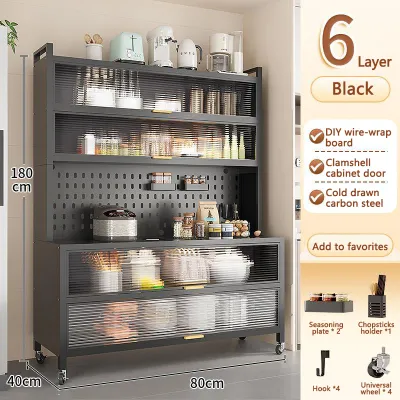
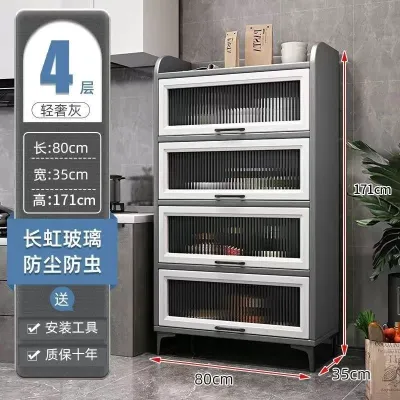
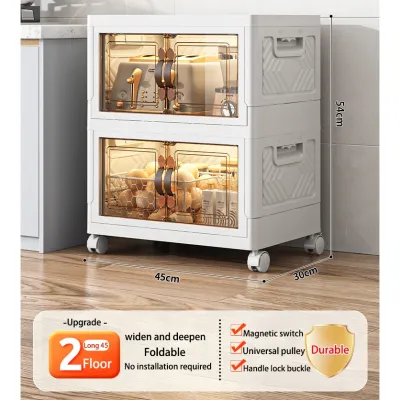
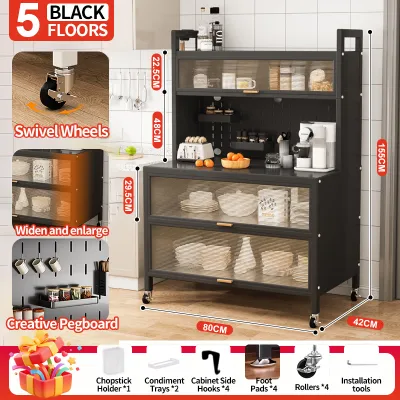
Prices are valid at publication and may change. Please refer to the product page for the latest price.
In Singapore, spatial constraints play a defining role in this choice. Many modern HDB flats and condominiums feature compact galley layouts or open-concept kitchens with narrow pathways where space is at a premium. Fully custom solutions are highly advantageous in these scenarios because they allow you to maximize storage efficiency and integrate kitchen appliances seamlessly. For example, integrating a built-in oven, microwave, refrigerator, or dishwasher requires precise carcass dimensions to ensure proper ventilation clearance and to prevent appliance doors from blocking narrow walkways when opened.
Before approaching any cabinet brand or carpentry provider, it is essential to prepare by measuring your available space and identifying permanent structural elements. While the design professional will conduct a final site measurement, having your own preliminary dimensions helps in obtaining accurate initial quotes. When mapping out your kitchen, take note of the following non-negotiable structural elements common in Singapore homes:
- Structural Columns and Beams: These concrete supports cannot be hacked, drilled deeply, or altered. Your cabinets must be custom-cut to fit around them snugly.
- Exposed Pipes and Utility Meters: Waste pipes, water inlets, and gas meters are frequently located in the kitchen or adjacent service yard. Cabinet layouts must provide access panels or custom cut-outs for maintenance.
- Household Shelters (Bomb Shelters): The steel-reinforced walls and heavy doors of household shelters cannot be modified or drilled into. Cabinets must be positioned to allow the shelter door to open fully to at least 90 degrees.
- Electrical DB Boxes: Often located near the entrance or kitchen area, these distribution boards must remain easily accessible at all times, requiring clever cabinet integration or concealment panels.
Key Criteria for Evaluating Custom Cabinet Brands
To distinguish high-quality cabinet providers from average ones, you must look beyond glossy portfolio photos and showroom lighting. Evaluating a brand requires a systematic inspection of their physical craftsmanship, project management capabilities, warranty terms, and historical customer feedback.

Craftsmanship and Finishing
When visiting a brand’s showroom, pay close attention to the execution of the physical displays. Inspect the edge banding on the cabinet doors and carcasses; high-quality edge banding should be applied using advanced laser or hot-melt technologies, leaving a virtually invisible joint line. Poorly applied edge banding will show visible glue lines, which can attract dirt and easily peel over time when exposed to steam and moisture. Open and close the display drawers to check their alignment; even a minor 1mm to 2mm misalignment indicates poor quality control. Run your hands along the joints of the cabinet boxes to ensure they are perfectly flush, stable, and free of rough edges or exposed core materials.
Project Management
A successful kitchen installation requires precise coordination between multiple trades. A reputable cabinet brand should provide a dedicated project manager or single point of contact who oversees the entire timeline. This individual is responsible for coordinating the carpentry delivery with the plumbers (who install the sink and tap), electricians (who run wiring for task lighting, hobs, and hood systems), and countertop fabricators (who must template and cut materials like quartz or sintered stone on-site). Ask potential brands how they manage scheduling conflicts and what their protocol is if a delay occurs in one of the sub-contracted trades.
Warranty and After-Sales Service
Kitchen cabinets are subjected to daily physical stress, heavy loads, and constant moisture exposure. It is crucial to verify the exact scope of the brand’s warranty before signing a contract. A comprehensive warranty should clearly distinguish between structural integrity (such as the warping of cabinet carcasses, sagging of shelves, or joint separation) and surface wear (such as laminate peeling or minor hardware degradation). Ask the provider to clarify the duration of the warranty—while some premium brands offer lifetime warranties on German-engineered hardware, the cabinet carcasses themselves may only be covered for 1 to 5 years. Additionally, research the brand’s track record for honoring warranty claims and their typical response time for repair requests.
Portfolio and Reviews
Examine the brand’s portfolio of completed, real-world projects rather than relying solely on 3D digital renderings. Look for kitchens that match your specific layout type and design preferences. When reading reviews on independent platforms, look for consistent patterns in customer feedback. Pay close attention to how the brand handles post-installation defects (often referred to as the “punch list” or rectification list). A brand that responds quickly and professionally to resolve minor installation issues is far more valuable than one that becomes difficult to contact once the final payment is made.
Types of Custom Cabinet Providers in Singapore
The custom kitchen cabinet market in Singapore is broadly divided into three main categories. Understanding the operational model, strengths, and limitations of each type will help you select the provider that best aligns with your budget, design expectations, and project timeline.
Local Established Carpentry and Cabinet Brands
Local carpentry brands often operate their own fabrication workshops in Singapore or in neighboring Johor Bahru, Malaysia. These brands are highly practical, functional, and deeply familiar with local housing regulations, including HDB renovation guidelines and permit application processes.
- Typical Strengths: They offer highly competitive pricing because they cut out middleman design fees. Because they fabricate locally or nearby, they can achieve faster turnaround times and can easily make on-site adjustments if minor measurement discrepancies arise during installation.
- Potential Limitations: Their design offerings may lean toward traditional, highly functional styles. They may not stay ahead of global design trends, and their standard material selections may be more limited compared to high-end showrooms.
- Verification Check: Always ask the brand directly if they own and operate their own carpentry workshop or if they outsource the fabrication to third-party sub-contractors. In-house fabrication generally ensures tighter quality control and more consistent material standards.
International and European Showrooms
International showrooms represent premium global kitchen brands, primarily originating from Germany, Italy, or Japan. These brands specialize in highly engineered, modular kitchen systems that prioritize sleek aesthetics, seamless integration, and advanced internal storage technology.
- Typical Strengths: They offer exceptional manufacturing precision, premium materials, and exclusive, proprietary hardware systems. The cabinetry is often manufactured in highly automated European factories, ensuring perfect joint lines and highly durable finishes.
- Implications for Singapore Homes: Because these systems rely on standardized European modular dimensions, they do not always align perfectly with the uneven concrete walls and structural pillars of Singapore's HDB flats or older condominiums. To resolve this, installers must use custom-fabricated "filler panels" to seal the gaps between the modular cabinet boxes and the walls, which can reduce the usable storage space. Furthermore, because the cabinets are fabricated overseas, lead times are significantly longer—often taking 12 to 16 weeks—and any replacement parts required due to shipping damage or measurement errors can cause substantial project delays.
- Verification Check: Inquire whether the showroom offers localized customization (such as fabricating custom carcass sizes locally while utilizing imported European door fronts and hardware) or if they strictly import pre-assembled, standard-sized modular units.
Boutique Interior Design and Custom Studios
Boutique design studios focus on delivering highly personalized, design-led kitchen environments. They treat the kitchen as an extension of the home’s overall architectural and interior design narrative, prioritizing unique material combinations and bespoke layouts.
- Typical Strengths: They offer unparalleled design creativity, helping you source unique materials such as sintered stone door veneers, fluted glass panels, and custom metal trim. They provide comprehensive project management, ensuring that the kitchen design integrates flawlessly with the rest of your home's flooring, lighting, and spatial flow.
- Potential Trade-offs: These studios charge premium design and project management fees, making them a more expensive option. They rarely operate their own carpentry workshops; instead, they act as intermediaries, outsourcing the actual fabrication to local carpenters. This means you are relying heavily on the studio's ability to supervise and enforce quality control on their sub-contractors.
- Verification Check: Clarify the exact relationship between the design studio and the carpentry team. Ask who will be physically supervising the carpentry installation on-site and how they handle quality disputes between the designer and the carpenter.
Material and Hardware Considerations for Singapore Kitchens
In Singapore’s hot and humid climate, material selection is not merely an aesthetic choice; it directly determines the lifespan of your kitchen. High humidity and heavy cooking habits (which involve steam, heat, and oil splatters) require materials and hardware that can withstand daily environmental stress without warping, rusting, or degrading.
Cabinet Carcass and Door Front Materials
The cabinet carcass is the internal structural box that supports the weight of your countertops, appliances, and stored items. Because the area under the kitchen sink is highly prone to condensation, minor leaks, and high humidity, using standard, non-moisture-resistant wood products will lead to swelling, mold growth, and eventual structural failure.
When evaluating carcass materials, do not rely on generic marketing terms like “waterproof.” Instead, request the manufacturer’s technical specifications and check for moisture resistance ratings. The most common carcass materials used in Singapore include:
- High-Moisture-Resistant (HMR) Board: Also known as green board, this material is engineered with moisture-resistant resins, making it highly stable and suitable for general kitchen carcasses.
- Blockboard: Consisting of a core of solid wood strips sandwiched between layers of veneer, blockboard offers excellent screw-holding capacity and resistance to bending under heavy loads.
- Plywood: Multi-layered wood veneers glued together. Marine-grade or high-quality plywood is exceptionally strong and highly recommended for the sink carcass to prevent water damage.
For cabinet door fronts, the surface finish must resist heat, scratches, and grease. Common options include high-pressure laminates (HPL), which offer excellent durability and a vast range of textures; acrylics, which provide a high-gloss, seamless look; and sintered stone veneers, which offer extreme heat and scratch resistance. Always request physical material samples from the brand. Touch the surfaces to check for fingerprint resistance, inspect the edge finishing of the sample, and ask the provider for the manufacturer’s specific care and cleaning instructions to ensure the material matches your cooking habits.
Hinges, Runners, and Internal Hardware
While carcasses and doors form the exterior of your kitchen, the hardware is the engine that drives its daily usability. Low-quality hinges and drawer runners will rust rapidly in Singapore’s humid air, leading to squeaking, sagging doors, and drawers that stick or fail to close properly.
Prioritize globally recognized, rigorously tested hardware brands such as Blum, Hettich, or Grass. When reviewing hardware specifications, check the manufacturer’s rated load capacity (for example, heavy-duty drawer runners should be rated to support at least 30kg to 50kg of weight) and cycle-test certifications (look for hardware certified for 100,000 to 200,000 opening and closing cycles).
Incorporating soft-close mechanisms on all doors and drawers is highly recommended; this prevents slamming, reduces physical impact on the cabinet joints, and enhances safety. Additionally, utilize specialized internal hardware systems to maximize storage efficiency in deep or hard-to-reach spaces:
- Pull-Out Larder Units: These tall, narrow shelving systems pull out completely, allowing you to access items stored at the very back of the pantry easily.
- Corner Carousels (Magic Corners): These mechanisms swing out of deep corner cabinets when the door is opened, turning previously unusable dead space into highly accessible storage.
- Under-Sink Drawer Systems: Custom U-shaped drawers that fit around plumbing pipes, allowing you to utilize the space around the sink basin for cleaning supplies.
To prevent unauthorized material downgrades, ensure that your final contract explicitly lists the exact brand and model numbers of the hardware to be installed, rather than using generic terms like “soft-close hinges.”
Navigating the Quotation and Installation Process
Achieving a successful kitchen renovation requires active management of the quotation, measurement, and installation phases. By establishing clear verification steps, you can avoid hidden costs and ensure a high-quality final build.
Quotation Breakdown
When reviewing quotes from different brands, insist on a fully itemized breakdown in Singapore Dollars (SGD). Avoid accepting lump-sum quotes, which obscure the true cost of individual components. A professional, transparent quote should separate costs into distinct line items:
- Carpentry Rates: Typically quoted in running feet (e.g., S$120 to S$180 per running foot) for both base and wall cabinets.
- Internal Hardware and Accessories: Explicitly listing the cost of drawer runners, hinges, pull-out baskets, and larder systems.
- Countertop Fabrication: Specifying the material (e.g., quartz, granite, sintered stone), thickness, edge profile, and installation labor.
- Appliance Integration Fees: Charges for cutting out sink and hob openings, mounting hoods, and reinforcing cabinet structures for heavy built-in appliances.
Site Measurement and Clearance
Never permit carpentry fabrication to begin based solely on your home’s original floor plans or architectural drawings. Actual site dimensions will always vary slightly from paper plans. A final, precise on-site measurement must be conducted by the carpenter or project manager after all wet works—such as floor screeding, wall plastering, and wall/floor tiling—are fully completed. Even a minor 5mm discrepancy caused by wall plastering or tile thickness can prevent a pre-fabricated cabinet carcass from fitting into its designated space or cause built-in appliances to jam.
Delivery and Access
Before the scheduled installation date, coordinate the delivery logistics with your project manager and building management (especially in private condominiums). Verify that the building’s elevator dimensions and doorway clearances can accommodate the longest cabinet carcasses, tall pantry units, and seamless countertop slabs without requiring vertical tilting that could damage the items. Ensure that the installation team is scheduled to lay down heavy-duty protective sheets over your existing flooring, walls, and entryways to prevent scratches, dents, and dust damage during the assembly process.
Handover and Defect Inspection
Once the installation is complete, do not sign the final handover document or release the final payment milestone until you have conducted a thorough, systematic defect inspection. Use the following checklist during your walkthrough:
- Door and Drawer Alignment: Check that all door fronts are perfectly level, gaps between doors are uniform, and drawers slide smoothly without rubbing against adjacent panels.
- Hinge and Runner Operation: Open and close every door and drawer multiple times to verify that the soft-close mechanisms engage smoothly and quietly.
- Edge Banding Integrity: Run your fingers along all visible and hidden edges of the doors and carcasses to check for sharp corners, rough spots, or peeling laminate.
- Silicone Sealing: Inspect the application of silicone sealant around the kitchen sink, backsplash, and countertop joints. The sealant should be applied neatly, without gaps, and must be of a high-quality, mold-resistant grade suitable for wet areas.
- Stability and Anchoring: Gently shake tall pantry units and wall-hung cabinets to verify that they are securely anchored to the concrete walls and do not exhibit any structural wobble.
Document any identified defects, scratches, or misalignments with clear, high-resolution photographs. Ensure these points are written down in detail on the official handover list, signed by both you and the project supervisor, with a mutually agreed-upon timeline for rectifications before final closure.
Frequently Asked Questions (FAQ)
How long does a custom kitchen cabinet project typically take?
In Singapore, a standard custom kitchen cabinet project typically takes between 6 to 12 weeks from the initial design consultation to final handover. The process is divided into several distinct phases: design development and material selection (2 to 4 weeks), final site measurement and factory fabrication (3 to 6 weeks), and on-site assembly and installation (1 to 2 weeks). If you choose an international or European showroom, the timeline will be longer—often extending to 12 to 16 weeks—due to overseas manufacturing and shipping transit times. Always confirm the estimated lead times directly with your chosen provider before signing the contract.
What should I check during the final installation handover?
During the final handover, conduct a systematic physical inspection of the kitchen. Test all doors and drawers to ensure they open fully and close smoothly without squeaking or misalignment. Verify that the edge banding on all panels is flush and free of peeling or exposed glue. Check that mold-resistant silicone sealant has been applied neatly around the sink, countertop edges, and backsplash to prevent water penetration. Finally, confirm that the physical hardware installed matches the exact brands and model numbers specified in your contract. Document any scratches, chips, or alignment issues with photos and record them on the official handover document before signing off.
Community discussion
Share your experience or ask a question. Comments are reviewed before publication.