
Selecting the right cotton box to store your daily skincare pads in Singapore is more than a matter of simple vanity organization. In a tropical climate where indoor relative humidity frequently climbs above 80 percent, open or poorly sealed containers turn dry cotton pads into moisture magnets. To keep your skincare essentials clean, dry, and hygienic, you must prioritize non-porous materials paired with reliable, airtight sealing mechanisms.
While aesthetic appeal is always a consideration for your dressing table or bathroom counter, the physical properties of the storage container dictate how well it guards against environmental moisture. A high-quality cotton box acts as a protective barrier, ensuring that your toners and micellar waters are applied with pristine, contaminant-free pads every single day.
Why High Humidity Changes Your Storage Needs
Singapore’s year-round tropical warmth and high humidity levels create a challenging environment for storing any fibrous material. Cotton pads are highly hydrophilic, meaning they are naturally structured to attract and absorb moisture from the surrounding air. When left in an open container or a loose-lidded box, cotton pads gradually pull water vapor from the atmosphere, leading to a damp texture before you even apply your skincare products.
Products mentioned in this guide
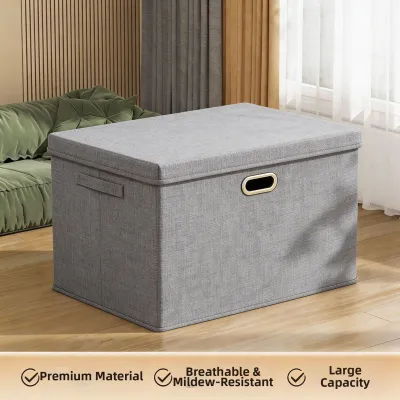
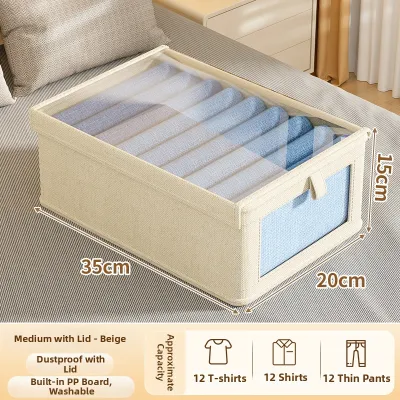
8 Lazada user ratings
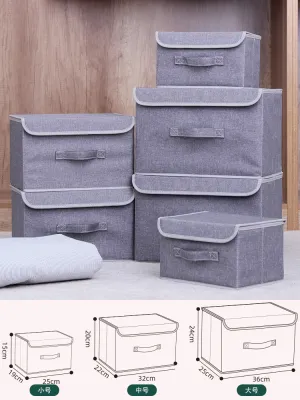
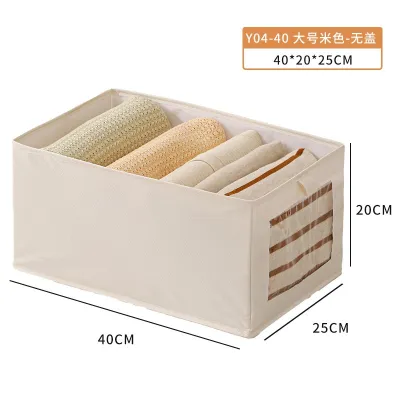
This storage box has a really practical design and the perfect capacity for clothes, books, and various odds and ends. It has made my home m…Read full reviewShow less
This storage box has a really practical design and the perfect capacity for clothes, books, and various odds and ends. It has made my home much more organized. The material is very sturdy and reliable, so I can safely store heavier items without worrying about it deforming or breaking. Since I started using these, my closet looks so much neater. They make it easy to categorize everything, helping me find exactly what I need much faster.
Received in good condition ! Fast Delivery ! Happy with the purchase ! Thanks seller ! Perfect to put in my things !
The materials are great, and there is even a dedicated insert at the bottom of the box!
It has a bit of a strange smell, but overall it's a great storage box. I recommend it!
The product is great and I really like it. It works well and I highly recommend it.
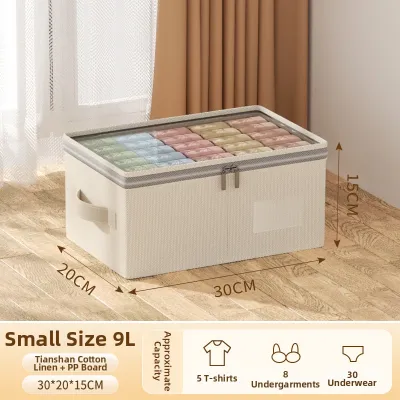
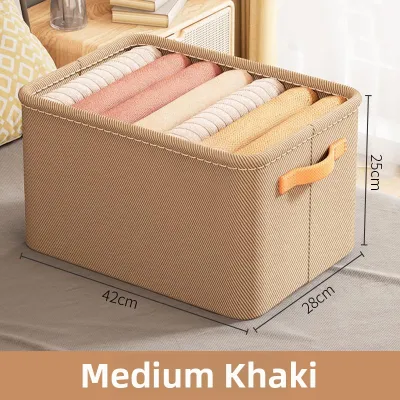
Prices are valid at publication and may change. Please refer to the product page for the latest price.
This constant exposure to moisture does more than just ruin the soft texture of the cotton. Damp fibers create an ideal breeding ground for microscopic mold spores, mildew, and bacteria that thrive in warm, humid conditions. Using a structurally compromised or damp cotton pad can introduce these unwanted contaminants directly to your face, potentially triggering skin irritation, breakouts, or allergic reactions.
Bathrooms and vanity areas are also prone to airborne dust, lint, hairspray overspray, and ambient condensation. Standard open cups or decorative baskets offer zero protection against these daily contaminants. To safeguard your skin health, your storage strategy must shift from basic space-saving organization to active environmental protection, utilizing a dedicated cotton box designed to seal out the damp tropical air.
Comparing Common Cotton Box Materials
Acrylic and clear engineered plastics are among the most popular choices for modern vanity organization. These materials are exceptionally lightweight, shatterproof, and offer excellent optical clarity, allowing you to monitor your cotton pad supply at a glance. When shopping for an acrylic cotton box, it is essential to verify the structural rigidity of the container; high-quality, thick-walled acrylic resists warping over time, ensuring that the lid continues to fit snugly and maintain its protective seal.

Glass containers provide a classic, elegant aesthetic that elevates any bathroom counter or dressing table. Because glass is completely non-porous and chemically inert, it will not absorb moisture, odors, or cosmetic residues, making it incredibly easy to wash and sanitize. However, glass is inherently heavy and fragile; you must carefully consider the risk of breakage if the container is placed on a crowded vanity or a slippery tiled surface.
Stainless steel and other metal alloys offer unmatched durability and a sleek, modern look. Metal containers are completely opaque, which helps block ambient light and protects any light-sensitive skincare items you might store alongside your cotton. If you opt for a metal cotton box, always check the manufacturer specifications to ensure it features a rust-resistant coating, such as 304-grade stainless steel, to prevent corrosion in damp bathroom environments.
Bamboo and natural wood containers are highly sought after for their warm, organic appearance. However, raw wood is highly porous and naturally absorbs moisture from humid air, which can lead to internal mold growth that transfers directly to your cotton pads. If you choose a wooden or bamboo cotton box, you must strictly verify that the material has been treated with a water-resistant, non-toxic sealant or lacquer, and perform regular checks to ensure the finish remains intact.
Design Features That Actually Block Moisture
While the raw material of your cotton box is important, the structural design of the container is your primary line of defense against tropical humidity. The most effective moisture-blocking containers feature a flexible silicone gasket or O-ring embedded along the rim of the lid. This gasket compresses when the lid is closed, creating an airtight seal that prevents humid air from seeping into the storage compartment.
Different lid mechanisms offer varying levels of convenience and long-term seal durability. Flip-top lids are highly convenient for quick, one-handed access during your morning or evening skincare routine, but you must ensure the hinge mechanism maintains enough downward pressure to keep the gasket sealed. Screw-on lids provide an exceptionally secure, airtight closure, though they require a bit more effort to open and close during daily use.
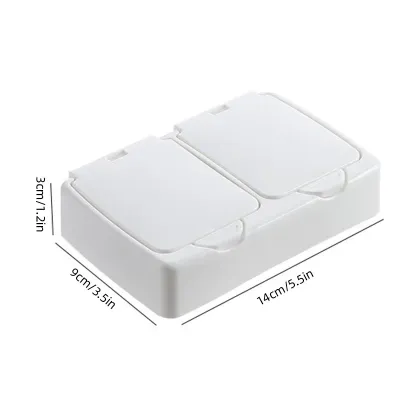
Sliding drawers and bottom-dispensing cotton boxes are popular for their ease of access, but they often feature open slots or gaps that allow humid air to circulate freely inside. If you prefer a dispenser-style cotton box, look for models that feature a spring-loaded door or a protective flap over the dispensing opening. This design minimizes the exposure of the remaining cotton pads to the surrounding air every time you retrieve a pad.
Another critical design feature is base elevation. Bathrooms and vanity counters frequently experience standing water from sink splashes or condensation. A cotton box equipped with raised feet, a pedestal base, or non-slip silicone pads prevents the bottom of the container from sitting directly in water. This simple elevation reduces the risk of moisture transferring through bottom seams and keeps the base of your container clean and dry.
How to Maintain Your Cotton Box in Damp Conditions
To keep your cotton box functioning perfectly, establish a regular cleaning and maintenance routine. Every time you run out of cotton pads, take a few minutes to wash the empty container with mild dish soap and warm water. It is absolutely vital to let the container dry completely—ideally in a well-ventilated room or under direct sunlight—before refilling it with fresh pads, as trapping even a tiny amount of moisture inside a sealed box will create a humid microclimate.
Strategic placement of your cotton box can significantly extend the lifespan of your cotton pads. Avoid placing the container directly next to the shower, bathtub, or sink where steam and water splashes are concentrated. Instead, store your cotton box on a dry shelf, inside a closed mirrored cabinet, or on a dressing table in the bedroom, where air conditioning or natural ventilation helps keep humidity levels more stable.
Perform regular visual checks on both the container and the cotton pads inside. Inspect the corners of acrylic boxes for fine cracks, check metal joints for early signs of rust, and examine wooden lids for any dark spots that might indicate mold. If you notice that the silicone gasket has become loose, stretched, or brittle, it is time to replace the seal or upgrade to a new container to ensure your cotton pads remain perfectly dry.
Community discussion
Share your experience or ask a question. Comments are reviewed before publication.