
Finding the ideal compact sofa bed for a small HDB flat in Singapore requires balancing seating comfort, sleeping space, and floor area constraints. Because typical 3-room and 4-room HDB living rooms have limited square footage, a dual-purpose furniture piece must serve as a comfortable daytime seat without obstructing walkways when converted into a bed. The best choice depends on selecting a mechanism that fits your specific room layout, choosing a breathable fabric that withstands Singapore’s high humidity, and ensuring the physical dimensions can clear tight HDB corridors and lifts during delivery.
How to Measure Your HDB Living Room for a Sofa Bed
To avoid purchasing a sofa bed that dominates your living space or blocks essential pathways, you must measure your room with extreme precision. Start by measuring the primary footprint of the sofa in its closed position. This is the configuration it will remain in for most of the day, so it must leave ample space for your daily activities. Next, measure the fully extended footprint of the bed. Many buyers overlook this step, only to find that the extended bed collides with their TV console or prevents them from opening nearby cabinets.
Clearance is key to maintaining a functional living room layout. In typical HDB flats, you should aim for a minimum of 50cm to 60cm of walking space around the extended bed. If your layout includes a coffee table, consider where it will be placed when the sofa bed is open. Heavy, solid wood coffee tables can be difficult to move every night; instead, opt for lightweight, nested, or wheeled tables that can be easily rolled into a corner or hallway. Additionally, ensure that the extended bed does not block access to your household shelter door, balcony entrance, or kitchen walkway.
Products mentioned in this guide
![[SG Seller] Fabric 3 Seater Sofabed + Free Delivery | High Quality | Bedroom | Compact | Living Room | Fabric Sofa Bed | High-End | Comfortable | Durable | Designer | Luxury | HomeAndStyle | Home And Style](https://img.lazcdn.com/g/p/db4786e7c0bb06740e3c80be822a069f.jpg_400x400q80.jpg_.webp)
![[SG Seller] L Shape Sofa| High Quality | Bedroom | Compact | Living Room | Fabric Sofa Bed | High-End | Comfortable | 3 Seater | Durable | Designer |](https://img.lazcdn.com/g/p/f1eb03f32ae78e4e3bceb278b775e094.jpg_400x400q80.jpg_.webp)
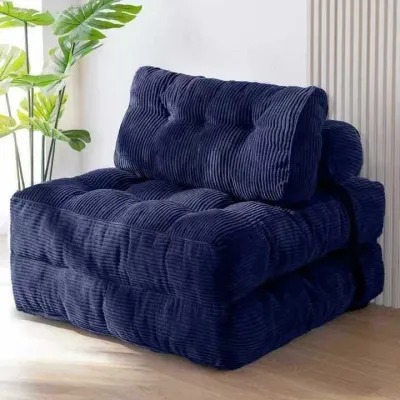

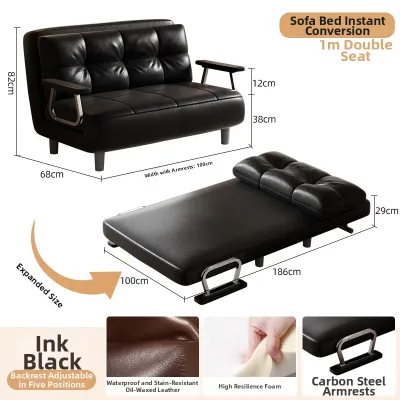
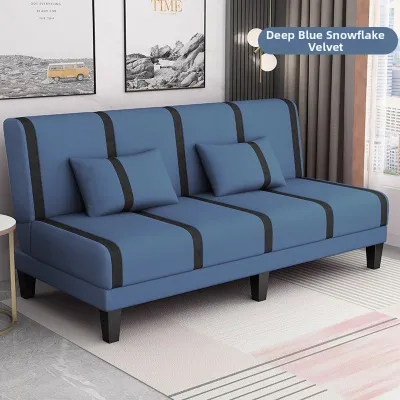
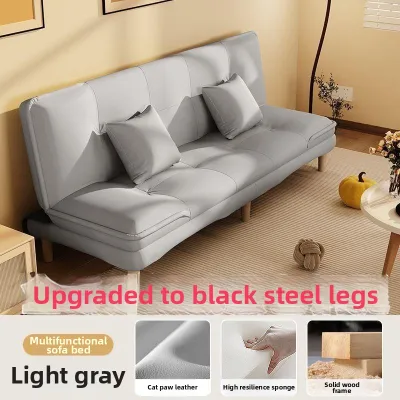
Prices are valid at publication and may change. Please refer to the product page for the latest price.
Logistical constraints are just as important as the room’s dimensions. Before placing an order, measure your HDB block’s passenger lift doors, internal lift cabin dimensions, and corridor angles. Older HDB estates often have narrower corridors, low-hanging pipes, or structural pillars right outside unit entrance doors, which can make maneuvering a long, fully assembled sofa frame extremely difficult. Measure the width and height of your front door frame, as well as any tight turns in your foyer. If your unit has a digital lock or a secondary metal gate, take these projections into account as they can reduce the effective entry clearance.
Finally, consider the flooring and structural limitations of your flat. If you plan to place the sofa bed on a raised platform, such as a custom-built wooden tatami deck often used in modern HDB designs, verify the weight capacity of the platform with your interior designer or contractor. Sofa beds are significantly heavier than standard sofas due to their internal metal or solid wood mechanisms. Additionally, if your flat features vinyl, laminate, or engineered wood flooring, check that the sofa bed’s legs are equipped with wide, non-marking protective pads to distribute the weight evenly and prevent deep indentations or scratches when the bed is occupied.
Best Sofa Bed Mechanisms for Small Spaces
The mechanism of a sofa bed determines how it transforms, how much physical effort is required to operate it, and how it impacts your room’s layout. For compact HDB flats, selecting the right mechanism is a crucial decision that affects both daily convenience and long-term durability.

Click-Clack and Futon Designs
Click-clack and futon designs are among the most straightforward and popular options for small spaces. This mechanism works by releasing a locking hinge when you lift the seat cushion forward, allowing the backrest to fold down flat to align with the seat. The primary benefit of this design is its simplicity and speed of conversion, making it an excellent option for occasional guest use. Because they lack complex internal pull-out frames, click-clack sofa beds tend to be lighter and more affordable than other styles.
However, these designs have a major spatial drawback: they require rear clearance. When converting a click-clack sofa into a bed, the backrest needs space to fold backward. If you place the sofa flush against your living room wall, you will need to pull the entire unit forward every time you want to use the bed. In a tight HDB living room, dragging a heavy sofa back and forth can scratch your flooring and cause physical strain. To avoid this, you must leave a permanent gap of 10cm to 20cm between the sofa back and the wall, which can feel like wasted space in a compact room.
In terms of comfort, click-clack designs are generally on the firmer side because you sleep directly on the seating cushions rather than a separate mattress. To ensure a comfortable sleep, look for models featuring high-density foam or pocket-spring cores that provide consistent support. Additionally, pay close attention to the fabric upholstery. Tightly woven, high-elasticity fabrics are essential here; loose or cheap fabrics will quickly stretch, sag, and develop permanent, unsightly creases along the fold lines where the seat and backrest meet.
Pull-Out and Trundle Frames
Pull-out and trundle mechanisms are highly suited for narrow HDB living rooms where saving wall space is a priority. This design keeps the sleeping surface folded or rolled underneath the seat cushions. To convert it, you simply pull a handle or strap at the base, and the bed frame rolls forward on wheels, lifting up to align with the seat height. This allows the back of the sofa to remain flush against the wall at all times, maximizing your floor space during the day.
While pull-out frames save rear clearance, they require substantial front clearance. You must ensure that the area in front of the sofa is completely clear of obstacles. Measure the distance from the sofa back to your TV console or opposite wall to confirm the fully extended frame fits comfortably. Another critical factor is the mattress thickness. Because the mattress must fold up inside the sofa frame, it is typically thinner than a standard mattress, usually ranging from 8cm to 12cm. To prevent “bottoming out” against the support frame, verify that the mattress is made of high-resilience foam or pocket springs, and check the manufacturer’s specified weight limits.
Because the pull-out mechanism involves moving metal or wooden parts that slide against the sofa’s internal frame, fabric friction is a key consideration. Over time, the constant rubbing can wear down the fabric at the base and corners. To prevent premature wear, choose durable fabrics with high rub counts—ideally those rated for heavy domestic use. Look for reinforced seams and protective fabric flaps that cover the mechanical joints, which help shield the upholstery from getting caught or torn in the metal hinges.
Modular and Convertible Options
For irregular HDB layouts or multi-purpose rooms, modular fabric sofa beds offer unmatched flexibility. Instead of a single, heavy folding unit, a modular system consists of separate pieces—such as a main sofa frame, a detachable chaise lounge, or a matching ottoman—that can be rearranged to suit your immediate needs. To convert the setup into a bed, you simply push the ottoman or chaise module against the main seat to form a continuous, flat sleeping surface.
This versatility is incredibly beneficial for modern HDB flats where rooms often serve multiple functions. During the day, you can arrange the modules to maximize seating for hosting guests or watching television. At night, the pieces can be combined into a cozy bed for overnight visitors. If you decide to rearrange your living room layout in the future, modular pieces can easily adapt to the new space, making them a highly future-proof investment.
However, modular options require careful verification of their connecting systems. Because the bed is made of separate pieces, they can easily slide apart during the night as you toss and turn. Always ensure the modules are equipped with robust, built-in locking connectors, such as heavy-duty alligator clips or interlocking metal brackets underneath the frames. Additionally, inspect the fabric alignment; high-quality modular sofas are designed so that the fabric weave, color, and pattern align seamlessly across all modules, preventing a disjointed look when pushed together.
Fabric Choices for Singapore's Humid Climate
Singapore’s tropical climate, characterized by high humidity and consistent warmth, presents unique challenges for fabric furniture. Selecting the wrong upholstery can lead to a sofa bed that feels hot and sticky, accumulates dust mites rapidly, or develops musty odors.
When choosing upholstery, you must balance breathability with stain resistance. Natural fibers like pure cotton or linen are highly breathable and feel cool against the skin, making them comfortable for afternoon naps. However, pure natural fibers are highly absorbent; they easily soak up sweat, spills, and atmospheric moisture, making them prone to staining and mold growth. On the other hand, synthetic fibers like standard polyester are highly durable and stain-resistant but can trap heat and sweat. A high-quality blend, such as a polyester-linen or polyester-cotton mix, often provides the ideal compromise, offering the breathability of natural fibers alongside the strength and moisture resistance of synthetics.
To maintain hygiene and freshness, prioritize sofa beds with fully removable and washable fabric covers. This is particularly important for sofa beds, as they are exposed to both daytime seating sweat and overnight sleeping oils. Before washing, always check the manufacturer’s care label. Some fabric covers are strictly dry-clean only, while others can be machine washed on a gentle cycle. Be cautious of washing temperatures; hot water can shrink certain fabric blends, making it impossible to stretch the cover back over the sofa frame.
The weave and texture of the fabric also play a significant role in heat retention and dust accumulation. Tightly woven fabrics, such as flat-weave canvas, microfibre, or tight twill, are highly recommended for Singapore homes. These tight weaves prevent dust, pet dander, and dust mites from settling deep into the fibers, making them easier to clean with a quick vacuum. Avoid loose, highly textured fabrics like bouclé, heavy chenille, or loose knits; while they look cozy, they trap heat easily and have crevices that collect dust and moisture, creating a breeding ground for allergens.
Finally, never assume a fabric possesses performance traits like water resistance, stain proofing, or anti-mold properties based solely on its material name. A fabric labeled “performance polyester” may not actually be treated for spill resistance. Always verify these claims by checking the product tags, requesting specification sheets from the retailer, or checking for recognized textile certifications. If the fabric does not have built-in resistance, you can consult the manufacturer about applying a fabric protector spray, though you must ensure this does not void your warranty or alter the fabric’s breathability.
Delivery and Assembly Checks for HDB Flats
The purchasing process does not end when you click “buy.” Ensuring a smooth delivery and assembly process is critical to avoiding logistical headaches and ensuring your new sofa bed is safe to use.
When buying from online furniture retailers, always confirm the specific delivery terms regarding HDB access. Some retailers charge additional fees if the delivery team has to carry the furniture up staircases due to lift malfunctions or because the item is too large for the lift cabin. Clearly communicate your HDB estate’s layout, including any narrow corridor turns, low-clearance ceilings, or parking restrictions for delivery trucks. Knowing these details in advance allows the delivery team to prepare the correct equipment and avoids unexpected delivery failures.
Additionally, clarify whether the sofa bed arrives fully assembled or flat-packed. Flat-packed models are much easier to transport through narrow doorways and tight corridor corners, but they require significant assembly time and tools. If you are not confident in your DIY skills, check if the retailer offers professional assembly services. For complex folding mechanisms, professional assembly is highly recommended to ensure all moving joints, springs, and locking pins are aligned correctly and safely. If the sofa bed arrives fully built, double-check your entry measurements to ensure it can clear your front door frame.
Once the sofa bed is delivered and assembled, conduct a thorough inspection before the delivery team leaves. Operate the folding mechanism at least three to four times to ensure it transitions smoothly without catching, squeaking, or requiring excessive force. Inspect the frame’s stability; when extended into a bed, there should be no wobbling or uneven dipping when you apply weight to different areas. Check the quality of the joints—metal frames should have clean welds and secure bolts, while wooden frames should use sturdy dowels or screws rather than cheap staples. Finally, inspect the fabric seams around the moving joints to ensure they are not under excessive tension, which could lead to tearing over time.
Frequently Asked Questions (FAQ)
Can a compact sofa bed be used as a daily bed?
While some high-density foam or pocket-spring sofa beds offer excellent support, daily use will significantly accelerate the wear and tear on both the fabric upholstery and the mechanical joints. The constant friction and pressure from daily sleeping can cause the foam to sag and the metal hinges to loosen over time. If you intend to use a compact sofa bed as your primary daily bed, look for models specifically rated for daily use and check the manufacturer’s warranty terms. To extend its lifespan, use a high-quality mattress protector to shield the fabric from sweat, and rotate your sleeping position regularly to distribute the wear evenly.
How do I prevent fabric sofa beds from smelling musty in humid weather?
To prevent musty odors in Singapore’s humid climate, vacuum your fabric sofa bed at least once a week using an upholstery attachment to remove dust and organic particles that feed mold. Maintain good ventilation in your living room by opening windows on dry days, or use a dehumidifier or air conditioner during rainy periods to keep indoor humidity levels low. Always check the product’s care label before applying any fabric fresheners, sanitizing sprays, or cleaning agents. If you wash the removable covers, ensure they are completely dry before putting them back on the frame, as trapping even a small amount of moisture can lead to mold growth and deep-seated odors.
Community discussion
Share your experience or ask a question. Comments are reviewed before publication.