
Selecting the right coat stand for your home in Singapore requires balancing practical storage needs with the spatial constraints of modern high-rise living. A high-quality coat stand must offer structural stability, fit seamlessly into your layout without obstructing high-traffic walkways, and withstand the challenges of a humid tropical climate. By evaluating key physical specifications, material treatments, and spatial requirements, you can find a durable organizer that elevates your entryway or bedroom.
What Makes a Reliable Coat Stand for Everyday Use?
Structural stability is the single most critical factor when selecting a freestanding coat stand. Because these organizers hold heavy, unevenly distributed items like bags, umbrellas, and outerwear, a weak base will inevitably lead to tipping. When evaluating a stand, prioritize models with a heavy, low center of gravity. Look for bases made of solid marble, cast iron, or wide, reinforced tripod legs. A base diameter of at least 30 to 35 centimeters is generally required to support a standard 170 to 180-centimeter tall stand under load.
To prevent accidents, especially in active households with children or pets, avoid relying on visual estimates of a stand’s strength. Instead, check the manufacturer’s official specifications for the maximum weight capacity. Reliable brands will state both the overall load limit (such as 15 to 20 kilograms) and the individual hook capacity (typically 2 to 3 kilograms per hook). Exceeding these limits or overloading one side can cause structural fatigue, warping the joints and eventually causing the stand to collapse.
Products mentioned in this guide
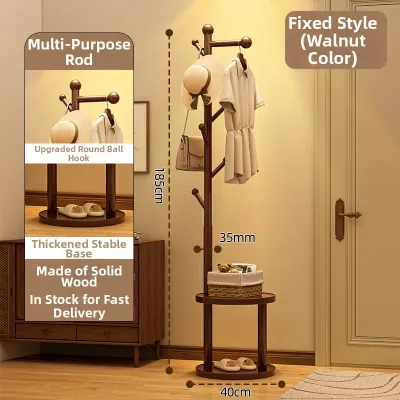
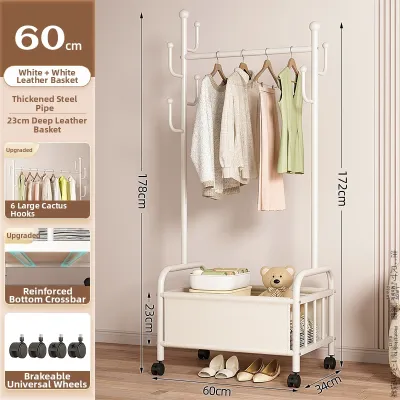
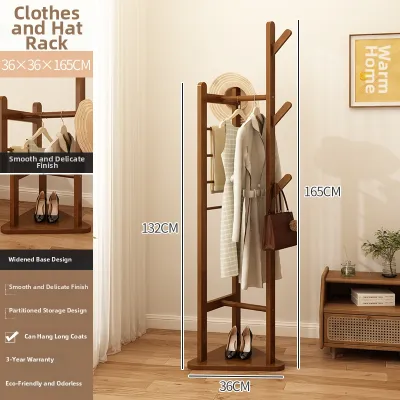

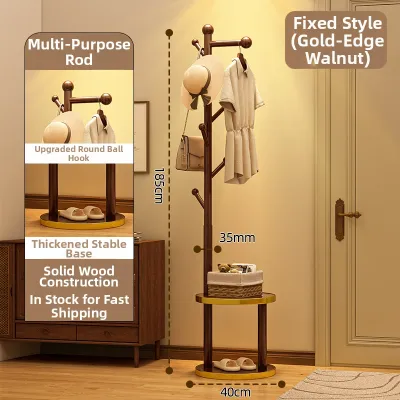
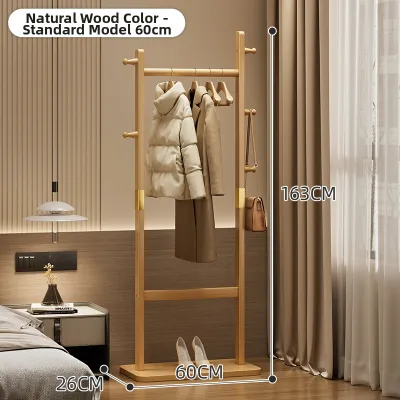
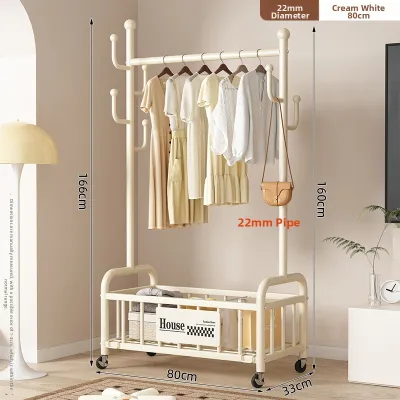
Prices are valid at publication and may change. Please refer to the product page for the latest price.
Singapore’s year-round high humidity, which frequently exceeds 80%, poses a significant threat to furniture longevity. Raw metals and untreated woods degrade rapidly in this environment. When shopping, verify that metal components feature a protective finish, such as an electrostatic powder coating or a rust-resistant chrome plating. For wooden stands, look for explicit indications that the timber has been properly kiln-dried and sealed with a moisture-resistant topcoat, such as polyurethane or clear protective lacquer. Untreated wood absorbs ambient moisture, leading to warping, joint loosening, and mold growth.
Furthermore, pay close attention to the joinery and hardware. Low-quality plastic connectors or poorly threaded screw joints will loosen over time under the stress of daily use. High-quality coat stands utilize metal-to-metal connections, such as threaded inserts embedded directly into wooden components, or robust steel bolts for metal frames. These joints distribute weight more evenly and allow you to retighten the hardware periodically without stripping the materials.
Choosing the Right Design for Your Entryway or Bedroom
Matching the design of your coat stand to its specific location ensures that it remains highly functional without cluttering your living space. Entryways and bedrooms serve different organizational purposes, requiring distinct structural features and footprints.

Entryway Needs
Entryways are the primary transition zones of the home, demanding high-capacity storage solutions. For these areas, multi-functional tree-style stands or comprehensive hall trees are ideal. These designs often integrate secondary storage features, such as low shoe shelves, key trays, or dedicated umbrella holders with drip pans. When placing a stand in a narrow foyer—a common feature in Singapore BTO flats and condominiums—it is crucial to maintain a clear walkway. Ensure that the fully loaded stand leaves at least 90 centimeters of clearance so that family members and guests can pass through comfortably without brushing against hanging items.
Bedroom Needs
In the bedroom, the focus shifts from maximum capacity to aesthetics and targeted organization. Minimalist single-pole stands or specialized valet stands (often called silent servants) are perfect for organizing daily workwear, accessories, or clothes that have been worn once but do not yet need washing. Valet stands typically feature a built-in hanger for trousers, a jacket rack, and a small tray for watches or jewelry. Because these stands hold fewer items, they have a much smaller footprint (often around 30 by 40 centimeters), allowing them to tuck neatly into corners or beside wardrobes.
Regardless of where you plan to place the coat stand, you must measure your available floor space and compare it against the product’s physical dimensions. Additionally, verify that the height of the hooks accommodates your longest garments. Long dresses, trench coats, or large tote bags require at least 130 to 140 centimeters of vertical hanging clearance from the hook to the base to prevent them from dragging on the floor and gathering dust.
Before making a final purchase, perform a quick spatial verification using this checklist:
- Ceiling Clearance: Ensure the total height of the stand is at least 30 centimeters below your ceiling to allow easy placement and removal of hats or items on the top hooks.
- Door Swing Radius: Verify that nearby room doors or main entry doors can open fully without striking the stand or any hanging items.
- Furniture Proximity: Leave at least 15 to 20 centimeters of clearance between the coat stand and adjacent wardrobes, sideboards, or walls to prevent scuffing and allow easy cleaning access.
Comparing Common Coat Stand Types for Singapore Homes
Understanding the structural differences between various coat stand designs allows you to select the style that best matches your home’s layout and your storage habits. Each type offers distinct trade-offs regarding capacity, footprint, and installation effort.
| Coat Stand Type | Average Footprint (cm) | Typical Load Capacity (kg) | Primary Advantages | Key Limitations | Ideal Singapore Home Placement |
|---|---|---|---|---|---|
| Tree Coat Stand | 35 x 35 to 45 x 45 | 15 – 25 | High hook count; multi-directional hanging; sturdy base options. | Requires balanced loading; occupies floor space in tight entryways. | Spacious foyers, living room corners. |
| Single Pole Stand | 30 x 30 to 35 x 35 | 10 – 15 | Highly compact; minimalist aesthetic; easy to move between rooms. | Limited capacity; prone to tipping if overloaded on one side. | Small bedrooms, study rooms, compact entryways. |
| Wall-Mounted Rack | 0 (Floor footprint) | 10 – 20 (Wall-dependent) | Saves 100% of floor space; height can be customized during installation. | Requires drilling; load capacity depends heavily on wall type. | Narrow HDB corridors, behind doors, compact entryways. |
| Valet Stand | 30 x 40 to 35 x 45 | 8 – 12 | Keeps formal wear crease-free; integrated accessory trays. | Very low capacity; not designed for heavy bags or bulky coats. | Bedrooms, walk-in wardrobes, dressing areas. |
| Hall Tree | 60 x 35 to 100 x 45 | 30 – 50 | All-in-one storage; includes bench, shoe rack, and coat hooks. | Large physical footprint; difficult to move; complex assembly. | Large entryways, dedicated mudrooms. |
While freestanding options offer excellent flexibility because they can be moved easily during cleaning or room redecoration, wall-mounted racks are an incredibly efficient alternative for tight spaces. However, wall-mounted options require careful installation. In Singapore, many internal household walls are made of lightweight concrete panels or drywall, which have lower load-bearing capacities than structural reinforced concrete walls. If you choose a wall-mounted rack, always use the correct wall plugs and anchors, and verify that the wall can support the combined weight of the rack and your heaviest bags.
How to Evaluate Brands and Shop Safely in Singapore
Finding a reliable coat stand brand involves looking past attractive product photos and focusing on verifiable quality indicators. To ensure you receive a durable product that matches your expectations, utilize a systematic evaluation process before buying.
First, review the brand’s technical documentation. Reliable brands provide comprehensive product specifications, including exact physical dimensions, material composition, maximum weight ratings, and clear assembly instructions. Avoid brands that use vague descriptors like “premium metal” or “heavy-duty wood” without specifying the exact materials (such as powder-coated steel or solid rubberwood) and weight limits.
Second, check the brand’s local presence and customer support channels. Purchasing from brands with local distributors or dedicated customer service offices in Singapore makes it significantly easier to resolve issues. Look for clear warranty policies—reputable furniture brands typically offer at least a 1-year warranty covering structural defects, joint failures, or manufacturing flaws. Transparent return policies are equally important, especially if the product arrives with missing hardware or shipping damage.
When choosing where to shop, you can navigate several reliable channels:
- Official Brand Showrooms: Visiting physical showrooms allows you to test the coat stand in person. You can physically check the stability of the base, inspect the quality of the finish, and feel the sturdiness of the hooks under mild pressure.
- Official Online Brand Stores: Buying directly from a brand's official website guarantees authenticity and ensures you receive direct support and warranty coverage.
- Reputable Ecommerce Platforms: If purchasing through online marketplaces, always look for certified official stores or authorized dealer badges. Verify the seller's credentials and read customer reviews specifically looking for feedback on assembly ease, packaging quality, and long-term durability.
Finally, consider the logistics of delivery and assembly. While most standard coat stands are delivered flat-packed and require basic self-assembly, larger items like integrated hall trees may arrive fully assembled. If you are purchasing a large, pre-assembled unit, measure your apartment’s lift door width, lift cabin depth, and corridor corners. Ensuring these pathways can accommodate the delivery package prevents costly delivery failures and return fees.
Frequently Asked Questions (FAQ)
How do I stop a freestanding coat rack from tipping over?
To prevent a freestanding coat stand from tipping, always practice proper weight distribution. Place your heaviest items, such as loaded backpacks, laptop bags, or wet umbrellas, on the lowest hooks to keep the center of gravity as low as possible. Additionally, distribute your items evenly around the pole rather than hanging everything on one side. If your stand is placed on a thick rug or uneven flooring, consider moving it to a flat, hard surface to maximize base contact. For households with young children or pets, you can secure the stand using discreet anti-tip furniture straps or wall anchors, provided the manufacturer’s design allows for such modifications without compromising the frame.
Can I use a wooden coat stand in a humid environment?
Yes, you can use a wooden coat stand in Singapore’s humid climate, provided you follow specific care guidelines. First, verify that the wood has been treated with a protective water-resistant sealant, such as polyurethane, lacquer, or specialized wood oil. Avoid placing the stand in high-humidity zones, such as directly adjacent to a bathroom door or near an open window where it might be exposed to rainwater during monsoons. Keep the room well-ventilated, or use a dehumidifier if the stand is kept in a closed bedroom. Regularly dust the stand with a dry microfiber cloth, and avoid using harsh chemical cleaners or excessive water, which can strip away the protective finish and expose the raw wood to moisture.
Community discussion
Share your experience or ask a question. Comments are reviewed before publication.