
Finding the right coat stand in Singapore requires balancing spatial efficiency with structural stability. In a tropical climate where heavy winter wear is rarely used daily, a coat stand’s role shifts toward organizing lightweight outerwear, office blazers, hats, umbrellas, and daily work bags. Reliable brands available locally—ranging from well-known Scandinavian and Japanese minimalist retailers to specialized local furniture brands—offer solutions tailored to the compact layouts of modern apartments.
To make a wise purchase, you must look beyond aesthetic appeal. A truly functional coat stand must withstand the daily physical strain of hanging items without tipping, warping, or succumbing to the local humidity. By focusing on verifiable technical specifications, physical space planning, and robust assembly practices, you can select an organizer that enhances your home’s entryway or bedroom for years to come.
What Makes a Coat Stand Brand Reliable for Daily Use?
Evaluating the reliability of a coat stand brand requires looking past marketing claims and focusing on structural engineering. A primary indicator of a high-quality brand is the design of the base stability and weight distribution. Freestanding models require a heavy, low-slung base to offset the leverage created by hanging items high up on the hooks. When a stand is loaded with heavy work bags, laptops, or damp umbrellas, a poorly engineered base will allow the center of gravity to shift outside the footprint, causing the unit to tip over. Look for brands that specify the weight of the base itself, which should ideally make up a significant portion of the product’s total weight.
Products mentioned in this guide
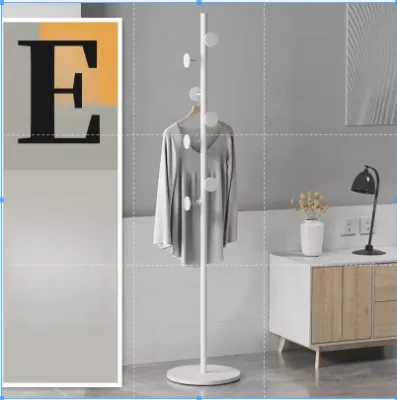
![[✅SG Ready Stock] 100% solid wood Wooden Clothes Hanger Rack Nordic Style Clothes Hanger Hook Bedroom Coat Stand Rack](https://img.lazcdn.com/g/p/f4e39069115cbc3402d9b2bbb638ae5a.png_400x400q80.png_.webp)
![[✅SG Ready Stock] 100% solid wood Wooden Clothes Hanger Rack Nordic Style Clothes Hanger Hook Bedroom Coat Stand Rack](https://img.lazcdn.com/g/p/bbece1e2bb0c1ed5d9639694a9d061dd.png_400x400q80.png_.webp)
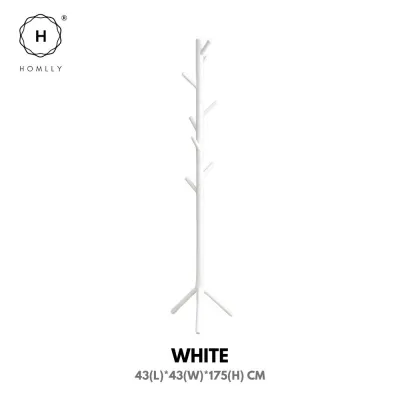
![[💛SG Ready Stock] 100% Solid wood Coat Rack Standing Creative Branch Shape Clothes Hanger Racks 8 Hooks Hat Oragnizer for Bedroom House Furniture](https://img.lazcdn.com/g/p/ad130a9c7803f6ffc7ca86800928e26f.png_400x400q80.png_.webp)


Prices are valid at publication and may change. Please refer to the product page for the latest price.
Rather than relying solely on material names like “solid oak” or “industrial steel” to assume durability, you should check the manufacturer’s official specifications for load capacity. A reliable brand will explicitly state the maximum weight limit for the entire unit as well as the weight limit per individual hook. These limits are determined by structural testing rather than material thickness alone. A solid wood stand with poorly designed joints may have a lower weight capacity than a high-grade engineered composite stand with reinforced internal metal brackets.
Inspect the build quality indicators closely before choosing a brand. For metal stands, examine the welding quality at the joints and the type of surface treatment applied. In Singapore’s humid tropical climate, untreated or poorly painted metal is highly susceptible to rust and corrosion, especially if used to hang damp umbrellas or raincoats. Reliable brands use powder-coated finishes, electroplated surfaces, or high-grade stainless steel to resist moisture. For wooden stands, look for polyurethane or lacquer sealants that prevent humidity from penetrating the wood grain and causing warping or mold growth.
Finally, assess the brand’s reputation for after-sales support and assembly quality. Reliable manufacturers provide comprehensive assembly instructions, clearly labeled hardware, and specialized tools if required. They also use metal-to-metal threaded inserts for joints rather than requiring screws to be driven directly into raw wood or plastic, which can strip and loosen over time. A trustworthy brand will offer a clear warranty period and have accessible customer service channels in Singapore to assist with missing parts or structural defects.
Space Planning: Measuring for Your Entryway or Bedroom
Before purchasing a coat stand, you must measure your physical space to ensure the unit fits comfortably without obstructing daily movement. Begin by measuring the available floor space where you plan to position the stand. Compare these measurements directly with the product’s base footprint, which is the diameter or width of the base. In narrow entryways typical of local apartments, a base that is too wide can force family members to squeeze past, increasing the risk of accidentally bumping and knocking the stand over. A minimum clearance of 60 to 70 centimeters of walking space should be maintained around the unit.

You must also verify that the packaged and assembled dimensions of the coat stand can clear your home’s access points. This includes passenger lifts, staircase landings, main doors, and bedroom entryways. If you are purchasing a pre-assembled multi-functional organizer, measure the width and height of your doorways to ensure the delivery team can maneuver the item into your home without damaging the walls or the furniture itself. Standard interior doorways in Singapore are typically 80 to 82 centimeters wide, so any unit exceeding these dimensions must be assembled on-site.
Height restrictions are another critical factor to consider during space planning. Measure the distance from the floor to any overhead obstructions, such as ceiling fans, wall-mounted air conditioners, light fixtures, or sloped ceilings. Ensure that the tallest point of the coat stand leaves at least 30 centimeters of clearance from moving ceiling fan blades to prevent dangerous collisions. Additionally, consider the length of the garments you plan to hang; long coats, dresses, or full-length umbrellas require sufficient vertical clearance from the hooks to the floor to prevent them from dragging and collecting dust.
Finally, calculate the swing radius of nearby doors to avoid physical interference. If you plan to place the coat stand in an entryway or behind a bedroom door, open the door fully and measure the remaining clearance. A coat stand placed within the door’s swing path will not only limit how far the door can open but will also be repeatedly struck, leading to structural damage, loose hardware, and potential tipping hazards over time.
Choosing the Right Coat Stand Design for Your Layout
Selecting the right design depends on your spatial constraints, storage needs, and daily habits. Different layouts require different structural configurations to maximize efficiency and safety.
Freestanding Tree and Pole Stands
Freestanding tree and pole stands are the classic choice for homes with open corners or spacious entryways where a 360-degree approach is possible. These vertical units utilize minimal floor space while offering multiple hooks at varying heights and angles, making them highly versatile for households with multiple family members.
When choosing a freestanding pole stand, it is essential to check the base weight and diameter in the product specifications to ensure it can support asymmetrical loads. Because these stands rely entirely on their base for balance, they are best suited for hanging lightweight items like hats, scarves, and daily blazers. If you plan to hang heavier bags, you must distribute the weight evenly around the pole to maintain equilibrium.
Wall-Mounted and Over-the-Door Options
For compact apartments, narrow corridors, or small bedrooms where floor space is strictly limited, wall-mounted racks and over-the-door hooks offer an excellent space-saving alternative. These designs eliminate the floor footprint entirely, keeping walkways completely clear and reducing the risk of tripping.
If you select an over-the-door model, you must measure the thickness of your door and the gap between the top of the door and the frame to ensure the door can still close fully without scraping. For wall-mounted options, you must identify your wall material before installation. Solid concrete walls, common in local structural columns and HDB utility shelters, require masonry drill bits and plastic wall plugs, whereas hollow drywall partitions require specialized toggle bolts to prevent the rack from pulling out of the wall under load.
Multi-Functional Entryway Organizers
Multi-functional entryway organizers combine a coat stand with additional storage elements such as shoe racks, storage benches, or mirrors. These integrated units are ideal for larger entryways where you want to consolidate your daily transition items into a single, organized station.
Before buying a multi-functional unit, evaluate its overall weight distribution and ensure the frame does not become top-heavy when fully loaded with coats. Check the dimensions of the shoe rack shelves to ensure they can accommodate your footwear size and style, such as high-top sneakers or boots. Because these units are larger and heavier, they must be placed on a perfectly level floor surface to prevent rocking and structural strain on the joint connections.
Where to Shop for Quality Coat Stands in Singapore
Finding a reliable coat stand involves choosing reputable retail channels that offer genuine products, accurate specifications, and dependable customer service.
- Established Local Furniture Showrooms: Visiting physical showrooms in retail hubs allows you to personally test the stability and build quality of different models. You can physically apply light pressure to the top hooks to check for wobbling, inspect the smoothness of the finish, and verify the actual dimensions before committing to a purchase.
- Official Brand Stores and Authorized Distributors: Buying directly from official brand websites or authorized local distributors ensures that you receive authentic products covered by official manufacturer warranties. This channel also provides access to reliable customer support if you require replacement parts or assistance with assembly.
- Reputable Online Retailers and Marketplaces: When shopping on local e-commerce platforms, focus on listings from official mall sellers or highly rated merchants. Use search filters to view verified customer reviews, paying close attention to photos uploaded by buyers to assess how the product looks and functions in a real home environment.
When shopping online, you must learn to identify red flags that indicate poor quality or unreliable sellers. Avoid listings that lack detailed technical specifications, such as exact dimensions, base weight, and maximum load capacities. Be cautious of sellers with suspiciously low prices, as these products often use thin-walled metal tubing, weak plastic joints, or low-grade hardware that will quickly fail under daily use. Additionally, ensure the seller has a clear local return policy and a physical contact address to handle potential disputes or returns.
Safe Assembly and Maintenance for Long-Term Stability
Proper assembly and ongoing maintenance are crucial to ensuring your coat stand remains safe and functional throughout its lifespan. When assembling your new coat stand, always follow the manufacturer’s step-by-step instructions carefully. Use hand tools rather than high-powered electric drills to tighten the hardware, as excessive force can easily strip screw threads, split wooden components, or warp metal brackets. Once assembly is complete, place the stand in its intended location and check for any immediate wobbling or instability before hanging any items.
Implementing daily safety habits will prevent accidents and extend the life of your furniture. Always distribute weight evenly across all hooks rather than hanging all your items on one side. Keep heavier objects, such as laptop backpacks or wet umbrellas, on the lowest hooks or in the designated base storage areas to maintain a low center of gravity. This practice is especially critical in households with young children or active pets, who may pull on hanging garments and cause a freestanding stand to tip over.
Routine maintenance is necessary to combat the effects of wear and environmental conditions. Periodically inspect the hardware and retighten any screws or bolts that may have loosened from daily vibrations. For wooden coat stands, wipe down the surfaces with a dry or slightly damp microfiber cloth according to the care label, avoiding harsh chemical cleaners that can strip the protective sealant. For metal stands, inspect the joint connections and lower sections regularly for any signs of rust or paint chipping, and wipe away any moisture from wet umbrellas immediately to prevent corrosion.
You must know when to stop using a coat stand to prevent property damage or injury. If a freestanding unit continues to wobble persistently even after all hardware has been tightened, the base may be warped or the internal threads may be stripped. Similarly, if a wall-mounted rack begins to pull away from the wall or show visible cracks in the mounting surface, cease using it immediately. In these scenarios, consult the manufacturer’s customer service or contact a qualified professional handyman to assess and repair the installation.
Frequently Asked Questions (FAQ)
How much weight can a typical freestanding coat stand hold?
The weight capacity of a freestanding coat stand varies significantly depending on its structural design, base weight, and materials. Most standard domestic pole stands are rated to hold between 10 and 20 kilograms of total distributed weight, with individual hooks typically rated for 1.5 to 3 kilograms each. You should never guess the weight limit based on the thickness of the pole or the material name; always refer to the manufacturer’s specified load capacity in the product manual to prevent structural failure.
Are wall-mounted coat racks safe for all apartment walls?
Wall-mounted coat racks are safe only when paired with the correct mounting hardware designed for your specific wall type. Solid concrete walls, which are common in local structural walls and household shelters, provide excellent load-bearing capacity when fitted with standard masonry plugs and screws. Conversely, hollow drywall partitions or partition walls require specialized heavy-duty toggle bolts or hollow-wall anchors to distribute the weight safely; mounting a heavy rack directly into drywall with standard screws will cause the drywall to tear and fail under load.
How do I prevent a freestanding coat stand from tipping over?
To prevent a freestanding coat stand from tipping, always place it on a perfectly flat, hard floor surface rather than on thick, uneven carpets. Distribute your items evenly around the hooks to maintain balance, and place heavier items like bags on the lowest hooks to keep the center of gravity as low as possible. When purchasing, opt for models with a wide, heavy base made of solid steel, cast iron, or natural stone, which provide superior physical resistance to tipping compared to lightweight plastic or hollow wooden bases.
Community discussion
Share your experience or ask a question. Comments are reviewed before publication.