
Dragging a chair across a room should never result in a harsh scraping noise or a trail of permanent floor damage. Whether your home features premium homogeneous tiles, resilient luxury vinyl planks, or classic timber parquet, protecting these surfaces is vital to maintaining your property’s value and aesthetic appeal. Standard plastic or metal glides on furniture legs quickly wear down, leaving floors highly vulnerable to deep scratches, scuffs, and structural chipping. While using a chair sock is an incredibly simple and cost-effective remedy, selecting the wrong material can lead to unexpected issues like chemical staining, fabric tearing, or trapped abrasive grit. Matching the specific material properties of your furniture protectors to the unique vulnerabilities of your flooring is essential for long-term protection. This guide explores how to choose the best chair sock for each floor type.
Quick Reference: Best Chair Socks for Tiles, Vinyl, and Parquet
To satisfy your floor protection needs quickly, use this scannable summary mapping common floor types to their ideal chair sock materials:
| Floor Type | Recommended Sock Material | Primary Benefit | Key Warning / Limitation |
|---|---|---|---|
| Tiles & Grout | Silicone with felt base | Dampens impact noise; glides smoothly over grout lines | Avoid thin fabric; rough grout lines can quickly shred delicate fibers |
| Vinyl & Linoleum | Felt-lined silicone or non-staining TPE | Prevents surface tears; avoids chemical discoloration | Avoid cheap rubber or highly dyed fabrics to prevent permanent staining |
| Parquet & Timber | Heavy felt or wool-blend knitted | Prevents scratches on delicate wood finishes and sealants | Trapped grit acts like sandpaper; requires regular washing or vacuuming |
Choosing the right protector depends on balancing the floor’s surface hardness against its susceptibility to physical or chemical wear.
Products mentioned in this guide
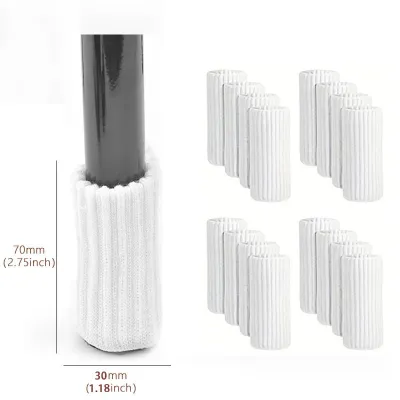
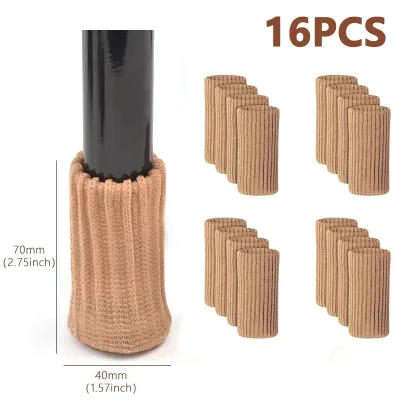
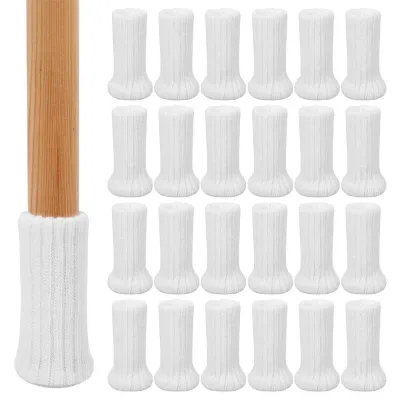
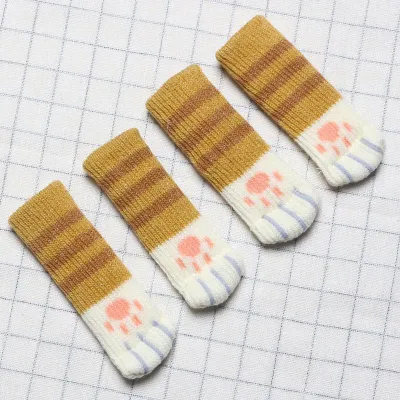
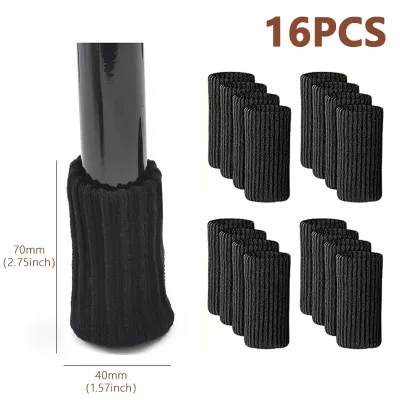
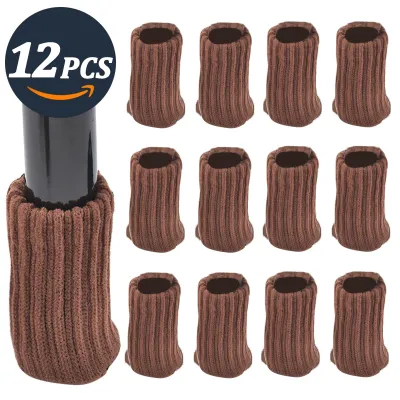
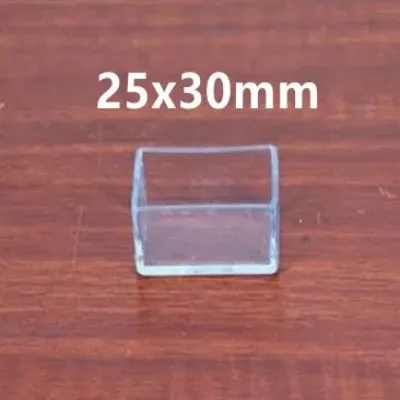
Prices are valid at publication and may change. Please refer to the product page for the latest price.
Understanding Floor Vulnerabilities: Tiles, Vinyl, and Parquet
To select the most effective chair sock, you must first understand how different flooring materials react to friction, pressure, and chemical contact. Singapore’s warm, humid climate can also play a subtle role, as ambient moisture can affect how certain adhesives, wood finishes, and synthetic materials behave over time.

Tiles and Grout Lines
Homogeneous, ceramic, and porcelain tiles are highly durable and moisture-resistant, making them popular choices for kitchens and dining areas. However, their extreme hardness means they have virtually no shock absorption. When unprotected chair legs scrape across tiles, they generate loud, high-frequency noise that easily reverberates through open-plan living spaces. Furthermore, tile floors are rarely perfectly flat; they are interrupted by recessed grout lines. Dragging heavy chairs over these uneven transitions subjects both the chair legs and the tile edges to repetitive impact, which can chip the tile edges or grind abrasive dirt deep into the porous grout lines over time.
Vinyl and Linoleum
Luxury vinyl tiles (LVT) and vinyl planks are popular for their soft underfoot feel and realistic wood aesthetics. Despite their resilience, vinyl surfaces are relatively soft and highly susceptible to physical and chemical damage. Heavy, localized pressure from chair legs can cause permanent indentations if the load is not distributed properly. Dragging chairs can also tear or gouge the thin wear layer, especially if grit becomes trapped beneath the chair leg. Chemically, vinyl is highly sensitive to plasticizer migration. Certain low-quality rubber compounds and cheap synthetic dyes can chemically react with the vinyl’s polyurethane topcoat, leaving permanent, unsightly yellow or dark stains.
Parquet and Engineered Wood
Parquet, solid timber, and engineered wood floors add natural warmth to bedrooms and living spaces, but they are by far the most delicate flooring options. Wood is a relatively soft organic material protected only by a thin surface sealant, such as polyurethane, lacquer, or oil. In tropical environments, shifts in indoor humidity can make the surface finish even more vulnerable to micro-abrasions. When a chair is dragged across parquet, any tiny particle of dust or sand trapped beneath the leg acts exactly like coarse sandpaper, grinding away the protective sealant and exposing the raw wood beneath to moisture and deeper structural rot.
Choosing the Right Material: Silicone, Felt, Fabric, and Rubber
With these distinct vulnerabilities in mind, we can evaluate the four primary types of chair socks available on the market. Each material offers a different balance of friction, durability, and floor compatibility.
Silicone Socks (Ideal for Tiles and Vinyl)
Silicone chair socks—often designed as flexible, translucent caps that stretch over the chair leg—are highly effective for hard, non-porous surfaces. Because silicone is inherently waterproof and chemically inert, it will not degrade when exposed to floor cleaning detergents or occasional liquid spills. On tiled floors, silicone caps provide exceptional noise dampening by absorbing the impact of the chair leg hitting the hard surface. They are also incredibly easy to maintain; you can simply wipe them clean with a damp cloth to remove any surface dust. However, when using silicone socks on vinyl flooring, a critical safety and maintenance boundary must be observed. While high-quality food-grade silicone is generally safe, prolonged stationary pressure from certain low-grade silicone blends or synthetic elastomers can occasionally leave faint, temporary marks on matte or textured vinyl finishes. To prevent this, ensure you purchase high-quality, non-reactive silicone caps and occasionally move your dining or study chairs to relieve constant pressure on a single spot.
Felt and Felt-Lined Socks (Ideal for Parquet)
Felt is widely considered the gold standard for protecting delicate timber and parquet floors. The soft, dense fibers of felt allow chair legs to glide effortlessly across wood finishes without any risk of scratching or scuffing, even under heavy loads. Felt-lined socks combine the secure fit of a stretchable sleeve with a thick, compressed felt pad at the base. This hybrid design ensures the protector stays firmly in place while providing a smooth, silent glide. However, felt comes with a crucial maintenance caveat: its fibrous texture acts like a magnet for hair, pet fur, dust, and abrasive outdoor grit. If these particles become embedded in the felt base, the sock itself transforms into a scratching hazard, grinding the very grit you wanted to avoid directly into your parquet. Additionally, felt easily absorbs liquid spills and mopping water. Holding damp felt against a wood floor can damage the timber’s sealant and cause localized warping or discoloration. To prevent this, felt-lined socks must be regularly vacuumed, inspected, and washed or replaced if they become heavily soiled or thin.
Knitted and Fabric Socks (Versatile with Caveats)
Knitted chair socks, often made from acrylic, cotton, or wool blends, resemble miniature sweaters or booties for your furniture. They are highly popular for their cozy, domestic aesthetic and their ability to stretch over highly irregular, angled, or tapered chair legs. Fabric socks provide excellent initial noise reduction and allow for a smooth glide on most hard surfaces. However, they are not without significant drawbacks. When used on tiled floors, the rough edges of grout lines can quickly snag and shred thin knitted fibers, leading to rapid wear-through. On light-colored vinyl floors, cheap synthetic dyes in colored fabric socks can bleed when exposed to moisture or cleaning chemicals, resulting in permanent dye transfer stains. If you prefer the look of knitted socks, always look for premium options that feature a built-in, heavy-duty silicone or felt base insert. This hybrid construction ensures the fabric does not make direct contact with the floor, providing actual structural protection while retaining the soft, knitted aesthetic.
Rubber and TPE Caps (Grip vs. Glide)
Thermoplastic Elastomer (TPE) and rubber caps are heavy-duty protectors designed primarily for stability and grip rather than effortless sliding. If you have slick, highly polished tile floors, lightweight chairs can slide too easily, posing a safety risk for young children or elderly family members. In these specific scenarios, rubber or TPE caps provide the necessary friction to keep the chair securely in place. However, you must exercise extreme caution when pairing rubber with vinyl or parquet. Standard black or dark industrial rubber contains oils and chemical stabilizers that will migrate into vinyl flooring, causing dark, irreversible chemical stains. If you require the grip of a rubberized protector, strictly check the manufacturer’s product specifications for “non-staining,” “non-marking,” or “TPE-certified” labels. For parquet floors, ensure the rubber is soft enough not to scuff the finish, and regularly lift the chairs to verify that no moisture has become trapped beneath the airtight rubber seal.
Managing Mixed Flooring: Can One Sock Work Everywhere?
Modern residential layouts often feature mixed flooring transitions, such as a tiled kitchen or dining area that flows seamlessly into a parquet living room or vinyl-floored hallway. If your dining chairs are frequently moved between these different zones, finding a single, universal chair sock can be a challenge.
In these open-plan scenarios, hybrid chair socks—specifically those featuring a flexible silicone upper sleeve and a permanently bonded, high-density felt or soft TPE base—offer the most balanced performance. When selecting a universal protector for multi-use chairs, always prioritize the requirements of your most delicate flooring material. If your chairs travel between durable tiles and sensitive parquet, choose a sock optimized for parquet (such as a felt-bottomed silicone cap). While the felt base may wear down slightly faster on the tiled grout lines, it ensures your expensive wood floors remain completely protected from scratches. Alternatively, if a single sock type cannot perfectly balance the need for grip on tiles and glide on wood, consider placing a low-profile area rug over the transition zones. This physically separates the chair movement from the delicate flooring, mitigating wear differences and allowing you to use the most suitable protector for each specific zone.
Installation and Maintenance: Ensuring Long-Lasting Floor Protection
To ensure your chair socks function as intended and do not cause accidental damage, proper installation and ongoing maintenance are essential.
- Measuring: Never guess the size of your chair legs. Use a caliper or wrap a flexible measuring tape tightly around the leg to determine the exact diameter or perimeter. Note whether your chair legs are round, square, rectangular, or tapered, as silicone and fabric socks are engineered for specific geometric profiles. Standard dining chair legs typically range from 20mm to 40mm in diameter; choosing a sock that is too loose will cause it to slip off constantly, while a sock that is too tight can tear prematurely or apply excessive lateral pressure to the leg joint.
- Preparation: Before installing any new chair socks, thoroughly clean the bottom of each chair leg. Remove any old adhesive residue, accumulated dust, or embedded grit. Ensure the legs are completely dry; trapping moisture inside a silicone or rubber cap can lead to mold growth, wood rot, or corrosion on metal legs, especially in high-humidity environments.
- Maintenance Routine: Establish a simple inspection schedule every three to six months. Remove the socks and check the bases for embedded debris, thinning material, or signs of wear. Fabric and felt socks should be gently hand-washed in warm water with a mild detergent and allowed to air dry completely before reinstallation. If the protective base has worn thin or is heavily embedded with unwashable grit, replace the socks immediately to maintain optimal floor protection.
- Safety Boundary: If your flooring already shows signs of deep gouging, chemical staining, or sealant wear, stop and consult the flooring manufacturer's care guide or a professional flooring contractor before applying any new protectors. Chair socks are designed to prevent damage, but they cannot repair existing structural compromises or stop chemical reactions that have already begun.
Frequently Asked Questions (FAQ)
Do chair socks slip off easily during use?
Slipping is almost always a result of incorrect sizing or poor material choice. If a chair sock is too large for the leg diameter, gravity and lateral friction will pull it down as the chair is moved. To prevent this, choose high-quality socks that feature internal silicone grip rings or elasticized cuffs designed to hug the chair leg securely. For tapered legs, hybrid silicone-and-felt caps offer a more stable, form-fitting grip than pure fabric socks.
Can I use chair socks on office chairs with wheels?
No, you should never attempt to stretch chair socks over rolling casters. The fabric or silicone will tear almost instantly under the rolling friction, and the sock will impede the wheel’s rotation, creating a tipping hazard. If you need to protect your floors from an office chair, replace the standard hard plastic caster wheels with soft polyurethane or rollerblade-style casters specifically designed for hard floors, or use a dedicated polycarbonate chair mat.
How often should I replace my chair socks?
On average, high-quality chair socks should be inspected every 3 to 6 months and typically replaced every 12 to 18 months, depending on usage frequency and floor roughness. If you notice the base material has worn thin, the fabric has torn, or the felt has become heavily compacted and embedded with sharp grit that cannot be washed out, replace them immediately to ensure continuous floor safety.
Community discussion
Share your experience or ask a question. Comments are reviewed before publication.