
Choosing the right chair leg protector is the difference between a pristine floor and costly surface repairs. There is no single universal option that works for every home. The ideal protector depends entirely on the material of your floor and how often the furniture is moved. Matching the friction level and hardness of the protector to your specific flooring prevents scratches, scuffs, and deep gouges.
Quick Answer: Which Chair Leg Protector Should You Choose?
To find the correct solution quickly, evaluate your primary flooring type and how the furniture is used.
- Choose Felt if: You have solid hardwood, engineered wood, parquet, or laminate floors and need dining chairs or stools to slide smoothly and quietly without scratching the surface.
- Choose Rubber if: You have ceramic tile, porcelain, marble, or polished stone floors and need heavy, stationary furniture like sofas, bookshelves, or dining tables to stay firmly in place with impact absorption.
- Choose Silicone if: You want a highly versatile, secure-fitting sleeve or cap that stretches over various leg shapes (round or square) and is gentle on vinyl, luxury vinyl tiles (LVT), laminate, and wood floors.
- Choose Plastic if: You are moving heavy furniture over carpeted areas or rugs, or if you use specific metal track systems that require low-resistance gliding over fibers.
Selecting a protector is a balance between friction and floor vulnerability. A protector that is too hard can scratch delicate surfaces, while one that is too soft or sticky will wear out rapidly or make moving furniture difficult.
Products mentioned in this guide
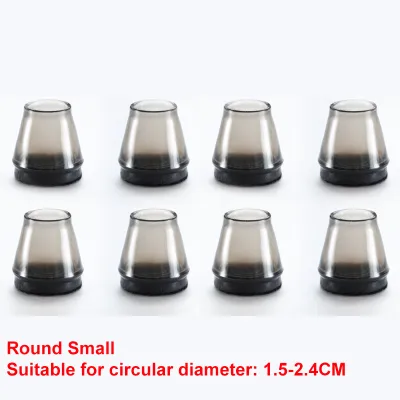
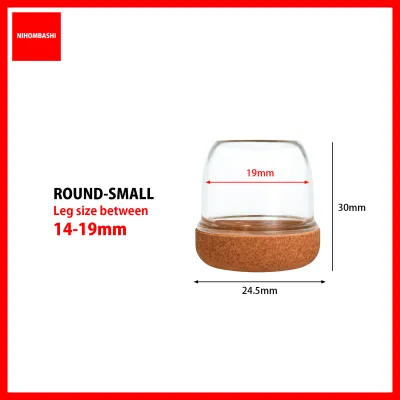
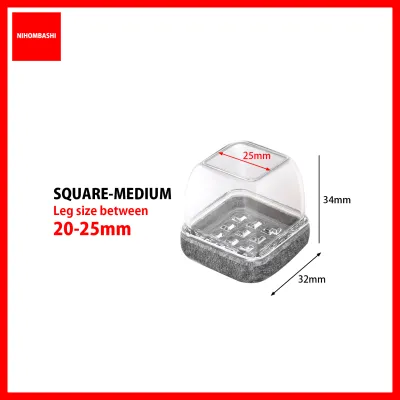
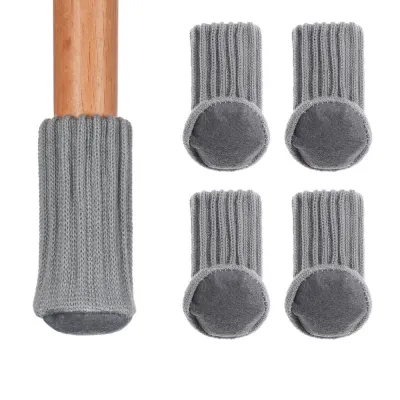
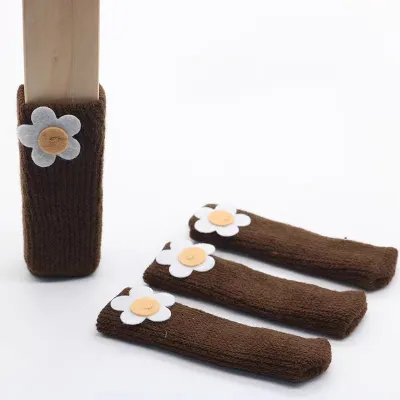
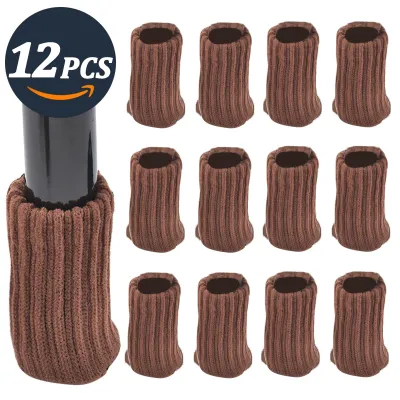
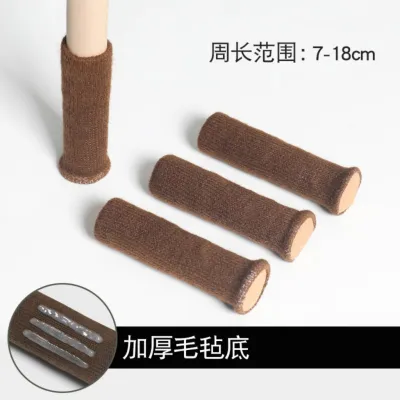
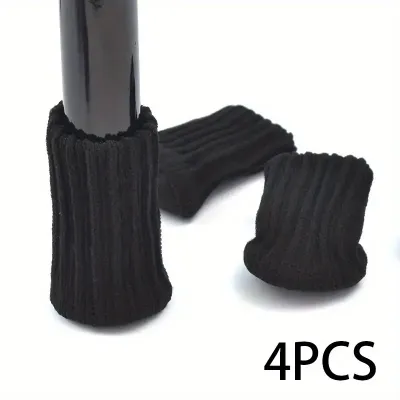
Prices are valid at publication and may change. Please refer to the product page for the latest price.
How Different Floor Materials React to Furniture Weight and Movement
Understanding how your flooring reacts to weight, friction, and pressure is essential before selecting an accessory. Different materials have distinct vulnerabilities that dictate which protector will offer the best defense.

Hardwood and Engineered Wood floors are highly susceptible to surface scratching, gouging, and denting. When a person sits on a chair, their weight concentrates into four very small points of contact. If the chair is dragged without a protective barrier, even tiny dust particles trapped underneath can act like sandpaper, carving fine micro-scratches into the polyurethane finish or the wood itself. Over time, these micro-scratches dull the floor’s appearance and expose the raw wood to moisture and staining.
Ceramic, Porcelain, and Natural Stone Tiles are incredibly hard and durable, but they are not immune to damage. Heavy point-loads from solid wood or metal chair legs can cause hairline cracks or chipping, particularly if the chair is dropped or slammed down. Additionally, grout lines create uneven transitions; when a narrow, unprotected chair leg slides across a grout joint, it can catch, causing the chair to tip or chipping the edge of the tile. These floors require shock absorption and a wider base to distribute weight evenly.
Vinyl, LVT, and Laminate are popular for their resilience, but they are prone to scuffing, tearing, and permanent indentation. Heavy, stationary furniture left in one place for months can create permanent depressions in the soft core of vinyl. Furthermore, certain chemical compounds in cheap rubber or plastic can migrate into the vinyl finish, causing permanent yellow or dark discoloration that cannot be cleaned off.
Carpeted Floors and Rugs present a completely different challenge. Instead of scratching, the primary risk here is fiber crushing, matting, and tearing. Heavy furniture leaves deep, unsightly depressions that ruin the pile. Moving a chair with a soft or high-friction protector across a carpet can snag the fibers, leading to loose threads and premature wear. These surfaces require hard, smooth glides that distribute weight and slide effortlessly over the textile weave.
Comparing Chair Leg Protector Materials: Pros, Cons, and Best Uses
Each material used in chair leg protectors offers a unique set of physical properties, durability levels, and friction characteristics. Choosing the right one requires weighing these pros and cons against your specific household needs.
Felt Pads: Best for Smooth Gliding on Hard Surfaces
Compressed wool or synthetic felt pads are the traditional standard for floor protection. They create an incredibly soft, low-friction barrier that allows chairs to slide effortlessly and silently across hard surfaces. This makes them the premier choice for high-use furniture like dining room chairs on wood or laminate floors.
However, felt pads have notable drawbacks. The adhesive backing used to secure them to the chair legs can fail over time, especially in warm or humid environments like Singapore, causing the pads to slide off and leave sticky residue on your floor. Additionally, felt compresses rapidly under heavy weight, losing its cushioning ability. The fiber structure also acts like a magnet for dust, pet hair, and small outdoor grit; if these abrasive particles become embedded in the felt, dragging the chair can scratch the floor just as badly as bare wood or metal.
Rubber Caps and Pads: Best for Grip and Shock Absorption
Rubber is defined by its high coefficient of friction and excellent elasticity. This makes rubber protectors the absolute best choice for keeping stationary furniture firmly in place. If you have a sofa, a heavy storage cabinet, or a dining table on a smooth tile floor that constantly slides out of position, rubber pads or slip-on caps will anchor them securely.
The high-friction grip that makes rubber excellent for stability also makes it unsuitable for chairs that are moved frequently. Dragging a rubber-protected chair is difficult and puts immense stress on the chair joints. Furthermore, some low-grade rubber compounds contain oils and antioxidants that can chemically react with light-colored tile grout or vinyl flooring, leaving permanent, unsightly yellow or brown stains.
Silicone Caps: Best All-Rounder for a Secure, Gentle Fit
Silicone caps represent a modern advancement in furniture care. Made from flexible, elastic silicone, these sleeves stretch to wrap tightly around the chair leg, completely eliminating the need for messy adhesives. They conform easily to round, square, or rectangular legs, providing a clean, streamlined look that blends in with the furniture.
Many high-quality silicone caps feature an integrated felt pad on the bottom. This hybrid design combines the secure, adhesive-free fit of silicone with the smooth, silent gliding of felt. The primary limitation of silicone is its structural vulnerability; if stretched over sharp metal legs or rough wooden edges, the silicone can tear. They are also less suited for highly textured stone floors, which can wear down the silicone material prematurely.
Plastic Glides: Best for Carpets and Heavy-Duty Tracks
Hard plastic glides, often made from nylon or PTFE (Teflon), are engineered for durability and low resistance. They are the ideal choice for carpeted rooms because they slide smoothly over the fabric pile without catching, snagging, or pulling the fibers. They also distribute weight across a wider surface area, reducing the depth of carpet indentations.
You should generally avoid using standard hard plastic glides on hard-surface floors like wood, vinyl, or laminate. Because plastic is rigid, any small piece of dirt trapped beneath it will be pressed hard into the floor, leading to deep scratches. Unless a plastic glide is specifically engineered with a specialized low-friction, non-scratch coating, it should be reserved strictly for carpets and rugs.
The Floor-to-Protector Matching Guide: What to Use Where
To simplify your decision, use this comprehensive matching guide to pair your home’s flooring with the most compatible protector material.
| Floor Type | Recommended Protector Material | Primary Benefit | What to Avoid |
|---|---|---|---|
| Hardwood & Parquet | High-density Felt or Silicone with felt bottoms | Smooth gliding, zero scratch risk, quiet movement | Hard plastic, bare metal, low-grade rubber |
| Laminate | Felt pads or Silicone caps with felt bottoms | Low friction prevents surface dulling and scuffs | Heavy rubber (impedes movement), hard plastic |
| Ceramic & Porcelain Tile | Thick Rubber pads (stationary) or Silicone caps | Shock absorption, prevents chipping, bridges grout lines | Thin felt (compresses too quickly under heavy loads) |
| Vinyl & LVT | Soft Silicone or High-density Felt | Non-marking, prevents deep indentations | Black rubber (staining risk), rigid plastic |
| Carpet & Rugs | Hard Plastic (Nylon/PTFE) glides | Slides easily over fibers, prevents snagging | Soft rubber, silicone (grips and tears fibers) |
When selecting a protector, always check your flooring manufacturer’s care instructions and warranty guidelines. Some luxury vinyl and engineered wood warranties explicitly state which types of protective pads are approved. Using unapproved materials—such as certain rubber compounds on vinyl—can void your flooring warranty if chemical staining or structural damage occurs.
Additionally, consider the weight of the furniture. Heavy dining tables and sideboards exert massive downward pressure. For these items, choose wider, thicker protectors that distribute the weight across a larger surface area to prevent permanent indentations, especially on softer floors like vinyl or laminate.
Installation and Maintenance to Prevent Hidden Floor Damage
Even the highest-quality chair leg protector will fail to protect your floors if it is installed incorrectly or neglected over time. Proper application and routine maintenance are critical to keeping your floors scratch-free.
Surface Preparation Before applying any adhesive felt pad or slipping on a silicone cap, you must thoroughly clean the bottom of the chair leg. Use a clean cloth dampened with rubbing alcohol to wipe away accumulated dust, floor wax, oils, and old adhesive residue. Let the wood dry completely before applying the new protector. This step ensures a strong, long-lasting bond and prevents the pad from sliding off prematurely.
Sizing and Coverage Ensure the protector you choose matches the exact dimensions of the chair leg’s footprint. If an adhesive felt pad is too small, the exposed wooden or metal edges of the chair leg can still make contact with the floor when the chair is tilted or moved. If the pad is too large, it will collect dust along the exposed adhesive border, creating an unsightly ring of dirt. For slip-on silicone caps, measure the leg diameter carefully to ensure a snug fit that won’t slip off when the chair is lifted.
Routine Maintenance Treat chair leg protectors as wear-and-tear items that require regular inspection. Every three to six months, turn your chairs over to inspect the pads. Look for embedded pet hair, dirt, and small grit. You can clean lightly soiled felt pads using a stiff brush or the sticky side of a piece of heavy-duty tape to pull out debris. If the felt is heavily compressed, hardened, or peeling at the edges, it is time to replace it.
Hardware Checks If you use screw-on or nail-on plastic or felt glides, check them periodically to ensure the metal hardware remains fully recessed. Over time, as the protective felt or plastic wears down, or if the screw works itself loose, the metal screw head or nail can protrude. This can cause deep, irreversible gouges in hardwood or tile floors. Tighten any loose screws immediately, and replace worn glides before the metal is exposed.
Safe Removal When replacing old adhesive pads, do not scrape them off with sharp metal tools that can gouge the furniture legs. Instead, apply a small amount of adhesive remover or rubbing alcohol to soften the glue. Gently scrape the residue away using a plastic putty knife or a rough cloth. Ensure the leg is clean and dry before applying a fresh protector to maintain a clean finish and secure hold.
Frequently Asked Questions (FAQ)
Do chair leg protectors completely prevent scratches on hardwood?
While high-quality chair leg protectors significantly reduce the risk of floor damage, they are not entirely foolproof. Microscopic grit, sand, and dust on the floor can become trapped between the protector and the wood surface. When the chair is dragged, this trapped debris acts like an abrasive agent, causing fine scratches. To prevent this, regular sweeping or vacuuming is required alongside keeping the protectors clean.
How often should I replace adhesive felt pads on dining chairs?
On average, adhesive felt pads on frequently used dining chairs should be replaced every 3 to 6 months. The exact lifespan depends on the weight of the users, the texture of your floors, and how often the chairs are moved. Replace the pads immediately if you notice the felt has become completely flattened, the adhesive is oozing out, the edges are peeling, or there is visible dirt embedded in the fibers.
Can rubber protectors stain vinyl flooring or light-colored tiles?
Yes, certain rubber protectors can cause permanent chemical staining on vinyl, LVT, and light-colored stone or ceramic tiles. This occurs because of a process called plasticizer migration or antioxidant staining, where chemicals in the rubber react with the floor’s finish, leaving yellow, orange, or brown marks. To avoid this, always look for protectors explicitly labeled as non-marking, or opt for high-quality silicone or felt alternatives.

Community discussion
Share your experience or ask a question. Comments are reviewed before publication.