
Singapore’s tropical climate presents a constant challenge for home maintenance, with relative humidity levels frequently averaging between 80% and 90% throughout the year. This persistent moisture in the air interacts directly with indoor textiles, creating an environment where organic materials can quickly degrade. For homeowners using a chair cover to protect their dining or office seating, understanding how this ambient dampness behaves is the first step in preventing the unsightly stains and sour odours associated with fungal growth.
Mould spores are microscopic, airborne organisms that exist naturally in almost every environment. They remain dormant until they land on a surface that provides moisture, warmth, and a food source. In a typical household, dust, skin cells, and natural textile fibres serve as nutrients. When combined with the trapped moisture of a humid room, these spores can germinate within 24 to 48 hours, spreading tiny root-like structures deep into the fabric and releasing volatile organic compounds that cause musty smells.
The structural design of a chair cover can either mitigate or worsen this issue. If a cover lacks breathability, it acts as a barrier that traps ambient humidity, body heat, and perspiration against the chair’s underlying cushioning. This creates a stagnant microclimate beneath the fabric. Over time, this trapped moisture migrates into the foam or wooden frame of the furniture, leading to deep-seated mould infestations that are incredibly difficult to eradicate.
Products mentioned in this guide
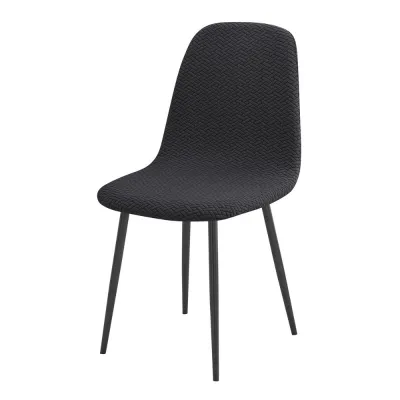
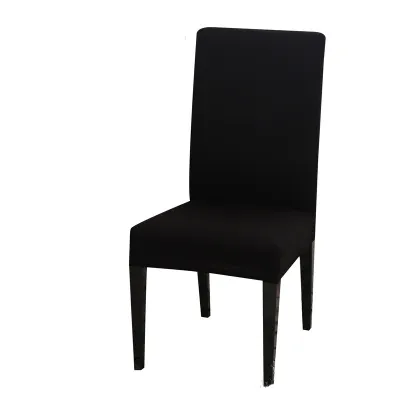
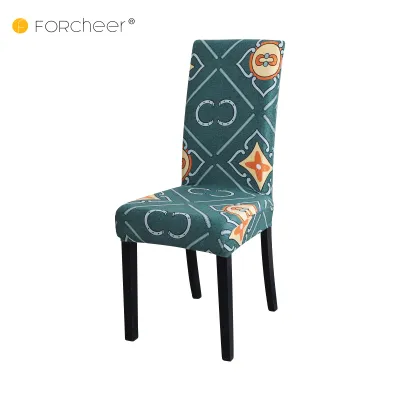
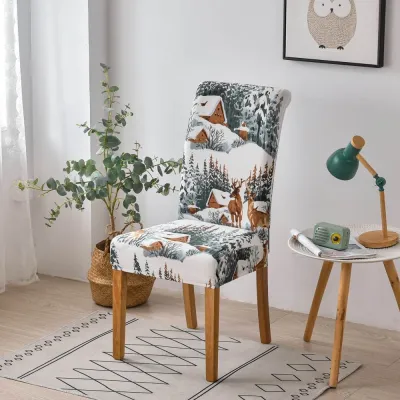
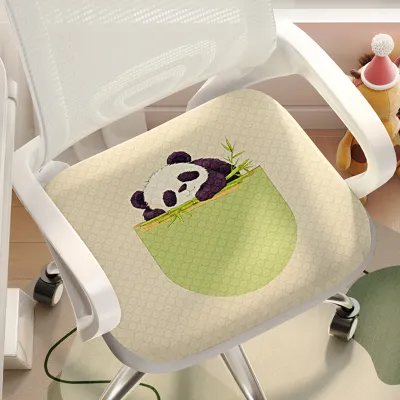
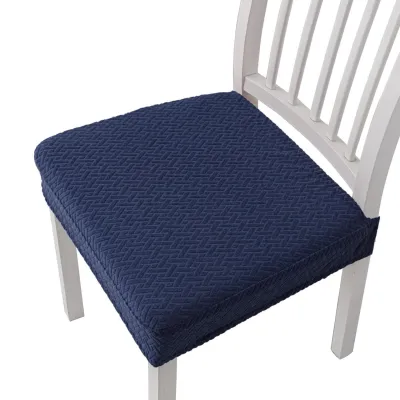
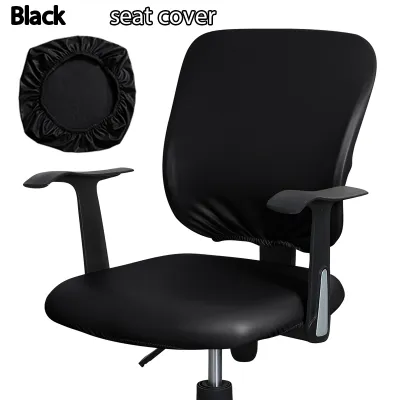
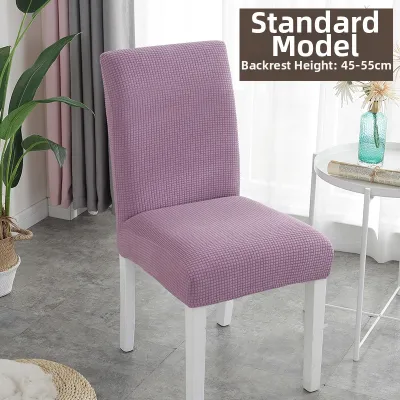
Prices are valid at publication and may change. Please refer to the product page for the latest price.
To prevent this cycle, a high-quality chair cover must strike a delicate balance between moisture resistance and breathability. It must allow air to flow freely so that any accumulated dampness can evaporate quickly, while also resisting the absorption of liquid spills and sweat. Selecting the right cover is not merely about finding an attractive pattern; it requires a careful evaluation of how the physical properties of the textile interact with Singapore’s intense tropical air.
Best Chair Cover Materials for Tropical Climates
Evaluating fabrics for a humid environment requires looking past simple aesthetics to analyze how individual fibres handle water vapour, airflow, and drying times. While some materials excel at keeping users cool, others are engineered to dry rapidly before fungi can establish a foothold.
Breathable Natural Blends (Linen and Cotton)
Natural fibres like linen and cotton are highly valued for their superior comfort and tactile appeal in warm weather. Linen, woven from the flax plant, features relatively thick, hollow fibres that naturally facilitate air circulation and heat dissipation. When blended with cotton, it creates a soft, highly breathable fabric that allows air to pass through easily, helping to cool the body and minimize the localized perspiration that often accumulates during long periods of sitting.
However, the primary drawback of pure natural fibres in a tropical climate is their hydrophilic nature. Cotton and linen readily absorb moisture from both the surrounding atmosphere and human skin, holding onto that water within their cellular structures. In a non-air-conditioned room, a pure cotton cover can quickly feel damp and heavy, providing the exact moisture reservoir that dormant mould spores need to germinate and multiply.
To safely enjoy the comfort of natural fibres, look for lightweight, tightly woven blends rather than heavy, coarse weaves. It is also essential to verify the manufacturer’s care label to ensure the fabric can withstand frequent, high-temperature machine washing. Regular washes at higher temperatures are necessary to break down organic debris and eliminate any lingering fungal spores before they can cause permanent damage or odours.
Moisture-Resistant Synthetics (Polyester and Microfiber)
Synthetic materials such as polyester and high-density microfiber offer a highly practical alternative for managing high humidity. These engineered polymers are naturally hydrophobic, meaning they resist absorbing water into the core of their fibres. Instead of soaking up moisture, synthetic fabrics allow water to sit on the surface or wick away, resulting in exceptionally fast drying times after washing or exposure to humid air.
Microfiber is constructed from extremely fine synthetic threads that are split to create a dense, smooth surface. This tight structure makes it difficult for liquid spills or dust to penetrate deep into the material, allowing you to wipe away messes before they sink into the underlying chair cushion. Because synthetic polymers do not contain organic compounds, they do not serve as a food source for fungi, making them inherently more resistant to mildew and rot than untreated natural fabrics.
When selecting synthetic covers, always inspect the underside of the fabric to ensure it does not feature a solid plastic, rubber, or heavy polyurethane lining. While these impermeable backings are excellent for complete waterproofing, they block all air circulation. This lack of ventilation traps ambient humidity and condensation between the cover and the chair, creating a hidden breeding ground for mould on the very furniture you are trying to protect.
Materials to Avoid or Use with Caution
Certain popular upholstery fabrics are poorly suited for tropical climates and should generally be avoided for daily use. Heavy, high-pile textiles such as thick velvet, plush chenille, and heavy brocades are notorious for trapping dust, pet dander, and environmental moisture within their deep fibres. This accumulation of organic debris and trapped dampness creates an ideal habitat for mould and dust mites to thrive, often resulting in a persistent musty smell.
Faux leather, solid vinyl, and polyurethane-coated covers should also be approached with caution. Although these materials are easy to wipe clean, they completely lack breathability. Sitting on a non-porous vinyl cover in a warm room quickly leads to discomfort and sweating, and the moisture trapped underneath cannot evaporate. Over time, this lack of airflow can cause the underlying chair foam to rot and emit a sour, stale odour that is nearly impossible to remove.
Delicate natural materials like pure silk or fine wool are also highly vulnerable to the effects of high humidity. These fibres degrade quickly when exposed to persistent moisture and cannot tolerate the frequent, rigorous washing cycles required to keep soft furnishings sanitary in a tropical environment. They are prone to spotting, shrinking, and harbouring bacteria, making them impractical choices for everyday chair protection.
Specifications and Labels to Verify Before Buying
To find a chair cover that will truly withstand high humidity, you must look past generic marketing claims and carefully evaluate technical specifications, fabric treatments, and care instructions. A product labeled “mould-resistant” may not perform as expected if its structural design or washing requirements are unsuitable for your home.

The most critical specification to verify on any textile care label is the maximum washing temperature. Look for chair covers that are explicitly rated as machine washable at 60°C or higher. Standard cold or warm washes (30°C to 40°C) are sufficient for removing surface dirt, but they do not reliably kill resilient fungal spores or dust mites. Being able to run a hot sanitizing cycle periodically is one of the most effective ways to ensure your covers remain fresh and completely free of microscopic biological growth.
Another valuable feature to look for is a Durable Water Repellent (DWR) finish. Unlike a solid plastic laminate, a DWR treatment is applied to individual fibres during manufacturing. This allows liquid spills to bead up and roll off the surface of the cover, preventing immediate staining, while keeping the microscopic spaces between the woven threads completely open. This ensures the fabric retains its breathability, allowing air to circulate freely and preventing moisture from becoming trapped underneath.
The density and style of the weave also play a major role in long-term performance. A flat, tightly woven fabric is far superior to a loose, textured weave for humidity control. Loose weaves feature larger gaps that easily collect airborne dust, skin flakes, and pet dander, which combine with ambient moisture to feed mould. A smooth, high-density weave minimizes these crevices, making it much harder for organic debris to accumulate and easier to vacuum or wipe clean between washes.
Finally, always double-check the composition of stretch-fit covers. If a cover is designed to stretch over a dining chair, ensure that the elasticizing agents, such as elastane or spandex, are woven directly into the yarn rather than applied as a solid, rubberized backing layer. A woven stretch fabric maintains its porous structure, whereas a laminated backing seals off the chair’s original upholstery from necessary air circulation, increasing the risk of condensation and mould development on the cushion underneath.
Maintenance Routines to Keep Covers Fresh and Mould-Free
Even the most advanced humidity-resistant materials require regular, proactive maintenance to remain clean and odour-free in a tropical climate. Establishing a consistent care routine will protect both your chair covers and the valuable furniture underneath from the destructive effects of persistent moisture.
A practical cleaning schedule is essential for preventing the buildup of organic matter. Aim to wash your chair covers at least once every two weeks, or weekly if the room is not air-conditioned, has high daily foot traffic, or is frequently used by pets. Always use a high-quality laundry detergent and select the maximum water temperature permitted by the fabric’s care instructions to thoroughly sanitize the fibres and eliminate any early-stage fungal spores.
The most critical step in the entire maintenance process is ensuring that the covers are completely dry before they are placed back onto the chairs. Putting a slightly damp cover over a cushion creates an immediate, high-humidity microclimate that will trigger rapid mould growth within hours. If using a tumble dryer, select a heat setting compatible with the fabric to ensure all residual moisture is thoroughly evaporated. If you prefer to air-dry, hang the covers in a well-ventilated area with direct sunlight, as ultraviolet rays serve as a highly effective, natural disinfectant.
Managing the indoor air quality of your home also plays a decisive role in protecting soft furnishings. In areas of the house that tend to trap damp air, consider running a dehumidifier or utilizing the “dry” mode on your air conditioning unit to keep the relative indoor humidity below 60%. This simple environmental control dramatically slows down the germination rate of fungal spores, keeping your fabrics drier and significantly extending the lifespan of your furniture.
Finally, always maintain a clear safety boundary when caring for your chairs. Every time you remove the covers for laundering, take a few minutes to inspect the original upholstery, foam cushioning, and wooden frame underneath. If you discover dark spots, structural softening, or a deep, persistent musty smell that originates from the chair itself, do not simply cover it back up with a clean slipcover. Stop using the cover immediately and consult a professional furniture restorer to address the structural mould, as trapping active fungi beneath a fabric layer will only accelerate the decay of the furniture.
Frequently Asked Questions (FAQ)
Can I use waterproof chair covers to prevent mould?
While fully waterproof chair covers, such as those featuring solid plastic or rubberized backings, are highly effective at blocking liquid spills, they are generally not recommended for preventing mould in humid climates. These impermeable barriers trap ambient humidity, body heat, and perspiration between the cover and the chair cushion, creating a stagnant, damp environment underneath. Over time, this trapped moisture leads to severe mould growth on the original upholstery. For daily tropical use, breathable covers treated with a water-repellent finish are a much safer choice, as they allow moisture to evaporate while still offering spill protection.
How do I remove existing mould smells from a chair cover?
To eliminate persistent musty odours, first consult the manufacturer’s care label to verify fabric compatibility. If the material allows, wash the cover in a machine cycle using the warmest safe water setting, adding a cup of white vinegar or a half-cup of baking soda to the wash cycle to neutralize the odour-causing compounds. Once the cycle is complete, ensure the fabric is dried completely in direct sunlight or a tumble dryer. Avoid using harsh chlorine bleach on coloured fabrics or delicate synthetic blends unless explicitly approved by the manufacturer, as it can weaken the fibres and ruin the appearance of the cover.
Community discussion
Share your experience or ask a question. Comments are reviewed before publication.