
A growing hat collection is a point of pride, but without a dedicated storage system, it can quickly turn into a cluttered, misshapen pile. In Singapore’s compact living spaces, finding an efficient way to store and display your hats is essential. A high-quality cap hanger not only keeps your entryway or bedroom tidy but also preserves the structural integrity of your caps, protecting your investment.
Choosing the ideal cap hanger involves more than just finding a set of hooks. In Singapore’s unique environment, you must balance tight floor plans, high humidity levels, and rental drilling restrictions. This comprehensive guide explores the best cap hanger options available in Singapore, helping you choose the perfect system to keep your collection organized, accessible, and in pristine condition.
How to Choose the Right Cap Hanger for Your Space and Hats
Space Constraints in HDBs and Condos
Standard HDB flats and modern condominiums often require clever spatial planning. Freestanding options are excellent if you have an unused corner in your bedroom or entryway, but they consume valuable floor space. For smaller rooms, utilizing vertical or hidden space is a smarter approach. Over-the-door hangers and wall-mounted systems turn unused surfaces into functional storage, keeping your floor areas completely clear and open.
Products mentioned in this guide
![[SG] Wardrobe Hat Hanger/ Closet Hanging Cap Organizer/ Adjustable Hooks Organizer Holder/Baseball Cap Rack/Wall Hanger](https://img.lazcdn.com/g/p/0f22762782458185ee6f59e156e4100f.jpg_400x400q80.jpg_.webp)
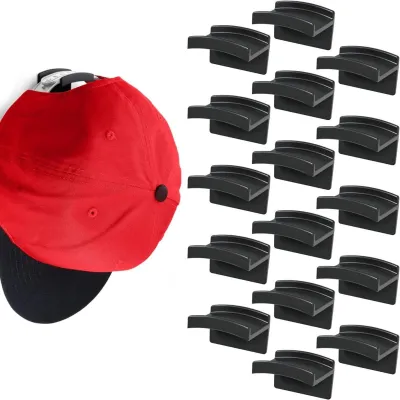
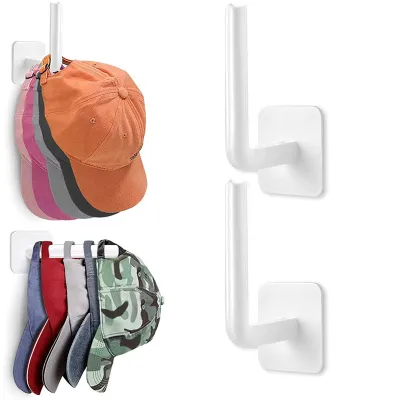

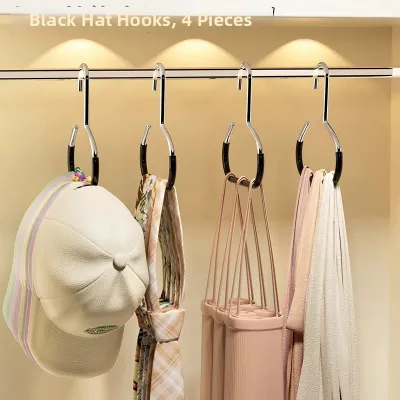
Prices are valid at publication and may change. Please refer to the product page for the latest price.
Hat Shape and Material Preservation
The design of your cap hanger should match the types of hats you own. Structured caps, such as snapbacks, fitted baseball caps, and trucker hats, rely on a stiffened front panel (the buckram) to maintain their upright shape. Hanging these caps by tight clips or forcing them onto narrow hooks can bend the crown or crease the fabric permanently. Unstructured caps, like dad hats, bucket hats, and running caps, are more forgiving but can still stretch out of shape if hung by their adjustable straps for extended periods. Choosing the right mechanism—whether wide hooks that support the crown, flat shelves, or gentle clips—is vital to maintaining their original form.
Airflow and Humidity Management
Singapore’s tropical climate, characterized by high relative humidity that frequently exceeds 80 percent, presents a major challenge for fabric storage. When hats are packed tightly in dark, enclosed spaces, trapped moisture and sweat can lead to mold growth, musty odors, and fabric deterioration. To combat this, look for open cap hanger designs that maximize air circulation around each hat. Avoiding deep, enclosed pockets and opting for open wire grids, peg rails, or cascading hooks allows your caps to breathe, keeping them fresh and dry.
Installation Limits and Rental Rules
Before purchasing a cap hanger, consider your housing situation. Renters in Singapore must navigate strict tenancy agreements that often prohibit drilling holes into walls. For these scenarios, damage-free installation options are essential. Over-the-door hangers require zero tools or adhesives, while high-quality adhesive wall hooks offer a customizable layout without damaging the paint. If you own your home and want a permanent, heavy-duty display, wall-anchored screws provide the ultimate stability for large, heavy collections.
Top Types of Cap Hangers for Every Hat Collector
Over-the-Door Cap Hangers for Compact Bedrooms
Over-the-door cap hangers are among the most popular space-saving solutions for Singaporean bedrooms. These systems typically consist of a durable strap or a solid metal frame that hooks over the top and bottom of a standard interior door. Along the length of the strap or frame, cascading plastic hooks, metal rings, or fabric loops are positioned to hold multiple caps vertically. This design utilizes the otherwise wasted vertical space behind your bedroom or closet door, keeping your collection hidden from sight when the door is open, yet easily accessible when closed.

This style is ideal for renters, students living in shared spaces, or anyone with highly limited wall and floor space. Because they require absolutely no drilling, screws, or permanent adhesives, you can install or relocate them in a matter of seconds. They are also incredibly cost-effective, offering high storage capacity relative to their price and footprint.
However, over-the-door hangers do come with specific limitations. The most common issue is door clearance. If the gap between the top of your door and the frame is too tight—typically less than 2mm to 3mm—the metal brackets may scrape against the frame, making it difficult to close the door smoothly. Additionally, loose-fitting straps can cause the hanger to swing or rattle against the door when it is opened or closed, which can be noisy and potentially scuff the door’s surface over time.
To avoid these issues, always measure your door’s thickness and check the top clearance before buying a cap hanger from online marketplaces. A quick way to test clearance is to place a Singapore one-dollar coin on top of the door; if the door closes easily with the coin in place, you have sufficient clearance for standard over-the-door brackets. Look for models that feature adjustable tension straps or include adhesive foam pads to dampen sound and prevent scratching.
Wall-Mounted and Adhesive Hangers for Display
For collectors who view their hats as a key part of their personal style, wall-mounted cap hangers turn a functional storage need into an eye-catching room feature. These organizers come in several designs, including classic wooden peg rails, industrial metal wire grids, and individual minimalist adhesive hooks. By mounting these systems on open wall space—such as above a study desk, alongside a wardrobe, or behind a bed—you can showcase the logos, colors, and designs of your caps, transforming them into personalized wall art.
This setup is perfect for dedicated collectors who want immediate visual access to their entire collection. It allows you to quickly select the perfect hat to match your outfit of the day without rummaging through drawers or closets. Wall-mounted systems are also highly customizable; you can arrange individual hooks in geometric patterns, straight rows, or staggered layouts to fit your specific wall dimensions.
The primary limitation of wall-mounted options lies in their installation requirements, particularly when using adhesive hooks. While adhesive options offer a drill-free setup, they have strict weight limits. If a hook is overloaded or applied incorrectly, it can fall off, potentially damaging your hats or peeling the paint off your walls. Furthermore, Singapore’s humid climate can sometimes weaken standard adhesives over time if the surface was not prepared properly.
To ensure a secure, long-lasting mount, always check the manufacturer’s specified weight capacity for the adhesive strips, and ensure your wall surface is clean and dry before application. Avoid applying adhesive hooks to textured walls, wallpaper, or freshly painted surfaces, as these materials are highly prone to peeling. For the best results, wipe the wall area with rubbing alcohol to remove dust and oils, press the adhesive firmly in place for 30 seconds, and allow it to cure for at least 24 hours before hanging any caps.
Freestanding and Multi-Tier Racks for Large Collections
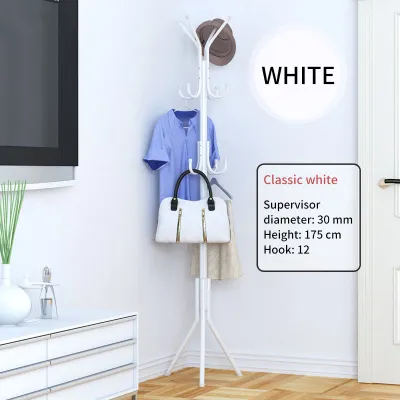
If your hat collection has grown too large for simple wall hooks or door straps, a freestanding cap rack offers a robust, high-capacity solution. These floor-standing units often resemble traditional coat racks but are specifically engineered with specialized circular rings, wide hooks, or tiered shelves designed to cradle the crowns of multiple hats. Some advanced models feature rotating carousel towers, allowing you to spin the rack to browse your collection easily.
Freestanding racks are the ultimate choice for serious collectors, sneakerheads, or fashion enthusiasts with extensive inventories of 30 or more hats. They are also highly suited for homes with spacious master bedrooms, walk-in wardrobes, or dedicated dressing areas. Because they do not rely on walls or doors for support, you can position them anywhere in a room and easily move them when rearranging your furniture.
The main drawback of freestanding racks is their physical footprint. In smaller Singaporean apartments, a floor-standing unit can make a room feel cramped and restrict movement. Additionally, because these racks are vertical and can hold a large volume of hats, they run the risk of becoming top-heavy. If the weight is not distributed evenly, or if the rack is bumped, it can easily tip over.
When selecting a freestanding rack, prioritize models that feature a heavily weighted, wide, or low-profile base to ensure maximum stability. This is particularly crucial in households with young children or active pets who might accidentally knock the rack over. Opt for sturdy metal construction with welded joints rather than lightweight plastic frames, as metal offers superior long-term durability and resistance to bending under load.
Clip-Based and Hanging Closet Organizers
For those who prefer a clean, minimalist living space free of visual clutter, keeping hats stored inside a wardrobe is the ideal approach. Closet-based cap hangers typically come in two designs: multi-clip hangers and hanging fabric shelves. Multi-clip systems feature a heavy-duty strap or metal bar that hangs from your standard closet rod, equipped with a series of clips that hold caps by their top buttons or rear straps. Hanging fabric shelves, on the other hand, hang vertically from the closet rod and provide flat, cubby-like compartments where caps can be stacked neatly.
These concealed storage solutions are perfect for homeowners who want to keep their bedrooms streamlined and organized. Storing hats inside a closed wardrobe provides excellent protection from environmental factors, keeping them completely shielded from dust, pet hair, and direct sunlight, which can cause fabrics to fade over time.
However, closet organizers do require a significant amount of horizontal hanging space on your closet rod. If your wardrobe is already packed with clothing, adding a hanging organizer can crowd your garments and make it difficult to access your clothes. Another critical limitation is the potential damage caused by clips. If you use a clip-based system, leaving heavy metal clips clamped onto delicate materials like suede, leather, or soft cotton for long periods can leave permanent indentations or creases on the brims or crowns.
To protect your hats from damage, look for clip-based organizers that feature soft silicone, rubber, or foam padding on the inner jaws of the clips. This cushioning distributes the pressure evenly and prevents the metal from biting into the fabric. If you have structured caps with stiff visors, hanging them gently by their adjustable plastic snaps or metal buckles rather than clamping the fabric is a safer way to preserve their shape.
Quick Comparison: Which Cap Hanger Type Fits Your Needs?
Selecting the perfect cap hanger depends on your specific living arrangements, the size of your collection, and your aesthetic preferences. To help you quickly evaluate your options, the table below summarizes the key differences, ideal use cases, and trade-offs of each hanger type discussed above.
| Hanger Type | Best For | Space Required | Installation Needed | Key Limitation |
|---|---|---|---|---|
| Over-the-Door | Renters and compact bedrooms with limited space | Zero floor or wall space; fits on standard doors | None (hangs over door frame) | May rattle; requires top door clearance |
| Wall-Mounted | Displaying hats as room decor and visual access | Available wall space above furniture | Adhesive strips or drilling | Adhesive weight limits; potential wall damage |
| Freestanding | Large collections and spacious walk-in wardrobes | Dedicated floor footprint (30–50cm diameter) | Simple assembly (no wall mounting) | Takes up floor space; can become top-heavy |
| Closet-Based | Minimalist rooms; keeping hats dust-free | Wardrobe hanging rod space | None (hangs on standard rod) | Consumes closet space; clips can crease brims |
Use this comparison table as a starting point when browsing online marketplaces or local home organization stores in Singapore. By matching your primary constraint—whether it is a strict no-drilling rental policy, a lack of closet space, or a desire to showcase your favorite snapbacks—you can narrow down your choices and select a storage solution that keeps your hats organized and protected for years to come.
Tips for Maintaining Your Hats in Singapore's Humid Climate
Dust and Sunlight Protection
While displaying your hats on open wall hangers looks fantastic, prolonged exposure to environmental elements can degrade the fabrics. Direct sunlight streaming through windows contains UV rays that will quickly fade vibrant colors, turning deep blacks and bright reds into dull, washed-out shades. To prevent this, position your wall-mounted hangers away from direct sunlight. Additionally, hats stored openly will accumulate dust over time. Regularly dusting your caps with a soft-bristled brush or a lint roller will prevent dust from settling deep into the fabric fibers, keeping them looking clean and fresh.
Moisture and Sweat Control
Singapore’s hot, humid weather means that wearing a hat outdoors almost guarantees sweat accumulation along the inner sweatband. Storing a damp, sweaty hat immediately on a hanger or inside a dark closet is a recipe for disaster. The trapped moisture combined with body oils creates the perfect breeding ground for mold, mildew, and yellow sweat stains. Always allow your hats to air-dry completely in a well-ventilated, shaded room before placing them back on their hangers. For stubborn sweat odors, gently hand-wash the sweatband with mild soap and water, and let it dry thoroughly.
Shape Retention Techniques
Structured caps rely on internal stiffening panels to maintain their iconic rounded shape. If these panels are crushed or bent during storage, the hat may lose its fit and aesthetic appeal permanently. When storing structured caps on flat closet shelves or in boxes, avoid stacking too many hats on top of one another, as the weight can collapse the bottom crowns. To maintain their shape, stuff the inside of the crowns with clean, acid-free tissue paper or use dedicated plastic cap shapers. This provides gentle internal support without stretching out the sweatband.
Routine Condition Inspections
Even with proper storage, the high humidity in Singapore means you should perform routine checks on your collection. Every few weeks, take a moment to visually inspect your hats, especially those made from natural fibers like wool, cotton, or canvas, which absorb moisture more readily than synthetic polyester. Look for early signs of mold, such as tiny white or grey spots, or any unusual musty smells. Catching mold early allows you to clean the fabric before permanent staining or structural damage occurs, ensuring your prized collection remains in top-tier condition.
Frequently Asked Questions (FAQ)
How many caps can a standard over-the-door hanger hold?
The capacity of an over-the-door cap hanger depends largely on its design, typically ranging from 10 to 20 caps. Strap-based designs with adjustable plastic hooks usually accommodate around 8 to 16 hats, while metal wire frames with cascading rings can hold up to 20. However, it is crucial to check the manufacturer’s specified weight limit rather than simply counting the hooks. Heavy, structured caps made of thick wool or denim can add up, and overloading a lightweight frame or strap can cause it to sag, bend, or prevent your door from closing properly.
Will adhesive wall hangers damage my HDB or condo walls?
Whether adhesive hangers damage your walls depends on the quality of the adhesive, the type of wall paint, and your removal technique. Standard emulsion paint used in many HDB flats and condos can peel if a strong adhesive is pulled off forcefully. To prevent damage, always follow proper removal steps: use a hairdryer to gently heat the adhesive backing for 30 seconds to soften the glue, then slowly peel the strip downward parallel to the wall, rather than pulling it straight outward. Note that textured walls, matte finishes, and freshly painted walls are more susceptible to peeling.
How do I prevent my caps from losing their shape on a hanger?
To keep your caps in perfect shape, avoid using tight, unpadded metal clips directly on the brim or crown, as these can leave permanent creases. Instead, hang adjustable caps gently by their rear plastic snaps or metal buckles over wide, rounded hooks. For fitted or closed-back hats, use hangers with wide, contoured hooks that support the natural curve of the crown, or store them flat on a shelf with a plastic cap shaper inserted inside. This ensures the weight of the hat is distributed evenly, preventing the fabric from stretching or warping over time.
Community discussion
Share your experience or ask a question. Comments are reviewed before publication.