
To keep your caps organized and in pristine shape in Singapore, investing in a dedicated cap hanger rack is the most effective solution. Standard storage habits, such as stacking caps on top of one another on a shelf or tossing them into a deep drawer, inevitably lead to structural damage. The front panels of structured caps rely on a stiffened fabric lining called buckram to maintain their signature dome shape. When subjected to gravity, improper stacking, or the weight of other garments, this buckram bends and creases. Once these creases set, restoring the original crisp silhouette of the crown is incredibly difficult.
Living in Singapore typically means managing the compact layout of HDB flats or condominiums, where every square meter of floor space must be utilized efficiently. When caps do not have a designated home, they tend to accumulate on entryway tables, desks, or the corners of wardrobes, creating visual clutter and reducing usable surface area. A dedicated rack allows you to transition your storage from horizontal surfaces to underutilized vertical spaces, such as the back of a bedroom door or an empty section of a wall.
By utilizing vertical space, you achieve a dual benefit: you preserve the structural integrity of your caps while keeping your living areas neat and spacious. Instead of digging through a messy drawer and further crushing your headwear, a well-designed rack keeps each cap visible and easily accessible. This setup ensures that your favorite caps remain in ready-to-wear condition while contributing to a clean, organized home environment.
Products mentioned in this guide


![[SG Stock]Nordic Style Clothes Hanger Hook Bedroom Coat Stand Rack Solid Wood Coat and Hat Rack](https://img.lazcdn.com/g/p/3dc771235a8e2c27737d411ee2d7f993.jpg_400x400q80.jpg_.webp)
Prices are valid at publication and may change. Please refer to the product page for the latest price.
Key Features to Look for in a Cap Hanger Rack
Selecting the right cap hanger rack requires looking beyond simple aesthetics to evaluate how the rack interacts with the materials and structure of your hats.
Clip vs. Hook vs. Ring Designs
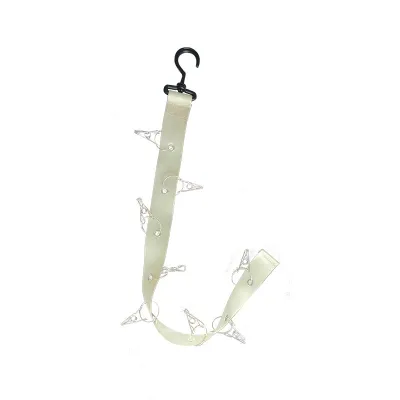
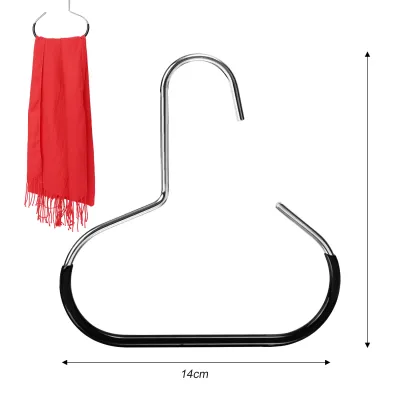
The mechanism that holds your caps plays a critical role in preserving their shape. Soft-grip clips, typically lined with silicone or smooth plastic, are excellent for hanging caps by their back straps or top buttons without leaving permanent teeth marks or indentations on the fabric. Wide rings are another highly effective design, as they support the natural curve of the crown from the inside, distributing the weight evenly without applying pressure to the brim. In contrast, contoured hooks offer a gentle curve that cradles the sweatband. You should avoid narrow, sharp wire hooks, as they concentrate weight on a single point, which can stretch out the fabric or leave deep, irreversible creases in the brim.
Material and Rust Resistance
Singapore’s tropical climate features high relative humidity levels that often exceed 80 percent. This moisture-rich environment can quickly degrade low-quality materials, leading to rust on untreated metal components. If rust forms on your organizer, it can easily transfer to the fabric of your caps, leaving permanent orange stains that are nearly impossible to wash out. To prevent this, prioritize racks made from powder-coated steel, high-grade stainless steel (such as SUS304), or treated natural woods like varnished bamboo or sealed beechwood. These materials resist moisture and ensure your storage system remains clean and durable over years of use.
Weight Capacity and Stability
Before purchasing any rack, check the manufacturer’s specifications for weight capacity and structural stability. While a single cap is lightweight, a collection of ten to twenty structured wool or heavy cotton caps can add up to a significant load. If a hanging strap or metal frame lacks the necessary rigidity, it will sag under the weight, causing the caps to slide together and crush one another. For wall-mounted systems, ensure the mounting brackets are sturdy enough to handle the leverage of an extended rack. For freestanding models, look for a wide, heavy base that prevents the stand from wobbling or tipping over when you remove a cap.
Spacing and Clearance
Adequate spacing between each hanging point is vital to prevent friction damage. When caps are crowded too closely together, their brims and crowns rub against each other every time you retrieve or hang a hat. Over time, this friction can cause pilling on delicate materials like suede, wool, or brushed cotton, and can even distort the shape of adjacent brims. Look for organizers that offer at least 10 to 15 centimeters of clearance between each hook or clip, allowing each cap to hang freely without being compressed by its neighbors.
Top Cap Hanger Rack Types for Singapore Homes
Understanding the different rack configurations helps you choose the best option for your specific room layout and storage needs.

Over-the-Door and Hanging Organizers
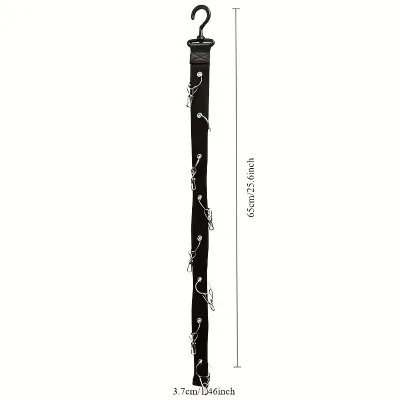
Over-the-door organizers are among the most space-efficient solutions for Singapore bedrooms and walk-in wardrobes. These systems typically consist of a durable fabric or nylon strap that runs vertically down the door, equipped with a series of adjustable clips or hooks. They are highly favored by renters because they require absolutely no drilling, nails, or permanent modifications to the property.
When selecting an over-the-door model, you must measure the clearance gap between the top of your door and the door frame. Standard doors in Singapore generally require a clearance of at least 1.5mm to 2mm to accommodate the metal over-the-door brackets without scraping the paint or preventing the door from closing smoothly. Additionally, look for systems that include a bottom tension hook or an elastic strap. This secures the organizer firmly against the door panel, preventing it from swinging, rattling, or slamming against the wood when you open and close the door.
Wall-Mounted and Adhesive Racks
If you have a collection of caps that you are proud of, wall-mounted racks offer an excellent way to display them as a design feature. These racks turn your headwear into a personalized gallery wall, making them ideal for entryways, hallways, or bedroom walls where they can be easily grabbed on your way out.
However, you must carefully match the mounting method to your wall surface. Many adhesive-based hooks and rails claim easy installation without tools, but Singapore’s high humidity can cause adhesive backings to degrade and fail over time, especially on painted plaster walls. If you use adhesive options, limit them to smooth, non-porous surfaces like glass, polished metal, or glazed tiles, and keep the weight load well below the maximum limit. For a reliable, long-term setup that can securely hold a large collection of structured caps, mechanical screws and wall plugs are highly recommended. Always use a stud finder or check for hidden utility lines before drilling into concrete walls.
Freestanding and Wardrobe Insert Systems
For those who prefer to keep their caps concealed and protected from dust, wardrobe insert systems and freestanding organizers are the ideal choice. These options work beautifully inside built-in wardrobes, walk-in closets, or on top of dressers and entryway consoles.
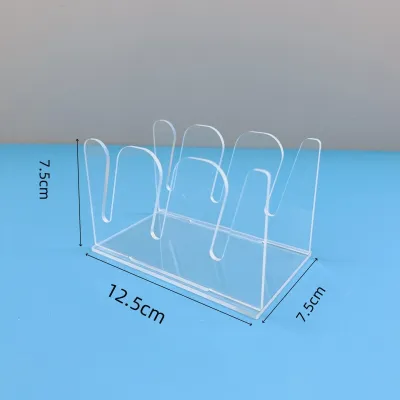
Modular drawer dividers and stackable acrylic shelf inserts are excellent for keeping caps organized inside deep wardrobe shelves. By nesting your caps gently behind one another or placing them in individual cubbies, you protect them from dust, ambient moisture, and exposure to direct sunlight, which can fade dyed fabrics over time. If you prefer an open countertop solution, a freestanding cap tree with a circular base is a stylish option for small collections of three to five everyday hats. When choosing a freestanding model, ensure the base is sufficiently weighted to maintain stability when the rack is unevenly loaded.
How to Match the Rack to Your Specific Cap Collection
Not all caps are constructed the same way, and matching your storage solution to the specific style of your headwear is essential for maintaining their shape.
Structured Baseball Caps
Structured caps, such as classic snapbacks, fitted hats, and structured truckers, feature a rigid front panel that must never be folded or compressed. To preserve this stiff shape, these caps require support that does not put pressure on the front crown. Wide, smooth rings that hold the cap from the inside of the dome are ideal. Alternatively, you can use gentle, padded clips attached directly to the rear adjustment strap or the top button. Avoid any storage method that requires you to fold the back panels inward, as this can distort the front buckram over time.
Unstructured Caps and Dad Hats
Unstructured caps, commonly known as dad hats or relaxed-fit caps, do not have a stiffened front panel. Because they are soft and flexible, they are much more forgiving when it comes to storage. You can safely hang them using standard peg racks, fabric loops, or simple clips without worrying about ruining a rigid structure. However, you should still avoid hanging them by the brim fabric itself, as this can cause the material to stretch out of shape over time.
Bucket Hats and Beanies
If your collection includes bucket hats, sun hats, or winter beanies, standard cap clips and narrow hooks are not suitable. Using a clip on a bucket hat can leave permanent, unsightly pinch marks on the soft brim, while hanging a heavy knit beanie from a hook will stretch the fibers and distort its fit. For these styles, flat storage is the best approach. Store them flat on a shelf, nested inside fabric drawer bins, or placed gently in stackable acrylic drawers where they can maintain their natural shape without any tension.
Quick Decision Checklist
To help you choose the perfect rack before making a purchase, take a moment to audit your collection with these three questions:
- What is the primary style of your collection? If you own mostly structured baseball caps, prioritize ring-based racks or strap-and-clip systems. If you own mostly unstructured caps, a simple peg rail or hanging loop organizer will suffice.
- Where do you have available space? If you have limited floor and wall space, look for an over-the-door strap system. If you have empty wall space in your entryway, a mounted wooden or metal rail is ideal. If you have spare wardrobe shelves, opt for stackable acrylic inserts.
- Do you want to display or protect your caps? If you want to showcase your caps as part of your room decor, choose a wall-mounted display rack. If your priority is protecting them from dust and sunlight, choose enclosed wardrobe drawers or closet organizers.
Maintenance Tips for Caps and Racks in a Humid Climate
To ensure both your cap hanger rack and your headwear remain in excellent condition, you must establish a routine that addresses the challenges of Singapore’s tropical environment.
First, practice regular dusting and cleaning of your storage setup. Dust, ambient grease, and fine particles can settle on exposed racks over time. If left uncleaned, this buildup can easily transfer to the fabric of your caps when you hang them up. Once every two weeks, use a dry or slightly damp microfiber cloth to thoroughly wipe down the hooks, clips, or rings of your rack. If your rack is made of wood, ensure the cloth is only minimally damp to avoid introducing moisture to the wood grain.
Second, perform routine structural checks on your organizers. For wall-mounted racks, inspect the mounting brackets or adhesive strips to ensure they are not loosening or pulling away from the wall due to humidity. For metal racks, look closely at the joints and corners for any early signs of rust or paint chipping. If you spot any rust, address it immediately by sanding the spot gently and applying a rust-resistant touch-up paint to prevent it from spreading and staining your hats.
Finally, adhere to the golden rule of cap maintenance: never hang a damp cap. Whether you have been caught in a sudden tropical shower or have sweated heavily during an outdoor workout, your cap will absorb significant moisture. Hanging a damp cap on a crowded rack or placing it inside an enclosed wardrobe creates a perfect breeding ground for mold, mildew, and stubborn odors. Always allow your caps to air-dry completely in a well-ventilated space, away from direct sunlight, before placing them back onto your hanger rack.
Frequently Asked Questions (FAQ)
Can I use a regular coat hanger for my baseball caps?
Using a standard wire or plastic coat hanger for structured baseball caps is not recommended. Regular hangers are designed to support the shoulders of garments, not the curved dome of a hat. Hanging a cap by its back strap over a thin hanger hook concentrates all the weight on a single point, which can stretch the strap and distort the shape of the back panels. Furthermore, attempting to slide the dome of the cap over the shoulder of the hanger stretches the sweatband and forces the structured front crown to cave in, leaving permanent creases that ruin the cap’s silhouette.
How do I clean a metal cap rack without damaging my hats?
To clean a metal cap rack safely, start by removing all your caps from the organizer. Wipe down the entire frame using a soft microfiber cloth slightly dampened with warm water and a small drop of mild dishwashing liquid. Avoid using harsh chemical sprays, bleach, window cleaners, or abrasive scouring pads, as these can strip away the protective powder coating or varnish, making the metal vulnerable to rust. Once you have wiped the rack clean, use a separate dry cloth to dry the entire surface thoroughly before hanging your caps back up, ensuring no moisture transfers to the fabrics.
Community discussion
Share your experience or ask a question. Comments are reviewed before publication.