
Selecting the right cabinet cover cloth is essential for protecting your shelving from scratches, stains, and the relentless humidity of Singapore’s tropical climate. In enclosed spaces where air circulation is limited, choosing an unsuitable material can inadvertently turn your storage into a breeding ground for mould. To keep your home fresh and your cabinetry intact, synthetic woven fabrics (such as polyester and polyester blends) and textured, breathable solid liners (such as ethylene-vinyl acetate, or EVA) emerge as the most reliable choices.
The ideal selection depends largely on where the cabinet is located and its exposure to moisture. While a dry pantry shelf can handle lightweight, breathable synthetic fabrics, high-moisture zones like the cabinet under your kitchen sink require non-porous, easily cleanable barriers that do not trap condensation underneath. Understanding how different materials interact with ambient moisture will help you make a practical, long-lasting decision for your household.
Understanding Mould Risks in Enclosed Cabinets
Singapore’s tropical climate presents a constant challenge for home maintenance, with high ambient humidity levels persisting throughout the year. In enclosed spaces like kitchen cupboards, bathroom vanities, and built-in wardrobes, this moisture becomes trapped due to poor ventilation. When warm, humid air enters a cabinet and cannot escape, it settles on cool surfaces, creating micro-condensation that is often invisible to the naked eye.
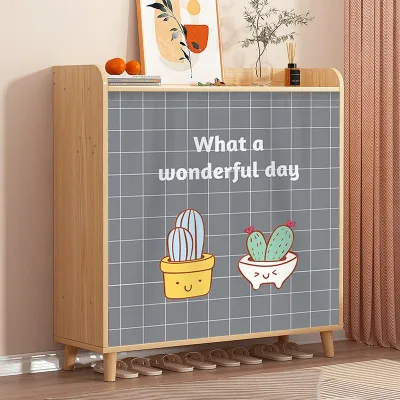
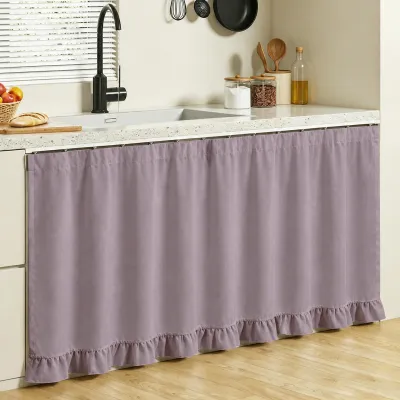
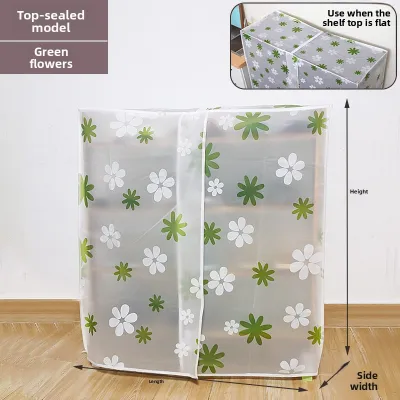
Products mentioned in this guide

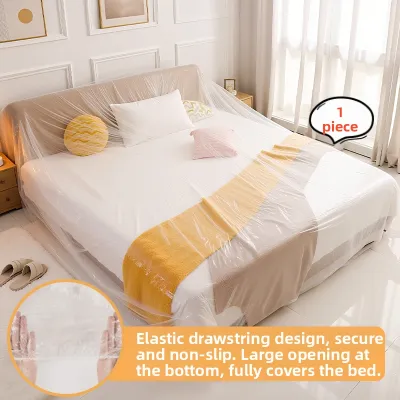
![[SG Ready Stock] Pre Taped Dust Cover Dust Protection Protective Cover Dust Proof For Walls Furniture Kitchen Cabinets Plastic Dust Prevention Screen for renovation/Home improvement (HIP)](https://img.lazcdn.com/g/p/9285f84e548178c9aeb78d6f9fe97654.jpg_400x400q80.jpg_.webp)
Prices are valid at publication and may change. Please refer to the product page for the latest price.
The physical characteristics of your cabinet shelves dictate how this moisture behaves. Non-breathable surfaces, such as melamine-faced particleboard or lacquered wood, do not absorb water, causing condensation or minor spills to pool on the surface. If you place a non-breathable cover directly over these pools, you trap the moisture in a dark, stagnant environment. This combination of moisture, darkness, and lack of airflow creates the perfect ecological niche for airborne mould spores to settle, germinate, and multiply.
Conversely, highly breathable but highly absorbent surfaces can draw moisture deep into their fibres. If a cabinet cover cloth absorbs ambient humidity without drying out quickly, it remains damp for extended periods. This continuous dampness eventually transfers to the underlying cabinet structure, which can lead to wood rot, warping, and deep-seated mould infestations that are difficult to eradicate.
Ultimately, the best cabinet cover cloth material is not a one-size-fits-all solution. You must evaluate the specific microenvironment of each cabinet. A dry pantry shelf housing sealed dry goods has vastly different ventilation and moisture-exposure levels than a cabinet positioned directly under a kitchen sink or next to a damp shower area. Matching the material’s physical properties to these specific zones is the key to successful moisture management.
Comparing Cabinet Cover Cloth Materials: What Works Best Against Moisture
To find the most effective cabinet cover cloth for your home, you must compare how different materials handle water absorption, drying speed, and structural breathability. Each material category offers distinct advantages and trade-offs depending on where and how it is installed.

Synthetic Woven Fabrics (Polyester and Blends)
Synthetic woven fabrics, particularly those made from 100% polyester or polyester-nylon blends, are highly practical options for dry and semi-dry cabinets. Because synthetic fibres are hydrophobic, they absorb very little water into their actual structure. Instead, any moisture that lands on the fabric tends to sit on the surface or pass through the weave, allowing the material to dry much faster than natural alternatives.
When shopping for synthetic options, it is important to check the product label for the exact material composition. Do not rely solely on vague marketing terms like “mould-proof fabric.” Look for explicit details confirming a high percentage of polyester or polyamide. Some synthetic cloths are treated with specialized water-resistant coatings, which help repel liquid spills while maintaining a flexible, fabric-like feel on your shelves.
Despite their advantages, synthetic fabrics have clear limitations. While the fibres themselves resist mould growth better than cotton, the woven structure can still trap fine dust, organic food crumbs, and kitchen grease over time. If these particulates accumulate, they can serve as a food source for mould spores, even on a synthetic surface. Consequently, these cloths require regular machine washing to remain hygienic and effective in Singapore’s humid climate.
Solid Waterproof Materials (PVC, EVA, and Silicone)
Solid, non-porous materials like polyvinyl chloride (PVC), ethylene-vinyl acetate (EVA), and silicone are widely used as heavy-duty cabinet liners. These materials offer absolute water resistance, meaning they act as complete barriers against liquid spills, leaky pipes, and condensation. If a bottle of cooking oil or liquid detergent leaks, these liners contain the spill entirely, protecting the underlying wood from permanent stains and water damage.
However, this complete lack of porosity introduces a critical vulnerability: a total lack of breathability. If any moisture is trapped beneath a solid plastic or silicone mat—whether from a minor installation oversight, a slow pipe drip, or rapid temperature shifts—it cannot evaporate. Over time, this trapped water will cause the underlying cabinet wood to warp, swell, or develop hidden mould colonies that remain undetected until significant damage has occurred.
To mitigate this risk, you should avoid completely flat, smooth-backed plastic liners. Instead, look for products featuring raised patterns, ribbed textures, or built-in air-flow channels on both the top and bottom surfaces. These design elements lift the main body of the liner slightly off the shelf, promoting passive ventilation and allowing small amounts of trapped moisture to dry out naturally rather than remaining sealed against the wood.
Natural Fibres (Cotton, Linen, and Bamboo Mats)
Natural materials like cotton, linen, and woven bamboo are often favoured for their organic aesthetic and high breathability. Because these fibres allow air to circulate freely, they do not trap condensation in the same manner as solid plastics. However, untreated natural fibres are highly hydrophilic, meaning they readily absorb ambient humidity and liquid spills from their environment.
In Singapore’s high-humidity conditions, a cotton or linen cabinet cover cloth can quickly become saturated with airborne moisture. Once damp, these natural materials dry very slowly in enclosed, unventilated spaces. This prolonged dampness makes them highly susceptible to developing musty odours and visible black mould. Similarly, while bamboo is often marketed as naturally antimicrobial, untreated bamboo mats will still succumb to mould when exposed to persistent tropical humidity without adequate airflow.
If you prefer the look of natural materials, you must verify the manufacturer’s care labels and specifications to see if the material has been treated with a moisture-resistant finish. Use these materials only in well-ventilated, frequently accessed cabinets—such as open bookshelves or highly active wardrobe shelves—where they can be easily removed, aired out, and washed on a regular basis. Avoid using them in dark, closed kitchen or bathroom cabinets.
What to Verify on Product Labels and Listings
When purchasing a cabinet cover cloth, looking past generic marketing buzzwords is essential for finding a product that will actually perform well in a humid climate. Labels claiming a product is “anti-mould” or “100% waterproof” should always be verified by looking at the technical specifications and material list.
First, check the base material composition. Ensure the listing clearly states whether the product is made of polyester, EVA, silicone, or PVC. If you are choosing a fabric-based cover, look for details regarding protective coatings, such as a polyurethane (PU) or polyacrylate coating on the underside. A PU coating provides a water-resistant barrier that prevents spills from soaking through to the shelf while allowing the top fabric layer to be easily wiped clean.
Next, examine the underside grip mechanism. A high-quality cabinet cover cloth should stay firmly in place without sliding when items are moved. However, you should avoid liners that rely on strong adhesive backings. Adhesives can trap moisture permanently against the shelf surface, react chemically with wood finishes, or leave a sticky residue that attracts dust and mould spores. Instead, opt for non-adhesive, high-friction grip designs, such as textured silicone dots or ribbed patterns, which secure the liner while remaining completely removable and repositionable.
Always check the care label for clear maintenance instructions. For fabric covers, look for machine-washable symbols and temperature limits; regular washing at warm temperatures is highly effective at removing the organic dust and oils that feed mould. For solid liners, verify if they can be washed with mild household detergents or if they require specialized cleaning solutions.
Finally, distinguish between “water-resistant” and “waterproof” ratings. A water-resistant cover cloth is designed to repel light moisture or minor spills temporarily, giving you time to wipe them away before they soak through. A waterproof liner blocks water entirely and is suitable for high-risk areas like under-sink cabinets. Knowing this distinction allows you to match the product’s capabilities with your cabinet’s specific exposure level and establish an appropriate cleaning routine.
Installation and Care Routines to Prevent Mould
Proper installation and consistent maintenance are just as important as choosing the right material. Even the most advanced moisture-resistant cabinet cover cloth can fail to prevent mould if it is placed over an already damp surface or left unmanaged for months.
Before installing any new liner, you must prepare the cabinet interior. First, check the cabinet manufacturer’s care instructions to ensure that your planned cleaning agents and liners are fully compatible with the shelving material. Clean the empty shelves thoroughly with a mild, non-abrasive soap solution to remove any existing dust, grease, or mould spores. Once clean, wipe the shelves down with a dry microfiber cloth and leave the cabinet doors wide open for several hours, or use a fan to ensure the wood is completely bone-dry before laying down the cover.
When preparing the liner, measure the finished dimensions of your cabinet shelves carefully. Ensure the cloth is cut to fit flat against the surface without bunching up at the corners or blocking the cabinet doors. Bunched fabric creates small, unventilated pockets where dust and moisture can accumulate, increasing the risk of localized mould growth.
Establish a regular maintenance routine to check on your cabinets. Every few months—and more frequently for high-humidity zones like under the kitchen or bathroom sink—lift the cover cloth entirely to inspect the shelf underneath. This simple step allows you to air out the cabinet interior, check for any hidden condensation, and verify that no slow pipe leaks have developed.
When cleaning your cabinet covers, stick to safe, gentle methods. For solid EVA or silicone liners, wipe them down with a damp cloth and mild soap, avoiding harsh bleach or abrasive scrubbing pads that can scratch the surface or degrade protective coatings. For washable synthetic fabric covers, launder them according to their care labels and ensure they are completely dry before returning them to the cabinets.
If you ever notice signs of structural damage during your inspections, you must act quickly. If the underlying cabinet wood shows signs of warping, softening, bubbling, or dark, deep-seated spotting, remove the cabinet cover cloth immediately. Stop using the cabinet, allow the entire area to dry out completely, and consult a qualified carpenter or professional cabinet maker to assess the damage and recommend repairs.
Frequently Asked Questions (FAQ)
Can I use regular cotton towels as cabinet liners in humid weather?
Repurposing regular cotton towels as cabinet liners is highly discouraged in humid climates like Singapore’s. Thick cotton towels are designed to absorb and hold large amounts of water, and they dry very slowly when placed in enclosed, poorly ventilated spaces. This prolonged moisture retention, combined with the dark environment of a cabinet, makes cotton towels highly susceptible to developing musty odours and rapid mould growth, which can easily spread to your shelving and stored items.
How often should I wash or replace my cabinet cover cloth?
As a general guideline, synthetic fabric cabinet covers should be machine-washed every three to six months, while solid liners should be wiped down and aired out every two to three months. Cabinets in high-moisture areas, such as under the kitchen sink, require monthly inspections. You should replace your cabinet cover cloth immediately if you notice a persistent musty smell that remains after washing, visible dark mould spots that cannot be cleaned, or if the waterproof backing begins to crack, peel, or degrade.
Community discussion
Share your experience or ask a question. Comments are reviewed before publication.