
In Singapore’s high-density housing landscape, maximizing every square inch of a Housing & Development Board (HDB) flat is a daily necessity. While wall shelves and modular wardrobes are popular space-saving choices, the vertical space behind your doors often remains completely underutilized. Implementing strategic behind door storage is one of the most effective ways to clear clutter from your floor and countertops without sacrificing valuable living space.
However, choosing the right storage solution is not a one-size-fits-all task. HDB flats feature a variety of door types, ranging from lightweight hollow-core bedroom doors to heavy, fire-rated main entrances and moisture-prone bathroom doors. To help you navigate these differences, this guide breaks down the best behind-door storage options for every room in your flat, detailing how to select, measure, and install them safely.
How to Measure and Prep Your HDB Doors for Storage
Before purchasing any over-the-door organizer or hook rack, you must perform a few quick physical checks. Failing to measure your door’s dimensions and clearance can lead to doors that will not close, scraped frames, or even structural damage to the door itself.
Products mentioned in this guide
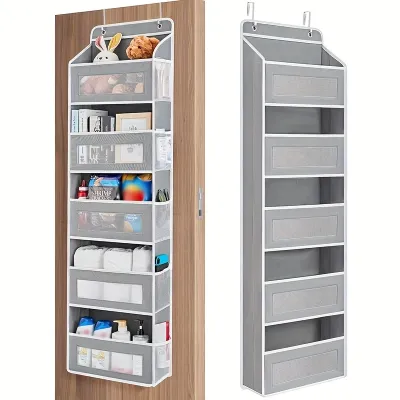
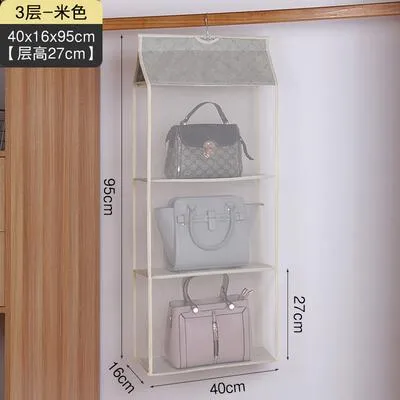
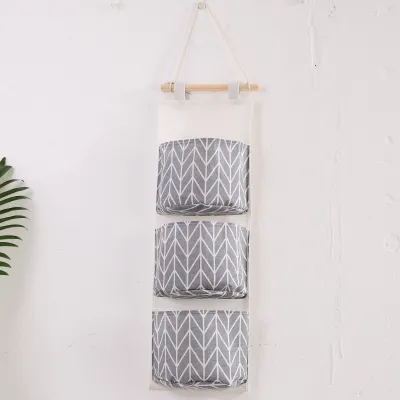
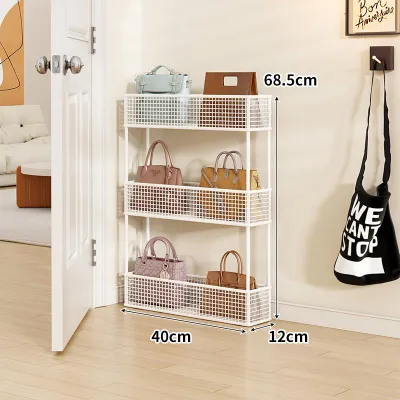
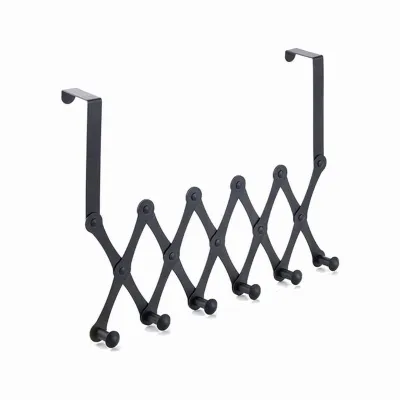
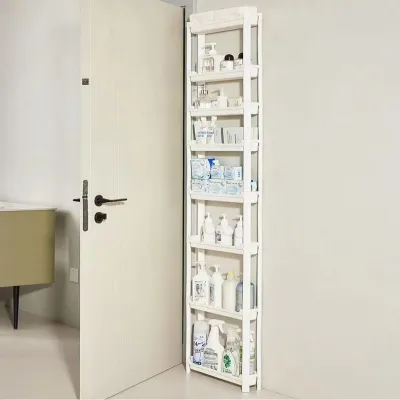
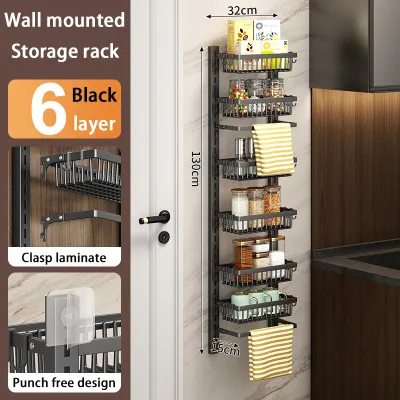
Prices are valid at publication and may change. Please refer to the product page for the latest price.
Door Clearance (Gap Measurement)
The most critical measurement is the gap between the top edge of the door and the door frame (the header). Over-the-door hooks require a small amount of clearance to sit flat. To test if your door has enough room, place a standard Singapore S$0.20 coin (which is approximately 1.8mm thick) flat on top of the door and gently close it. If the door closes smoothly without catching or scraping, you have sufficient clearance for standard over-the-door brackets, which typically range from 1.5mm to 2mm in thickness. If the coin catches, you should avoid over-the-door brackets and instead opt for adhesive or screw-mounted solutions to prevent damaging your door frame.
Door Material and Weight Limits
HDB flats utilize several door compositions, each with distinct weight-bearing capacities:
- Hollow-Core Doors: Commonly used for bedrooms and bathrooms in newer BTO flats, these doors feature a cardboard honeycomb interior sandwiched between thin wood veneers or laminates. They are lightweight and fragile; they cannot support heavy screw-mounted racks, as the screws will easily strip out of the thin outer layer. Stick to lightweight over-the-door organizers or light adhesive hooks.
- Solid Wood Doors: Often found in older resale flats or customized renovations, these doors are highly durable and can securely hold screw-mounted racks for heavier items.
- Metal and Fire-Rated Doors: Used for household shelters (bomb shelters) and main entrances, drilling into these doors is structurally impractical and often prohibited. Heavy-duty magnetic organizers or non-invasive over-the-door hooks are the only viable options.
Swing Direction and Wall Clearance
Every door has a specific swing path that dictates how much clearance is available behind it. Open your door fully to its natural stopping point and measure the distance between the back of the door and the adjacent wall or furniture. If the door swings open to a 90-degree angle and rests close to a wall, adding a storage rack that is 10cm to 15cm deep will prevent the door from opening fully. This can restrict your entry path or cause the rack to repeatedly slam into the wall, potentially damaging the plaster or light switches. Ensure you select a storage depth that fits comfortably within this resting gap.
Environmental Factors
Singapore’s tropical climate brings high humidity levels, which are amplified in specific zones of your flat. Behind-door storage in bathrooms will face constant moisture and steam, requiring materials that resist rust and mold. Kitchen doors are exposed to airborne grease and heat from cooking, meaning fabric organizers will quickly absorb odors and become difficult to clean. Always match the material finish of your storage organizer to the specific environmental demands of the room.
Best Behind-Door Storage for HDB Bathrooms
HDB bathrooms, particularly in BTO flats, are notoriously compact. With limited floor space for vanity cabinets or freestanding laundry baskets, the back of the bathroom door is prime real estate for vertical organization.

Recommended Product Types
For bathroom doors, the most effective solutions are multi-tiered hanging caddies, over-the-door towel bars, and heavy-duty water-resistant adhesive hooks. A multi-tiered basket caddy that hangs over the top of the door provides multiple shelves of storage without requiring any drilling. Alternatively, a multi-bar towel rack allows you to hang wet bath towels flat so they dry faster in Singapore’s humid air, rather than bunching them up on a single hook.
Ideal Items to Store
These organizers are perfect for holding lightweight, daily-use items. Store rolled spare towels, loofahs, hair dryers, straighteners, and lightweight plastic bottles of shampoo, body wash, or contact lens solution. Keeping these items behind the door frees up your sink ledge and vanity countertop, creating a cleaner, more minimalist bathroom aesthetic.
Material Requirements
Because HDB bathrooms experience high humidity and direct exposure to water droplets, material selection is paramount. Look for organizers constructed from high-grade SUS304 stainless steel, powder-coated aluminum, or high-quality waterproof ABS plastics. Avoid cheap chrome-plated iron or untreated metals, which will begin to rust within months under tropical conditions. If you use plastic organizers, ensure they have drainage holes at the bottom of each basket to prevent stagnant water from pooling and attracting mold.
Limitations and Safety
While hanging caddies are incredibly convenient, they have strict safety and structural limitations. Avoid storing heavy glass cosmetic jars or large, full bottles of shampoo on swinging door racks. The momentum of opening and closing the door can cause these heavy items to shift, clatter loudly, or fall out and shatter on the tiled floor. Additionally, be cautious with adhesive hooks on painted bathroom doors. The combination of steam and weight can weaken the adhesive bond over time, causing the hook to fall and tear the paint or laminate off the door surface. Always check the manufacturer’s weight rating and moisture compatibility before applying adhesive mounts.
Best Behind-Door Storage for HDB Kitchens and Utility Areas
The kitchen and service yard are the high-traffic workhorses of any HDB flat. Between cooking appliances, groceries, and cleaning tools, finding a dedicated spot for every item is a constant challenge. Utilizing the back of your kitchen or utility closet door can streamline your daily chores.
Recommended Product Types
To maximize utility, consider slim, multi-tiered hanging pantry racks, over-the-door ironing board holders, and heavy-duty spring-loaded tool grippers. If your utility area features a metal household shelter door, magnetic spice racks and magnetic utility hooks are exceptional choices that require zero installation effort and can be repositioned instantly.
Ideal Items to Store
These zones are ideal for organizing dry pantry goods, spices, cleaning sprays, microfiber cloths, reusable grocery bags, and long-handled cleaning tools like brooms and mops. Hanging your broom and mop behind the service yard door keeps them off the floor, allowing them to air dry properly while keeping your utility space looking neat and organized.
Material and Maintenance
Kitchen environments are prone to airborne grease, oil splatters, and cooking fumes. Therefore, behind-door storage in this area must be highly sanitary and easy to wipe down. Opt for hard plastics, powder-coated steel, or wire mesh organizers. Avoid fabric or canvas hanging organizers in or near the kitchen; these porous materials will quickly absorb cooking odors, grease, and moisture, leading to stubborn stains and unpleasant smells that are difficult to wash out.
Limitations and Safety
When setting up storage in the kitchen, safety must be your top priority. Never mount behind-door organizers on a door that swings directly toward a stove, oven, or active cooking zone, as the stored items could be exposed to extreme heat or interfere with your movement while handling hot cookware. Avoid storing heavy liquid bottles, glass condiment jars, or sharp kitchen knives on swinging door racks. A forceful push of the door could send a sharp knife or a heavy glass jar flying, posing a severe safety hazard to anyone nearby.
Best Behind-Door Storage for HDB Bedrooms
Your bedroom should be a peaceful, clutter-free sanctuary. However, accessories, bags, and shoes often end up piled on chairs or floor corners. Behind-door storage offers an elegant way to keep these personal items organized and easily accessible.
Recommended Product Types
The most popular options for bedroom doors include fabric or clear plastic pocket shoe organizers, hanging accessory organizers, and multi-hook over-the-door racks. Clear pocket organizers are incredibly versatile, allowing you to see exactly what is stored inside each compartment at a glance, while multi-hook racks provide dedicated hanging points for daily wear.
Ideal Items to Store
Use these organizers to store shoes, handbags, belts, scarves, hats, caps, and lightweight cardigans or jackets. A pocket organizer is also excellent for keeping small personal items tidy, such as charging cables, socks, sunglasses, and hair accessories, preventing them from cluttering your bedside table or dressing vanity.
Door Protection Tips
HDB bedroom doors often feature delicate wood veneers, laminates, or painted finishes that are easily scratched or dented by metal brackets. To protect your door’s finish, look for over-the-door hooks that come with integrated foam backing, or apply your own self-adhesive felt pads or silicone sleeves to the inside of the brackets. This cushioning absorbs the impact of daily door movement, prevents metal-on-wood scraping, and eliminates annoying rattling noises when the door is opened or closed.
Limitations and Safety
It is easy to overestimate the weight capacity of a bedroom door, especially if it is a hollow-core model. Avoid hanging heavy winter coats, fully loaded leather backpacks, or multiple heavy bags on a single hook or over-the-door rack. Overloading one side of the door puts uneven stress on the hinges, which can cause the door to sag, misalign with the frame, or scrape against the floor over time. To prevent this, distribute the weight evenly across the entire width of the door and limit the total weight to a reasonable threshold, typically under 5kg to 10kg depending on your door’s construction.
Safe Installation Rules for HDB Doors and Fire-Rated Entrances
Installing behind-door storage requires balancing convenience with structural safety and home compliance. Selecting the wrong mounting method can lead to permanent damage to your flat’s fixtures or run afoul of building guidelines.
Mounting Methods Compared
There are three primary ways to mount behind-door storage, each suited to different door materials and weight requirements:
- Over-the-Door Brackets: These require no tools and are completely reversible, making them ideal for tenants or those who want a quick setup. However, they require adequate top clearance and can scratch the frame if not padded.
- Adhesive Hooks: These are excellent for lightweight items on smooth, non-porous surfaces, but they can fail in high humidity or peel paint off wooden doors when removed.
- Drilling and Screwing: This provides the most secure hold for heavy items but permanently alters the door and is only suitable for solid wood doors.
Fire-Rated Door Restrictions
Many HDB flats, especially newer BTO units, feature heavy, fire-rated doors at the main entrance. These doors are highly regulated safety devices designed to contain smoke and flames during an emergency. You must strictly avoid drilling screws, nails, or any hardware into a fire-rated door, as puncturing the outer protective layer compromises its fire-retardant integrity and violates HDB safety regulations. Doing so can invalidate your door’s fire certification and result in costly replacement fees. Instead, utilize non-invasive over-the-door hooks that do not interfere with the door’s seal, or use heavy-duty magnetic organizers if the door has a magnetic metal surface.
Anti-Swing Measures
Hanging organizers naturally want to swing outward when a door is opened or closed, leading to constant banging against the door face. To prevent this annoying noise and protect the door’s finish, secure the bottom corners of the organizer. You can use removable double-sided mounting tape, hook-and-loop fasteners (like Velcro strips), or small suction cups (if the door surface is smooth glass or laminate). Securing the bottom keeps the organizer flush against the door, ensuring quiet and stable operation.
When to Stop and Reassess
While behind-door storage is an excellent space saver, it is not suitable for every situation. You should abandon this storage method and look for wall-mounted or freestanding alternatives if you observe any of the following warning signs:
- The door frame clearance is so tight that the door must be forced shut over the brackets.
- The door already sags on its hinges, squeaks loudly, or scrapes against the floor before any weight is added.
- The door material feels brittle, cracked, or shows signs of water damage and rot.
- The door is a bi-fold or sliding door, where added depth will completely block the folding or sliding mechanism.
Frequently Asked Questions (FAQ)
Will over-the-door hooks damage my HDB bedroom doors?
Yes, they can if left unprotected. Unpadded metal brackets can scrape paint, dent soft wood veneers, and cause unsightly scratches on your door frame. To prevent this damage, always place felt pads, foam tape, or silicone sleeves on the inside of the brackets where they make contact with the door. Additionally, avoid overloading the hooks, as excessive weight can strain the door hinges and cause the door to sag over time.
Can I install behind-door storage on an HDB fire-rated door?
You can, but only using non-invasive, non-destructive methods. You must never drill, screw, or nail into an HDB fire-rated door, as this violates building safety regulations and compromises the door’s fire-containment capabilities. Instead, use over-the-door hooks that fit loosely over the top without damaging the frame, or leverage heavy-duty magnetic racks if your door has a magnetic metal face.
How do I stop my door organizer from banging when the door opens?
The simplest way to stop a door organizer from banging is to secure its bottom corners to the door surface. You can apply removable double-sided mounting strips or adhesive-backed hook-and-loop fasteners to the bottom of the organizer and press them firmly against the door. This keeps the unit completely flush and silent during movement. Alternatively, placing heavier items in the bottom pockets of the organizer can help anchor it naturally through gravity.
Community discussion
Share your experience or ask a question. Comments are reviewed before publication.