
Quick Answer: Which Brands Offer the Best Headboards for HDBs?
Choosing the best bed headboard for a Housing & Development Board (HDB) bedroom depends entirely on your specific spatial constraints, storage requirements, and aesthetic preferences. Because typical HDB bedrooms feature tight layouts, there is no single universal brand that fits every home. Instead, different brand categories serve distinct layout needs.
Local online furniture retailers like HipVan and FortyTwo are ideal if you are looking for budget-friendly, highly practical, and space-optimized designs that fit standard rectangular rooms. If your priority is a slim, minimalist profile that reduces visual clutter and maximizes floor space, Scandinavian showroom brands such as Castlery and Scanteak offer exceptionally low-profile and visually lightweight wood or fabric options. For highly complex layouts, structural pillars, or a critical need to maximize vertical storage, custom built-in carpentry remains the gold standard, allowing you to utilize every single millimeter of wall space.
To make the right choice, you must weigh your room’s physical clearance against your lifestyle needs. Assessing how a headboard interacts with your wardrobe doors, light switches, and wall type will guide you to the perfect brand category for your Singapore home.
Products mentioned in this guide
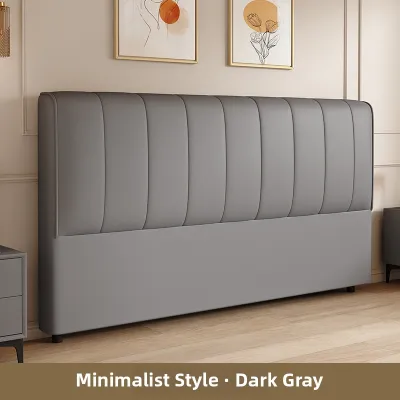
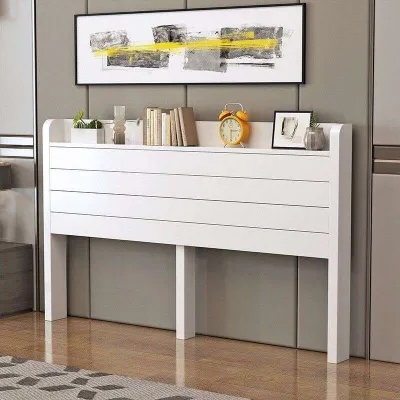

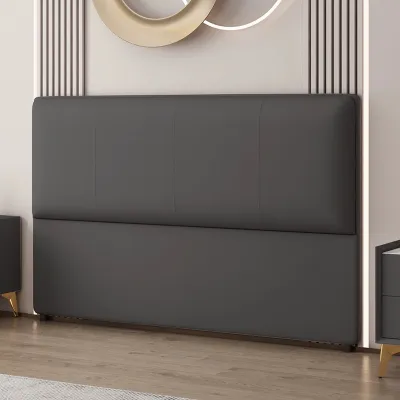
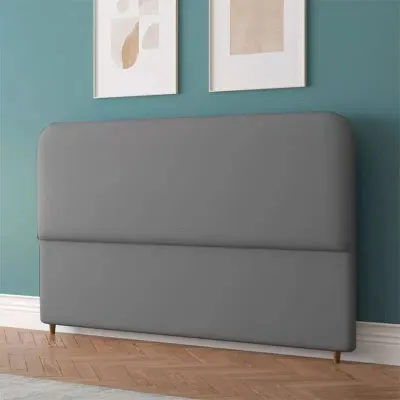
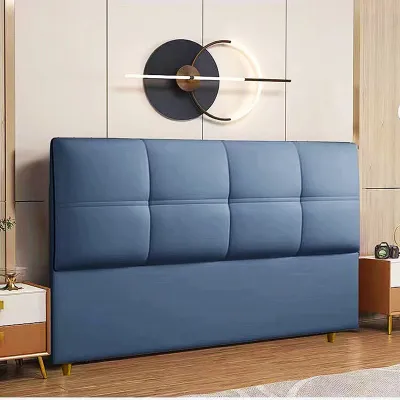
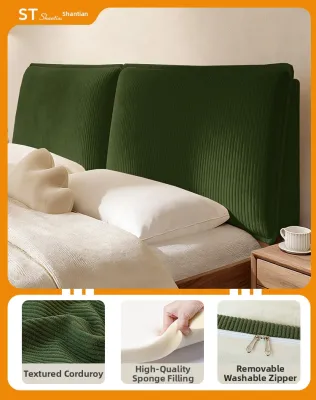
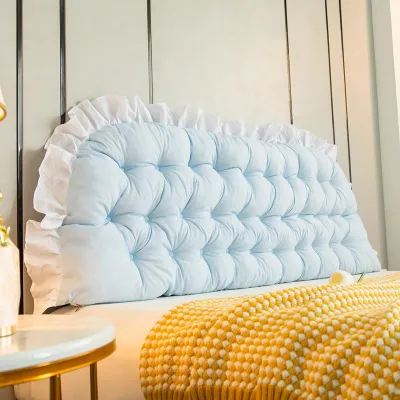
Prices are valid at publication and may change. Please refer to the product page for the latest price.
Why HDB Bedrooms Require Specialized Headboard Designs
Standard furniture designs are frequently built for spacious suburban homes, making them poorly suited for the compact footprint of modern Singapore apartments. In newer HDB Build-To-Order (BTO) flats, a master bedroom typically measures between 10 and 12 square meters, while common bedrooms often shrink to 8 or 9 square meters. When you place a standard Queen-size mattress (which is 190 cm in length) into a room that is only 3 meters wide, you are left with just 110 cm of clearance. Introducing a bulky, overstuffed headboard that is 20 cm to 30 cm deep immediately slashes your remaining walkway space, making the room feel incredibly cramped and restricting movement.

Beyond basic floor area, HDB flats present unique architectural features that directly conflict with standard headboard installations. Most HDB bedrooms feature prominent timber or tiled skirting boards along the base of the walls, typically measuring 1.5 cm to 2 cm in thickness. If a bed frame is designed with a perfectly vertical, flat-backed headboard, these skirting boards will prevent the frame from sitting flush against the wall. This creates an awkward, dust-collecting gap behind your bed and forces the entire frame further into the room, wasting precious centimeters.
Furthermore, electrical infrastructure in HDB flats is highly standardized. Light switches, power sockets, and USB ports are commonly positioned on the wall directly behind the designated bed area, usually at a height of 45 cm to 60 cm from the floor. A solid, oversized headboard will completely block these outlets, rendering them useless or forcing you to run messy extension cords across the room. Additionally, wall-mounted air-conditioning units and their accompanying plastic trunking lines often run along bedroom walls. A poorly planned headboard can easily collide with this trunking, preventing proper placement of the bed.
Finally, you must consider the concept of visual weight. In a small bedroom, a tall, solid, dark-colored, or heavily tufted headboard acts as a visual roadblock. It absorbs light and dominates the room, making the ceiling feel lower and the walls feel closer. Conversely, a headboard with a low profile, open slats, or a light, neutral color palette opens up the room visually, creating an airy, peaceful sleeping environment that feels significantly larger than its actual physical dimensions.
Key Comparison Dimensions for HDB Headboards
When evaluating different bed frame brands for your HDB flat, you should focus on four critical dimensions that directly impact spatial efficiency, functionality, and long-term durability in Singapore’s environment.
Profile Thickness
The depth or thickness of a headboard is the single most important factor governing walkway clearance. You can generally categorize headboards into three profile types:
- Ultra-Slim (under 5 cm): Typically made of solid wood, metal, or thin engineered panels. These designs keep the bed frame as close to the wall as possible, maximizing the space at the foot of the bed.
- Medium Profile (5 cm to 12 cm): Often featuring light fabric upholstery or slim wooden storage ledges. These offer a balance of comfort and space efficiency.
- Deep Plush (over 15 cm): Thickly padded, tufted, or deep-buttoned headboards. While highly comfortable for sitting up, they eat up significant floor space and are generally unsuitable for tight HDB layouts unless the room has an unusually long floor plan.
Storage Integration
In compact HDB flats, furniture must often perform double duty. Many brands integrate storage directly into the headboard or pair slim headboards with hydraulic under-bed lift mechanisms. Headboard storage can range from a simple top ledge for placing phones and glasses to built-in side niches, sliding hidden compartments, or overhead shelving. If your bedroom cannot accommodate bedside tables due to adjacent wardrobe doors, choosing a headboard with integrated shelving or a slim ledge completely eliminates the need for separate nightstands.
Mounting and Base Type
How the headboard is supported determines both its stability and its impact on your floor space. Freestanding bed frames with attached headboards are the most common and easiest to install, moving as a single cohesive unit. Floor-standing headboards sit directly on the floor behind the bed base, offering excellent stability but requiring a flat wall surface. Wall-mounted (floating) headboard panels are secured directly to the wall, allowing you to position the bed base independently. While wall-mounted options save floor space and create a highly modern, floating aesthetic, they require drilling into your walls and are difficult to relocate.
Material and Climate Suitability
Singapore’s tropical climate features high relative humidity, often exceeding 80% year-round. This humid environment makes material selection critical for preventing mold, mildew, and structural warping. Fabric headboards, particularly those made of heavy velvet or low-grade linen, can trap moisture and dust mites, leading to musty odors and allergen buildup. If you prefer upholstered headboards, look for brands offering performance fabrics treated with moisture-resistant coatings, or synthetic leathers that can be easily wiped down.
Solid hardwoods like teak, oak, and rubberwood are highly durable and naturally resistant to warping if properly sealed, whereas low-grade, unsealed MDF (medium-density fibreboard) or particleboard can swell and degrade when exposed to humidity. Always refer to the manufacturer’s care labels and cleaning instructions to ensure the materials are suited to your home’s ventilation and cleaning habits.
Top Bed Frame Brands for HDB Headboards Compared
To help you navigate the Singapore market, we have evaluated the most prominent bed frame and headboard options across three distinct brand categories. These options represent real, locally available choices tailored to different budgets and spatial needs.
Local Online Furniture Retailers (Focus: Value and Space-Saving Designs)
Local online furniture platforms are highly popular among Singapore homeowners due to their competitive pricing, fast delivery times, and designs specifically scaled for local apartment sizes.
HipVan is a prominent local e-retailer that excels in practical, space-conscious designs. Many of HipVan’s bed frames feature slim, upholstered headboards with a depth of just 5 cm to 8 cm, wrapped in durable, easy-to-clean polyester fabrics. For HDB owners looking to maximize utility, HipVan offers several storage bed models that combine these thin headboard profiles with hydraulic lift bases. This allows you to gain massive under-bed storage without extending the physical footprint of the bed frame into your walking path. Their website provides highly detailed, transparent dimension drawings, making it easy to calculate exact clearances before purchasing.
FortyTwo is another major local online marketplace offering an extensive catalog of budget-friendly bed frames. FortyTwo is particularly valuable for those seeking ultra-minimalist metal frames or basic faux-leather divan beds with incredibly thin headboards (often under 5 cm). These designs are highly effective for tight guest rooms or study-bedroom combos where every millimeter counts. While FortyTwo offers unparalleled affordability and a wide array of choices, customization options are virtually non-existent, and you must carefully review the material specifications on their product pages to ensure the frame’s durability matches your expectations.
Scandinavian and Minimalist Showroom Brands (Focus: Slim Profiles and Aesthetics)
If you prefer a premium aesthetic, high-quality natural materials, and visually lightweight designs, Scandinavian and minimalist showroom brands are excellent choices.
Castlery is highly regarded in Singapore for its modern, mid-century-inspired designs that blend functionality with sophisticated aesthetics. Castlery’s bed frames often feature slim, tapered wooden headboards or low-profile upholstered panels in neutral, light-reflective tones. These designs are engineered to minimize visual clutter, making a small HDB bedroom feel brighter and more open. Many of Castlery’s wooden frames feature recessed legs, which help prevent stubbed toes in tight walkways and allow the bed to feel as though it is floating, further reducing its visual weight.
Scanteak is a household name in Singapore, specializing in solid teak furniture designed specifically to withstand the local humid climate. Teak wood contains natural oils that make it exceptionally resistant to moisture, warping, and pests, making it one of the most durable options for Singaporean homes. Scanteak’s bed frames are celebrated for their ultra-slim, open-slat headboards, which typically measure a mere 3 cm to 5 cm in depth. Because the headboard consists of thin wooden slats rather than a solid block, light and air can pass directly through it. This structural design significantly reduces the visual mass of the bed, ensuring that even a King-size frame does not overwhelm a compact HDB master bedroom.
Custom Carpentry and Built-in Specialists (Focus: Maximized Storage and Exact Fit)
When off-the-shelf retail furniture cannot accommodate the unique quirks of your bedroom layout, custom carpentry is the ultimate alternative. This is a service-based solution typically executed by local interior designers or direct carpentry workshops during a home renovation.
Custom carpentry allows you to design a bespoke headboard feature wall that spans from wall to wall or floor to ceiling. This approach is highly effective for covering ugly structural pillars, hiding exposed electrical wiring, or seamlessly integrated air-conditioning trunking. A custom carpenter can build a half-height headboard ledge that acts as a continuous shelf, incorporating recessed warm LED strip lighting, built-in bedside drawers, and flush-mounted electrical sockets. This completely eliminates the need for separate nightstands, freeing up floor space on either side of the bed.
Furthermore, custom headboards can be designed to blend directly into your built-in wardrobe. For example, the headboard can transition smoothly into a wardrobe side panel, utilizing a sliding door system or a open-niche design so that the wardrobe can still be fully accessed even if the bed sits immediately adjacent to it.
The primary trade-off of custom carpentry is cost. A custom-built headboard feature wall can easily cost between S$1,500 and S$4,000, depending on the complexity, size, and materials used. Additionally, custom built-ins are completely permanent; they cannot be rearranged, taken with you if you move, or easily modified if you decide to change your mattress size in the future.
Decision Framework: Matching Brands to Your HDB Layout
To help you determine which brand category best suits your specific living situation, refer to this comparative overview of key performance metrics:
| Brand Category | Typical Headboard Depth | Price Range (SGD) | Best Suited For | Primary Limitation |
|---|---|---|---|---|
| Local Online Retailers (e.g., HipVan, FortyTwo) | 3 cm – 10 cm | S$200 – S$900 | Budget-conscious buyers, standard layouts, quick delivery | Limited material customization, basic aesthetics |
| Scandinavian Showrooms (e.g., Castlery, Scanteak) | 3 cm – 12 cm | S$800 – S$2,500 | Compact rooms, premium minimalist aesthetics, high durability | Higher upfront cost, fewer built-in storage options |
| Custom Carpentry (Bespoke Built-ins) | 5 cm – 20 cm (Customizable) | S$1,500 – S$4,000+ | Awkward layouts, structural pillars, maximum integrated storage | Permanent installation, high cost, long lead times |
Use these targeted scenarios to guide your final decision:
- Choose Local Online Retailers if: You are working with a strict budget, need your furniture delivered quickly, and have a standard rectangular bedroom layout with sufficient clearance for a standard bed frame.
- Choose Scandinavian/Minimalist Showrooms if: Your bedroom is exceptionally small, you want to maintain a bright, open, and visually lightweight aesthetic, and you prioritize high-quality, climate-resilient materials like solid teak or performance fabrics over thick padding.
- Choose Custom Carpentry if: Your bedroom features an awkward layout (such as a structural pillar behind the bed), you have exposed air-con trunking you wish to conceal, or you want a fully integrated look where the headboard, lighting, power outlets, and wardrobe function as a single cohesive unit.
Verify first if: If you are currently renting your HDB flat, you must check your tenancy agreement before considering wall-mounted headboards or custom built-ins, as most landlords strictly prohibit drilling into walls or making permanent structural modifications. Even as a homeowner, you should ensure that any custom carpentry does not violate HDB renovation guidelines regarding structural walls or load-bearing partitions.
Pre-Purchase Measurement and Installation Checklist
Before you place an order for any bed frame or headboard, performing precise physical measurements is absolutely vital to avoid costly delivery failures or installation headaches.
Skirting Board Clearance
Measure the height and depth of the skirting boards running along the base of your bedroom wall. Many standard bed frames have vertical headboards that prevent the bed from sitting flush against the wall if skirting boards are present. Look for brands that specifically design their bed frames with recessed rear legs or slightly angled headboards that clear the skirting board, allowing the bed to sit tight against the wall. If your chosen frame does not have this feature, you must add the depth of your skirting board (typically 1.5 cm to 2 cm) to the total length of the bed frame when calculating room clearance.
Socket and Switch Placement
Locate all electrical sockets, light switches, and telephone ports on the wall behind your bed. Measure their height from the floor and their horizontal distance from the corners of the room. Ensure that your chosen headboard’s height and width will not completely block access to these outlets. If the headboard covers them, you may be forced to pull the bed frame forward by several centimeters, wasting valuable space, or hire a licensed electrician to relocate the sockets, which can add hundreds of dollars to your renovation budget.
Wardrobe Door Swing
If your bedroom features a wardrobe adjacent to the bed, you must measure the clearance required for the doors to open fully. For traditional hinged wardrobe doors, you typically need a minimum of 50 cm to 60 cm of completely clear space between the edge of the bed frame and the wardrobe face to allow the doors to swing open and provide room for you to stand. If your clearance is less than this, you should opt for sliding wardrobe doors, which require zero swing clearance, or choose an ultra-slim headboard that keeps the bed frame as short as possible.
Wall Type Verification
Before purchasing a heavy wall-mounted or floating headboard, you must verify the construction of the wall it will be secured to. In HDB flats, walls can be made of solid reinforced concrete (such as structural columns, external walls, or household shelters) or hollow drywall/partition walls (often used to divide bedrooms in newer BTO layouts). Concrete walls offer excellent load-bearing capacity but require a hammer drill and masonry plugs to mount items. Drywall partitions have much lower load-bearing limits and require specialized toggle bolts or heavy-duty drywall anchors. If you are planning to hang a heavy upholstered or storage-integrated headboard, always consult a qualified professional contractor to assess the wall’s load capacity and ensure a safe, secure installation.
Frequently Asked Questions (FAQ)
Can I install a wall-mounted headboard on HDB hollow walls?
Yes, you can install a wall-mounted headboard on HDB hollow drywall partitions, but you must exercise caution. Standard drywall cannot support heavy vertical loads without proper reinforcement. For lightweight, purely decorative fabric panels, you can safely use specialized heavy-duty drywall anchors or toggle bolts. However, if you plan to mount a heavy wooden headboard, one with integrated shelving, or any unit designed to bear weight, you must secure the mounting brackets directly into the internal metal studs of the drywall partition. If you are unsure of the wall’s load capacity or cannot locate the internal studs, always consult a qualified professional contractor to prevent structural damage or safety hazards.
How much clearance is needed between the bed headboard and a built-in wardrobe?
The required clearance depends entirely on the type of doors installed on your built-in wardrobe. If your wardrobe has traditional hinged doors, you should maintain a minimum clearance of 50 cm to 60 cm between the bed frame and the wardrobe to allow the doors to open fully and leave comfortable standing room. If your bedroom layout is exceptionally tight, opting for sliding wardrobe doors eliminates this issue entirely, as they glide horizontally within their track. With sliding doors, the clearance can be as minimal as 5 cm to 10 cm, restricted only by the space you need to comfortably make the bed and change the bedsheets.
Community discussion
Share your experience or ask a question. Comments are reviewed before publication.