
Finding the perfect bar table chair for your Singapore HDB kitchen island requires balancing spatial efficiency with design cohesion. In typical HDB layouts where space is at a premium, the best bar stool styles are those with low visual profiles, slim frames, or backless designs that can tuck neatly away. By selecting stools that prioritize compact footprints and visual lightness, you can transform your kitchen island into a highly functional dining and prep zone without cramping your home’s main thoroughfares.
Understanding HDB Kitchen Island Constraints
In contemporary BTO and resale flats, kitchen islands often pull double duty as breakfast counters, home offices, and casual entertaining zones. Because HDB floor plans allocate a compact footprint to the kitchen, an island must be carefully scaled to prevent choking traffic flow. A bulky island with heavy seating can quickly turn an open-concept living area into a navigational obstacle course.
Visual weight is critical in open-concept layouts where the kitchen, dining, and living areas flow together. Bulky, high-backed chairs create visual barriers that chop up the room and make your flat feel smaller. Conversely, seating that allows light and sightlines to pass through helps maintain an airy, expansive atmosphere.
Products mentioned in this guide
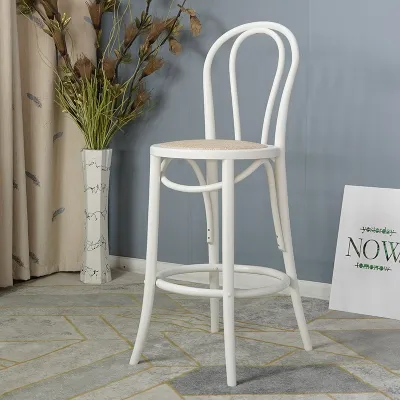
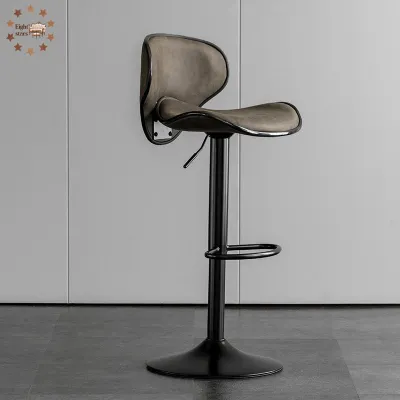
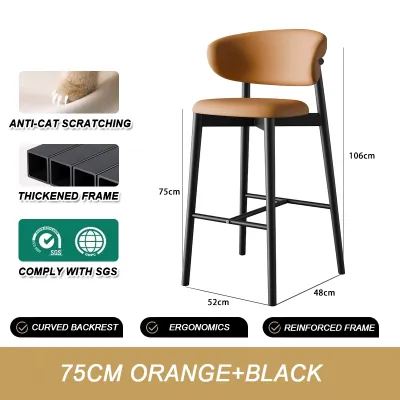
![[TheGoodFurniture] High Bar stool ★ High chair ★ Bar table ★ Cocktail table ★ Metal ★ Aluminium ★ Cushion ★ Lounge ★ High table ★ Designer ★ Dining ★ Pub ★ Club](https://img.lazcdn.com/g/p/32e708ec5b3f9e13b33e5b5209bcf840.jpg_400x400q80.jpg_.webp)
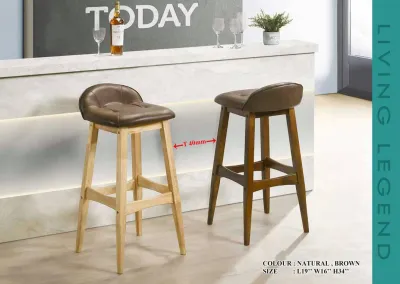
Prices are valid at publication and may change. Please refer to the product page for the latest price.
To choose the ideal bar table chair, you must focus on maximizing legroom, keeping walkways clear, and ensuring the seating does not visually overwhelm the room. Walkways in flats should ideally remain at least 90 to 100 centimeters wide to allow comfortable passage. Stools that protrude too far back will constantly block these high-traffic paths.
Ultimately, the right seating balances everyday functionality with your home’s aesthetic continuity. Stools should complement your cabinetry and living room decor while standing up to daily wear. Achieving this harmony requires selecting design styles engineered for compact living.
Top Bar Stool Styles for Compact Kitchen Islands
Selecting the right style of bar table chair is not merely an aesthetic choice; it is a strategic decision that directly impacts how spacious your kitchen feels. The most successful designs for HDB islands balance physical comfort with visual lightness, ensuring that the seating feels like an integrated, deliberate design feature rather than a cramped afterthought. Let’s explore the top design styles that excel in typical Singaporean apartment layouts.

Backless and Low-Back Designs
Backless bar stools represent the ultimate space-saving solution for compact HDB kitchens. Because they lack a vertical backrest, these stools can be pushed completely underneath the island overhang when not in use. This keeps kitchen walkways entirely clear, which is particularly beneficial in narrow galley kitchens or open-concept flats where the island sits close to the living area.
If you plan to use your island for longer periods—such as working from home or enjoying extended dinners—low-back options offer a smart compromise. These designs feature a subtle lip or a short backrest that provides essential lumbar support without rising above the countertop. This low profile ensures that the visual flow across your open-concept space remains completely unobstructed.
When shopping for backless or low-back models, check the seat depth. Because these designs lack a full backrest to lean against, a shallow seat can feel unstable. Look for models that offer a contoured seat surface or sufficient depth to provide adequate thigh support.
Transparent Acrylic or "Ghost" Stools
Transparent acrylic stools, often referred to as “ghost” stools, are highly effective for small-space interior design. Made from clear polycarbonate, these stools allow light to pass through them completely, making them virtually invisible at a glance. This transparency prevents the kitchen island area from looking cluttered, even if you place multiple stools side-by-side.
Beyond their space-expanding visual effect, acrylic stools bring a sleek, contemporary edge to modern HDB interiors. They pair beautifully with marble-look quartz countertops or minimalist laminate finishes. Because they do not introduce a new color or heavy texture, they easily adapt to changing decor themes.
However, clear materials require careful consideration regarding maintenance. Before purchasing, check the manufacturer’s stated weight capacity to ensure structural safety. You must also review the surface care instructions; acrylic is prone to fine scratches and requires specific cleaning methods—such as using soft microfiber cloths and avoiding ammonia-based cleaners—to prevent clouding over time.
Slim-Profile Metal or Wire Frames
For homeowners who favor a modern, minimalist, or industrial aesthetic, slim-profile metal or wire-frame bar stools are an exceptional choice. These designs utilize strong steel or iron rods to support the seat, allowing the legs to be incredibly thin without compromising structural integrity. The open, airy nature of wireframe backrests and legs reduces visual bulk, letting you see the floor and cabinetry behind the stools.
These structurally light options integrate seamlessly into popular Singaporean interior styles. A matte black metal frame adds a sharp, graphic line to an industrial loft-style kitchen, while a powder-coated white or brass frame complements Scandinavian themes. The minimalist frame ensures that the island itself remains the focal point.
When opting for metal frames, inspect the feet of the stools. Metal legs can easily scratch typical HDB flooring materials, such as homogeneous tiles or vinyl. Verify that the stools come equipped with built-in floor protectors or plastic glides to safeguard your floors from daily friction.
Swivel or Stackable Configurations
Flexibility is paramount in a multi-functional HDB home, making swivel or stackable configurations highly practical choices. Swivel bar stools feature a rotating seat mechanism that allows you to turn easily to face the kitchen prep area or the living room. This rotation is incredibly useful in tight spaces, as it allows you to get on and off the stool without sliding the entire base back into the walkway.
Stackable designs, on the other hand, are ideal for homeowners who prioritize adaptable spaces. If you occasionally need to clear the kitchen floor space for deep cleaning or hosting larger gatherings, stackable stools can be quickly nested and tucked into a storeroom. This feature prevents your kitchen from feeling permanently locked into a single layout.
When evaluating swivel models, check the stability of the base and the smoothness of the rotation mechanism. A wider, heavier base is often required to prevent tipping, so ensure this base diameter does not extend too far into your kitchen’s main traffic lane. For stackable models, check that the contact points have protective padding to prevent scratching when stacked.
Key Sizing and Clearance Rules to Follow
To ensure your chosen bar table chair fits your HDB kitchen island perfectly, you must follow strict sizing and clearance rules. Buying stools based on looks alone often leads to uncomfortable seating positions, bruised knees, or blocked walkways. Taking precise measurements of your space before making a purchase is the single most important step in the process. When purchasing your stools, also consider delivery logistics; verify that the fully assembled dimensions can easily fit through your HDB front door and lift access, and check the assembly conditions if they require self-assembly.
The first rule of thumb is the height difference between the countertop and the stool seat. For a comfortable, ergonomic posture, you need a gap of 25 to 30 centimeters between the underside of the counter and the top of the seat cushion. If your island is a standard counter height of 90 centimeters, look for stools with a seat height of 60 to 65 centimeters. If your island is built to a bar height of 105 centimeters, you will need stools with a seat height of 75 to 80 centimeters.
Next, evaluate the overhang depth. The overhang is the portion of the countertop extending past the base cabinets to provide knee room. To sit comfortably without hitting your knees against cabinet doors, you need a minimum overhang depth of 25 to 30 centimeters. If your island has a shallow overhang of less than 20 centimeters, backless stools are recommended to let you sit closer to the edge.
In terms of width, allow approximately 60 centimeters of horizontal space per stool so people can eat comfortably. For example, if your island overhang is 120 centimeters long, you can comfortably fit two stools. Squeezing three stools into this space will result in bumped elbows during meals.
When measuring, account for any support pillars, corbels, or under-counter drawers that might reduce legroom or prevent stools from sliding underneath. Finally, check the stool’s base diameter to ensure it does not protrude into the main circulation path.
Material and Maintenance Considerations for Kitchen Use
The kitchen is a high-traffic, high-moisture zone, meaning your bar stools must withstand daily wear. In Singapore’s hot and humid climate, furniture is subjected to humidity, cooking grease, and accidental spills. Choosing materials that are easy to clean and maintain will ensure your stools look pristine for years.
Rather than assuming a material is naturally waterproof or stain-proof, check the manufacturer’s care labels. For example, while genuine leather looks luxurious, it is sensitive to high humidity and requires regular conditioning to prevent cracking. Similarly, untreated softwoods absorb oils and food stains rapidly, making them difficult to sanitize.
For busy households, wipe-clean surfaces like powder-coated metal, molded plastic, and treated hardwoods are highly recommended. If you prefer upholstered seats, look for performance fabrics treated with stain-resistant finishes, or opt for high-quality synthetic leathers (polyurethane or PU) that offer the look of leather with much simpler maintenance.
Beyond cleanliness, physical safety is crucial on smooth kitchen floor tiles. Ensure the stool has a stable, slip-resistant base. Lightweight stools are easy to move but can tip over easily if bumped on slick surfaces. Look for stools with a low center of gravity and rubberized grip pads on the feet to prevent sliding and tipping.
Frequently Asked Questions (FAQ)
How many bar stools can fit at a standard HDB kitchen island?
To determine how many stools will fit, apply the standard rule of allowing 60 centimeters of horizontal width per person. Measure the usable length of your island’s overhang, making sure to exclude corners, decorative edges, and structural support pillars that block seating. For a typical HDB island length of 120 to 150 centimeters, you can comfortably fit two bar stools; attempting to fit a third will restrict arm movement and crowd the space.
Should I choose counter-height or bar-height stools for my HDB?
You should almost always choose counter-height stools for an HDB kitchen island. Most residential HDB islands are built to standard counter height, which is 90 centimeters from the floor to the top of the counter. Counter-height stools, with seats measuring 60 to 65 centimeters high, are designed specifically for this height. Commercial bar-height stools (75 to 80 centimeters high) are designed for taller 105-centimeter bars and will not leave enough legroom under a standard HDB counter.
Are stools with arms suitable for small kitchen islands?
Stools with armrests are generally not suitable for small HDB kitchen islands. Armrests add significant physical width to the stool, reducing the number of chairs you can fit side-by-side. Furthermore, high armrests often prevent the stool from being tucked fully under the island overhang when not in use, leaving them protruding into your kitchen walkways. They are only recommended if your island features an exceptionally deep, wide overhang specifically designed to accommodate them.
Community discussion
Share your experience or ask a question. Comments are reviewed before publication.