
Singapore’s urban landscape is dominated by high-density housing, where every square meter of floor space in Housing & Development Board (HDB) flats and private condominiums is highly valued. Modern HDB floor plans, particularly Build-To-Order (BTO) flats, often feature compact entryways and bedrooms where traditional, bulky wardrobes or wide-base coat hangers simply cannot fit. Without a dedicated storage solution, daily-use bags—ranging from heavy work laptops and leather totes to gym duffels and casual canvas backpacks—frequently end up tossed onto dining chairs, beds, or the floor. This habit not only creates immediate visual clutter but also leads to structural damage, stretching bag handles and deforming the bases of expensive accessories.
Furthermore, Singapore’s tropical climate introduces a unique environmental challenge. With average relative humidity levels often soaring above 80%, stagnant air in dark, cramped wardrobes or bags piled on top of each other creates an ideal breeding ground for mold, mildew, and musty odors. Storing bags on an open, elevated stand allows for continuous 360-degree airflow, which is essential for preserving delicate materials like natural leather, suede, and polyurethane coatings. A dedicated bag hanger stand serves as both a space-saving organizer and a protective display, keeping everyday essentials dry, aired out, and easily accessible near the entryway.
Key Selection Criteria for Small-Space Bag Hanger Stands
Selecting the right bag hanger stand for a compact Singapore apartment requires looking beyond aesthetics. Since space is at a premium, the physical design and structural integrity of the stand must align perfectly with your home’s layout and your daily habits.
Products mentioned in this guide
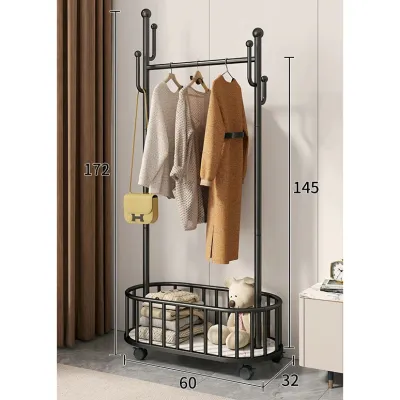
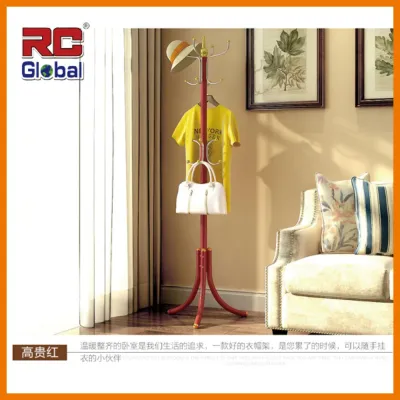

![[✅SG Ready Stock] 100% solid wood Wooden Clothes Hanger Rack Nordic Style Clothes Hanger Hook Bedroom Coat Stand Rack](https://img.lazcdn.com/g/p/f4e39069115cbc3402d9b2bbb638ae5a.png_400x400q80.png_.webp)
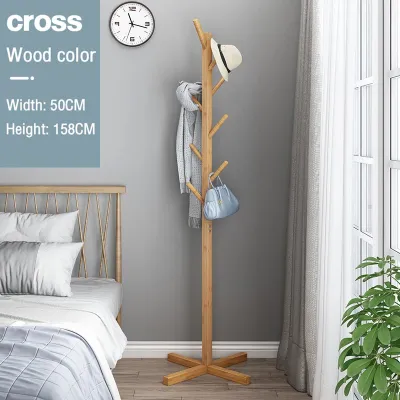
![[💛SG Ready Stock] 100% Solid wood Coat Rack Standing Creative Branch Shape Clothes Hanger Racks 8 Hooks Hat Oragnizer for Bedroom House Furniture](https://img.lazcdn.com/g/p/ad130a9c7803f6ffc7ca86800928e26f.png_400x400q80.png_.webp)
Prices are valid at publication and may change. Please refer to the product page for the latest price.
Footprint and Base Design
The most critical dimension for small-space furniture is the floor footprint. Standard coat racks often feature wide, sprawling tripod legs that consume valuable floor area and create tripping hazards in narrow corridors. For compact spaces, prioritize stands with slim, flat-profile bases—such as heavy rectangular or semi-circular steel plates—that can sit completely flush against a wall or tuck neatly behind an open door.
Vertical Storage Efficiency
When floor space is limited, the only way to expand storage is upward. Look for brands that offer vertically stacked, multi-tiered hooks. A well-designed stand will feature staggered hooks at varying heights, allowing bags of different lengths to hang simultaneously without overlapping excessively or creating a bulky silhouette. Integrated top trays or low-profile shelves add immense value, providing a designated spot for small pocket items like keys, wallets, and transport cards.
Stability and Tipping Risk
A slim footprint must not come at the expense of stability. Hanging a heavy leather tote or a laptop bag on one side of a lightweight stand can easily shift its center of gravity, leading to tipping. Ensure the stand features a heavily weighted base, typically constructed from cast iron or solid steel, which keeps the anchor point low. The base-to-height ratio should be engineered to withstand asymmetrical loading without wobbling.
Material and Finish Verification
Singapore’s humid climate demands materials that can resist moisture-induced degradation. Do not assume that a material name alone guarantees longevity. Untreated iron will rust, and poorly sealed wood will warp or harbor mold. Verify that metal stands feature high-quality powder-coated or electroplated finishes that seal the underlying metal from moisture. For wooden stands, look for solid hardwoods like teak, rubberwood, or oak that have been treated with water-resistant polyurethane or protective lacquer coatings.
Multi-functionality
In compact homes, furniture must often perform double duty. Choosing a brand that integrates bag hooks with other entryway essentials—such as a built-in umbrella holder with a removable drip tray or a lower shoe rack—consolidates multiple furniture pieces into a single, cohesive unit, saving both floor space and money.
Recommended Bag Hanger Stand Brands for Compact Living
To help you find the perfect match for your home, we have analyzed several prominent brands available in Singapore, focusing on their design philosophies, space efficiency, and practical limits.

Yamazaki Home: Japanese Minimalist Engineering
Yamazaki is a heritage Japanese brand renowned for its functional, space-saving home organization solutions. Their design philosophy centers on clean lines, compact footprints, and smart geometry, making their products exceptionally well-suited for tight HDB entryways and condo bedrooms. Yamazaki’s “Tower” and “Tosca” series frequently utilize slim, powder-coated steel frames combined with warm wood accents, offering a modern aesthetic that blends seamlessly into minimalist interiors.
- Ideal Use Case: These stands are ideal for narrow entryways, tight corners beside shoe cabinets, or small home offices where floor space is extremely restricted. Their flat, rectangular, or circular bases are designed to hug walls closely.
- Limitations: Because Yamazaki prioritizes an ultra-slim profile, their freestanding models generally have lower maximum weight capacities compared to heavy-duty industrial racks. They require mindful, balanced distribution of heavier bags to prevent minor swaying.
- Purchase Verification: Before purchasing, verify the exact base dimensions on the manufacturer's specification sheet—many models feature a footprint of just 25cm by 25cm. Check the maximum load capacity per hook, which typically ranges from 1kg to 2kg, to ensure it can support your daily gear.
IKEA: Accessible and Modular Scandinavian Design
IKEA offers highly accessible, modular furniture options that cater to a wide range of budgets and living arrangements. Their product lines, such as the TJUSIG, PINNIG, or PORTIS series, focus on simplicity and multi-functional storage. IKEA stands are highly adaptable, often combining bag hanging hooks with integrated benches, shoe racks, or hat shelves, allowing you to establish a complete entryway organization station in one go.
- Ideal Use Case: Best suited for wider HDB foyers, rental apartments where flexible and cost-effective furniture is preferred, or bedrooms where a single unit needs to store shoes, coats, and bags simultaneously.
- Limitations: Many of IKEA's budget-friendly freestanding coat and bag racks utilize tripod leg designs, which require a larger floor footprint (often exceeding 50cm in diameter) and can easily block narrow walkways. Additionally, some models require self-assembly where precise tightening is necessary to prevent wobbling over time.
- Purchase Verification: Carefully measure your available floor space and compare it against the "width" and "depth" specifications on the product page. If selecting a tall, top-heavy model, verify if the manufacturer recommends or includes wall-anchoring hardware to prevent tipping.
Scanteak: Resilient Solid Teak for Tropical Climates
Scanteak is a well-known brand in Singapore specializing in solid teak wood furniture designed specifically to withstand local environmental conditions. Teak wood naturally contains high levels of organic oils, making it exceptionally resistant to moisture, rot, warping, and pests—crucial benefits in Singapore’s humid climate. Their bag and coat hangers feature solid, heavy bases and robust joinery, offering a warm, organic aesthetic alongside superior structural stability.
- Ideal Use Case: Perfect for living rooms, master bedrooms, or main entryways where you want a premium, warm aesthetic and require a highly stable stand capable of holding heavier leather briefcases, camera bags, or loaded backpacks.
- Limitations: Solid teak furniture represents a higher initial financial investment compared to metal or engineered wood alternatives. The stands are physically heavier, making them less convenient to move around frequently, and they typically feature a slightly larger footprint to accommodate the natural weight of the timber.
- Purchase Verification: Check the product specifications for the exact base diameter and weight. Confirm that the wood has been treated with a high-quality protective sealer, and verify the clearance height of the lowest hooks to ensure your longer bags will not touch the floor.
Muji: Subdued Aesthetics and Wall-Mounted Versatility
Muji is famous for its simple, functional oak and walnut furniture. Beyond their minimalist freestanding poles, Muji is highly regarded for its “Wall Furniture” series. This modular system allows users to mount individual hooks, multi-hook rails, and small shelves directly onto walls using specialized, low-damage mounting pins, completely bypassing the need for floor space.
- Ideal Use Case: Excellent for renters who want to utilize wall space without causing major structural damage, or for micro-apartments where zero floor space can be allocated to a freestanding stand.
- Limitations: Muji's wall-mounted options have strict weight limits (often around 2kg to 3kg total per rail) and are not suitable for heavy laptop bags or packed backpacks. For their freestanding wooden poles, the hooks are often integrated closely into the main shaft, which can make hanging bulky bags side-by-side challenging.
- Purchase Verification: If choosing the wall-mounted series, verify your wall material. While Muji's pins are optimized for drywall/plasterboard, mounting them securely onto solid HDB concrete walls will require drilling and appropriate wall plugs.
Comparing Space-Saving Designs: Freestanding, Wall-Mounted, and Hook Styles
Choosing the right form factor depends heavily on your specific room layout, wall construction, and tenancy agreement. The table below outlines the key trade-offs between the three primary space-saving bag storage designs available on the market.
| Design Type | Floor Space Required | Installation Effort | Typical Weight Capacity | Renter-Friendliness | Best Suited For |
|---|---|---|---|---|---|
| Slim Freestanding Stands | Minimal (approx. 20-30cm diameter) | Low (simple manual assembly, no drilling) | Moderate (5kg to 15kg total load) | High (fully mobile, leaves no wall marks) | Corner spaces, bedrooms, and temporary setups |
| Wall-Mounted Racks/Hooks | Zero floor space | High (requires drilling, wall anchors, and leveling) | High (up to 20kg+ depending on wall anchors) | Low to Moderate (requires patching wall holes upon moving) | Narrow entryways, hallways, and heavy bag storage |
| Over-the-Door / Clip-on Styles | Zero floor space | None (hangs directly over standard door frames) | Low to Moderate (limited by door hinge strength) | Very High (zero damage, instant installation) | Rented rooms, bathrooms, and inside wardrobe doors |
Trade-off Analysis
While freestanding stands offer the ultimate flexibility and require zero installation effort, they are inherently bound by the laws of physics; their stability is limited by their base weight and footprint. Wall-mounted racks provide unparalleled weight capacity and completely free up your floor, but they require proper tools and permanent installation, which may not be feasible in rented condos. Over-the-door hooks are highly convenient and cost-effective, but they can scratch door paint, interfere with door alignment, and are limited by the thickness of standard doors.
Pre-Purchase Checklist: Measuring Space and Verifying Stability
To avoid the hassle of returning a product that does not fit or function safely in your home, complete this practical checklist before making your purchase.
- Measure the Swing Radius: Do not just measure the physical footprint of the stand's base. When bags are hung, they protrude outward. Measure the "swing radius"—the extra clearance space around the stand—to ensure that hanging bags will not block nearby door swings, wardrobe doors, or narrow walkways in your entryway.
- Verify the Weight Capacity: Weigh your heaviest daily-use bags when fully loaded (including laptops, water bottles, and chargers) using a simple scale. Compare this weight against the manufacturer's stated maximum load capacity per hook and the total weight limit of the stand. Never exceed these thresholds, as overloading causes structural fatigue and tipping.
- Assess Floor Surface Compatibility: Ensure your intended placement area is flat and level. If you have smooth HDB ceramic tiles, polished marble, or condo vinyl flooring, check if the stand's base includes protective rubber, silicone, or felt pads. These pads prevent the stand from sliding when you hang a bag and protect your flooring from scratches.
- Check Assembly and Maintenance Requirements: Review the assembly instructions on the brand's website. Determine if specialized tools (like a masonry drill for concrete walls or specific screwdrivers) are required, or if the package includes all necessary hardware. Additionally, check if the brand offers replacement parts, such as extra hooks or replacement anti-slip pads, to ensure long-term usability.
Caring for Your Bag Stand in a Humid Climate
Maintaining your bag hanger stand is essential for protecting both the furniture piece and your valuable bags from the damaging effects of Singapore’s humid tropical climate.
- Routine Inspection: Every few months, perform a quick visual inspection of your stand. Look closely at the joints, screws, and lower sections of the base. Check for early signs of rust on metal components, peeling or bubbling on painted finishes, and any signs of mold, mildew, or warping on wooden surfaces.
- Cleaning Protocols: Clean the stand regularly using a dry or slightly damp microfiber cloth to remove dust, which can attract and trap moisture. If cleaning is required, use a mild, non-abrasive soap solution. Avoid harsh chemical cleaners that can strip protective powder coatings or wood lacquers. Always dry the stand thoroughly with a clean towel immediately after cleaning; never leave moisture to air-dry.
- Bag Care Integration: Avoid using the stand as a permanent storage dump for unused bags. Rotate the bags you display to ensure they all receive adequate airflow. Before hanging any bag, ensure it is completely empty and dry—especially after commuting in sudden tropical downpours. Hanging a wet bag can transfer moisture to the stand, leading to rust or mold growth on both items. Refer to your bag manufacturer's care instructions for specific material maintenance.
- Safety Boundary: If you observe structural bending, loose joints that cannot be tightened securely, or significant rust compromise that weakens the frame, stop using the stand immediately. Consult the manufacturer or retailer for repair advice, or replace the unit to prevent a sudden collapse that could damage your belongings or cause injury.
Frequently Asked Questions (FAQ)
Can I use a freestanding bag hanger on uneven flooring or thick rugs?
Freestanding slim bag hanger stands rely on a perfectly flat, hard surface to maintain their balance and structural integrity. Placing them on thick, plush rugs, uneven floor tiles, or warped surfaces shifts the center of gravity, significantly increasing the risk of the stand tipping over when loaded. If your flooring is uneven, we recommend placing a rigid, flat base mat underneath the stand to distribute the weight evenly, or opting for a wall-mounted rack that bypasses floor contact entirely.
How do I prevent my bag hanger stand from tipping over when hanging heavy items?
To maximize stability, always apply the principle of low weight distribution. Hang your heaviest items, such as laptop bags or loaded backpacks, on the lowest hooks or closest to the central support pole. This keeps the overall center of gravity low. Additionally, balance the load by distributing your bags evenly around the stand rather than clustering multiple heavy items on a single side. Always strictly adhere to the manufacturer’s specified weight limits for individual hooks and the total stand capacity.
Community discussion
Share your experience or ask a question. Comments are reviewed before publication.