
Finding extra space in a compact Singapore home can feel like an ongoing puzzle. In typical HDB layouts, particularly in newer Build-To-Order (BTO) flats, layout constraints often leave awkward, narrow gaps between appliances, cabinets, and walls. A narrow storage 15cm solution is one of the most effective ways to reclaim these lost areas, but success depends on choosing the right format—such as a rolling cart, a pull-out shelf, or a static unit—and accounting for structural realities like skirting boards, wall types, and appliance ventilation.
Maximizing a 15cm gap requires more than just finding a piece of furniture that looks slim. Because the tolerances are incredibly tight, even a tiny measurement error or an overlooked architectural detail can prevent your new storage unit from fitting. By understanding the physical constraints of your flat and matching the storage type to your daily habits, you can turn a useless gap into a highly functional organizational hub.
How to Accurately Measure 15cm Gaps in Your HDB
Before browsing online marketplaces or visiting local furniture showrooms, you must obtain precise measurements of the target space. In HDB flats, walls are rarely perfectly straight. Minor plastering variances, structural settling, or slight angles in concrete wall panels can make a gap narrower at the back than it is at the front. To avoid buying a unit that gets wedged halfway in, always measure the width of the gap at three distinct heights: near the floor, in the middle, and near the top. Use the smallest of these three measurements as your maximum allowable width.
Products mentioned in this guide
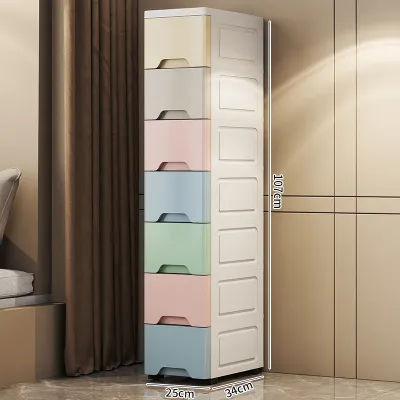
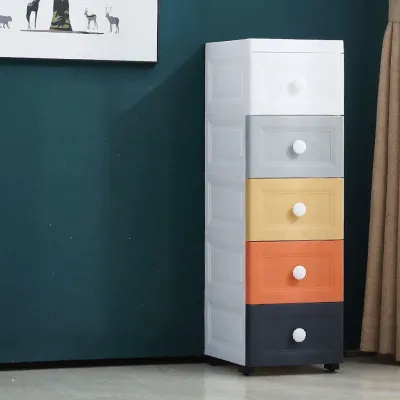
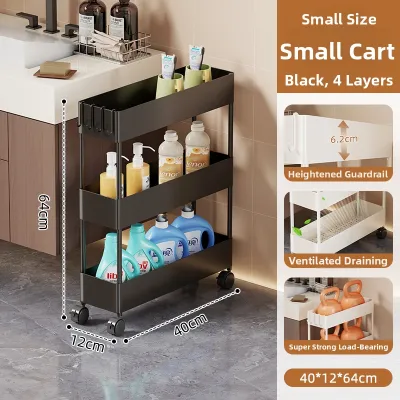
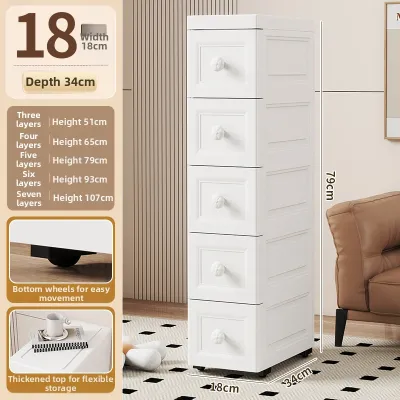
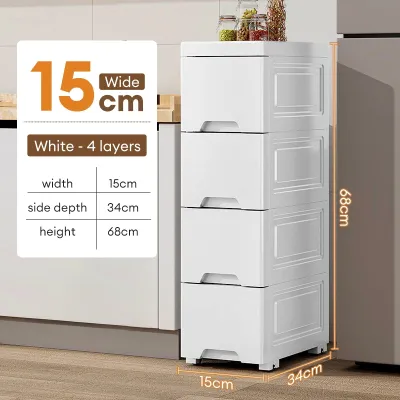
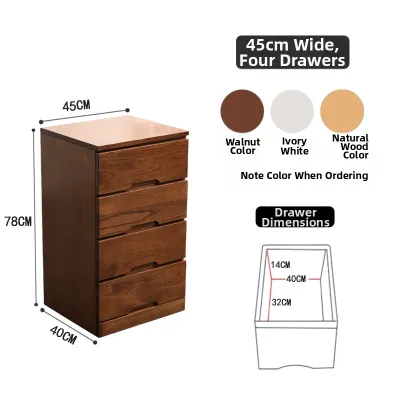
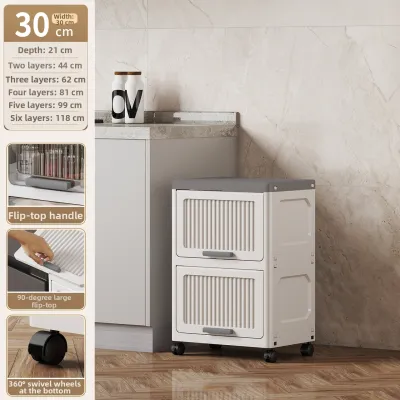
Prices are valid at publication and may change. Please refer to the product page for the latest price.
Another critical factor is the presence of floor skirting boards. In most HDB flats, skirting boards made of tile, timber, or vinyl run along the base of the walls, typically protruding between 12mm and 20mm into the room. If you measure a gap wall-to-wall at waist height and find it is exactly 15cm, the actual usable floor width at the skirting board level may only be 11cm to 12cm. If your storage unit rests on the floor or uses wheels, it must be slim enough to clear these skirting boards on both sides.
Beyond the walls and floors, look closely for hidden or protruding architectural obstructions. Electrical trunking, water pipes, tap valves, gas pipes, and power sockets can easily block a slim storage unit. In HDB service yards and kitchens, copper gas lines or exposed PVC drainage pipes often run along the corners of walls, reducing the available clearance. Additionally, standard Singaporean power plugs protrude about 15mm to 25mm from the wall socket when plugged in, which can completely block a 15cm storage unit from sliding back fully.
Finally, do not forget to measure the depth and height of the space. A storage unit that is too deep may protrude into high-traffic walkways, creating a tripping hazard or blocking adjacent cabinet doors and drawers from opening fully. If you are planning to use a rolling cart, inspect the floor surface. HDB bathrooms and service yards are intentionally sloped toward floor waste traps to facilitate water drainage. A significant slope can cause a wheeled cart to drift or roll out of the gap on its own if it does not have reliable locking casters.
Best 15cm Narrow Storage Types for HDB Layouts
Choosing the best narrow storage 15cm solution for your home depends heavily on where the gap is located, what you plan to store, and how often you need to access those items. A solution that works perfectly for lightweight toilet paper rolls in a bathroom might fail miserably when loaded with heavy glass bottles of soy sauce in a kitchen.

By categorizing narrow storage into three distinct design types, you can select a system that balances accessibility, physical stability, and weight capacity for your specific household needs.
Slim Rolling Carts for Kitchens and Bathrooms
Slim rolling carts are dynamic, mobile storage units designed to slide completely out of a gap, allowing you to access items from both sides. In HDB flats, these are exceptionally useful in the kitchen—positioned beside the refrigerator or stove to hold spices, cooking oils, and condiments—or in the service yard next to the washing machine to hold laundry detergents, fabric softeners, and cleaning brushes.
When choosing a rolling cart, the material is a primary consideration due to Singapore’s high relative humidity, which often exceeds 80%. For wet areas like bathrooms or unventilated service yards, high-grade polypropylene (PP) plastic is an excellent choice because it is completely immune to rust, water damage, and mold. If you prefer a metal cart for a kitchen or living space, ensure it is made of powder-coated carbon steel or stainless steel, and check the joints for consistent finish coverage to prevent moisture from reaching the underlying metal. Look for carts equipped with 360-degree swivel casters for smooth movement, and ensure at least two of the wheels have reliable locking mechanisms to keep the cart stable when parked.
However, rolling carts have distinct physical limitations. The wheel assembly adds to the total height of the unit and can raise the center of gravity, making the cart prone to wobbling if it is top-heavy. Furthermore, because you must pull the entire cart out to access items at the back, you must have clear floor space directly in front of the gap that is at least equal to the depth of the cart itself. If your floor tiles have deep, wide grout lines, the small wheels of a slim cart may catch or bump, causing tall bottles inside to tip over.
Pull-Out Gap Shelves for Appliance Gaps
Pull-Out gap shelves are semi-permanent, structured units that slide along fixed tracks or runners rather than loose wheels. These are ideal for deep, static gaps where you want smooth, linear movement without the risk of the unit drifting sideways. Common HDB locations include the narrow gap between a built-in wardrobe and a bedroom wall, or beside a built-in kitchen oven cabinet.
Key features to look for in a pull-out shelf include heavy-duty ball-bearing drawer slides or floor-mounted tracking systems that ensure the unit pulls out in a perfectly straight line. Because they are physically guided by tracks, these shelves can support significantly more weight than rolling carts, making them suitable for heavy canned goods, small kitchen appliances, or stacks of ceramic dishes. Many premium models also feature adjustable shelf heights, allowing you to customize the vertical space to fit tall oil bottles or short spice jars.
Despite their strength, pull-out shelves have a major structural trade-off: the “carcass tax.” Because these units rely on an outer cabinet frame or side-mounted tracks to function, the physical frame itself takes up space. If the total external width of the unit is exactly 15cm, the side panels (which are typically 15mm to 18mm thick on each side) and the internal clearance gaps will reduce the actual, usable inner shelf width to roughly 11cm or 12cm. Always verify the internal shelf dimensions to ensure your intended items will actually fit inside. Additionally, if installed next to major appliances, you must ensure the tracks do not block necessary heat dissipation vents.
Slim Shelving Units for Living and Study Nooks
Static slim shelving units are stationary towers designed to remain fixed in one spot. These units are best suited for dry, low-traffic areas of your HDB flat, such as narrow alcoves in the living room, small gaps beside a study desk, or the tight space next to a bed where a standard nightstand cannot fit. They are excellent for organizing books, displaying decorative items, or holding daily essentials like remote controls and chargers.
To keep a small space from feeling dark and cluttered, look for static shelves with open-back designs or wire-grid frames that allow light to pass through. Lightweight engineered wood with high-pressure laminate finishes can easily match popular HDB interior design themes, such as Scandinavian, Muji minimalist, or industrial styles. Because these units do not need to slide or roll, they utilize the full 15cm width for storage without losing space to wheels, tracks, or thick outer cabinet carcasses.
However, static shelves require you to reach directly into the narrow gap to retrieve items, which can be difficult if the shelf is deep. The most critical concern with tall, static slim shelves is the risk of tipping over. A unit that is only 15cm wide but stands 120cm or 150cm tall has an incredibly narrow base support and a high center of gravity. In households with young children, elderly family members, or active pets, these units pose a serious safety hazard if they are not securely anchored to the wall.
Quick Comparison: Choosing the Right 15cm Storage
To help you determine which narrow storage type fits your specific HDB layout and daily routine, refer to the comparison table below. This table outlines the general characteristics of each storage category based on typical product specifications.
| Storage Type | Best HDB Location | Mobility | Weight Capacity | Key Maintenance |
|---|---|---|---|---|
| Slim Rolling Carts | Kitchen (beside fridge/stove), Service Yard, Bathroom | High (360-degree casters) | Low to Medium (approx. 3-5kg per shelf) | Clean hair/dust from wheels; check metal joints for rust |
| Pull-Out Gap Shelves | Kitchen (built-in cabinets), Wardrobe gaps | Medium (slides straight on fixed tracks) | High (approx. 10-15kg depending on runners) | Lubricate drawer slides annually; wipe down tracks |
| Slim Shelving Units | Living Room alcoves, Study room, Bedside | None (static / wall-anchored) | Medium to High (approx. 5-8kg per shelf) | Dust shelves regularly; inspect wall anchor brackets |
When using this table to make your decision, cross-reference your measured gap dimensions with your storage goals. If you need to store heavy laundry liquids in a damp service yard, a heavy-duty plastic rolling cart with wide wheels is preferable to a static wooden shelf. Conversely, if you want to store novels and display small potted plants in your living room, a static, wall-anchored slim shelving unit is the safest and most aesthetically pleasing choice.
Essential Checks Before Buying Narrow Storage Online
Buying furniture from online marketplaces and e-commerce platforms is highly convenient, but narrow storage units require extra vigilance. Because a difference of just 5mm can make a 15cm unit completely unusable in your home, you must look past styled marketing photos and dig deep into the technical specifications provided by the seller.
First, always verify the absolute maximum external dimensions. Many online listings use terms like “slim,” “narrow,” or “15cm” in their titles as generic search keywords, but the actual product might measure 15.5cm or even 16cm at its widest point. Look for detailed CAD drawings or dimension diagrams in the product description. Check if the stated 15cm width includes protruding parts such as wheel axles, side screws, handles, or decorative top caps. If these details are missing, message the seller directly to confirm the exact millimeter measurements before placing your order.
Second, pay close attention to the quality of the moving components. For rolling carts, cheap plastic wheels can easily crack, seize, or scratch your vinyl or hardwood flooring under a heavy load. Look for carts that feature rubberized, polyurethane (PU), or high-grade nylon wheels. For pull-out shelves, check if the sliding tracks use steel ball-bearing runners rather than simple plastic grooves, as ball bearings provide a much smoother glide and prevent the shelf from sticking or jamming over time.
Third, understand the shipping and return logistics. Many slim storage units sold on online marketplaces are shipped flat-packed from overseas warehouses. If the item arrives with missing parts, bent metal frames, or chipped corners, returning a bulky or heavy parcel can be incredibly frustrating and expensive, sometimes costing more than the item itself. Prioritize sellers that offer local transit insurance, robust return policies, or local exchange options in Singapore.
Finally, check the material’s suitability for Singapore’s tropical climate. Untreated particle board or cheap medium-density fibreboard (MDF) without proper edge banding will absorb moisture from the air, causing the shelves to swell, sag, and grow mold within a few months. For kitchens and bathrooms, stick to high-grade plastics, stainless steel, or solid wood that has been treated with a water-resistant polyurethane sealant. If you are buying a metal unit, verify that it has a rust-resistant powder-coated finish.
Frequently Asked Questions (FAQ)
Can a 15cm cart fit between a fridge and a wall?
While a 15cm cart may physically slide into a 15cm gap beside your refrigerator, doing so can pose a safety risk and damage your appliance. Refrigerators release heat through condenser coils located on their sides or back. If you block this gap with a tight-fitting storage cart, you trap the heat, forcing the refrigerator’s compressor to work much harder to keep the interior cold. This increased workload raises your electricity bills and can significantly shorten the lifespan of your appliance. Always check your refrigerator manufacturer’s instruction manual for the required clearance distances—most brands recommend leaving at least 50mm of open space on all sides for proper ventilation. If your gap is exactly 15cm, you should only use a cart that is 10cm wide or less to ensure adequate airflow.
How do I prevent a tall slim shelf from tipping over?
Because tall, narrow shelves have a very high center of gravity and a narrow footprint, they are highly susceptible to tipping over if bumped, overloaded, or pulled. To secure a slim shelf in an HDB flat, you must anchor it to the wall. First, identify your wall type; newer HDB BTO flats often use drywall partitions between bedrooms, while structural walls are made of solid concrete. For concrete walls, use an impact or SDS-plus drill with a masonry drill bit to create a hole, insert a plastic wall plug (rawlplug), and secure the shelf using metal L-brackets or heavy-duty anti-tip straps. For drywall partitions, you must use specialized toggle bolts or hollow-wall anchors instead of standard wall plugs. Additionally, always practice smart weight distribution: place your heaviest items, such as books, heavy jars, or storage boxes, on the very bottom shelves to lower the overall center of gravity and improve the unit’s natural stability.
Community discussion
Share your experience or ask a question. Comments are reviewed before publication.