
Finding the right neck pillow depends heavily on your individual cervical curve, resting posture, and primary use case. Because comfort and support are highly subjective and vary by specific product models, there is no single universal winner between Beneunder and competing brands. This guide provides a structured framework to evaluate the physical structures, material labels, and design features of Beneunder neck pillows against alternatives, helping you make a conditional choice based on verifiable specifications rather than marketing claims.
When sitting upright during a long commute or a flight departing from Changi Airport, your neck muscles work constantly to keep your head balanced. Without proper support, the head tilts, straining the cervical spine and surrounding muscles. A well-designed neck pillow acts as a physical cradle, filling the gap between your neck and the seat back to maintain a neutral spinal alignment.
To find a pillow that truly supports you, it is essential to look past brand names and focus on measurable design elements. By comparing physical dimensions, fill materials, and fabric specifications, you can identify which pillow matches your unique anatomy and travel habits.
Products mentioned in this guide
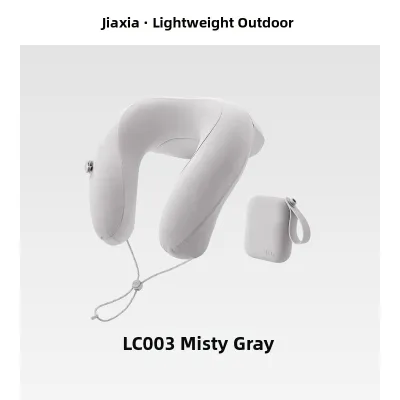
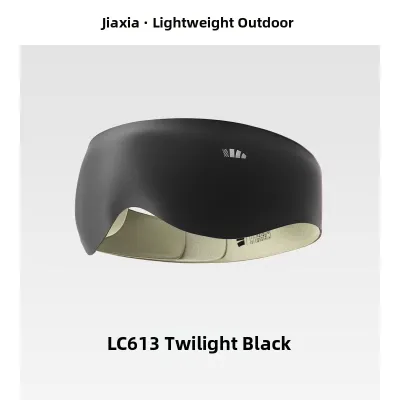
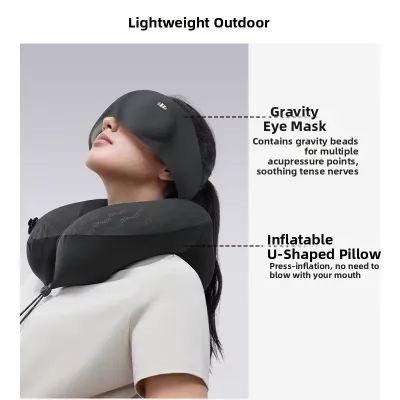
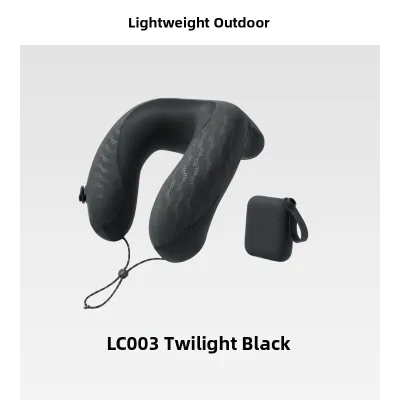
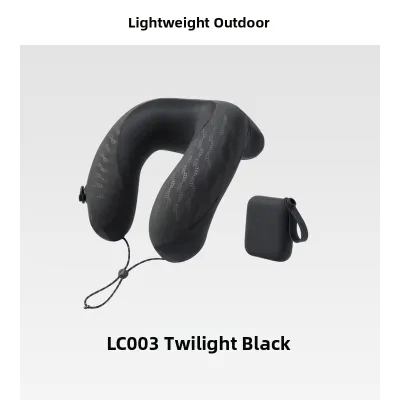

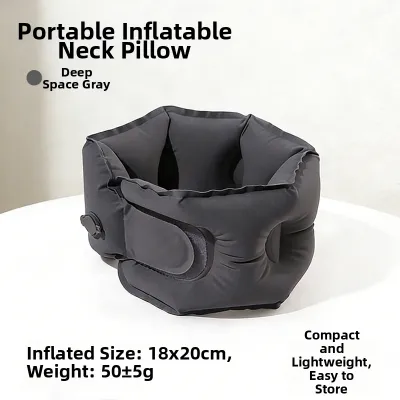
Prices are valid at publication and may change. Please refer to the product page for the latest price.
Core Dimensions for Evaluating Neck Support
Ergonomic contours are the most critical factor in preventing lateral head tilt and forward chin drop. Traditional U-shaped pillows provide basic rear and side support but often fail to keep the head from falling forward. In contrast, wrap-around designs, which are common in many Beneunder models, feature raised side lobes and a supportive front clasp that cradles the chin. When comparing brands, look for contoured shapes that mimic the natural lordotic curve of your neck rather than flat, uniform rings.
Rear thickness is another vital dimension that affects spinal alignment. If a neck pillow is too thick at the back, it pushes your head forward away from the seat headrest, causing neck strain. Many modern travel pillows feature a tapered or flattened rear section to allow your head to rest flat against the seat while the sides provide the necessary lateral support. Before purchasing, measure the distance from the back of your neck to your shoulder to ensure the pillow’s rear thickness does not exceed this space.
Fill density and rebound characteristics dictate how well the pillow maintains its shape under the weight of your head. Memory foam is a popular choice, but its supportive capacity depends on its density, typically measured in kilograms per cubic meter. High-density memory foam offers slow rebound properties, conforming closely to your neck contours and distributing pressure evenly. Low-density foam or loose fiberfill compresses too easily, offering minimal support and requiring frequent manual adjustment.
Adjustability features allow you to customize the fit to your specific neck circumference. A pillow that is too loose will slip out of place, rendering its ergonomic contours useless. Look for adjustable drawstrings, magnetic buckles, or multi-position snap fasteners that let you tighten the pillow securely around your neck. Some alternative brands also offer inflatable inserts, allowing you to adjust the firmness level on the fly by adding or releasing air.
Comfort and Material Checks
In warm and humid environments, heat retention can quickly turn a supportive pillow into an uncomfortable burden. Standard memory foam is notorious for trapping body heat due to its dense, closed-cell structure. To counter this, look for pillows that incorporate open-cell foam technology or integrated ventilation channels that allow air to circulate freely through the core.

Fabric composition plays a major role in how the pillow feels against your skin. Check the manufacturer’s care label for moisture-wicking synthetic fibers such as nylon, polyester, or spandex blends. Some brands, including Beneunder, utilize specialized cooling yarns or ice-silk fabric treatments designed to lower skin temperature upon contact. These materials are highly beneficial for tropical climates or stuffy airplane cabins where air circulation is limited.
Maintenance requirements are often overlooked but are crucial for long-term hygiene. Because neck pillows come into direct contact with sweat, skin oils, and makeup, they require regular cleaning. Verify whether the pillow features a fully removable, machine-washable outer cover. If a pillow is labeled as spot-clean only, the inner core and cover cannot be thoroughly washed, which may lead to odor buildup and fabric degradation over time.
Inspect the quality of the seams, zippers, and fasteners before making a decision. A durable zipper should be recessed or covered by a fabric flap to prevent it from scratching your neck or snagging your clothing. Double-stitched seams are also essential, especially for highly compressible travel pillows that undergo significant physical stress during packing and storage.
Use Case Matching: Travel vs. Home Rest
Portability and storage efficiency are primary concerns for travelers who need to pack light. High-density memory foam pillows can often be compressed down to a fraction of their original size and packed into a dedicated carrying pouch. If you plan to use the pillow primarily for transit, check the compressed dimensions to ensure it fits easily inside your carry-on bag or can be clipped securely to the exterior of your luggage.
Securing mechanisms are vital for maintaining an upright resting posture in transit. When sleeping in an airplane seat or an office chair, your muscles relax, and your head naturally falls to the side or front. A secure front clasp or toggle system keeps the pillow wrapped tightly around your neck, preventing it from spreading apart under the weight of your head. For home use, where you might rest in a reclined position, a looser, non-clasping design may be more comfortable.
Space limitations vary significantly between transit environments and home settings. On a crowded flight or bus, you have very little physical clearance around your shoulders and headrest, making a compact, streamlined pillow necessary. At home, however, you are not restricted by seat backs or adjacent passengers, allowing you to choose larger, plush pillows that offer broader shoulder support or dual-use functions as lumbar cushions.
Consider the weight of the pillow if you plan to carry it over long distances. While heavy, high-density foam provides excellent support, it can add unnecessary weight to your travel gear. Lightweight alternative fills, such as microbeads or inflatable chambers, offer superior portability and weight savings, though they generally provide less precise pressure relief than quality memory foam.
Decision Framework: When to Choose Which
To finalize your choice, evaluate your personal physical dimensions, primary resting environments, and material preferences against the specific features of each brand. There is no single option that suits everyone, so your decision should be based on which set of specifications aligns best with your daily routine.
Choose Beneunder if you prioritize a highly portable, wrap-around design with specialized cooling fabric treatments. If you frequently travel in warm climates, value integrated storage solutions that compress the pillow efficiently, and prefer a sleek, modern aesthetic with secure front fastening, these product specifications will serve your needs well.
Choose alternative brands if you require highly specialized orthopedic support, alternative fill materials, or customizable firmness levels. For example, if you prefer the natural, breathable support of buckwheat hulls, the springy resilience of natural latex, or the infinite adjustability of an inflatable core, you will find better matches among specialized bedding or medical supply manufacturers.
Before purchasing any neck pillow for pain relief, it is important to assess your physical health. If you suffer from pre-existing cervical spine conditions, chronic neck pain, or numbness in your shoulders and arms, consult a healthcare professional. A commercial neck pillow is designed for comfort and general support during rest; it is not a medical device and cannot cure underlying spinal issues.
Frequently Asked Questions (FAQ)
Can a neck pillow completely prevent neck pain during long flights?
No, a neck pillow cannot completely guarantee the prevention of neck pain during long flights. While a well-fitting pillow provides essential structural support and reduces muscle strain by keeping your head aligned, prolonged static sitting naturally causes muscle fatigue. To minimize discomfort, combine the use of a supportive pillow with regular stretching, staying hydrated, and changing your seating position slightly throughout the flight.
How do I clean a memory foam neck pillow without damaging it?
To clean a memory foam neck pillow safely, you must avoid washing the foam core itself. Submerging memory foam in water or putting it through a washing machine cycle will destroy its delicate cell structure and ruin its rebound properties. Instead, unzip and remove the outer fabric cover, wash it according to the manufacturer’s care label instructions, and spot-clean the inner foam core with a damp cloth and mild soap only when absolutely necessary, allowing it to air-dry completely away from direct sunlight.
Community discussion
Share your experience or ask a question. Comments are reviewed before publication.