
Finding the right neck pillow is a balance between structural support, material breathability, and portability. When comparing a specialized option like the Beneunder neck pillow against standard market competitors, the decision comes down to how well the pillow’s physical design aligns with your specific travel habits and physical needs. Rather than relying on broad marketing claims, a successful comparison requires looking closely at the physical specifications, fill materials, and closure mechanisms of each product. By understanding what to look for, you can make an informed choice that keeps you comfortable during long journeys.
What to Look for in a Supportive Neck Pillow
To evaluate any neck pillow, start with its ergonomic shape and how it interacts with your sleeping posture. Standard U-shaped pillows offer basic lateral support but often fail to prevent the head from dropping forward, which can strain the cervical spine. J-shaped, wrap-around, or asymmetrical designs provide targeted support for the chin and sides of the head. This is highly beneficial if you tend to lean to one side or sleep upright during long transit hours. The goal is to maintain the natural cervical curvature of your spine, keeping your head aligned with your shoulders without forcing your neck into an awkward forward or lateral tilt.
Next, examine the fill material properties, which directly dictate firmness and rebound. Memory foam is highly popular for its contouring ability, but its density determines how much support it actually provides. High-density memory foam offers firm resistance and slow rebound, which helps distribute the weight of your head evenly. Low-density foam or microbeads may feel soft initially but often compress completely under pressure, offering little actual structural support. Inflatable chambers, on the other hand, allow you to adjust the firmness manually by adding or releasing air, but they lack the plush, pressure-relieving feel of high-quality foam.
Products mentioned in this guide
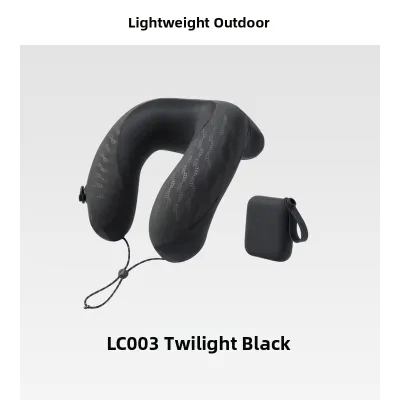
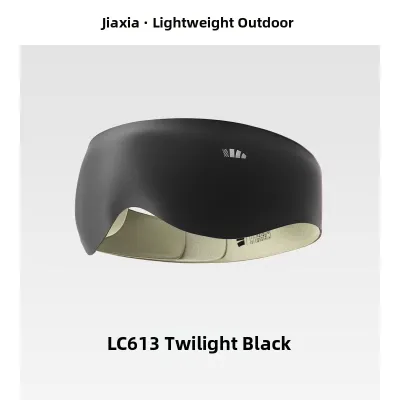
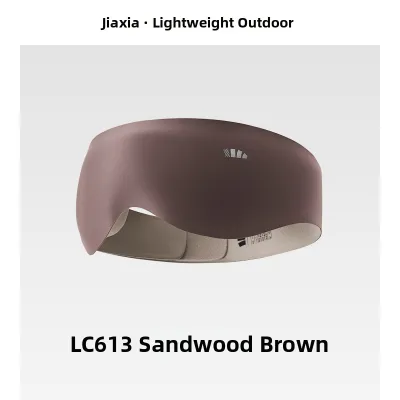
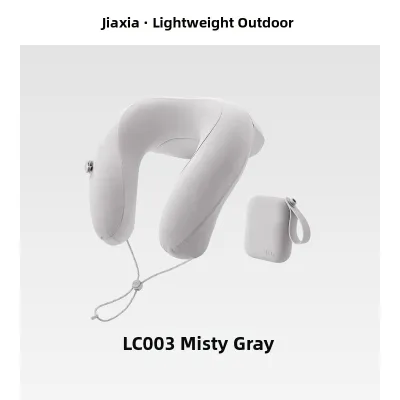
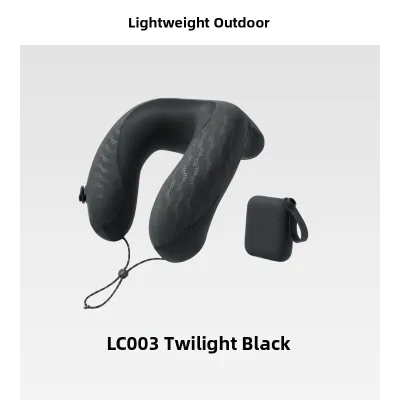
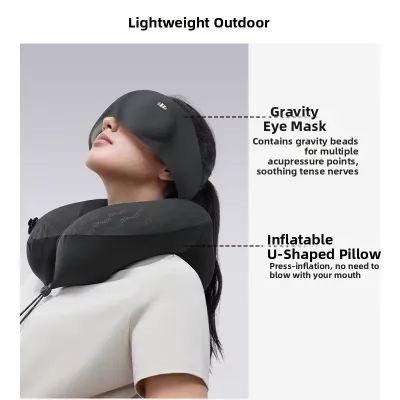
Prices are valid at publication and may change. Please refer to the product page for the latest price.
Finally, consider the cover fabric, especially if you are traveling through humid climates or using the pillow during daily commutes on public transport. Look for moisture-wicking properties and high breathability to prevent heat buildup around your neck. Always check the manufacturer’s care label to confirm if the cover is removable and washable, as regular maintenance is essential for keeping the fabric hygienic and free from sweat buildup over time.
Evaluating the Beneunder Neck Pillow Design and Materials
When inspecting a Beneunder neck pillow, start by verifying the primary fill type listed on the product tag or official retail specifications. Beneunder often utilizes structured memory foam designed to balance soft cushioning with reliable physical support. To evaluate its suitability, press down on the foam to observe its rebound rate; a slower recovery typically indicates a more supportive, high-density structure that will hold its shape under pressure. Ensure the physical height of the pillow matches your neck length, as a pillow that is too tall or too short can cause discomfort.

The outer cover is another critical area of inspection. Beneunder frequently designs fabrics with specific skin-friendly or cooling finishes, which can be highly advantageous in warm, humid environments. To verify these claims, look at the material composition tag for blends containing nylon, polyester, or specialized synthetic fibers known for heat dissipation. Additionally, confirm the washing instructions on the inner tag to ensure the cover can be easily cleaned without degrading any specialized fabric treatments or structural seams.
The closure and adjustment mechanism also plays a major role in how the pillow performs in transit. Check whether the model features a snap button, an adjustable toggle, or a magnetic clasp. A secure, adjustable closure allows you to tighten the pillow around your neck, preventing it from spreading apart and losing its supportive shape when you lean back. Ensure the clasp feels durable and does not pinch the skin or snag your clothing during use.
How Standard Competitor Designs Compare
Traditional memory foam U-pillows remain the most common alternative on the market. These pillows generally offer a high level of plush, familiar comfort, making them excellent for static home use or short trips. However, they are often bulky and heavy, making them difficult to pack into a compact carry-on bag. If you prioritize space-saving travel, a standard, non-compressible memory foam pillow may prove too cumbersome for active commuting or tight luggage limits.
Inflatable or highly compressible travel pillows address this portability issue directly. These designs can be deflated or rolled tightly into a small pouch, taking up minimal space in your luggage. The trade-off lies in comfort and support; inflatable options can feel stiff or bouncy, lacking the contouring pressure relief of memory foam. They require you to find the right balance of air pressure to avoid a rigid, uncomfortable surface against your neck, and the valves must be checked regularly for air leaks.
For those seeking maximum stabilization, wrap-around support collars or rigid travel pillows offer a different approach. These designs focus heavily on posture correction and preventing lateral head movement. While they excel at keeping the neck aligned, they lack the soft, cushioning feel of traditional pillows. Users who prefer a cozy, sleep-inducing texture may find these structured collars too restrictive for casual resting, making them better suited for those with specific posture correction needs.
Side-by-Side Specification Checklist
To make an objective decision, it is helpful to compare physical attributes directly. When shopping on online marketplaces or visiting local retail stores, use the following framework to evaluate your options side-by-side:
| Feature | Beneunder Neck Pillow | Traditional Memory Foam | Inflatable / Compressible |
|---|---|---|---|
| Primary Fill | Structured Memory Foam (Verify on tag) | Standard Memory Foam | Air / Inflatable Chamber |
| Portability | Moderate (Check for compression straps) | Low (Bulky, non-compressible) | High (Deflates or packs small) |
| Cover Fabric | Cooling/Synthetic blends (Verify label) | Typically plush velour or cotton | Nylon or polyester |
| Support Style | Contoured, adjustable fit | Soft, uniform cushioning | Adjustable firmness via air volume |
| Closure Type | Adjustable toggle or clasp | Snap button or none | None or basic strap |
Before finalizing your purchase, always check the retailer’s return policies and warranty terms. Because neck comfort is highly subjective, having a trial period or a clear return policy is invaluable if the pillow’s physical dimensions do not align comfortably with your neck length or shoulder width. Additionally, compare the price points in S$ to ensure the product fits your budget while delivering the necessary structural support.
Which Neck Pillow Fits Your Travel Style?
Your final choice should depend on your specific travel habits, physical comfort preferences, and how you plan to transport the pillow. If you frequently commute in warm climates or prioritize a highly contoured fit that matches your resting posture, the Beneunder neck pillow is a strong candidate. Be sure to verify the fabric specifications on the label to ensure it meets your expectations for breathability and skin comfort during long periods of wear.
If your primary goal is maximum plush cushioning and you do not mind carrying extra bulk, a traditional memory foam competitor may be the most comfortable choice. These are ideal for long flights where you can easily attach the pillow to the outside of your luggage or use it continuously without needing to pack it away frequently.
For minimalist travelers who prioritize saving space above all else, an inflatable or highly compressible alternative is the most practical option. These pillows fit easily into a small backpack pocket, making them perfect for light packing, even if they sacrifice some of the contouring comfort provided by foam.
Finally, keep in mind that standard travel pillows are designed for general comfort and are not medical devices. If you suffer from chronic neck pain, cervical spine issues, or recent injuries, do not rely on standard consumer pillows for therapeutic support. Instead, consult a qualified healthcare professional to obtain a medical-grade support collar tailored to your specific anatomical needs.
Frequently Asked Questions (FAQ)
Can I machine wash the Beneunder neck pillow cover?
To avoid damaging the fabric or any specialized finishes, always check the inner care tag before washing. Most high-quality neck pillows feature a removable outer cover that can be machine washed on a gentle cycle with cool water. Avoid using harsh detergents or bleach, and check the label to see if air drying is recommended over machine drying to preserve the elasticity and texture of the fabric. Never wash the inner memory foam core, as water will degrade the foam structure.
Are neck pillows effective for preventing neck pain on long flights?
Standard travel neck pillows are designed to provide comfort and prevent extreme lateral or forward head drop while sitting upright. While they can significantly reduce muscle strain during a long flight, they do not guarantee the prevention of neck pain, especially if your seat alignment is poor. For the best results, combine a supportive pillow with proper seat adjustments and regular stretching, and consult a medical professional if you have chronic pain concerns.
Community discussion
Share your experience or ask a question. Comments are reviewed before publication.