
Selecting the right bedsheet storage bag material in Singapore’s humid climate requires balancing breathability and moisture protection. There is no single universal material that solves every storage challenge; instead, the choice depends on where you store your linens and how well you prepare them. Breathable materials like cotton or non-woven fabrics allow trapped moisture to escape but can absorb ambient humidity, while non-porous materials like plastic block external moisture but risk trapping condensation inside. To protect your bedsheets from mold, mildew, and musty odours, you must evaluate the storage bag’s material, its placement in your home, and your packing habits.
How High Humidity Affects Stored Linens and Storage Bags
Relative humidity in Singapore often hovers around 80% or higher year-round. This means the air is nearly saturated with water vapor, creating a challenging environment for fabric storage. When bedsheets are folded and packed away, any residual moisture in the fabric or the air inside the bag becomes trapped. Without adequate airflow, this stagnant, humid microclimate allows mold spores—which are naturally present in the air—to settle and multiply on organic fibers like cotton, linen, or bamboo.
Ambient humidity constantly interacts with storage containers. Semi-porous materials like non-woven fabrics can slowly absorb moisture from the surrounding air over weeks or months, transferring that dampness to the linens inside. Conversely, completely sealed, non-breathable materials like heavy plastic block external humidity but can cause internal condensation if the temperature fluctuates, especially if the storage area is near an air conditioning unit or a window.
Products mentioned in this guide
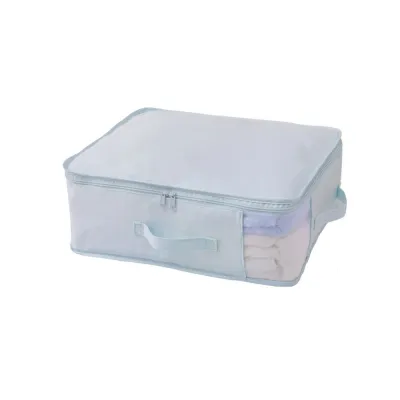
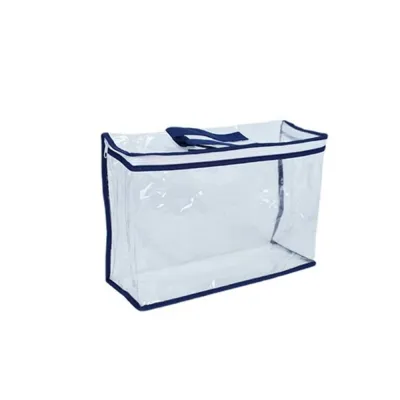
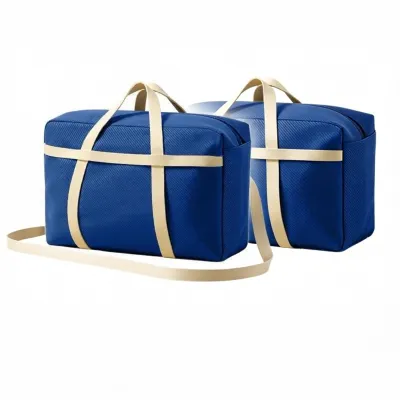
7 Lazada user ratings
It's really cheap, I bought it to complete my order. I'll see how the quality is once I use it. If it's good, then it definitely deserves my…Read full reviewShow less
It's really cheap, I bought it to complete my order. I'll see how the quality is once I use it. If it's good, then it definitely deserves my five-star rating!
This storage bag is really nice! The design is quite cute, and it made me really happy to get it.
I feel really secure after using the blanket, and it does a great job at keeping moisture away.
It's great that it can be moved and has two zippers, making it really handy.
It's quite large, very easy to use, and very sturdy.
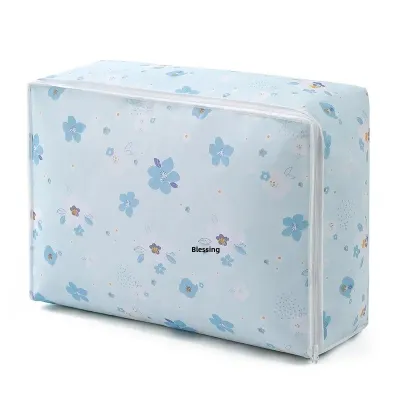
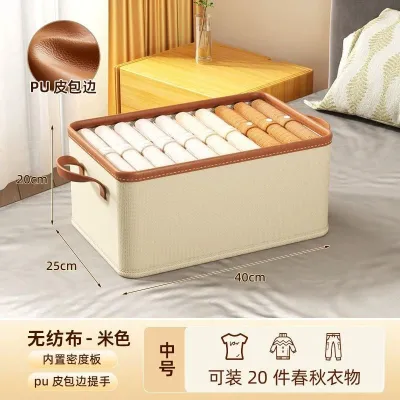
5 Lazada user ratings
These bags design looks nice but material are too thin to hold itself up if not full.
Soft material cant hold up by itself if not full.
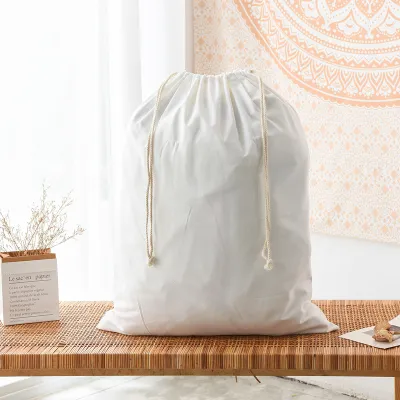
Prices are valid at publication and may change. Please refer to the product page for the latest price.
Before choosing a storage solution, assess your home’s microclimates. Consider whether the bags will sit in a closed, unventilated wardrobe, under a bed frame with minimal clearance, or in an air-conditioned room. Temperature fluctuations between day and night, or between air-conditioned and non-air-conditioned states, directly affect how moisture behaves inside your storage bags.
Comparing Common Bedsheet Storage Bag Materials
Evaluating storage bag materials requires looking beyond marketing claims of moisture-proof performance. A material’s physical structure determines how it handles moisture, dust, and physical wear. When shopping, always check the manufacturer’s care labels and material specifications rather than assuming a fabric will automatically protect your linens.

Non-Woven Fabric and Cotton Bags
Non-woven polypropylene and natural cotton are highly breathable. This permeability allows air to circulate freely, which helps dissipate any minor, residual moisture that might be left in the sheets after drying. This continuous airflow is highly effective at preventing the stale, musty odours that often develop in stagnant environments.
However, this same breathability means these bags offer little protection against high ambient humidity. If you store non-woven or cotton bags in a damp, non-air-conditioned wardrobe or a poorly ventilated storeroom, they will gradually absorb moisture from the air. Over time, this can lead to mold growth on both the bag and the stored bedsheets.
To monitor these materials, regularly inspect the bags for physical changes. Look for thinning fibers, fraying seams, or tearing around the handles, which indicate the material is degrading. Feel the fabric; if it feels limp, damp, or displays small black or grey spots, mildew has likely begun to colonize the bag, and it should be washed or replaced immediately. Additionally, check the joints and stitching of cotton bags, as natural fibers can weaken when exposed to prolonged dampness.
Plastic and Vinyl Storage Bags
Fully synthetic materials like polyethylene (PE), ethylene-vinyl acetate (EVA), or polyvinyl chloride (PVC) are completely non-porous. When properly sealed, they create an absolute physical barrier that blocks external humidity, dust, and common household pests from reaching your bedsheets.
The primary drawback of plastic and vinyl is their lack of breathability. If your bedsheets are not completely bone-dry when packed, or if warm air is sealed inside the bag and then cools down, condensation will form on the inner walls. This trapped moisture cannot escape, leading to fabric yellowing, sour odours, and localized mold growth.
Over time, plastic and vinyl bags can degrade due to heat and humidity. Check for cracking along the folds, yellowing of the clear plastic panels, or a sticky, tacky texture on the surface. A strong, sour chemical odour emanating from the plastic itself is also a sign of chemical breakdown, which can transfer unpleasant smells to your clean linens. Ensure you store these bags away from direct sunlight and heat sources to prolong their lifespan.
Canvas and Heavy-Duty Blends
Heavyweight canvas and polyester-cotton blends offer excellent structural durability. They resist tearing, puncture, and abrasion, making them suitable for storing heavy bedding or multiple sets of sheets. Their thick weave provides a sturdy barrier against dust and physical damage during handling.
Many heavy-duty bags feature internal polyurethane (PU) or polyvinyl coatings to provide water resistance. In Singapore’s prolonged high humidity, these coatings can sometimes trap moisture inside if the bag is sealed in a damp state. Conversely, if the coating is on the outside, it can degrade, peel, or become sticky when exposed to warm, humid air over several years. Check the product label to see if the coating is breathable or if it requires specific care, such as avoiding direct sunlight or machine washing.
You can identify a failing protective coating by checking the interior and exterior surfaces. If the internal coating begins to flake off as a white powder, or if the fabric loses its stiffness and feels damp to the touch, the moisture barrier is compromised. Another simple check is to observe if water droplets still bead on the surface; if the fabric absorbs water immediately, the water-resistant treatment has worn off.
Essential Features to Look for in Humid Climates
To balance protection and airflow, look for hybrid designs. Some storage bags feature clear plastic front panels for visibility combined with breathable non-woven fabric sides or back panels. Additionally, high-quality zippers with fabric tape can allow a tiny amount of air exchange, preventing the air inside from becoming completely stagnant while still keeping dust out.
When evaluating options, read the manufacturer’s specifications carefully. Look for terms like “breathable membrane” or “water-resistant finish” rather than generic waterproof claims. Some materials may feature anti-microbial treatments designed to inhibit mold growth on the fabric surface, though these treatments do not replace the need for proper packing habits.
Singapore’s humid climate can weaken certain adhesives and low-quality stitching over time. Prioritize bags with double-stitched, reinforced seams and handles that are cross-stitched or riveted to the main body. This ensures the bag can support the weight of heavy cotton or linen sheets without tearing when you pull it down from a closet shelf. Also, check the finished dimensions of the bag to ensure it fits comfortably within your wardrobe or under-bed storage space without being forced or compressed against walls.
Best Practices for Packing and Maintaining Stored Linens
The most critical step in preventing mold is ensuring your bedsheets are entirely dry before storage. Even if sheets feel dry to the touch, they may retain microscopic moisture within the fibers, especially if they were line-dried on a humid day. Consider running them through a dryer cycle or airing them out in an air-conditioned room for a few hours before packing.
To manage any residual moisture, place silica gel packets, activated charcoal sachets, or calcium chloride dehumidifier tubs inside or adjacent to your storage bags. Always follow the manufacturer’s instructions for these products; for instance, ensure that calcium chloride liquid does not come into direct contact with your fabrics, as it can cause permanent damage.
Store your bedsheet bags in cool, dry, and well-ventilated areas. Avoid placing them directly on concrete floors, against external walls that absorb heat and moisture from the outdoors, or in unventilated storerooms. Inside a wardrobe, try to leave some space between bags to allow air to circulate, rather than packing them tightly together.
Regularly monitor your storage setup. If you open a bag and notice a faint musty smell, dampness on the fabric, or small dark spots, your current storage method is failing. This is your cue to wash the linens, clean or replace the storage bag, and relocate your storage to a drier, more ventilated part of your home.
Frequently Asked Questions (FAQ)
Can I use vacuum-sealed bags for long-term bedsheet storage in a humid climate?
Vacuum-sealed bags are highly effective at saving space and blocking external humidity, but they require caution in Singapore’s climate. You must ensure that the bedsheets are completely dry before sealing; any trapped moisture will quickly turn into mold in the airtight, dark environment. Furthermore, prolonged compression can flatten and weaken natural fibers like cotton, linen, or silk, making them brittle over time. If you use vacuum bags, inspect them every few months. If you notice the bag has lost its vacuum seal or if the linens inside look yellowed, open the bag immediately, wash the sheets, and let them air out completely.
How often should I check my stored bedsheets for moisture or mold?
It is advisable to check your stored bedsheets at least once every three to six months, depending on where they are kept. If they are stored in a non-air-conditioned wardrobe or a closed storeroom, quarterly inspections are recommended. Open the storage bag, feel the fabric for any dampness, and check for musty odours or visible spots. If you detect any early signs of mildew or a sour smell, remove the sheets immediately, wash them in warm water if the care label permits, and ensure they are thoroughly dried before repacking them in a clean, dry bag.
Community discussion
Share your experience or ask a question. Comments are reviewed before publication.